Bathroom Tiles: Create a Luxurious, Lasting Sanctuary
The bathroom is where considered design and practical performance matter most, and at Hyperion Tiles our bathroom tile collection is curated to deliver both. From marble and porcelain to metro, mosaic and patterned designs, our ranges draw on the finest designer brands, including Ca'Pietra, Fired Earth, Original Style and Minoli, to help you create a space that feels like a private sanctuary while standing up to daily moisture, temperature swings and constant footfall with ease. The guide below walks through every decision that matters — material, slip rating, size, colour and care — so you can specify with confidence.
Explore Bathroom Wall and Floor Tiles in Every Style
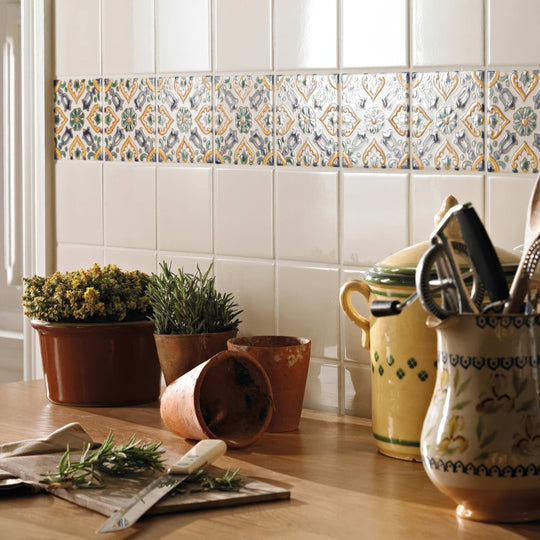
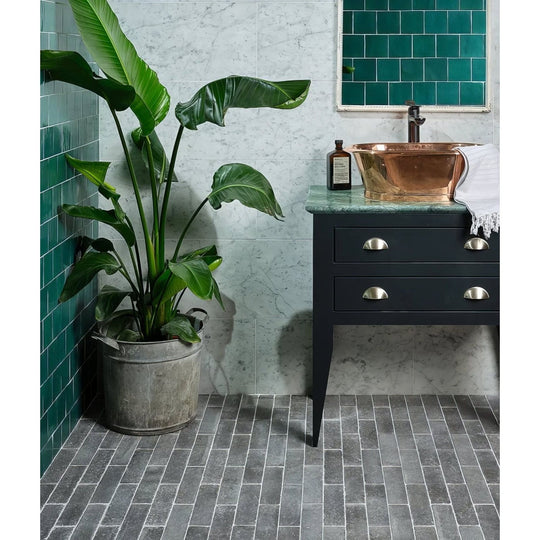
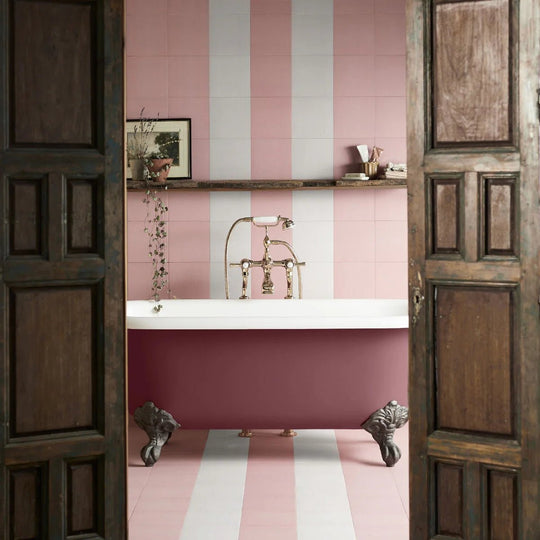
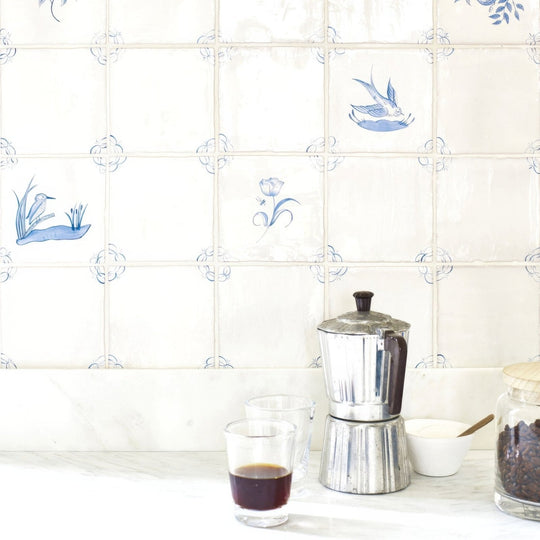
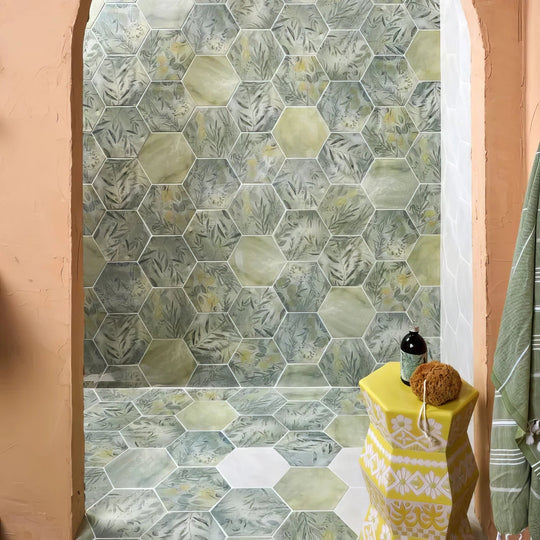
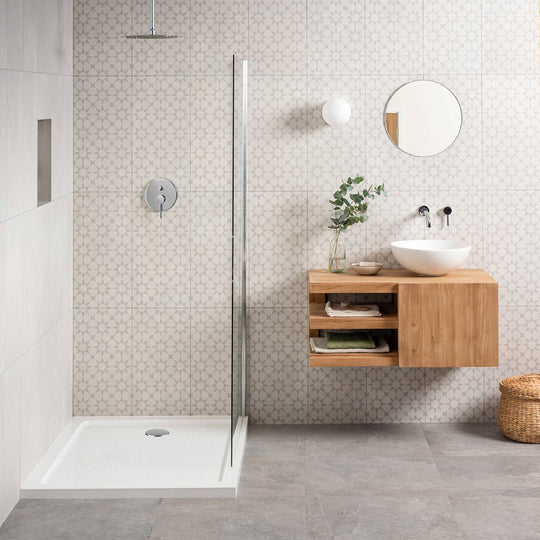
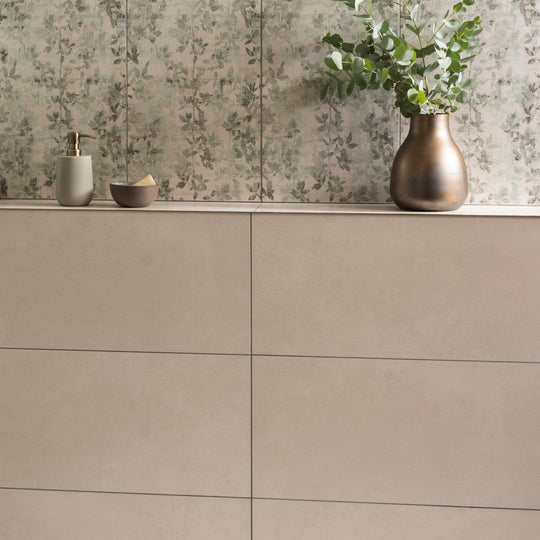
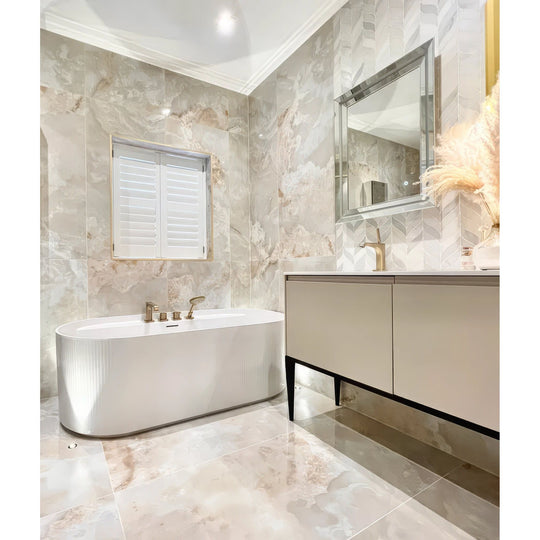
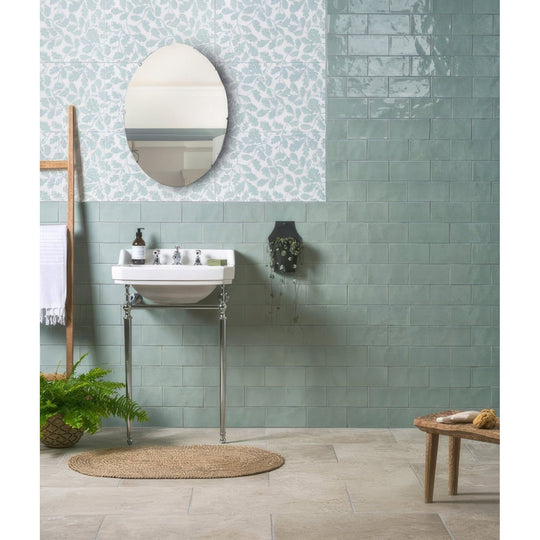
A successful bathroom often combines complementary wall and floor tiles to create a harmonious, layered scheme. Whether you favour the cool elegance of marble, the clean versatility of porcelain, the timeless appeal of metro brick tiles or the intricate detail of mosaics, our collection offers an extensive choice of colours, finishes and formats to suit traditional and contemporary bathrooms alike. Start with our dedicated edits of bathroom floor tiles and bathroom wall tiles, or browse the full collection above.
Porcelain and Ceramic Bathroom Tiles
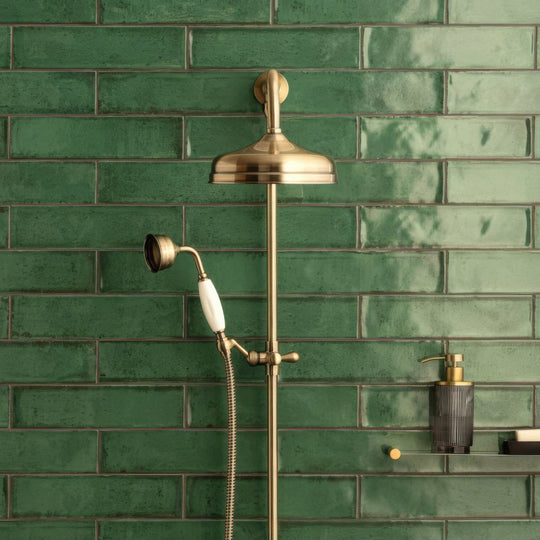
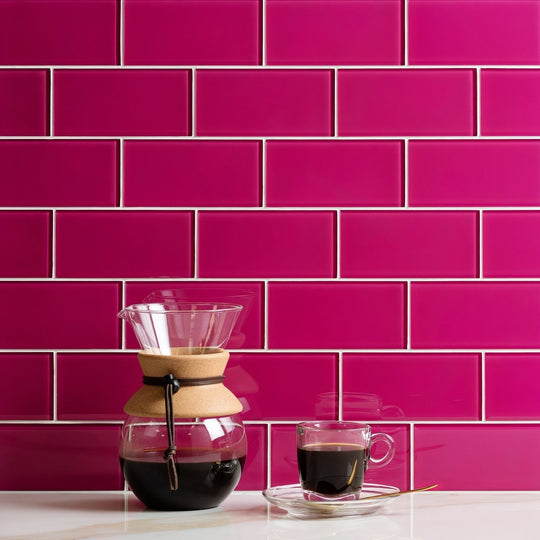
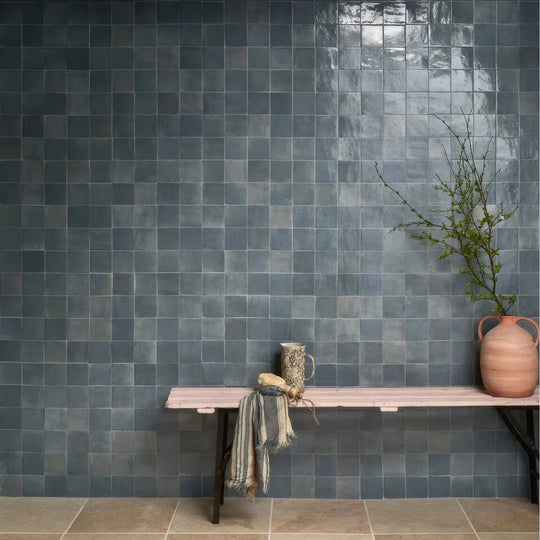
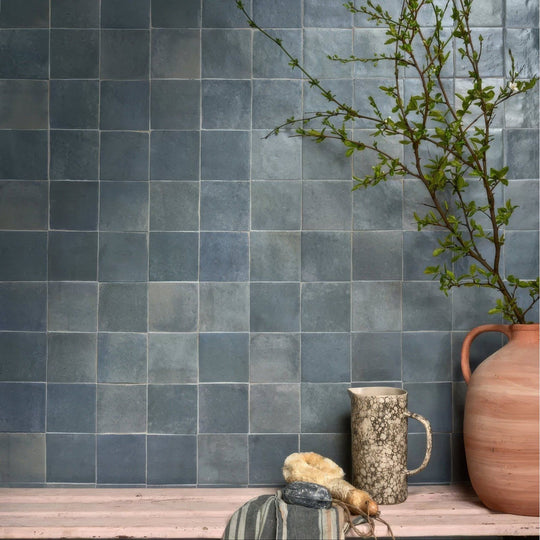
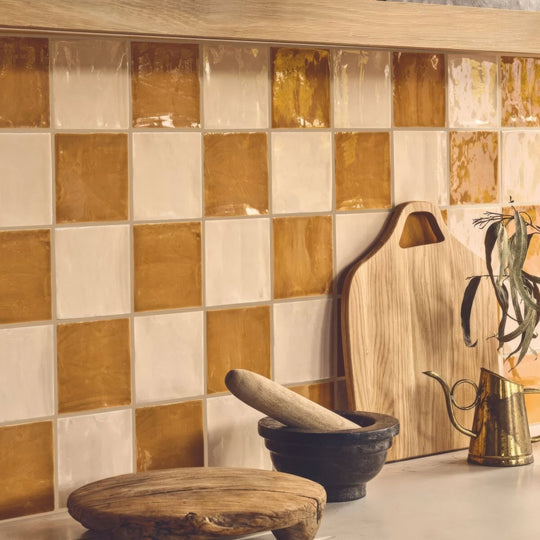
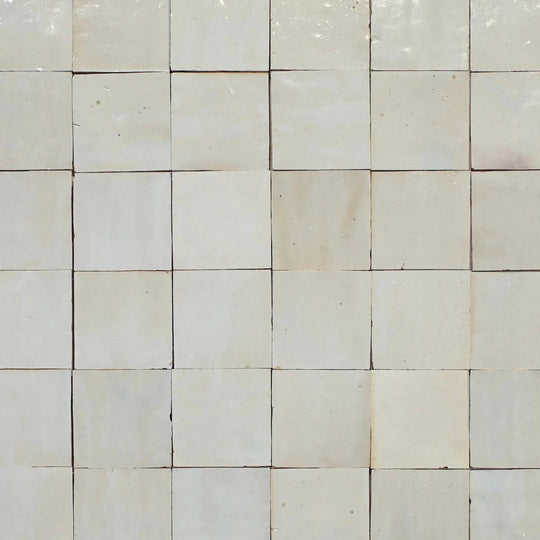
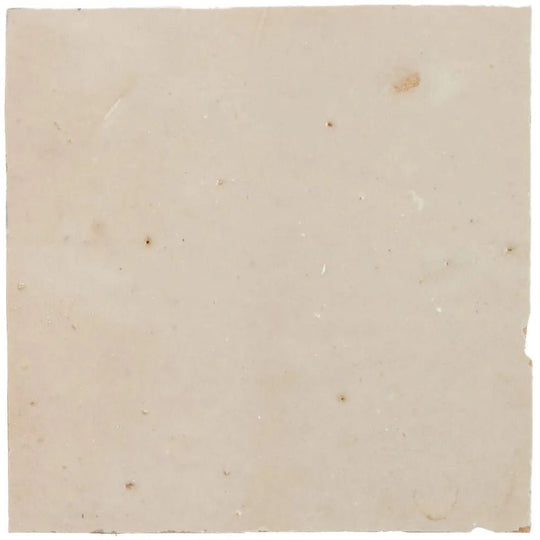
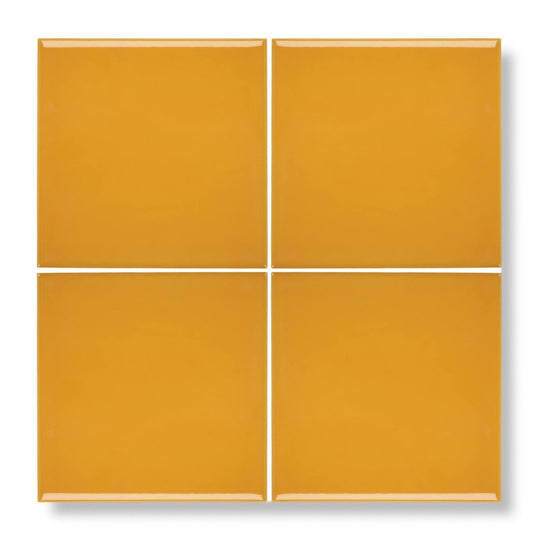
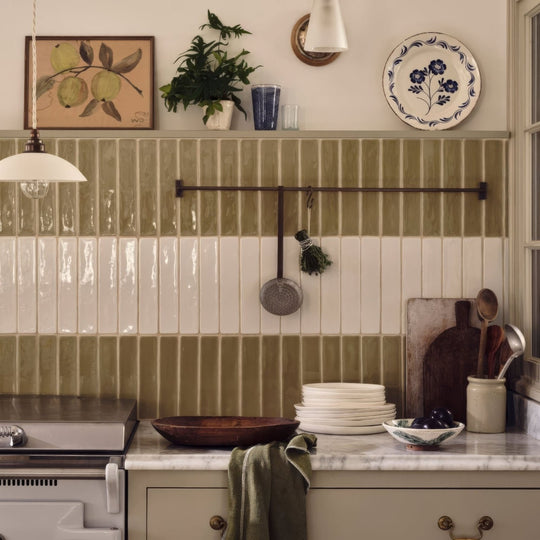
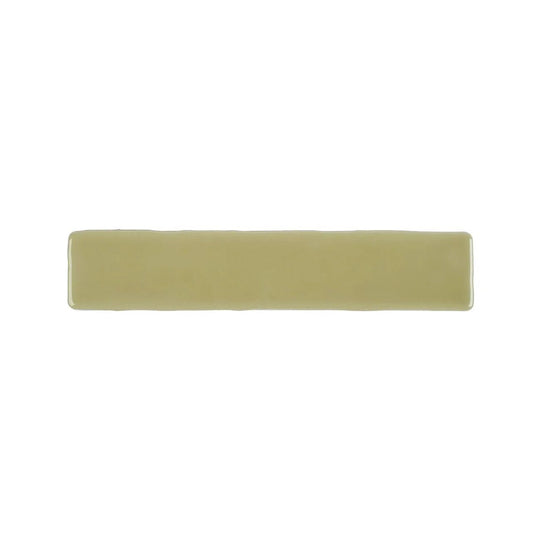
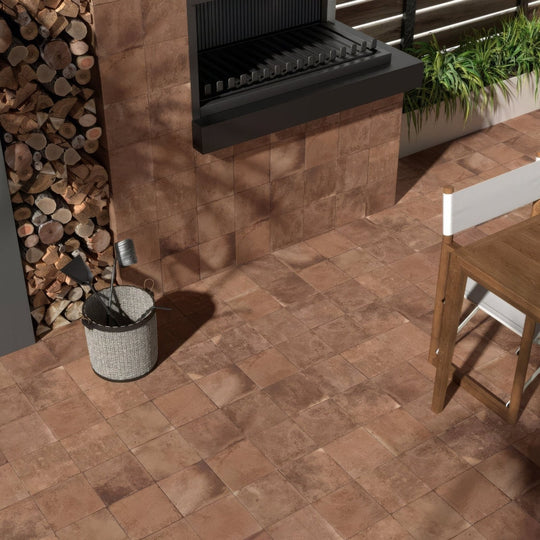
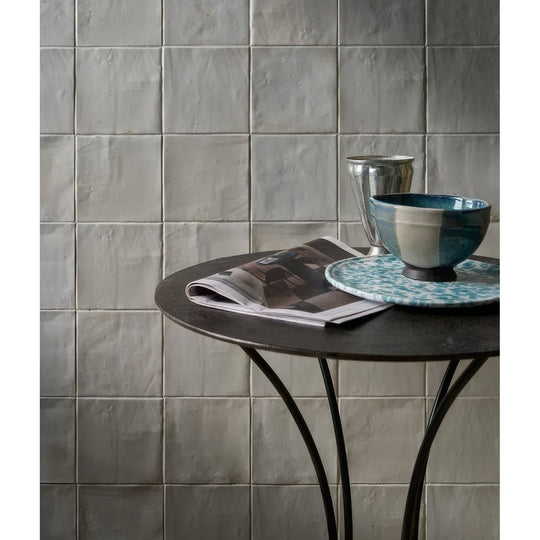
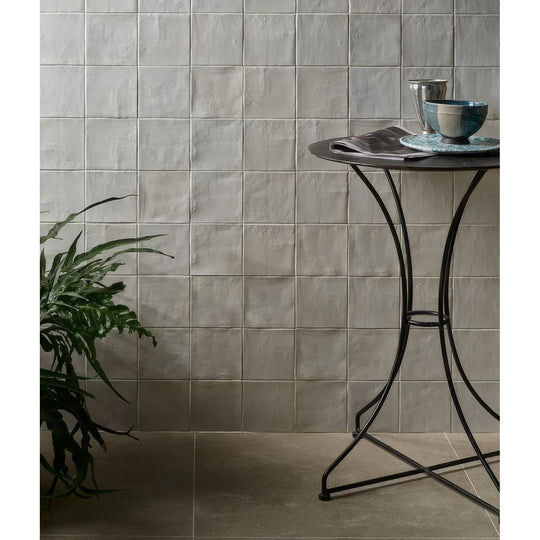
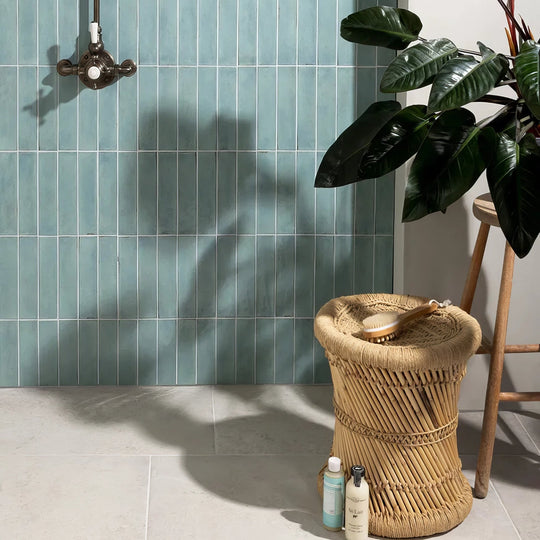
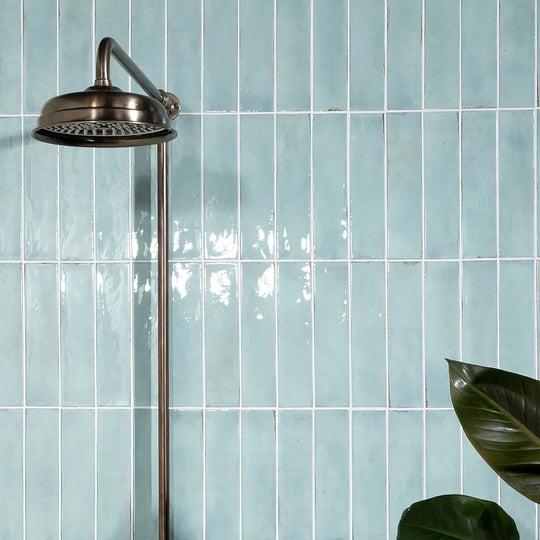
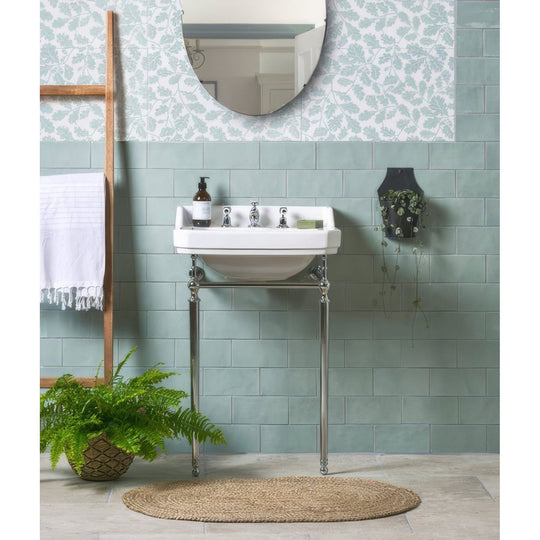
Porcelain tiles are the benchmark for bathroom floors. Fired at higher temperatures than standard ceramic, porcelain is dense, extremely hard-wearing and virtually waterproof, with water absorption below 0.5% — ideal for shower enclosures, wet rooms and floors. Marble-effect and stone-effect porcelain delivers the look of natural materials with none of the sealing, and large rectified formats keep grout lines to a minimum. Glazed ceramic tiles are lighter and easier to cut, which makes them the natural choice for walls, splashbacks and shower surrounds; the fired glaze is impervious to water and takes colour beautifully, from hand-glazed brick formats to zellige-style surfaces that catch the light. Many ceramic ranges are also rated for interior bathroom floors.
Marble and Natural Stone Bathroom Tiles
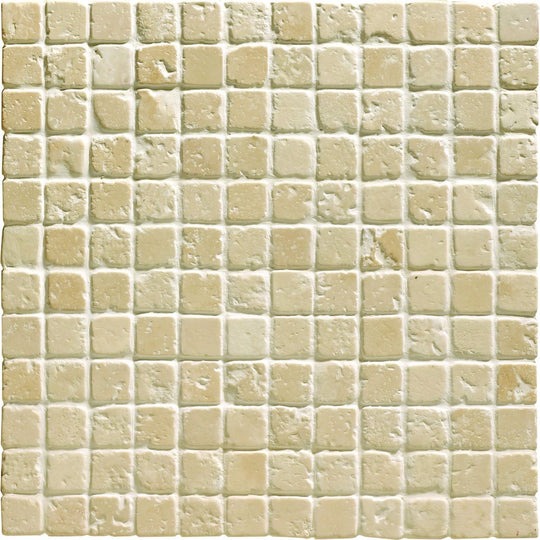
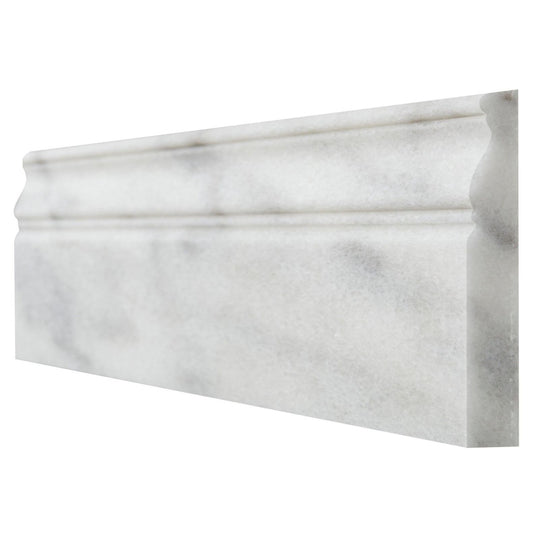
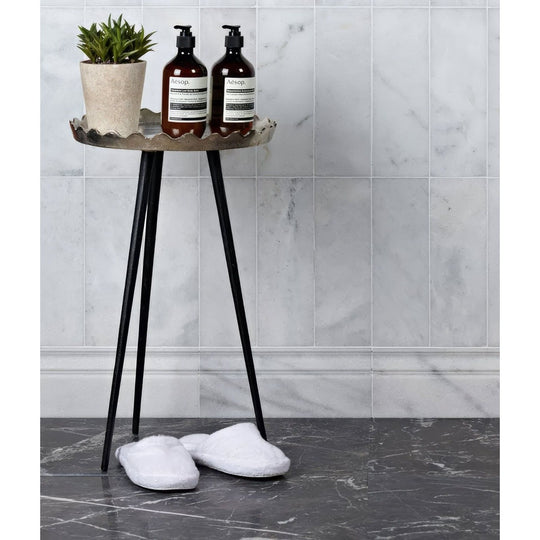
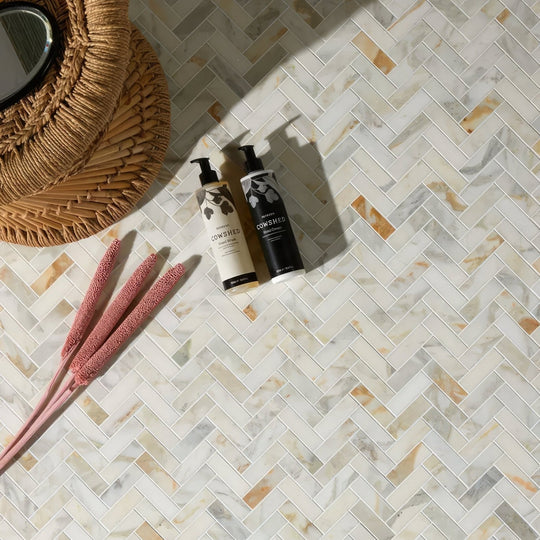
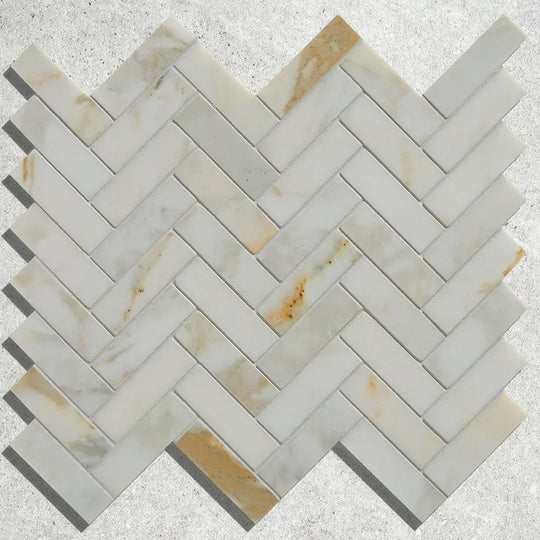
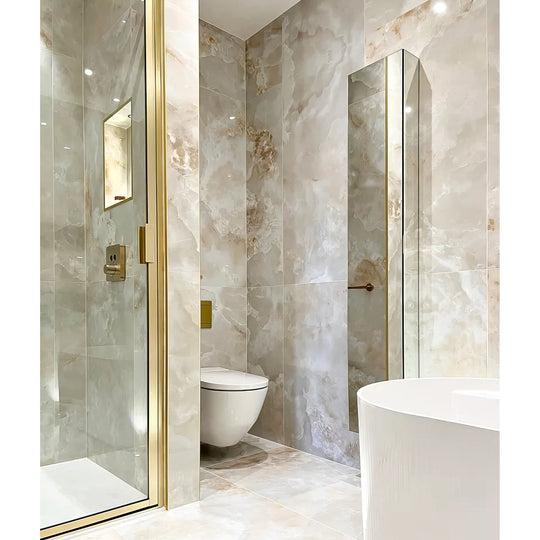
For a truly indulgent bathroom, marble and natural stone introduce depth, movement and a spa-like sense of luxury. Each tile is unique, lending genuine character that elevates the whole room. Because stone is porous, it should be sealed on installation and resealed periodically to withstand the bathroom environment, and it rewards a pH-neutral cleaning routine — but the result is a timeless, sophisticated finish that few other materials can match.
Mosaic and Feature Bathroom Tiles
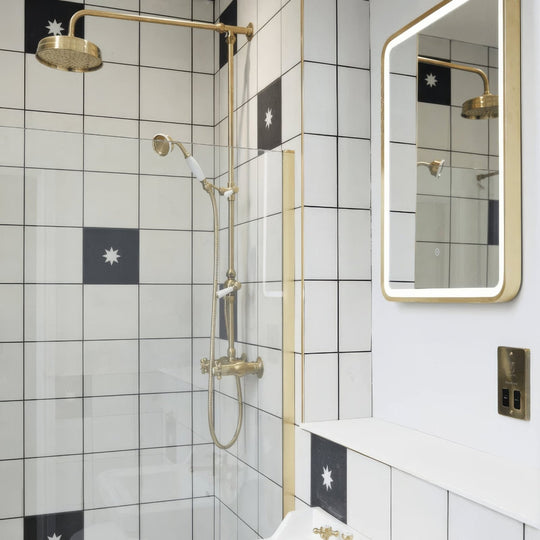
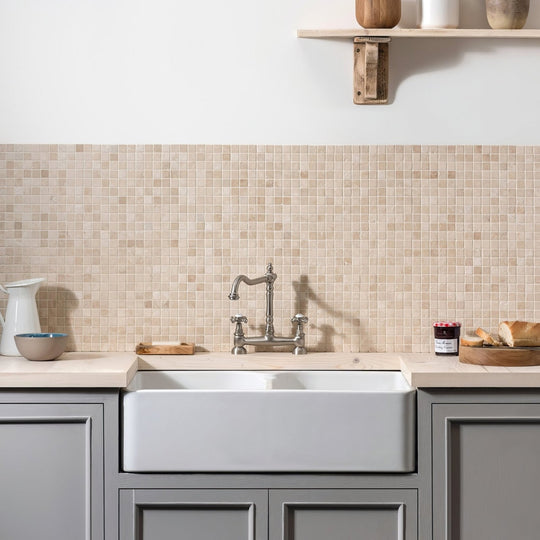
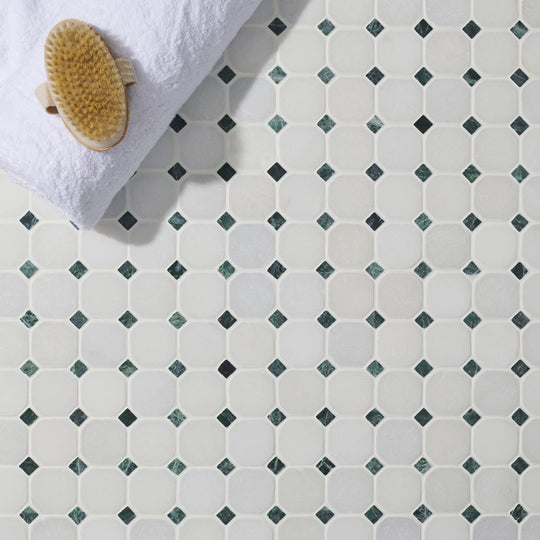
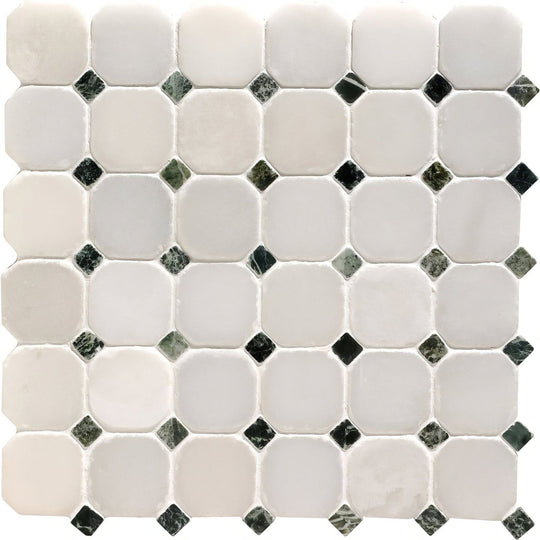
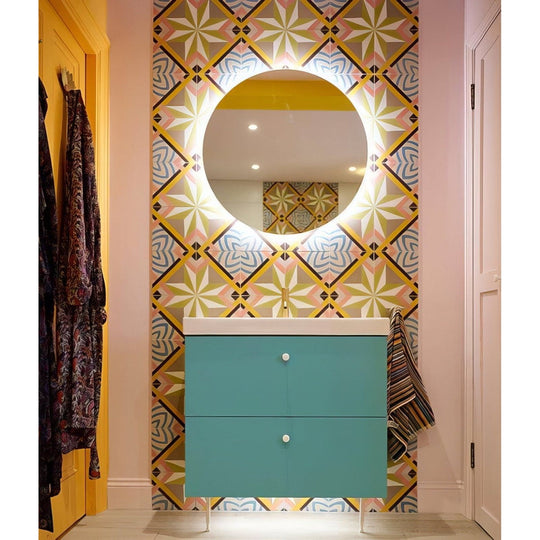
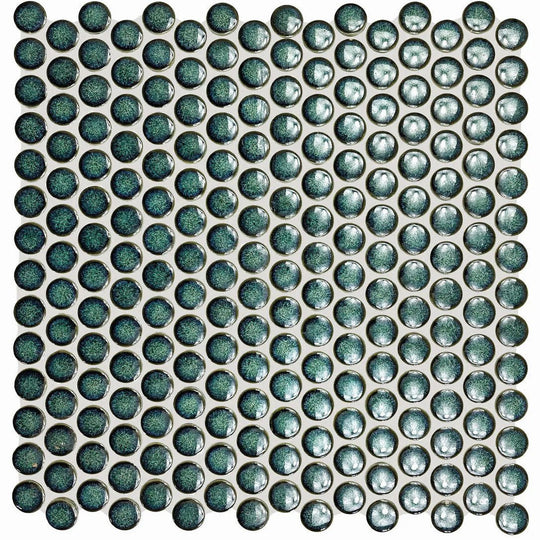
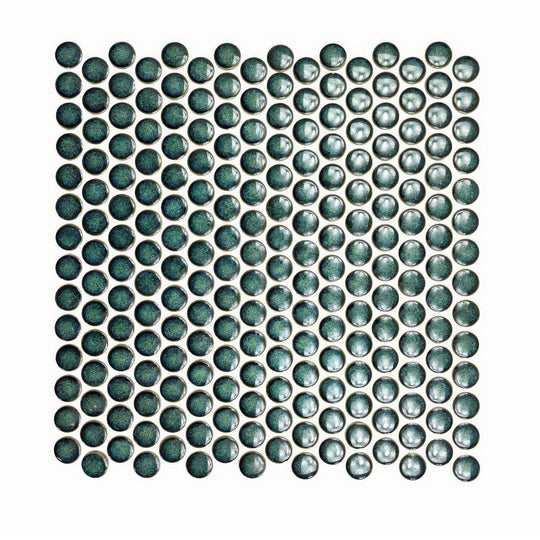
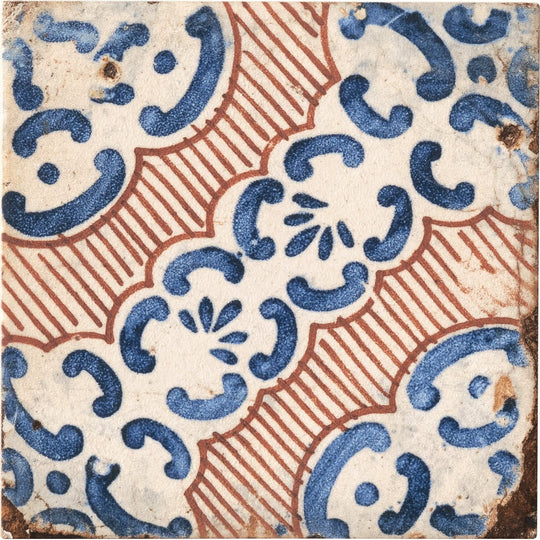
Mosaic tiles are a bathroom favourite, perfect for shower niches, feature walls and adding texture and grip underfoot in wet areas. The high ratio of grout to tile gives natural slip resistance, and their small format follows curves, slopes and awkward spaces that larger tiles cannot. Glass mosaics in particular reflect light to bring a sense of brightness and movement. Use a feature tile to create a focal point, balanced by simpler tiles across the remaining surfaces.
Luxury Vinyl Tiles for Bathrooms
Luxury vinyl tiles offer a warmer, softer feel underfoot with waterproof construction, making them a practical choice for family bathrooms and en-suites. Wood-effect and stone-effect designs pair convincingly with tiled walls, and installation is quick over a sound, level subfloor.
Floor Tiles vs Wall Tiles: What Is the Difference?
The difference is strength and grip. Floor tiles are made to carry weight and resist abrasion, and almost all can also be used on walls — just check the weight your wall build-up and adhesive can support, particularly on plasterboard. Wall tiles, by contrast, are lighter-bodied and often gloss-glazed, and should never be used underfoot. If you want one design to run across both surfaces, choose a floor-rated tile with a finish that remains safe when wet.
Slip Ratings for Showers and Wet Rooms
Slip resistance is graded with R-ratings, and the right rating depends on how wet the floor will get:
- R9 — suitable for dry and occasionally damp areas.
- R10 — the sensible minimum for a family bathroom floor.
- R11 and above — right for wet rooms and level-access showers where the floor is regularly soaked.
Textured and matt finishes grip better than polished ones, and small formats or mosaic add security on shower floors. Just as important is what sits behind the tiles: wet zones must be correctly waterproofed, or tanked, before tiling to prevent water ingress.
Choosing the Right Size and Format
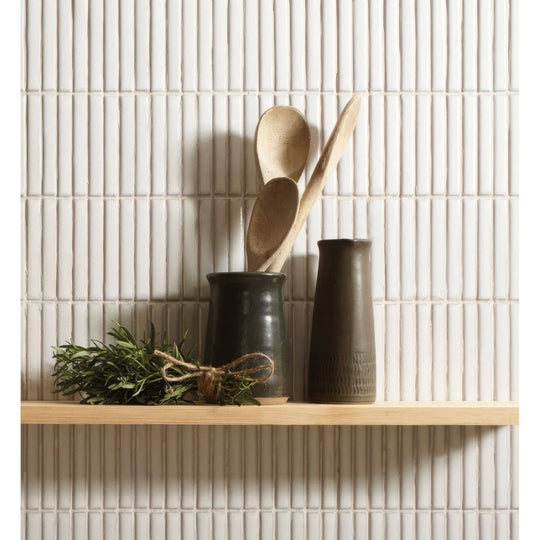
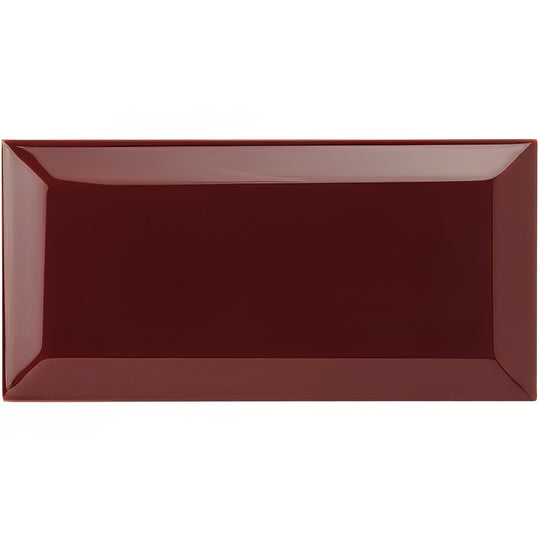
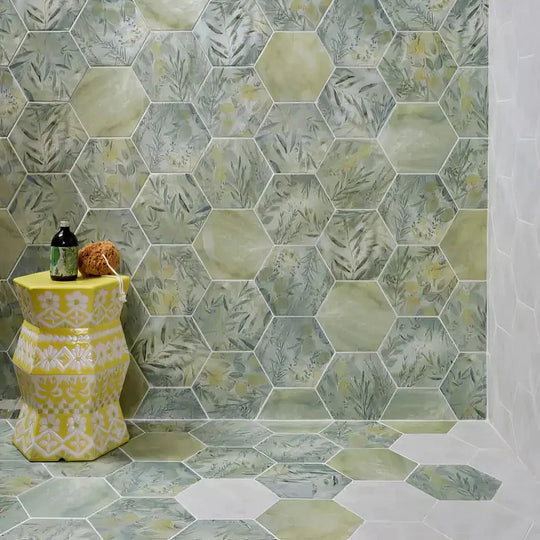
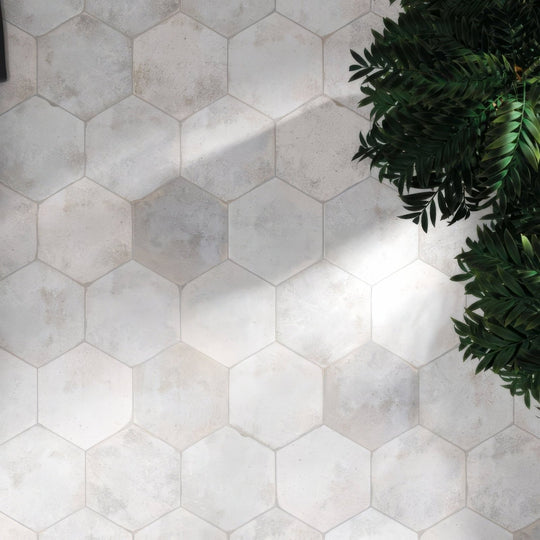
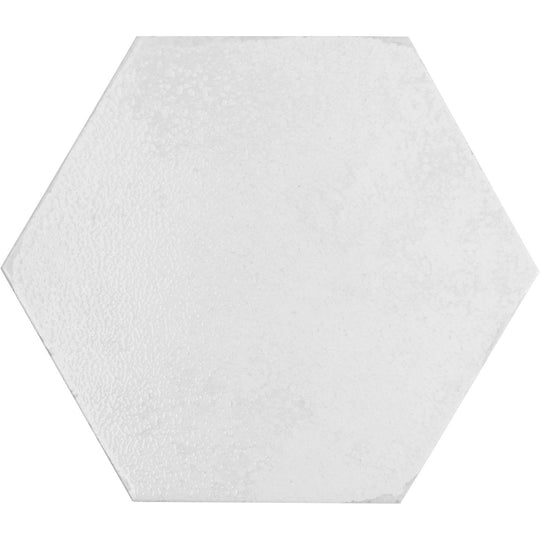
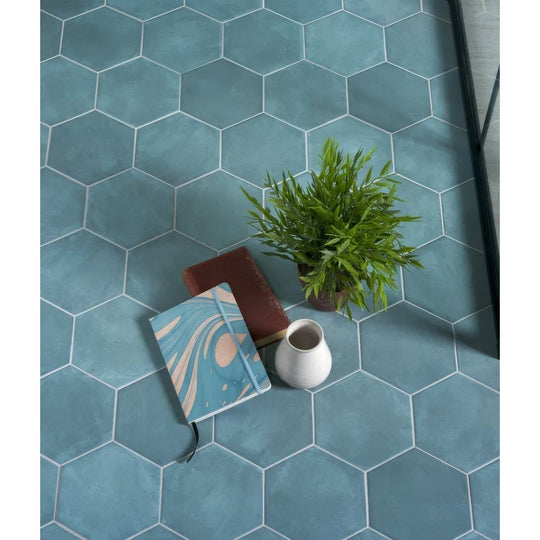
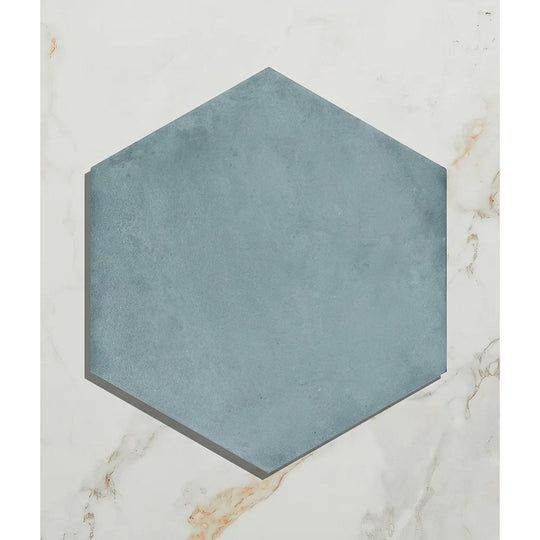
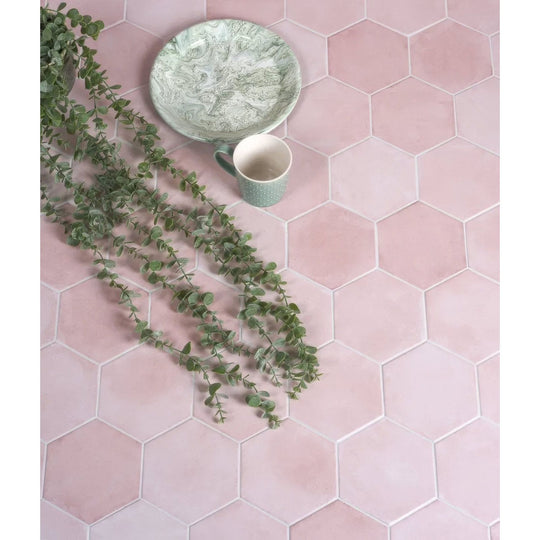
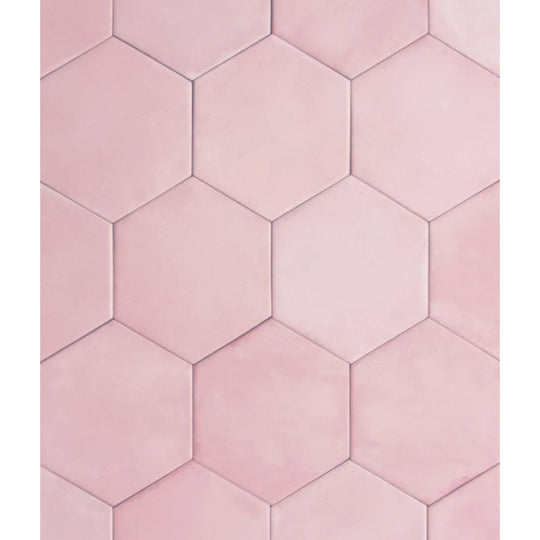
Large-format tiles — 60 x 60cm and up — mean fewer grout lines and a calmer, more architectural surface, and despite the instinct to go small they often make compact bathrooms feel bigger. Metro and brick formats bring timeless character, laid straight-stacked for a modern look or in classic brick bond. Hexagons, chevrons and scallops introduce pattern through shape alone, while penny and square mosaics remain the go-to for shower trays and curved surfaces.
Colours, Patterns and Current Styles
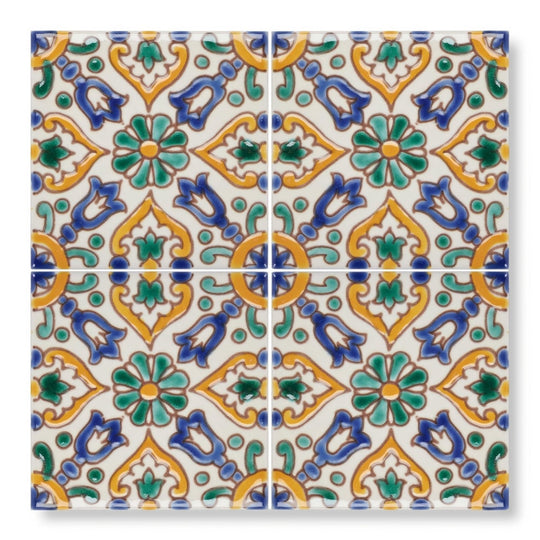
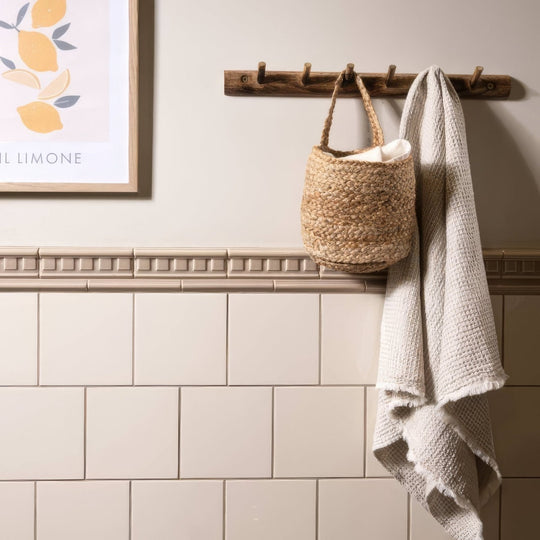
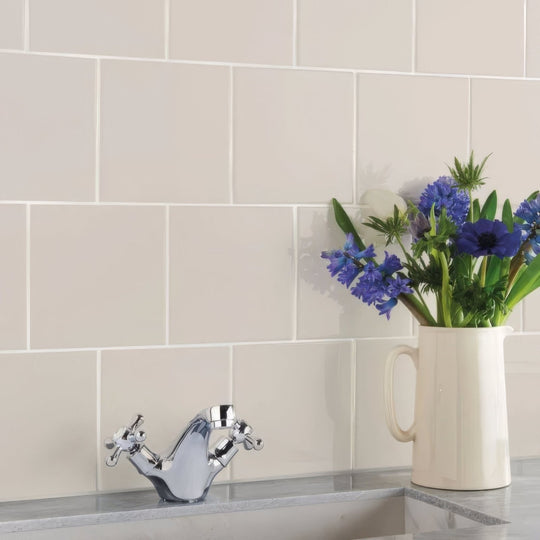
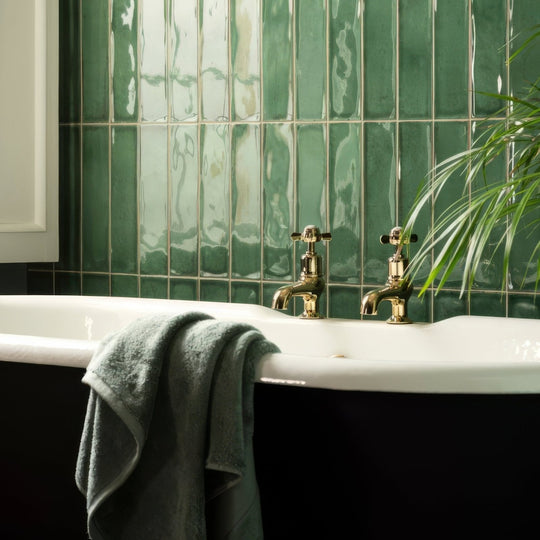
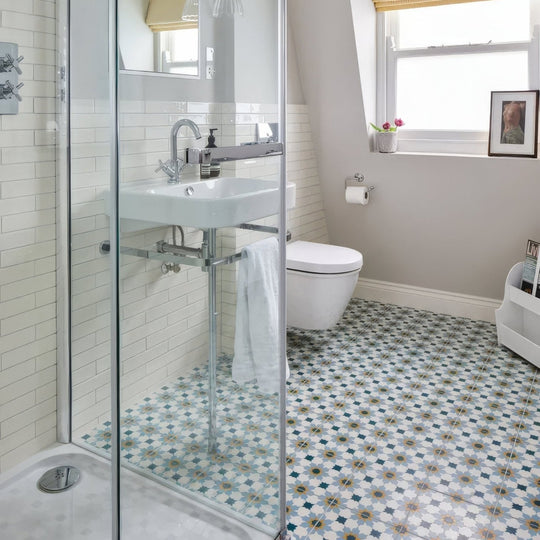
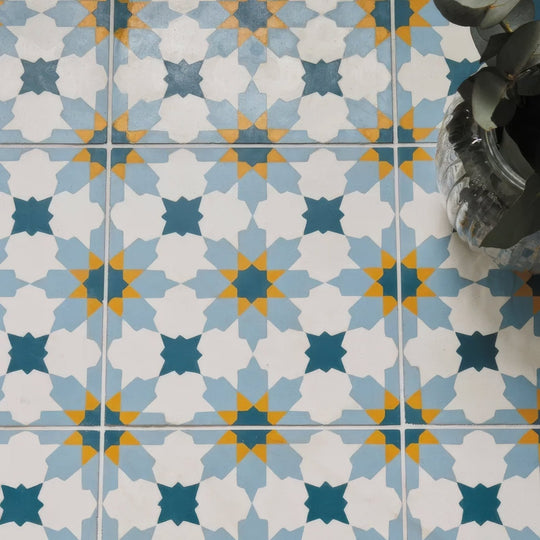
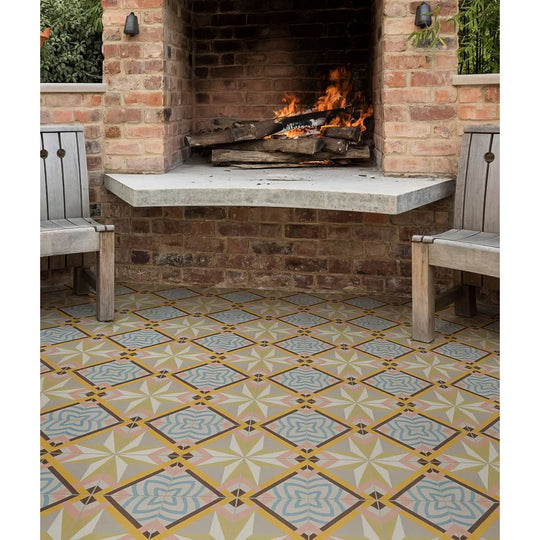
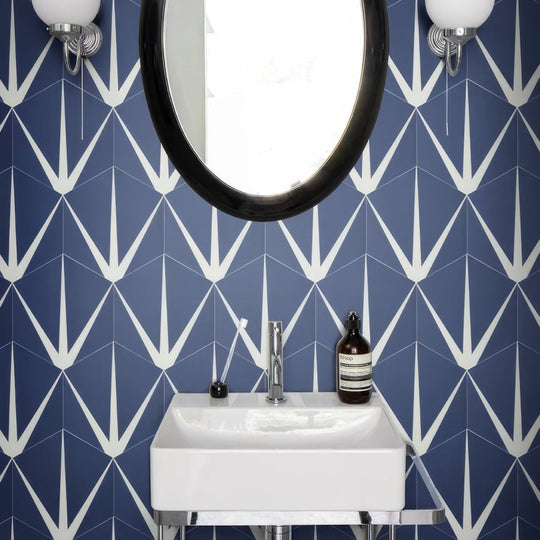
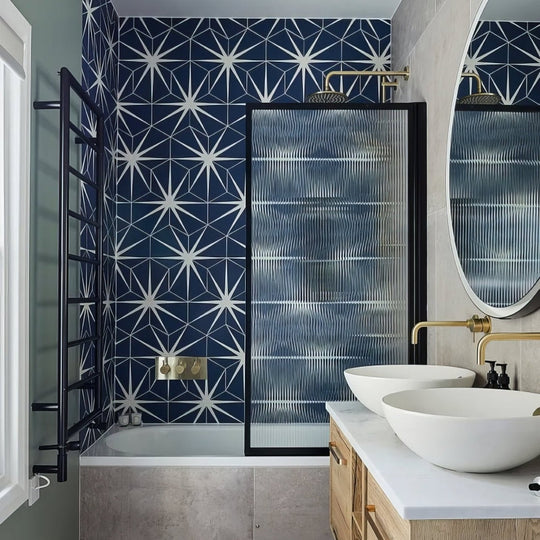
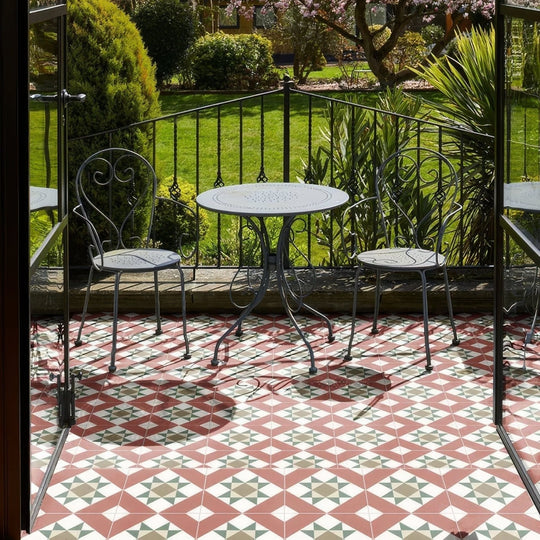
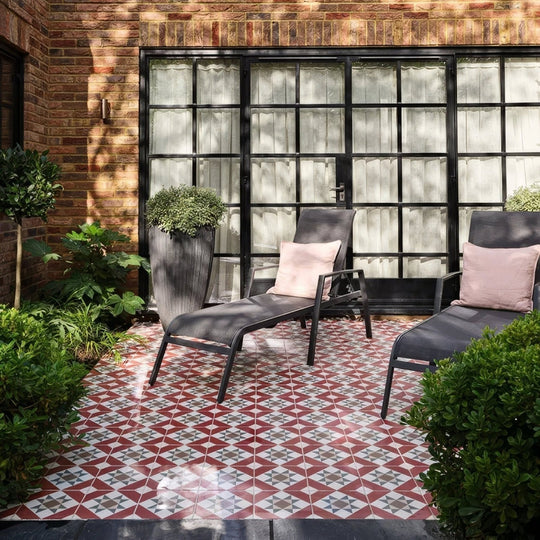
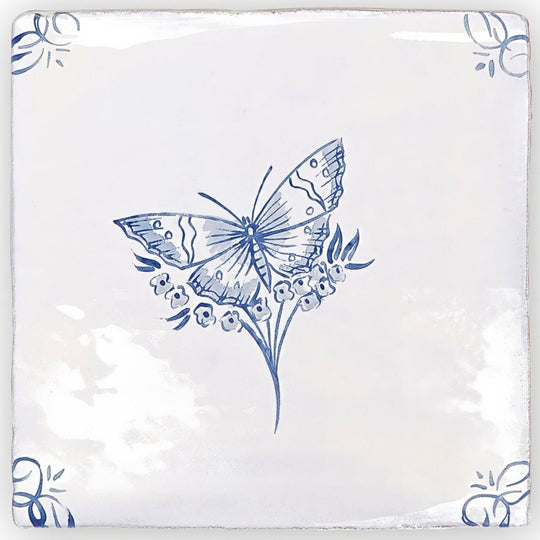
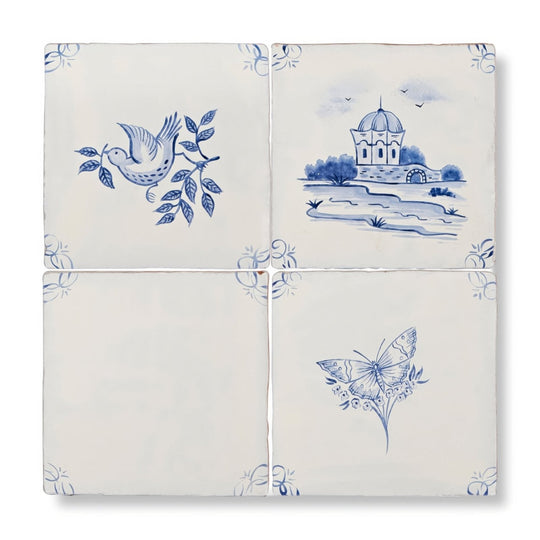
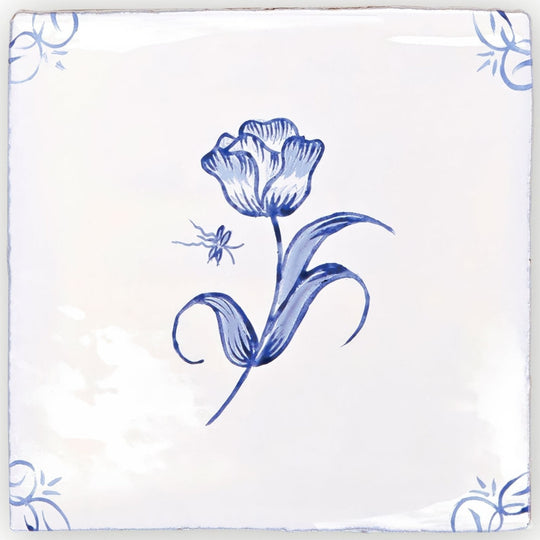
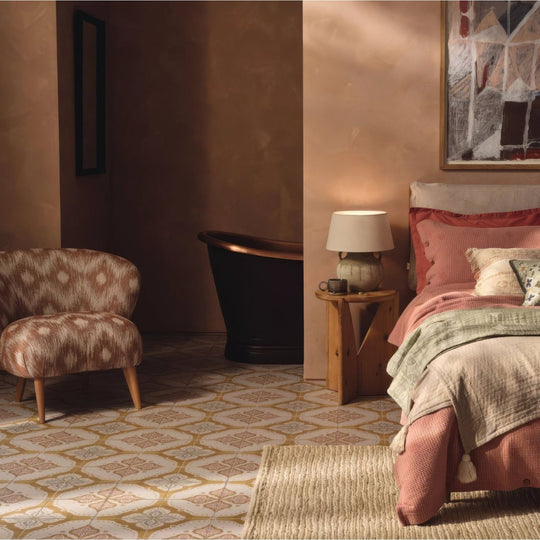
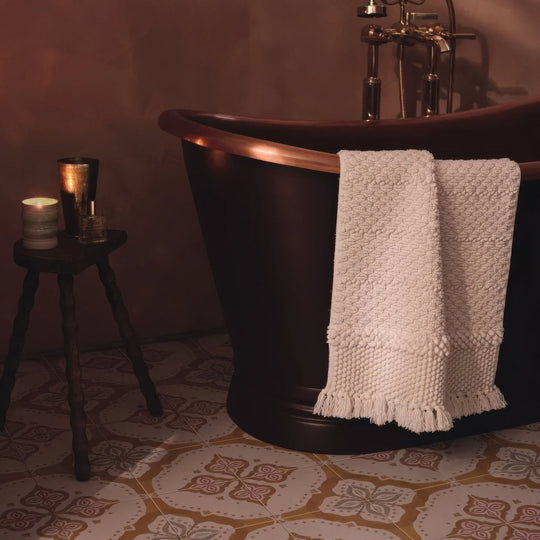
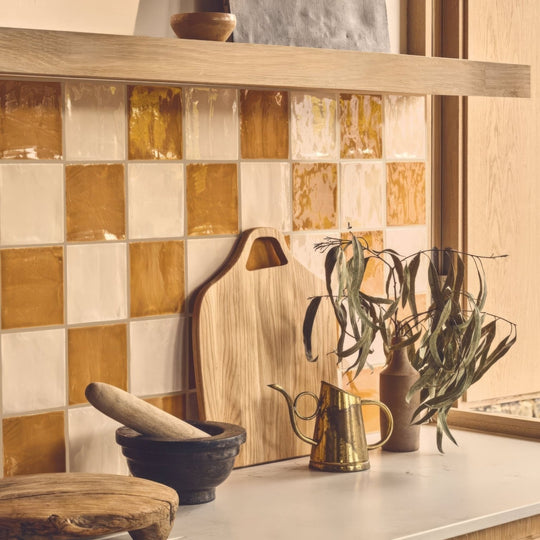
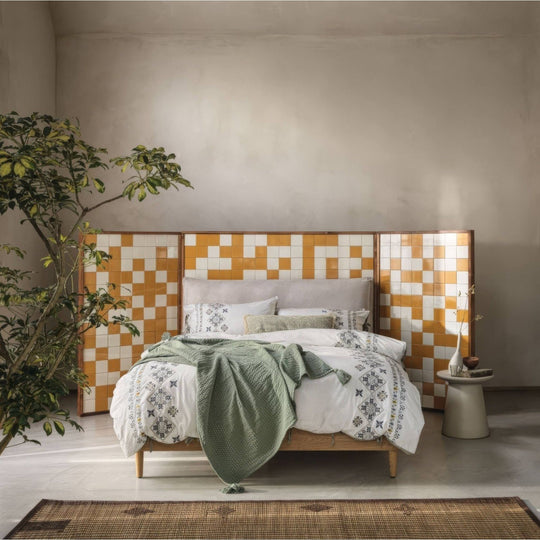
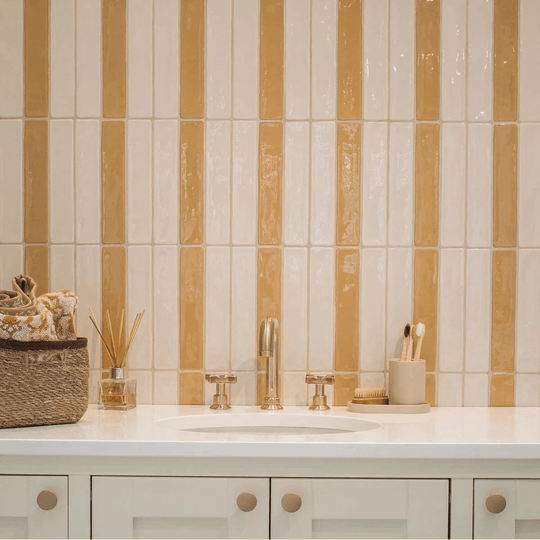
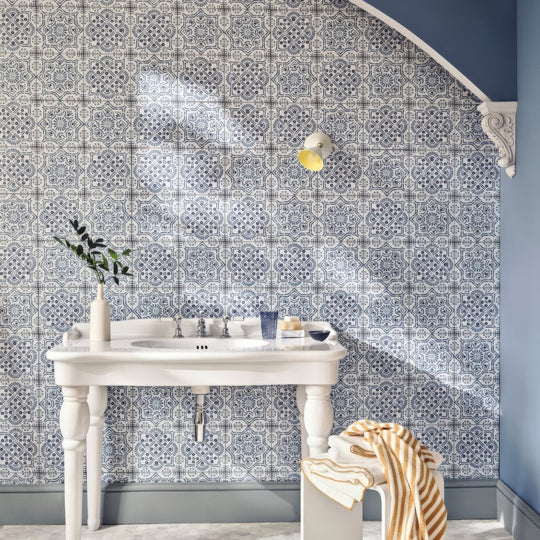
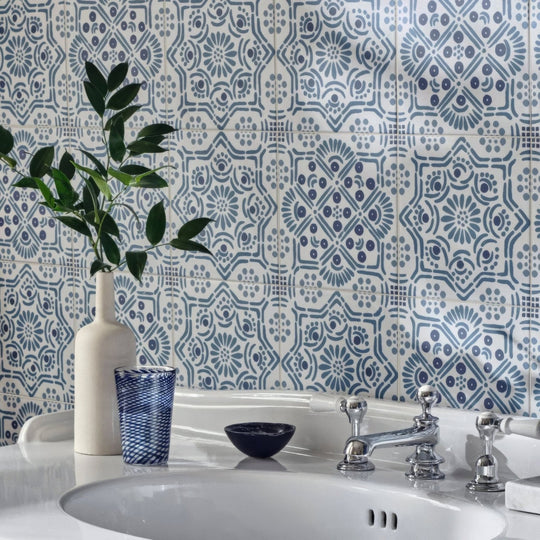
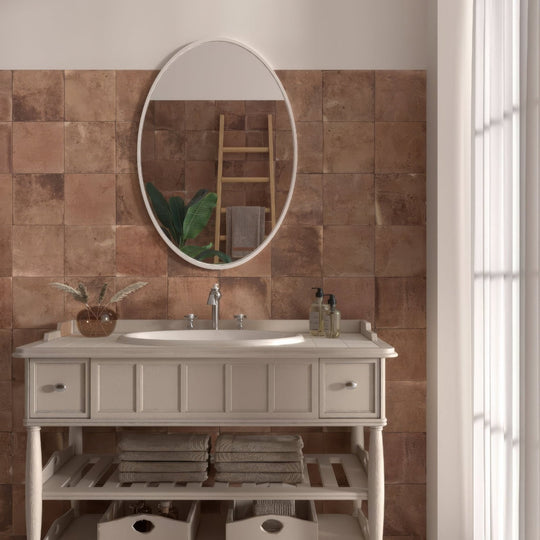
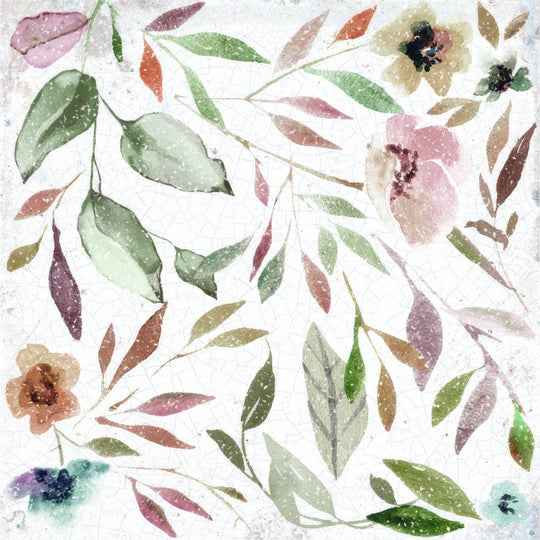
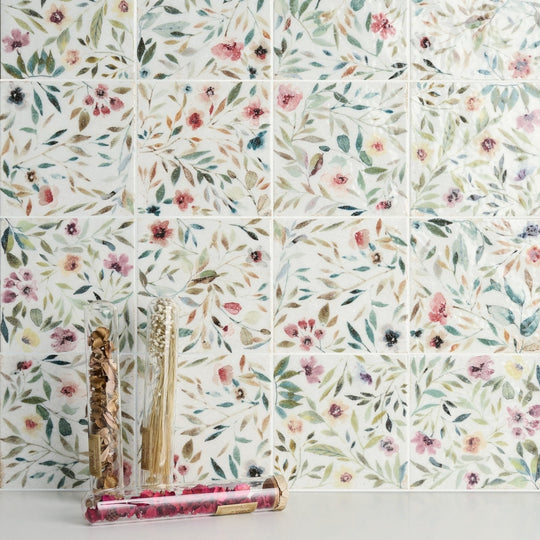
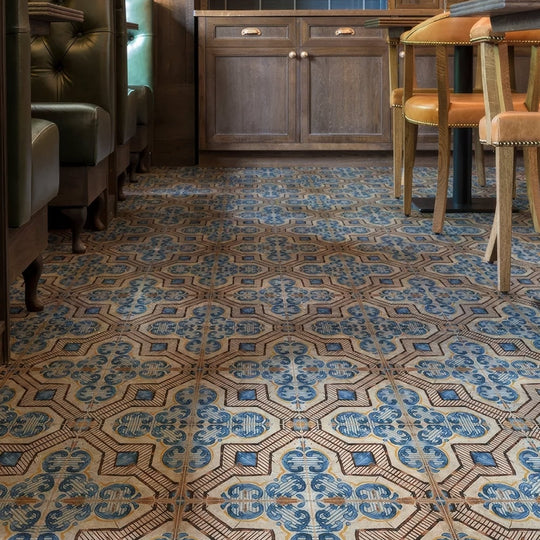
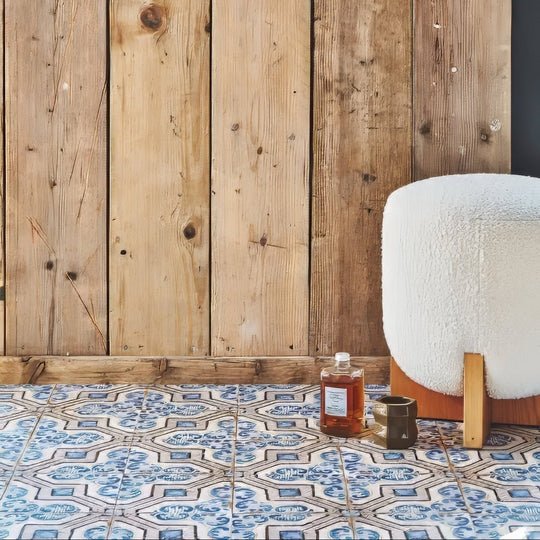
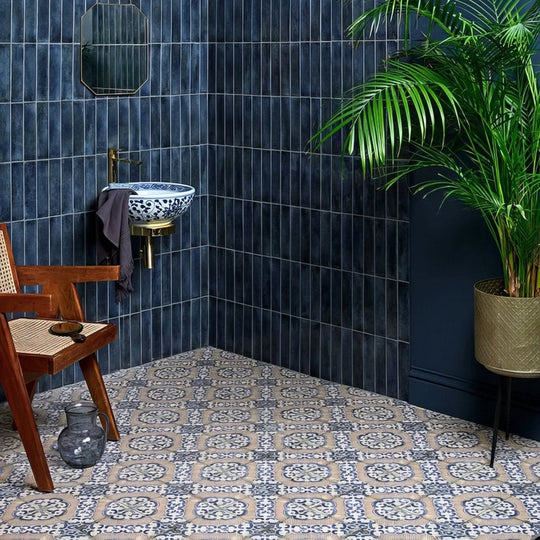
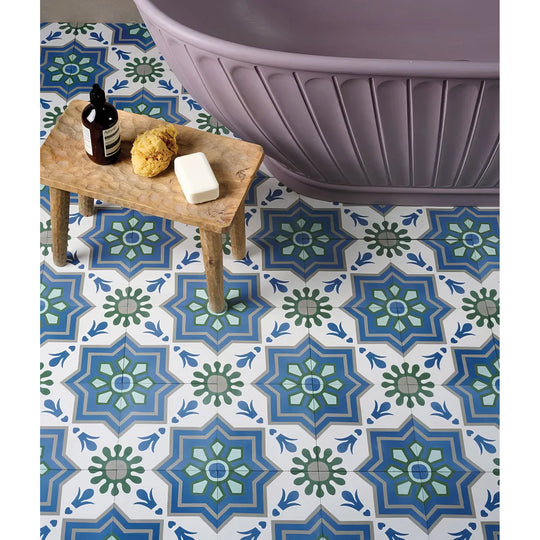
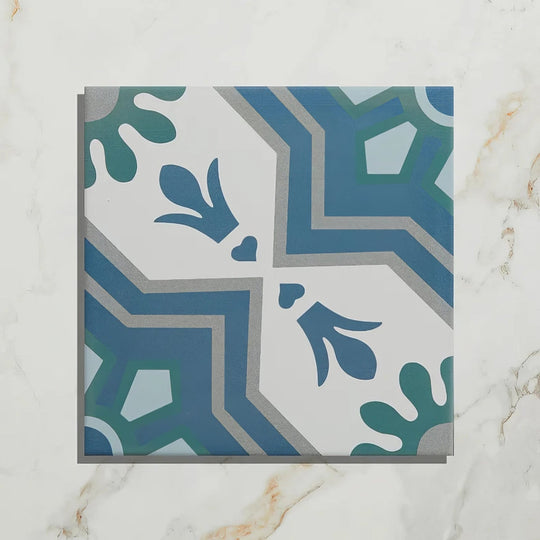
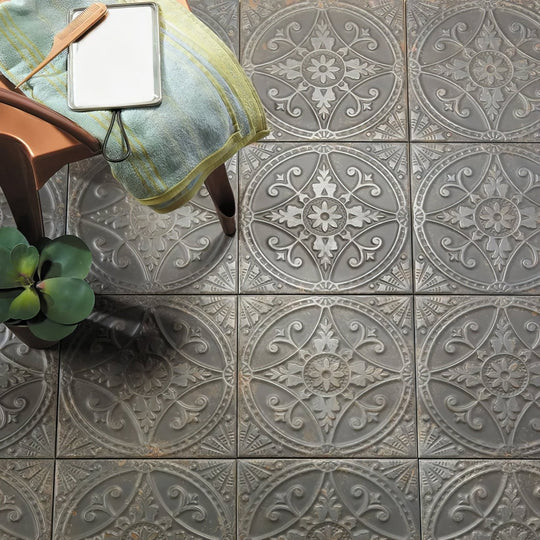
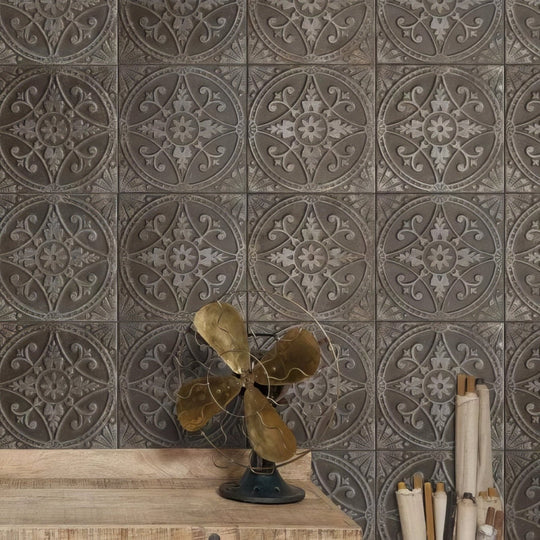
White and warm neutrals remain the backbone of bathroom design, maximising light and providing a calm canvas for brassware and timber. Current schemes lean into texture — zellige-style glazes, ribbed and fluted profiles, crackle finishes and tumbled stone — while patterned tiles, from Victorian-inspired geometrics to painterly florals, work best on floors set against quiet walls. Checkerboard layouts in stone or porcelain are enjoying a full revival, and sage green, earthy terracotta and deep blue continue to grow as accent colours. For the stone look without the upkeep, marble-effect porcelain is the modern shortcut.
Making a Small Bathroom Feel Bigger
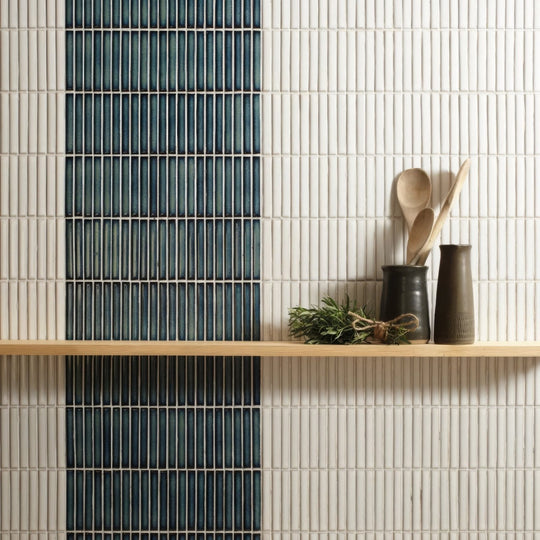
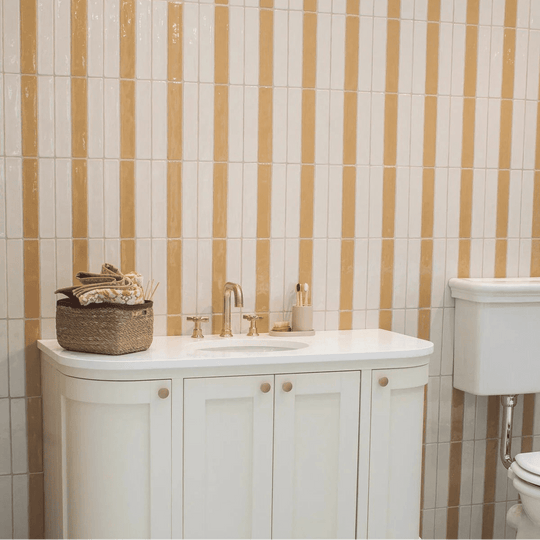
Three moves transform a compact bathroom: run the same tile across the floor and into the shower for one unbroken plane; choose larger formats with a colour-matched grout so joints all but disappear; and stack rectangular tiles vertically to draw the eye upward. Light, reflective finishes, wall-hung fittings and a generous mirror do the rest.
Underfloor Heating and Bathroom Tiles
Tiles and underfloor heating are a natural pair — porcelain, ceramic and stone all conduct and hold warmth efficiently, so the floor heats evenly and stays comfortable underfoot. Use a flexible adhesive and grout rated for heated floors, and bring the system up to temperature gradually after installation to protect the tiling.
How Many Tiles Should You Order?
Measure the area to be tiled, then add at least 10% for cuts, breakages and pattern matching — 15% where the layout is diagonal, herringbone or heavily patterned. Order the full quantity in a single batch so the shade and calibre match across every box, and keep a spare box for future repairs.
Caring for Bathroom Tiles
Porcelain and glazed ceramic need little more than warm water and a pH-neutral cleaner; avoid acidic or abrasive products on natural stone, and reseal stone periodically. Good ventilation is the best defence against mould on grout and sealant, and for showers, epoxy grout is stain-proof and never needs sealing — a worthwhile upgrade in hard-working wet zones.
Free Samples and Showroom Support
Bathroom schemes rely on getting colour and texture exactly right, which is why we offer free cut samples across our bathroom tile collection — view how each tile behaves under your own lighting before you commit. For hands-on inspiration, visit our Ascot showroom, where our team can help you coordinate wall and floor tiles, plan layouts and finalise your design with confidence, and enjoy free UK delivery on orders over £1,000.
For more design ideas and expert advice, explore our Bathroom Tile Insights & Inspiration guide, or browse the full Tile Insights & Inspiration hub.