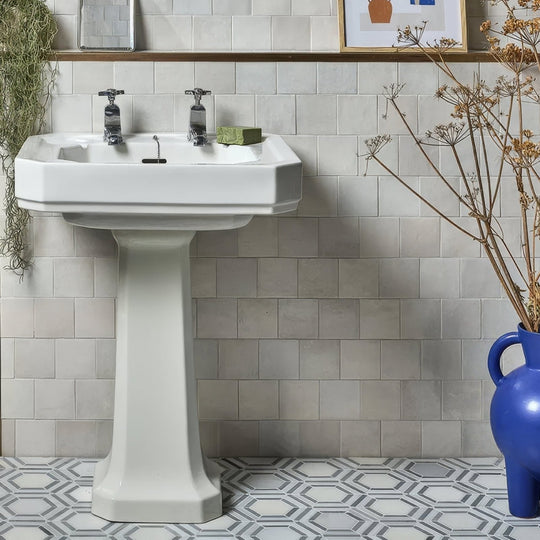
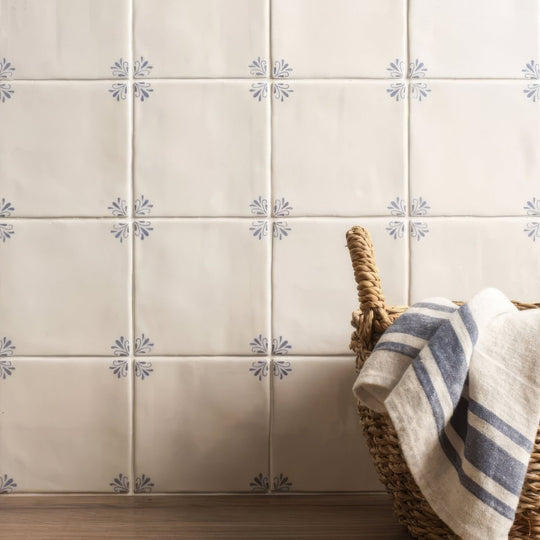
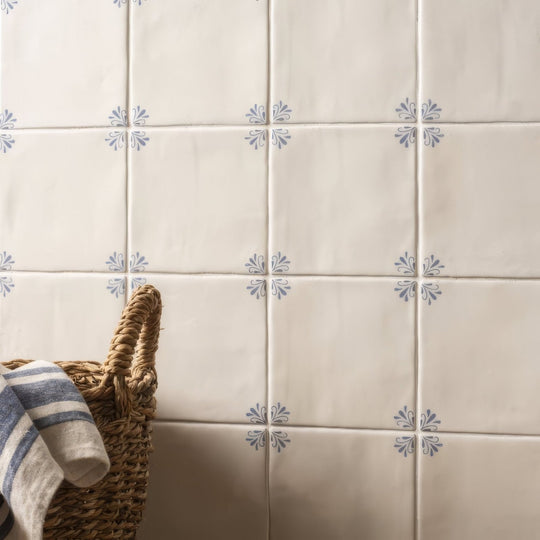
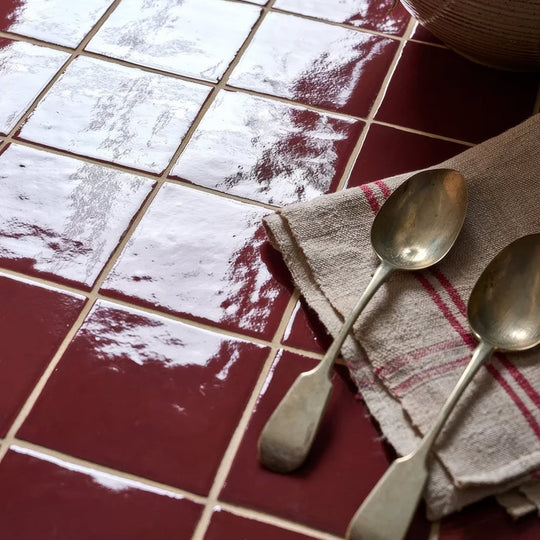
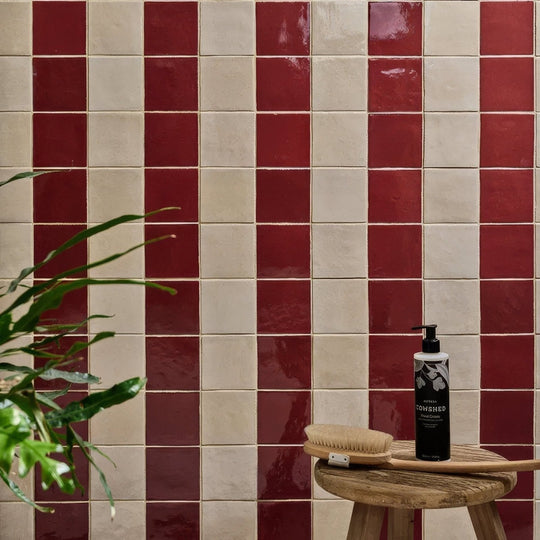
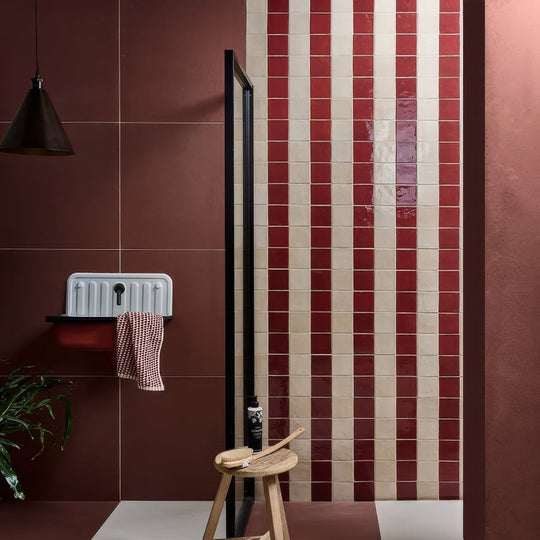
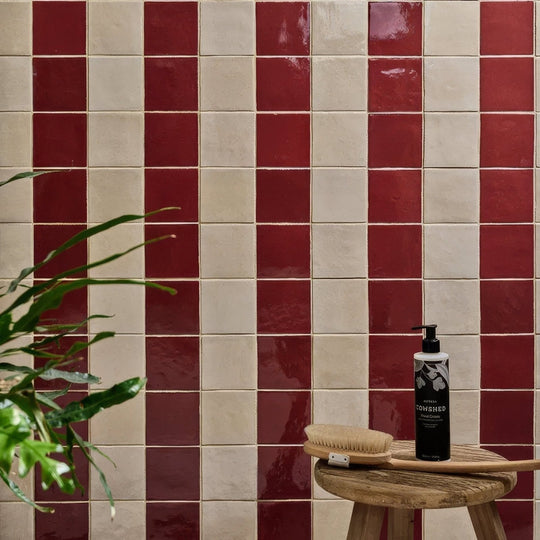
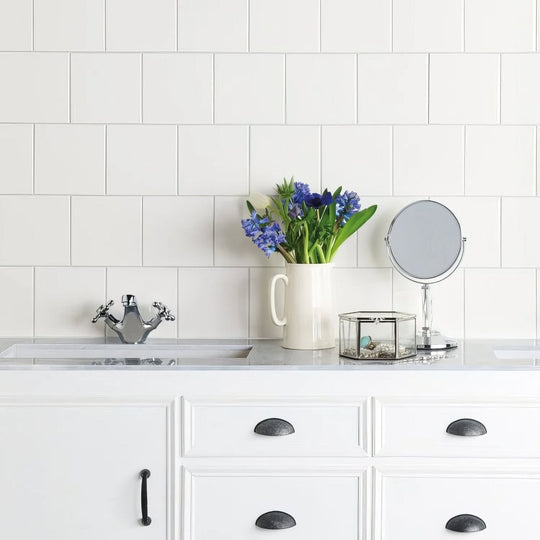
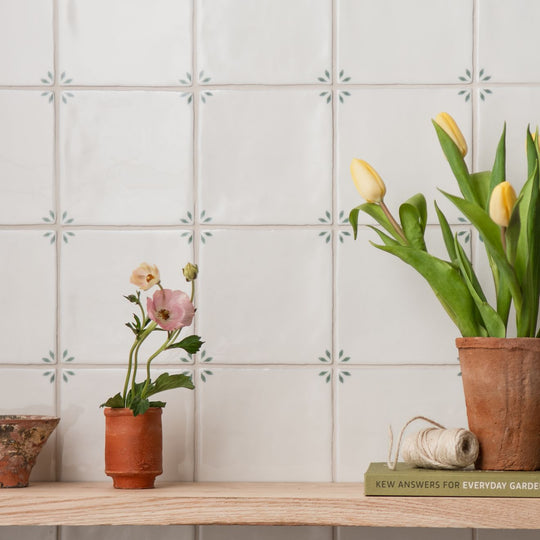
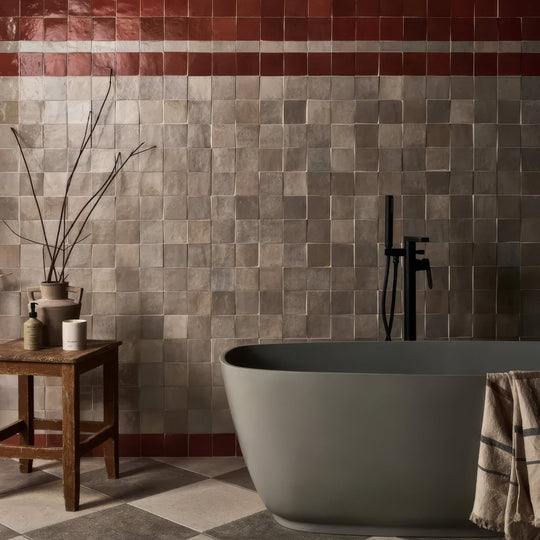
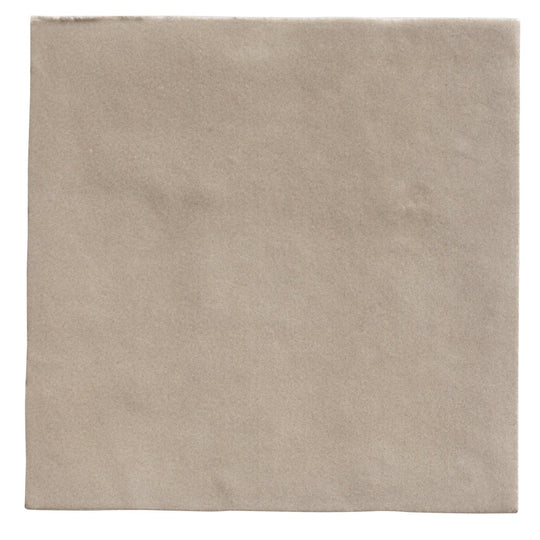
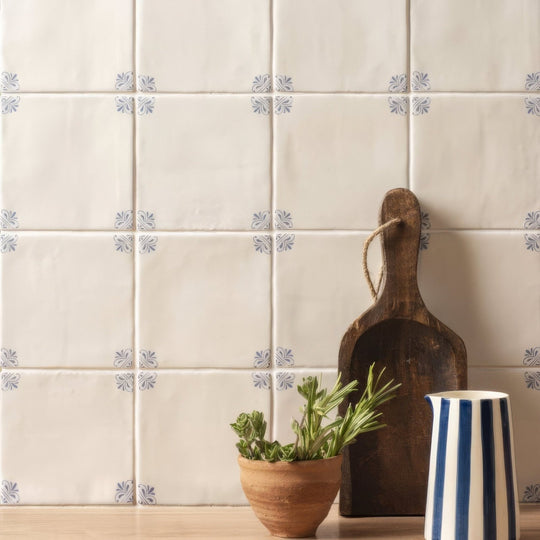
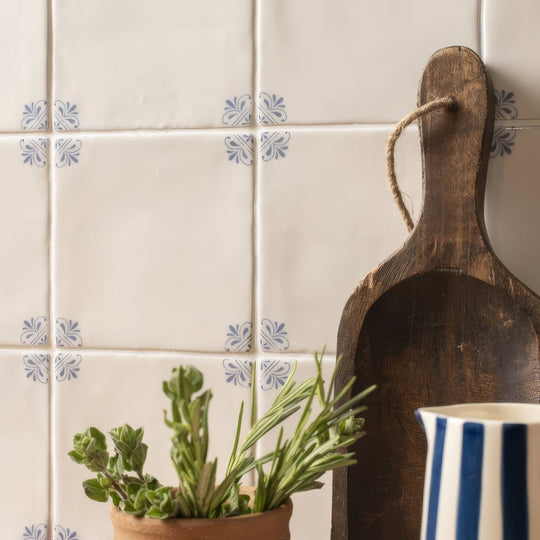
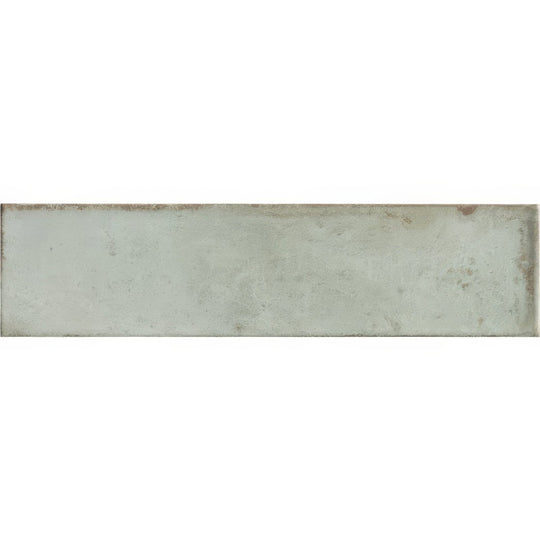
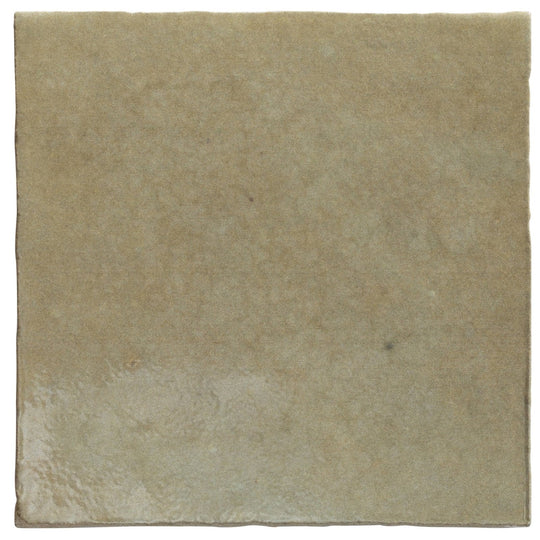
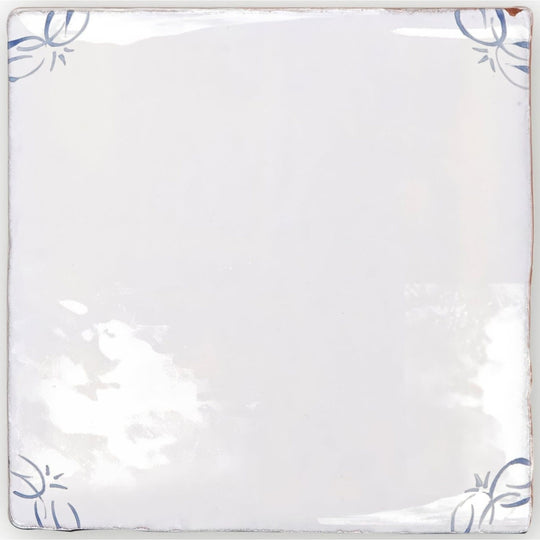
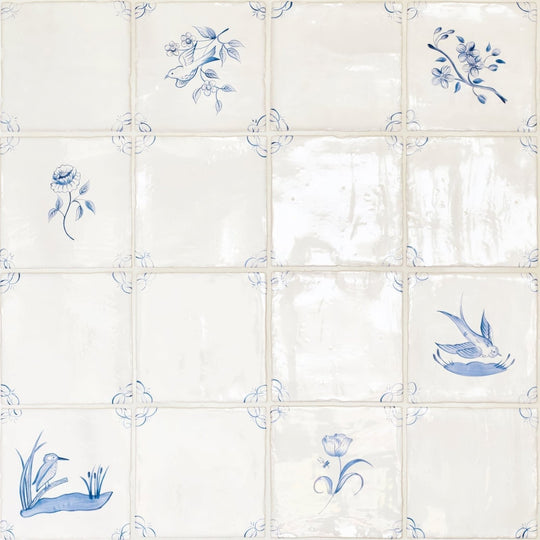
Zayda Grey Matt Vitrified Ceramic floor tiles from a huge range of ceramics stocked by Hyperion Tiles

These perfect floor tiles, Zayda Grey Matt Vitrified Ceramic, combine understated elegance with timeless style, offering a matte grey finish that harmoniously works across modern and traditional interiors. Sized at 450 x 450 mm, their versatile design elevates any room—whether laid in a bathroom, kitchen, or living space—with durability and sleek sophistication

Key points

  • Ceramic floor tiles offer excellent durability and water resistance at a more affordable price point than porcelain alternatives

  • Proper substrate preparation and professional installation are crucial for preventing cracking and ensuring long-term performance

  • Modern ceramic tiles come in realistic wood, stone, and marble effects that provide design flexibility without premium material costs

  • Slip-resistant ceramic tiles with textured finishes are essential for wet areas like bathrooms and kitchens

  • Regular sealing of grout lines and proper maintenance can extend ceramic floor tile lifespan to 15-20 years

Ceramic floor tiling continues to dominate the flooring market for good reason. With over 16 billion square metres produced globally each year, these durable materials represent one of the most practical and cost-effective solutions for busy households. Whether you’re renovating luxurious living rooms or updating high traffic areas, understanding the complete picture of ceramic floor tiles will help you make an informed decision that suits your space, budget, and lifestyle.

Patisserie Hevin floor tiles enhance this bathroom and are stocked by Hyperion Tiles

Infuse your interiors with classic allure using our classic Patisserie Hevin tiles—their timeless pattern and muted palette enhance both traditional and modern decor schemes. Crafted for longevity, their ceramic durable finish ensures they remain a beautiful focal point for years to come

For many homeowners, this involves extensive research into flooring options. So, our comprehensive guide addresses the most common pain points customers face when considering ceramic floor tiling, from installation complexity to long-term maintenance requirements. Our tile and flooring experts can give you everything you need to know to create the perfect floor tiles solution for your home.

Understanding ceramic floor tiles: material properties and benefits

Ceramic floor tiles are manufactured from a carefully balanced mixture of clay, feldspar, and quartz that’s shaped and fired in kilns at temperatures between 1,000-1,100°C. This firing process creates a dense, hard wearing material that forms the foundation for millions of floors worldwide. The huge number of options available today stems from this fundamental manufacturing process—seen in collections such as Fired Earth—which can be adjusted to create different textures, colours, and performance characteristics.

Dark Grey Flat Quarry and Quartz Flat Quarry tiles 148 x 148 x 9mm stocked by Hyperion Tiles

These perfect floor tiles with a matt finish, available in both Quartz and Dark Grey from the Quarry collection, are hard-wearing, low maintenance, and designed to complement any setting—whether it’s a bustling café or a cosy residential kitchen. Their fully vitrified quarry construction ensures they perform beautifully in both commercial and home environments

The water absorption rate of ceramic tiles typically ranges from 3-7%, making them suitable for most indoor applications including kitchens, hallways, and bedrooms. This porosity level strikes an ideal balance - providing enough absorption to ensure proper adhesive bonding during installation while maintaining sufficient water resistance for daily use. Unlike natural stone, ceramic tiles offer consistent quality control throughout production, eliminating the variability that can complicate large installations.

Thermal shock resistance represents another key advantage of ceramic floor tiles. These materials can withstand temperature fluctuations without cracking or losing structural integrity, making them suitable for rooms with underfloor heating systems. The dimensional stability of ceramic tiles means they won’t expand or contract significantly with temperature changes, reducing the risk of grout line failure over time.

From a cost perspective, ceramic tiles typically cost 20-40% less than porcelain equivalents while still delivering excellent performance for most residential applications. Budget ceramics start from £8-15 per square metre, while premium ceramic options with advanced textures and finishes range from £25-45 per square metre. This extensive range ensures options for every price point without compromising on essential performance characteristics.

Environmental benefits add another layer of appeal for eco-conscious homeowners. Ceramic tiles are manufactured from abundant natural materials and can be recycled at the end of their lifespan. Modern kilns operate with improved energy efficiency, and the production process generates minimal volatile organic compounds (VOCs), contributing to healthier indoor air quality.

Ceramic vs porcelain floor tiles: making the right choice

Levante Ceramic Matt from the diverse collection called Portare stocked by Hyperion Tiles

Patterned tiles like these bring effortless character to a busy family hub. The classic charm of our Portare Levante Ceramic Matt —paired with its durable, matt finish—makes it ideal for high-traffic living areas and family rooms, where it will enhance the space with both resilience and enduring style

The density difference between ceramic and porcelain floor tiles significantly impacts their performance and cost. Ceramic tiles typically have a density of 2.0-2.3 g/cm³, while porcelain tiles range from 2.3-2.5 g/cm³. This higher density in porcelain results from firing at higher temperatures, creating a more compact tile body with superior strength characteristics.

Water absorption rates provide the most practical way to distinguish between these options. Ceramic tiles absorb 3-7% of their weight in water, while porcelain tiles absorb less than 0.5%. For wet areas like bathrooms and utility rooms, this difference becomes crucial. However, for most interior applications, the water resistance of ceramic tiles proves more than adequate, especially when combined with proper waterproofing techniques.

Feature

Ceramic Floor Tiles

Porcelain Floor Tiles

Density

2.0-2.3 g/cm³

2.3-2.5 g/cm³

Water Absorption

3-7%

<0.5%

Cost

£8-45/m²

£15-80/m²

Installation

Moderate complexity

High complexity

Maintenance

Moderate

Low

Durability expectations differ based on Porcelain Enamel Institute (PEI) ratings. Ceramic tiles typically achieve PEI ratings of 3-4, indicating suitability for moderate to heavy residential traffic. PEI 3 tiles work well in bedrooms and spaces with normal foot traffic, while PEI 4 tiles suit high traffic areas like hallways and kitchens. Porcelain tiles often achieve PEI 5 ratings, making them suitable for commercial applications. Simply check with our team at Hyperion Tiles before you buy.

Installation requirements vary between ceramic and porcelain options. Ceramic tiles are more forgiving during installation due to their softer composition, making them easier to cut and adjust. Porcelain tiles require diamond-tipped tools and more precise handling, often increasing installation costs by £5-10 per square metre. The substrate preparation requirements remain similar, but porcelain’s lower water absorption means adhesive selection becomes more critical.

Long-term maintenance and replacement cost analysis favours ceramic tiles for many homeowners. While porcelain tiles may last longer in extreme conditions, the cost difference often means ceramic tiles provide better value over their 15-20 year lifespan. Replacement costs for ceramic tiles remain manageable, and matching tiles for repairs is typically easier due to the huge range of ceramic options available.

Room-specific applications and performance considerations

Portare Canero Ceramic Matt floor tiles stocked by Hyperion Tiles

These beautifully patterned Portare Canero tiles bring a touch of elegance and artistry to any kitchen space. Their intricate design can help enhance busy culinary zones, while the durable matt ceramic finish stands up well to daily traffic and spills. A practical and stylish choice, they add depth and charm that’s both functional and visually appealing

Kitchen installations demand ceramic floor tiles that can withstand grease, thermal shock, and frequent cleaning. The combination of cooking heat, spilled liquids, and regular foot traffic creates challenging conditions that ceramic tiles handle well. In addition to flooring, kitchen wall tiles offer both practical and decorative benefits, making them essential for a well-designed cooking space. Look for tiles with matt or textured finishes that provide better slip resistance and hide minor scratches from dropped utensils.

Bathroom applications require careful attention to slip resistance ratings and moisture management. Ceramic tiles rated R10-R13 for slip resistance provide essential safety in wet areas. Unglazed ceramic tiles often perform better than highly polished alternatives in shower areas and around bathtubs. The key lies in combining slip-resistant ceramic tiles with proper waterproofing membranes and well-sealed grout lines.

Patisserie Sucre 1 patterned floor tiles stocked by Hyperion Tiles

A delightful nod to French patisserie charm, our Patisserie Sucre 1 brings whimsical pastel hues and delicate patterned perfection to any space. Showcased here in this bathroom, its elegant design effortlessly transforms floors into a statement design

Hallway and entryway durability requirements focus on withstanding heavy foot traffic and potential impact damage. These high traffic areas benefit from ceramic tiles with PEI 4 ratings and darker colours that hide dirt between cleaning sessions. Larger format tiles reduce grout lines, creating a sleeker appearance while minimising maintenance in these busy zones.

Basement installations present unique challenges including potential moisture issues and thermal bridging concerns. Ceramic tiles work well in basements however, when installed over proper moisture barriers and insulation systems. The thermal conductivity of ceramic tiles can create cold floors, but this can be addressed with underfloor heating systems that work efficiently with ceramic materials.

Outdoor covered areas like porches and conservatories require careful consideration of freeze-thaw cycle resistance. Standard ceramic tiles may crack if water penetrates and freezes repeatedly. For these applications, choose ceramic tiles specifically rated for freeze-thaw resistance or consider porcelain alternatives for better long-term performance.

Design options and aesthetic flexibility

Portare Orleans Ceramic matt hard wearing floor tiles stocked by Hyperion Tiles

With an understated matt finish and timeless simplicity, Our Portare Orleans ceramic floor tiles offer a clean, refined surface that complements contemporary and classic interiors in equal measure. The smooth ceramic texture blends seamlessly into stylistic palettes

Current market trends show large format ceramic tiles (600x600mm and 800x800mm) are growing rapidly in popularity. These sizes create a more contemporary look with fewer grout lines, making spaces appear larger and more sophisticated. However, larger tiles require more precise substrate preparation and skilled installation to prevent lippage issues.

Wood-look ceramics have revolutionised the flooring industry by providing realistic grain patterns and beveled edges that closely mimic natural timber. Advanced digital printing technology allows manufacturers to create convincing plank designs in various styles, from rustic barn wood to sleek contemporary finishes. These options provide the warmth and style of wood flooring without the maintenance hassles in wet areas.

marble effects offer luxury aesthetics at accessible price points. Modern ceramic tiles convincingly replicate Carrara marble, travertine, and natural slate appearances while providing consistent quality and easier maintenance. These designs work particularly well in bathrooms and luxurious living rooms where natural stone would be prohibitively expensive or impractical.

Blenheim Blue, Brown Buff, Red * White with Livingstone Blue on Buff floor tiles stocked by Hyperion Tiles

These richly vibrant tiles - Blenheim Blue, Brown , Buff, Red and White combine a palette of colours with a blue accent (Livingstone Blue) delivering an artisanal mosaic canvas. This is the perfect way to infuse rooms in your home with warmth and artistic flair as you can see in this hallway

Colour psychology plays a crucial role in tile selection, with warm tones like terracotta, cream, and brown creating cosy, inviting spaces, while cool tones like grey, blue, and green promote calm, contemporary atmospheres. Light colours reflect more light and make small rooms appear larger, while darker tones hide dirt but can make spaces feel smaller without adequate lighting. For a wide range of vibrant Colour tiles, explore our collection.

Pattern possibilities with ceramic tiles include classic herringbone, modern chevron, and offset layouts that add visual interest without requiring premium materials. These patterns work particularly well with plank-style ceramic tiles that mimic wood or stone. The key is balancing pattern complexity with room size and furniture placement to create harmonious designs.

Professional installation requirements and best practices

Substrate preparation forms the foundation of successful ceramic floor tiling installations. Moisture testing ensures substrates contain less than 3% moisture content before proceeding with installation. Levelness requirements specify maximum variations of 3mm over 3 meters to prevent tile cracking and ensure proper adhesive contact across the entire tile surface.

Portare Spitalfields Ceramic Retro Star Black floor tiles stocked by Hyperion Tiles

Make a bold statement with our Portare Spitalfields Retro Star Black tiles where striking geometric star motifs appear across a pale distressed style backdrop. Perfect for retro-infused personality in any room, this creates vintage-inspired focal walls or dramatic floors

Adhesive selection depends on the specific application and tile type. Cement-based adhesives work well for most ceramic floor tile installations on stable substrates, while epoxy-based adhesives provide superior bond strength in challenging conditions or when installing over existing tiles. The adhesive must be applied with appropriate notched trowels to ensure consistent coverage and prevent hollow spots.

Expansion joint placement becomes critical in larger floor tile installations to accommodate building movement and thermal expansion. Install expansion joints every 8-10 meters and at all doorway transitions to prevent stress cracking. These joints must be filled with flexible sealants rather than rigid grout to maintain their movement capacity.

Grout selection impacts both appearance and long-term performance. Cement-based grouts offer good performance and lower cost for most applications, while epoxy grouts provide superior stain resistance and durability in high-use areas. Epoxy grouts require more skill to install properly but offer significant advantages in busy households and wet areas.

Quality control measures during installation include checking for lippage tolerance. Proper spacing using tile spacers ensures consistent grout lines, while regular checking with straight edges identifies potential problems before they become permanent. You'll find professional installers use laser levels and chalk lines to maintain alignment throughout large installations.

Common installation mistakes and how to avoid them

Inadequate substrate preparation is renowned as the leading cause of ceramic tile failures within 2-3 years of installation. Rushing this phase to save time or money often results in cracked tiles, failed grout lines, and expensive repairs. So, always allow concrete substrates to cure fully and address any structural movement issues before beginning tile installation.

Incorrect adhesive coverage causes hollow spots that concentrate stress and lead to eventual tile failure. The adhesive must contact both the tile back and substrate across at least 85% of the tile surface. Using the wrong trowel size or failing to back-butter large tiles commonly causes this problem. Professional installers regularly check adhesive transfer to ensure proper coverage.

Poor waterproofing in wet areas results in structural damage that extends far beyond the tile installation. Bathrooms and shower areas require proper waterproof membranes installed according to manufacturer specifications. This includes extending membranes up walls and ensuring proper integration with drainage systems and wall penetrations.

Improper expansion joint placement causes stress cracking that can affect entire installations. Building codes specify expansion joint requirements, but these are often overlooked in smaller projects. The cost of properly placed expansion joints is minimal compared to the expense of repairing stress cracks throughout an installation.

Rushed installation without proper curing time affects long-term adhesion and grout performance. Adhesives require specific curing periods before grouting, and grout needs adequate curing before heavy use. High humidity or low temperatures extend these periods, and failing to accommodate these factors compromises installation quality.

Maintenance and longevity: maximising your investment

Daily cleaning protocols significantly impact the lifespan and appearance of ceramic floor tiles. pH-neutral cleaners preserve grout integrity and tile surface finish, while acidic products can etch surfaces and degrade grout over time. Simple warm water with a small amount of neutral floor cleaner handles routine maintenance effectively without causing long-term damage.

Annual grout sealing requirements become essential for maintaining water resistance and preventing stain penetration. High-quality penetrating sealants protect grout lines from moisture and dirt while allowing them to breathe properly. Areas like bathrooms and kitchens may require more frequent sealing every 6-12 months depending on usage patterns.
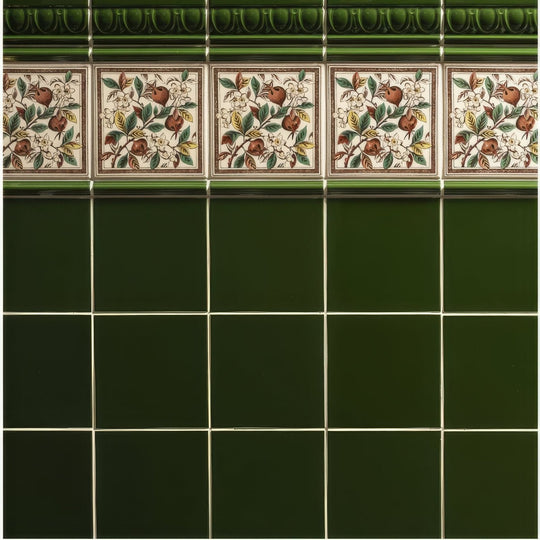
Portare Spitalfields Retro Star Blue floor tiles stocked by Hyperion Tiles

Echoing mid-Century charm and another colour way form the Portare Spitalfields Retro Star collection, this blue pattern adds a playful, yet refined character to kitchens, bathrooms and living rooms as you can see here 

Stain removal techniques for common household spills focus on immediate response and appropriate cleaning methods. Oil-based stains respond well to alkaline cleaners, while organic stains may require hydrogen peroxide treatments. The key lies in addressing spills quickly before they can penetrate grout lines or textured tile surfaces.

Professional deep cleaning every 12-18 months removes accumulated dirt and restores the original appearance of ceramic installations. Professional services have access to specialised equipment and cleaning solutions that remove embedded dirt without damaging tile or grout surfaces. This investment extends the lifespan and maintains the appearance of ceramic floor tiles significantly.

Repair procedures for cracked or damaged individual tiles can often be completed without full replacement. Professional repair technicians can remove single tiles and replace them with minimal disruption to surrounding areas. Keeping spare tiles from the original installation makes these repairs nearly invisible when completed properly.

Cost analysis and budget planning

Material costs for ceramic floor tiles vary significantly based on quality, size, and design complexity. So, here's a rough idea of the sorts of costs involved. Budget ceramic options start from £8-15 per square metre and provide solid performance for basic applications. Mid-range ceramics priced £15-25 per square metre offer improved aesthetics and durability, while premium ceramics ranging £25-45 per square metre provide advanced textures and realistic natural material effects.

Installation labour costs typically range £20-35 per square metre depending on project complexity, tile size, and substrate conditions. Complex patterns, multiple room installations, and challenging substrates increase labor costs. However, proper professional installation remains crucial for achieving the full lifespan potential of ceramic floor tiles.

Additional materials including adhesives, grout, trim pieces, and underlayments typically add 15-20% to the total tile cost. Waterproofing membranes for wet areas, expansion joint materials, and specialised tools for complex installations can increase this percentage. Planning for these additional costs prevents budget overruns during project execution.

Long-term value comparison shows ceramic tiles competing favourably against laminate, vinyl, and hardwood alternatives. While initial installation costs may be higher than some alternatives, the 15-20 year lifespan and low maintenance requirements of ceramic tiles often provide better total cost of ownership. Factor in the hassle-free nature of ceramic maintenance when comparing options.

Return on investment considerations for property value enhancement typically show 70-80% return for quality ceramic tile installations. Bathrooms and kitchens with attractive, well-installed ceramic tiles appeal to potential buyers and can justify premium pricing. The practical benefits and contemporary appearance of ceramic tiles enhance property marketability significantly.

Troubleshooting common ceramic floor tile issues

Cracking diagnosis requires distinguishing between substrate movement and thermal expansion problems. Hairline cracks running in straight lines often indicate substrate issues, while random cracking patterns may suggest thermal stress or impact damage. Professional assessment can determine whether repairs require substrate work or simple tile replacement.

Grout discolouration causes include inadequate sealing, improper cleaning products, and water penetration from above or below. Professional restoration options include grout cleaning, recolouring, or complete grout replacement in severe cases. Prevention through proper sealing and appropriate cleaning products remains more cost-effective than restoration procedures.

Hollow tile identification uses tap testing with a coin or small hammer to locate areas where tiles have lost adhesive contact. These tiles produce a different sound compared to properly bonded tiles. Early identification and repair prevent water penetration and further damage to surrounding tiles and substrates.

Efflorescence appears as white, chalky deposits on tile surfaces and grout lines caused by water-soluble salts migrating through the installation. Prevention requires proper moisture control and substrate preparation, while removal typically involves specialised cleaning solutions. Persistent efflorescence may indicate ongoing moisture problems requiring professional investigation.

Edge chipping repair and protective measures become important in high traffic areas where furniture and appliances may contact tile edges. Professional repair services can fill chips with colour-matched compounds, while preventive measures include furniture pads and careful placement of heavy appliances. Choosing tiles with slightly beveled edges reduces chipping susceptibility.

The diverse collection of ceramic floor tile options available today ensures suitable solutions for virtually any application and budget. From rustic terracotta styles that complement traditional interiors to sleek contemporary designs that enhance modern living spaces, ceramic tiles deliver the perfect balance of practicality and style. Whether you’re updating a single room or completing a whole-house renovation, understanding these expert insights will help you make informed decisions that deliver lasting satisfaction and value.

Professional installation remains the key to maximising your ceramic floor tile investment. While the extensive range of available options might seem overwhelming, working with experienced tile specialists ensures proper selection, installation, and long-term performance. The security of knowing your floors will maintain their beauty and functionality for decades makes ceramic floor tiling an ideal choice for discerning homeowners.