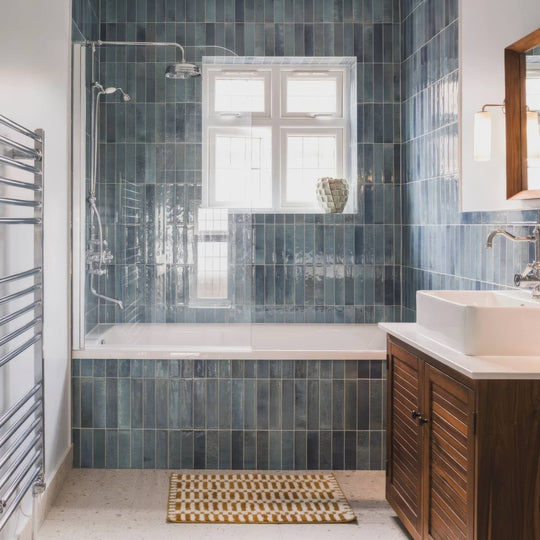
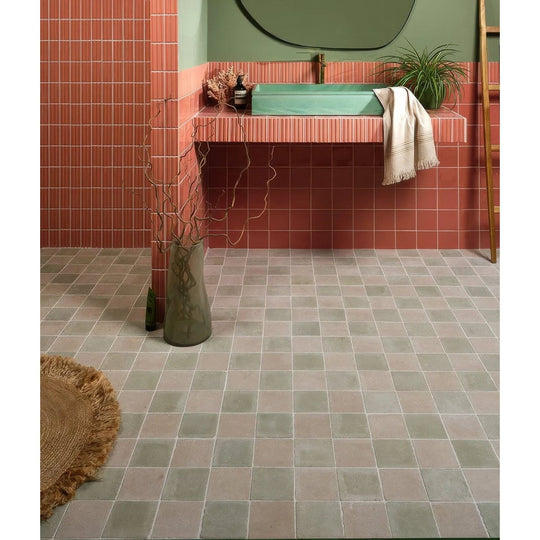
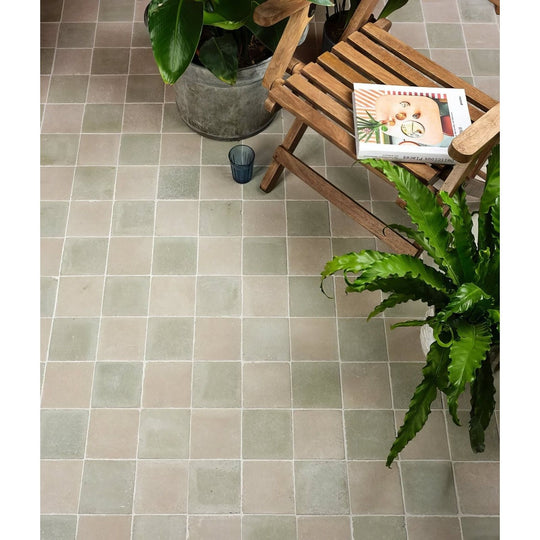
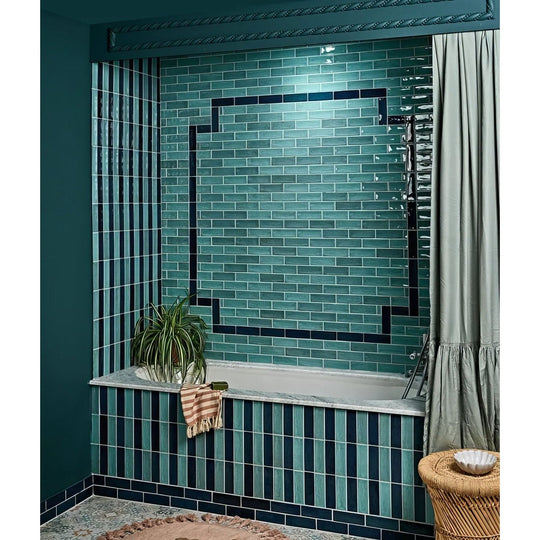
Brick Floor Tiles – Rustic Character Meets Enduring Performance
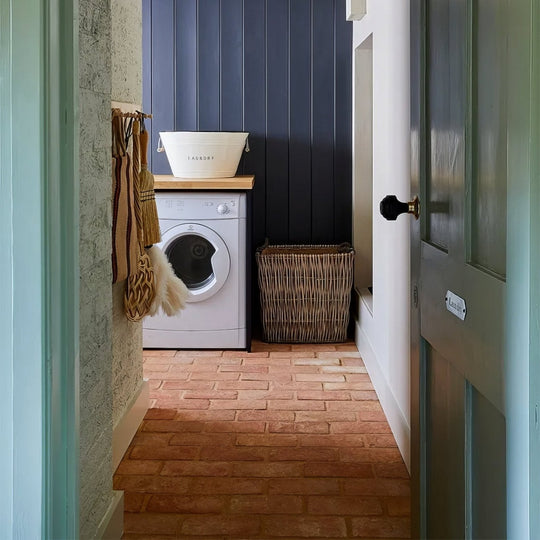
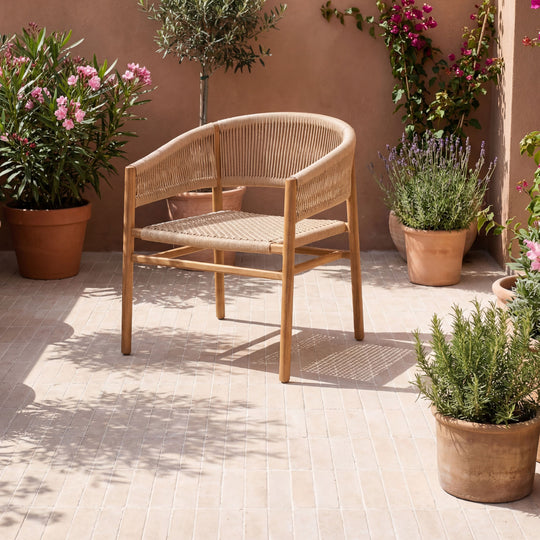
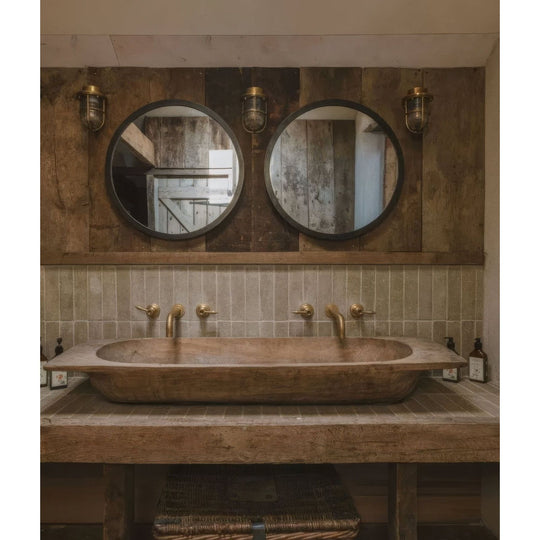
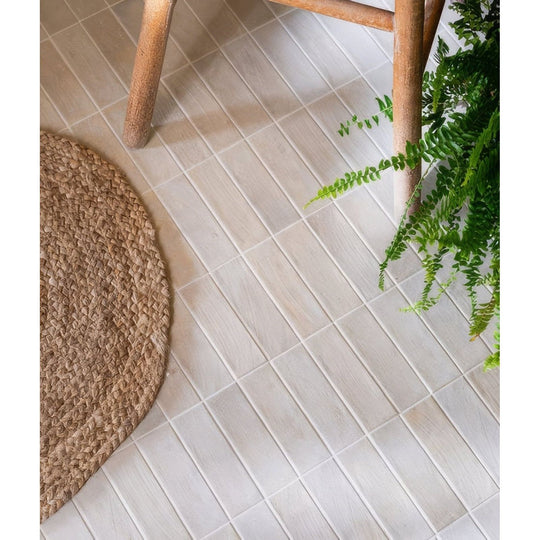
At Hyperion Tiles, we are proud to offer a distinctive selection of brick floor tiles that combine rustic beauty with lasting performance. Whether you're looking to bring warmth to a country-style kitchen, character to a period property, or a tactile charm to a modern interior, brick-effect flooring delivers on every level. With their natural, aged appearance and textured surface, these tiles help you create inviting spaces full of personality and depth. They are ideal for both residential and commercial projects, offering the perfect blend of traditional style and modern functionality.
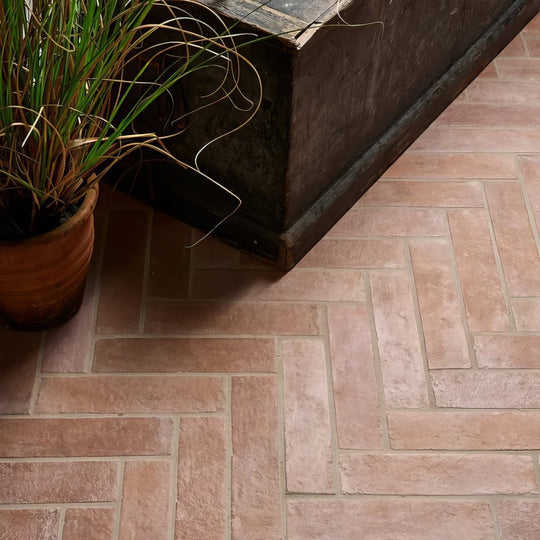
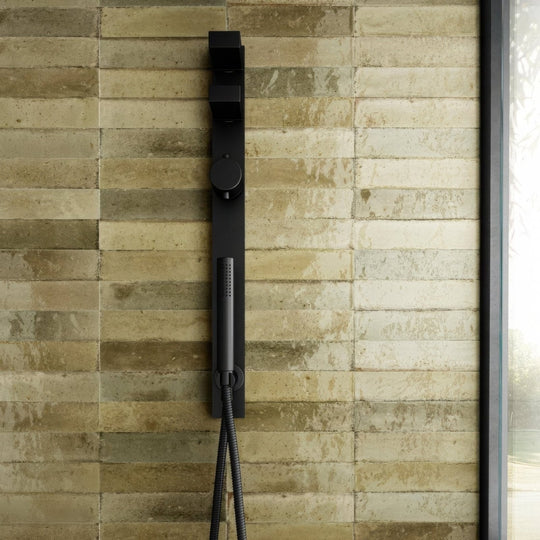
The unique character of brick flooring lies in its rich colour variations, irregular textures, and ability to bring a sense of authenticity to any setting. Unlike real brick, which can be porous and challenging to maintain, our brick-effect tiles are crafted from porcelain or ceramic, offering all the charm of original brick with the durability and ease of tile. This means you can enjoy the timeless look of brick in kitchens, hallways, conservatories, and even bathrooms, without having to worry about stains, moisture, or daily wear. It’s a flooring solution that offers lasting appeal, easy care, and versatility across a wide range of spaces.
A Stylish and Practical Choice
Brick floor tiles are far more than a design statement. They are also a highly practical choice for any busy household. Thanks to their textured surfaces, they offer excellent grip underfoot, which makes them ideal for high-traffic areas such as entrances, boot rooms, and utility spaces. The natural variation in tone and patterning helps disguise everyday dust and marks, while their tough finish withstands knocks, scratches, and heavy use. Whether you have pets, children, or simply lead a busy lifestyle, these tiles provide a surface that is easy to live with and even easier to maintain.
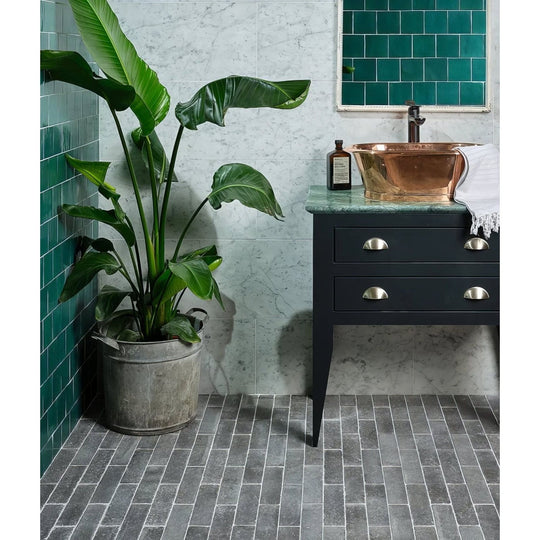
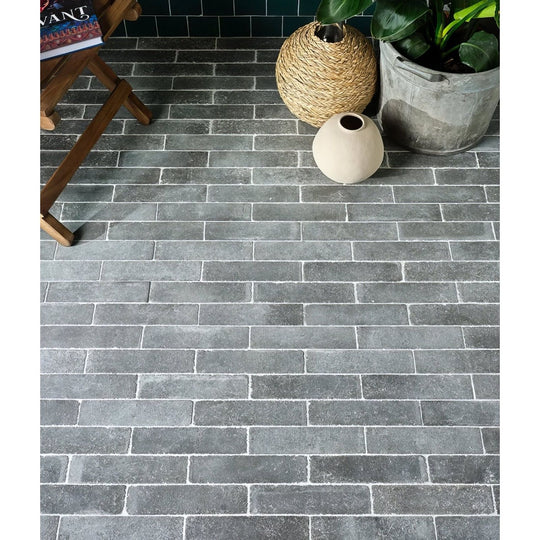
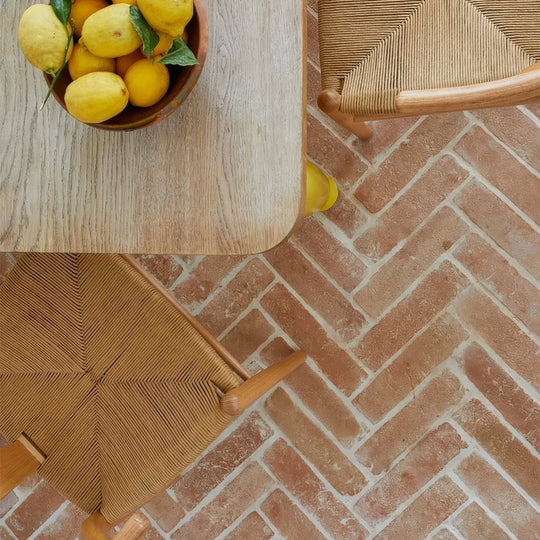
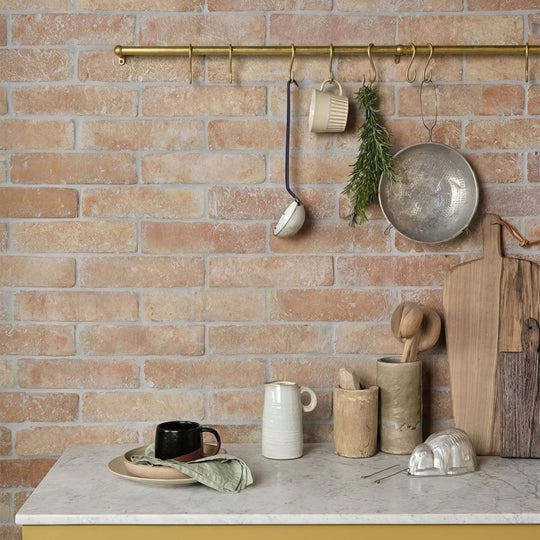
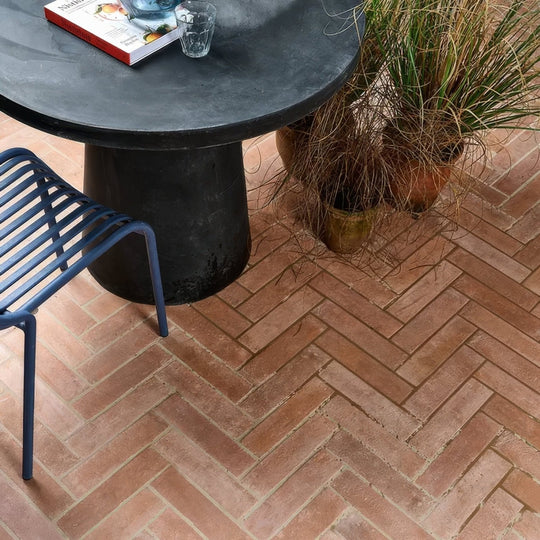
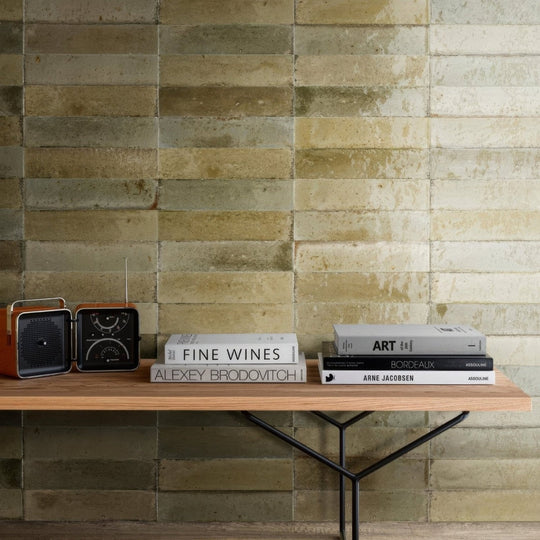
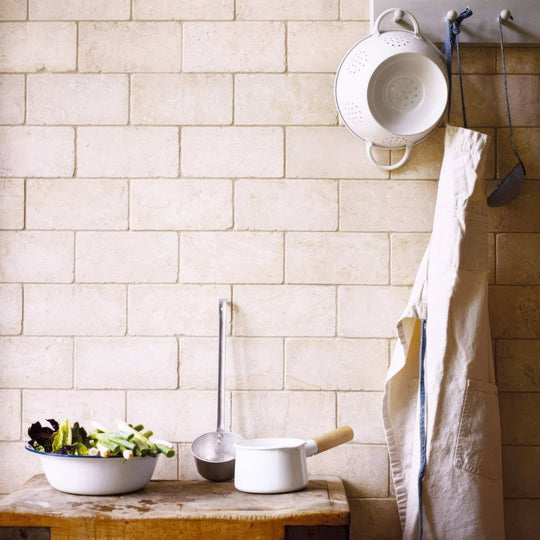
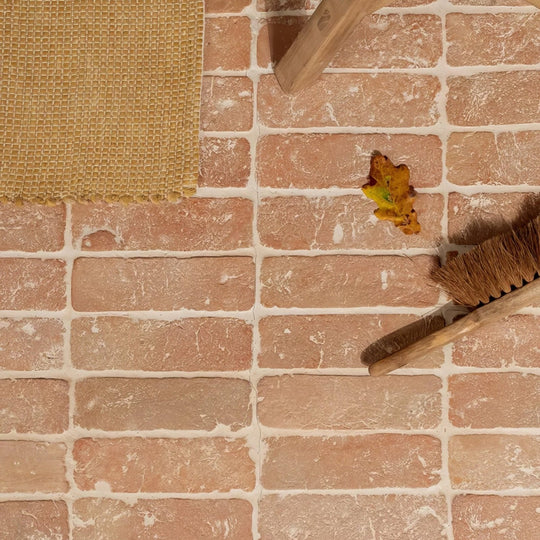
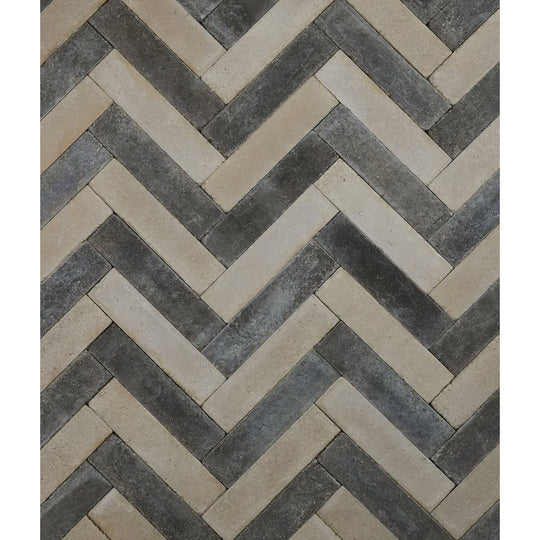
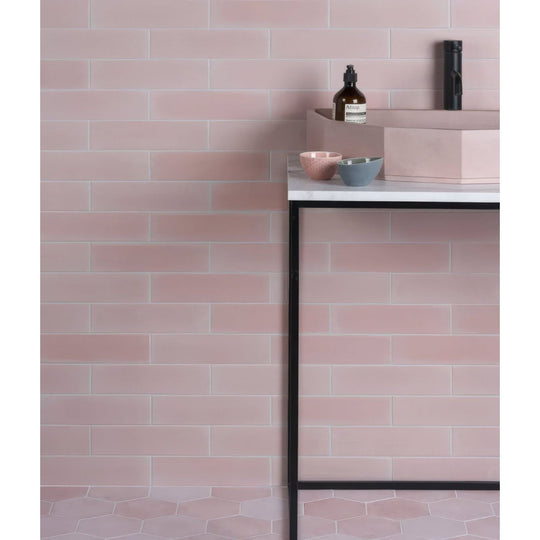
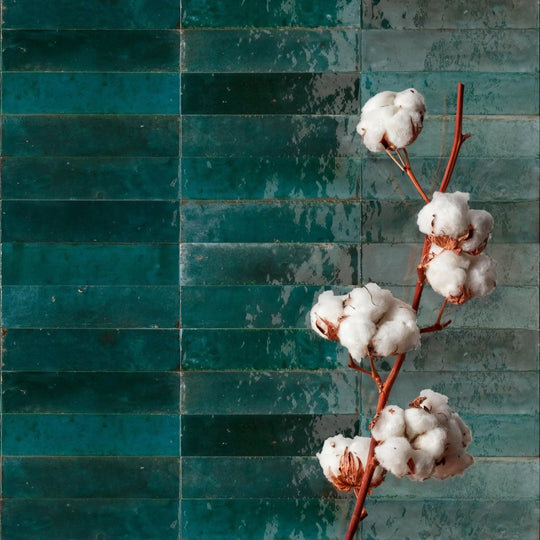
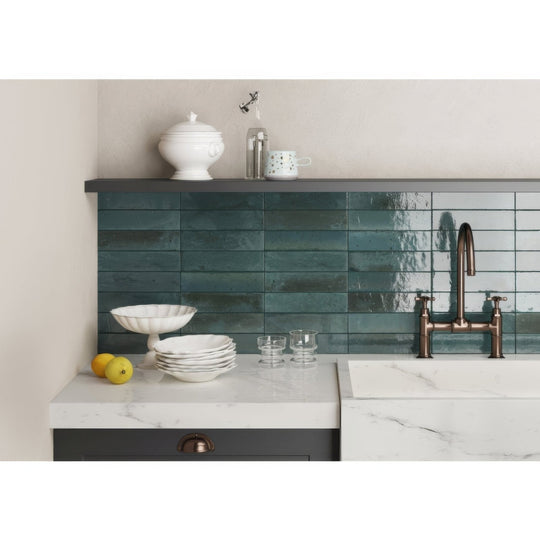
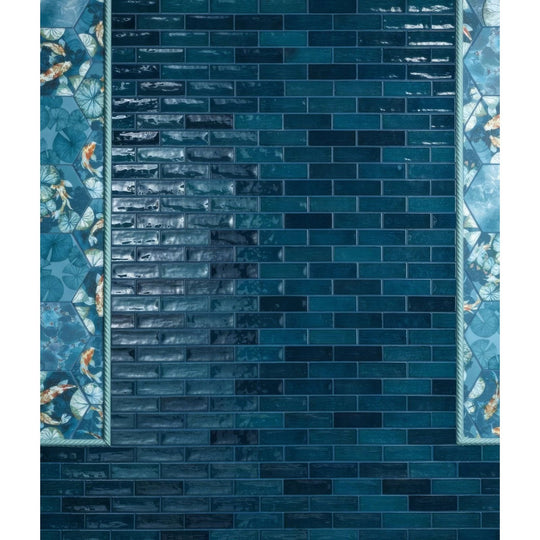
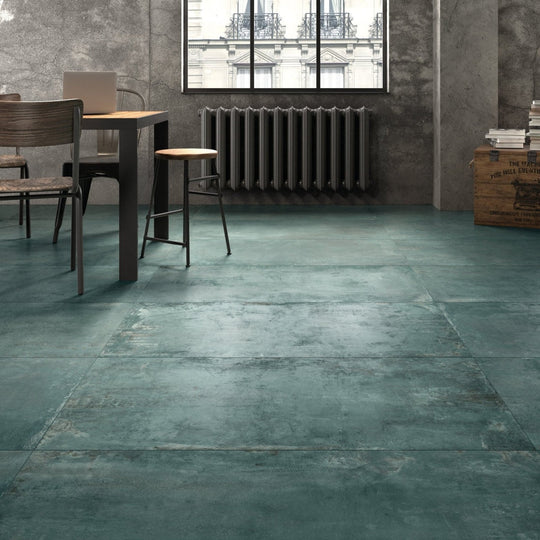
One of the great strengths of brick-effect tiles is their adaptability. They work beautifully in both old and new homes, pairing effortlessly with timber, metal, natural stone, and other common materials found in interiors. Whether you're aiming for a traditional farmhouse look, a chic industrial vibe, or something more eclectic, brick tiles add an earthy, grounded quality that feels both inviting and stylish. Their rich tones—ranging from classic reds and burnt oranges to soft greys and off-whites—can be used to complement a wide range of colour schemes and decorative finishes.
Designed for Everyday Living
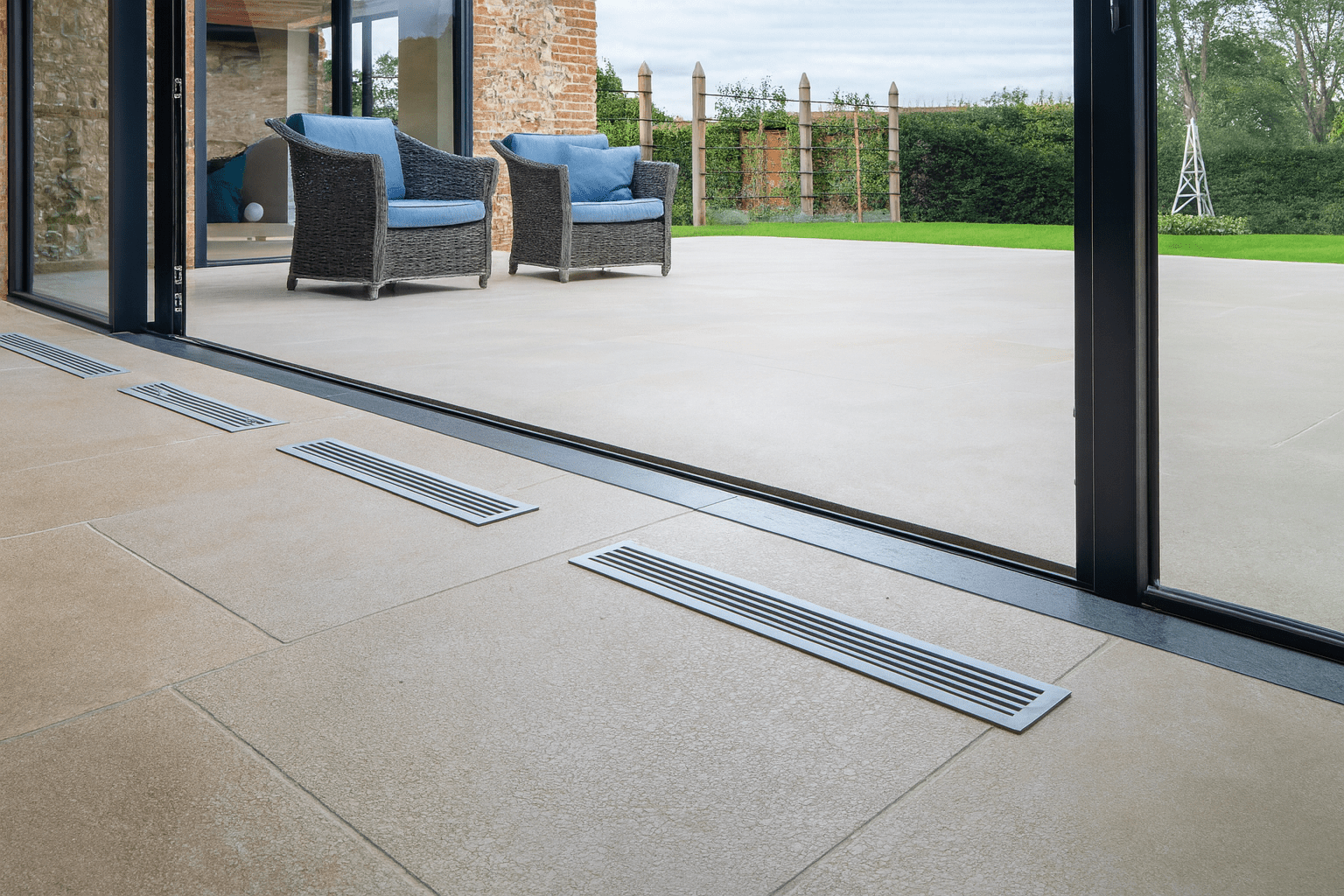
At Hyperion Tiles, our brick floor tiles are selected not only for their appearance but also for their everyday practicality. Most of the tiles in this collection are made from porcelain, a hardwearing and non-porous material that is perfect for floors. It resists moisture, stains, and temperature changes, making it a sensible option for rooms where performance matters just as much as style. Because porcelain doesn’t absorb water, it is particularly well suited to areas like kitchens, bathrooms, and even some outdoor spaces, depending on the tile’s slip rating and finish.
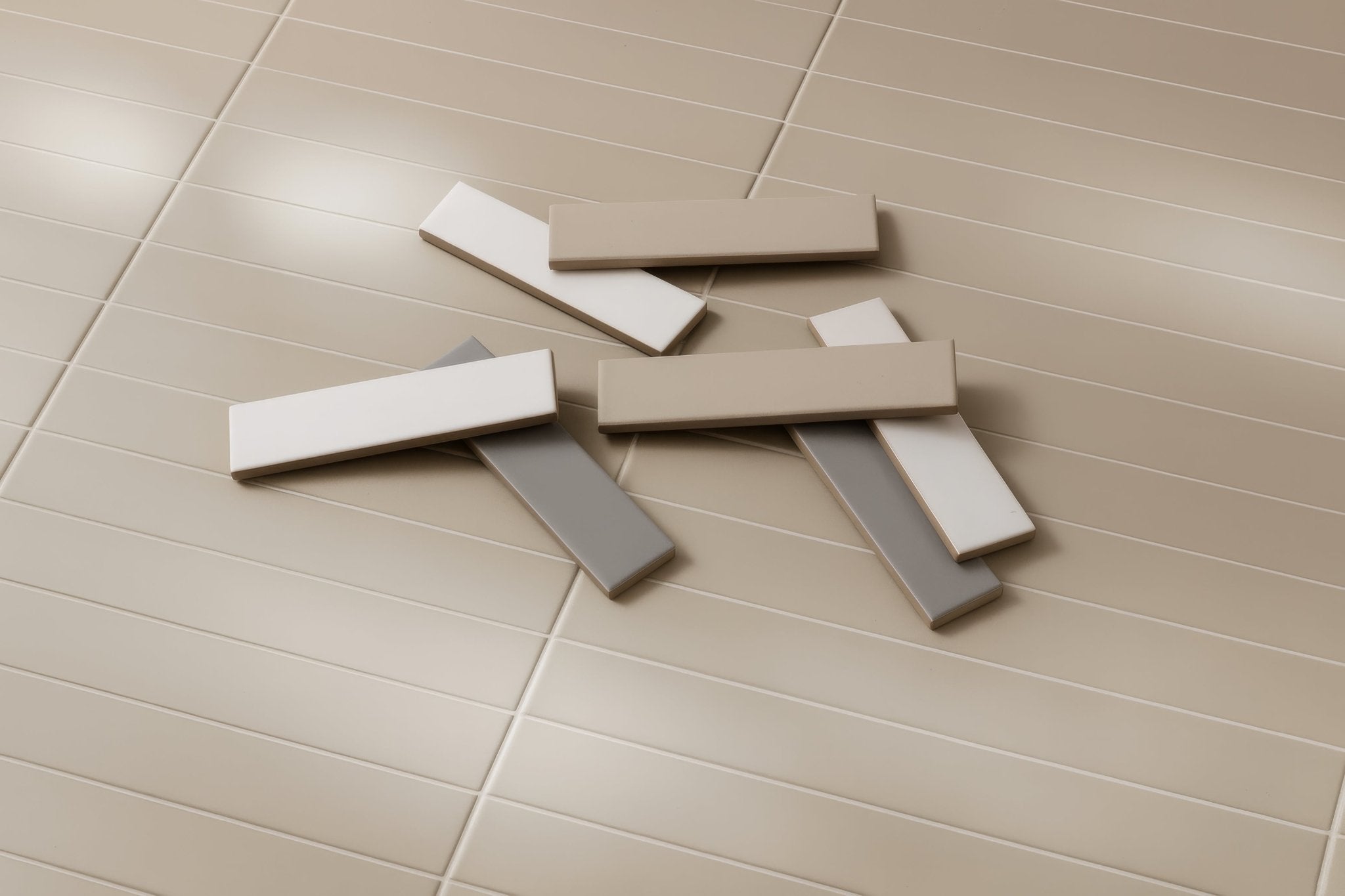
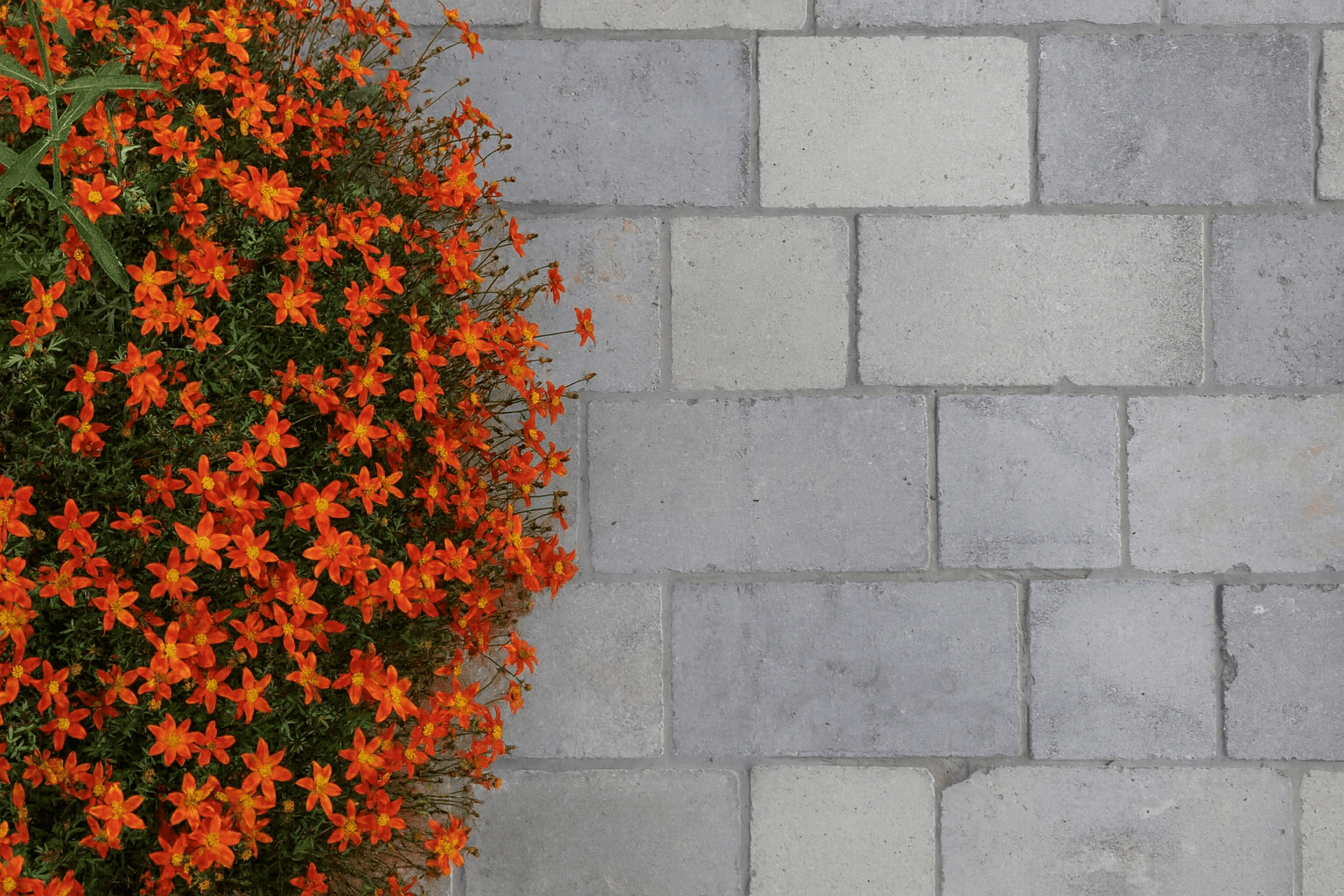
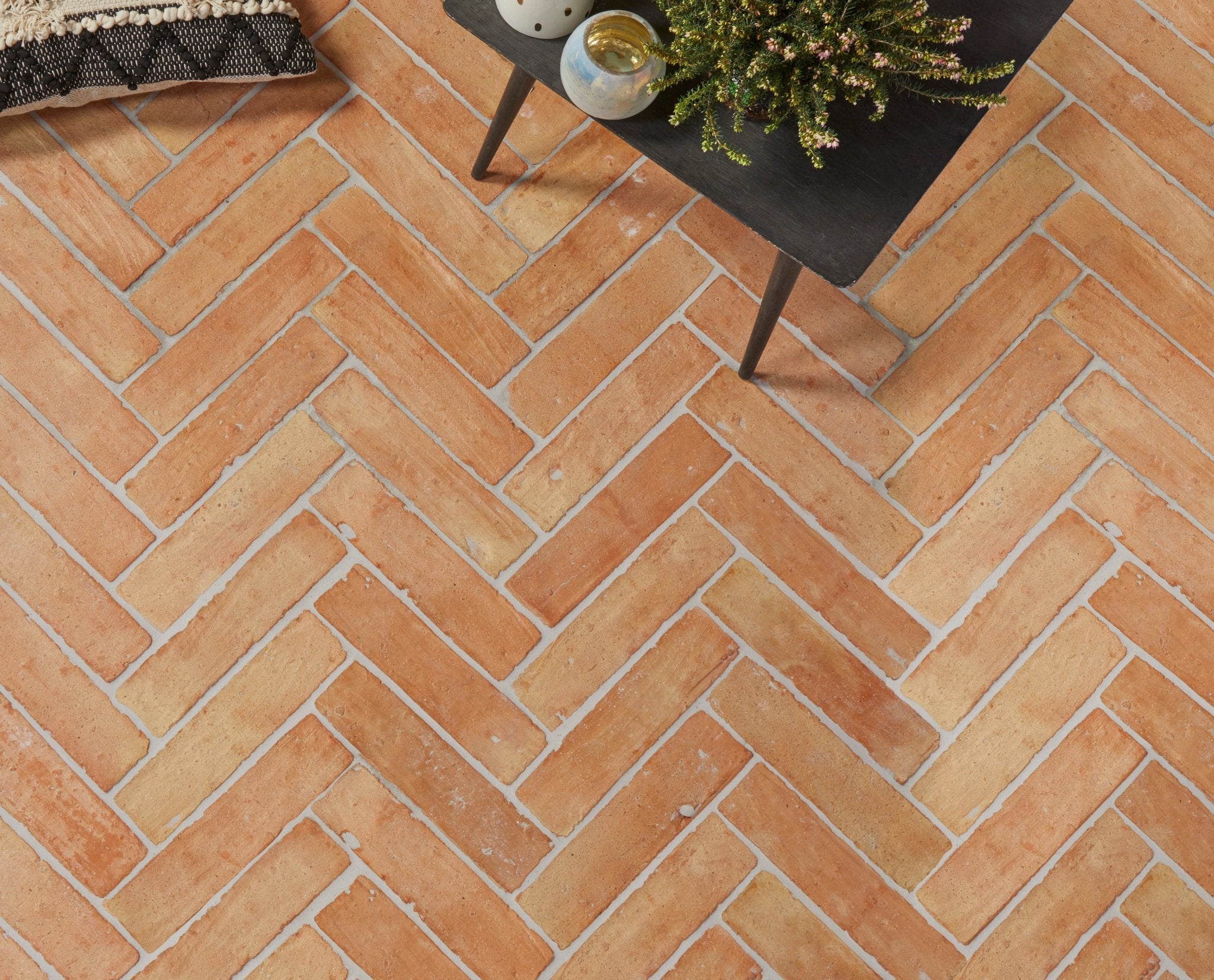
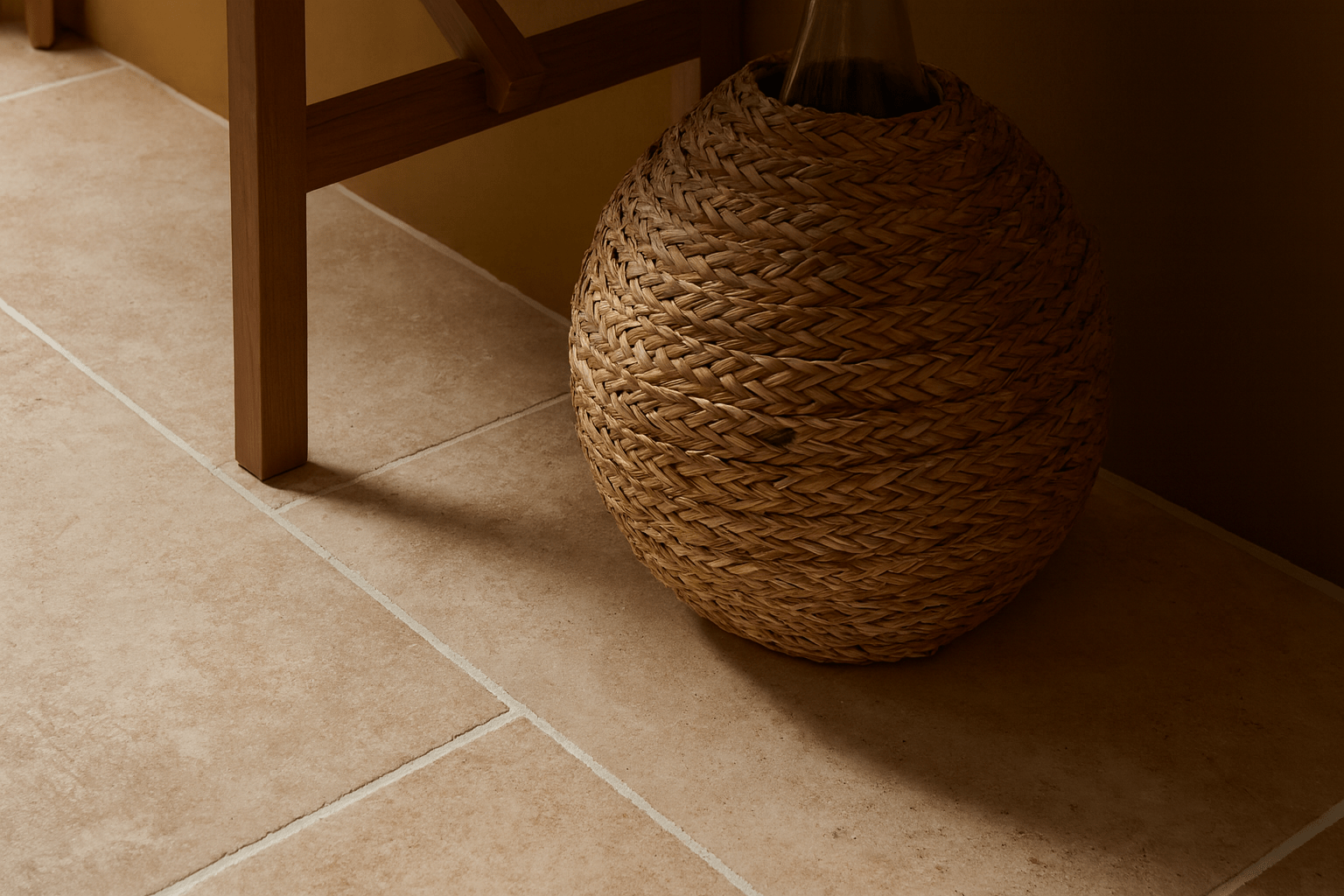
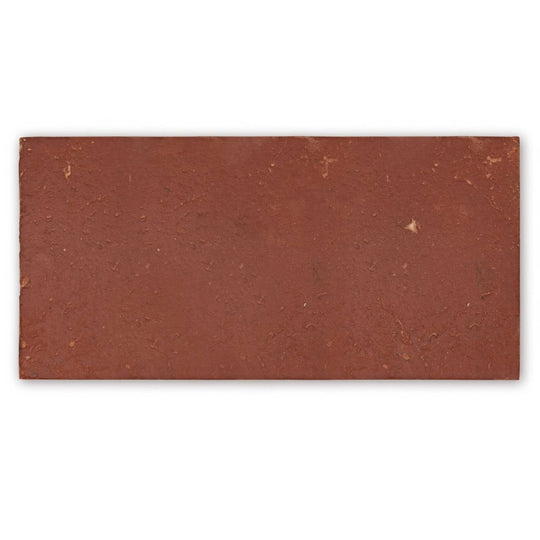
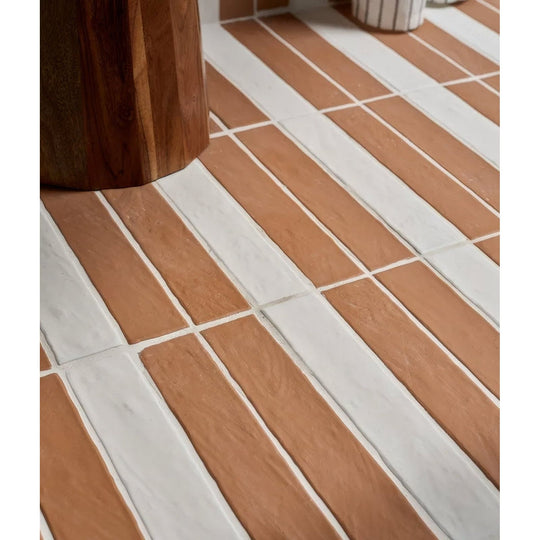
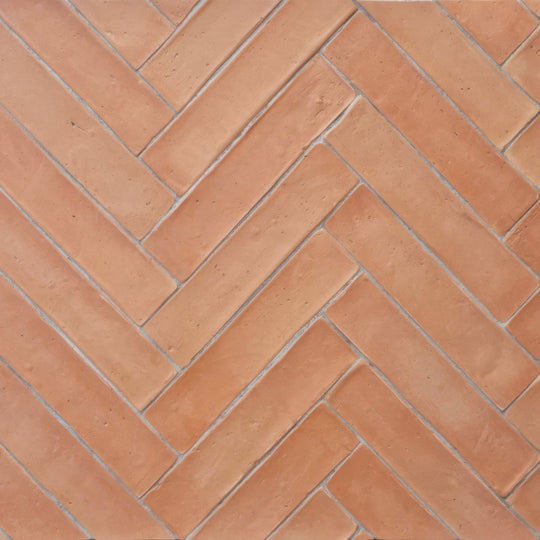
Our collection includes tiles with various finishes, including matt, lightly textured, and tumbled styles that closely replicate the natural look of reclaimed or handmade bricks. These finishes help to create an authentic feel underfoot, while ensuring safety in areas where slip resistance is important. The combination of surface texture, rich colour variation, and accurate edge detailing gives each tile a unique character, resulting in a floor that feels full of life and visual interest from the moment it is installed.
Timeless Appeal for Any Setting
One of the key advantages of choosing brick floor tiles is their timeless quality. Brick has been used as a building material for centuries, and its visual appeal remains strong today. Whether used in a traditional home or a contemporary extension, brick flooring offers a sense of permanence and craftsmanship that never goes out of style. It adds personality to minimalist schemes and pairs perfectly with a wide range of architectural details, from exposed beams to steel-framed windows.
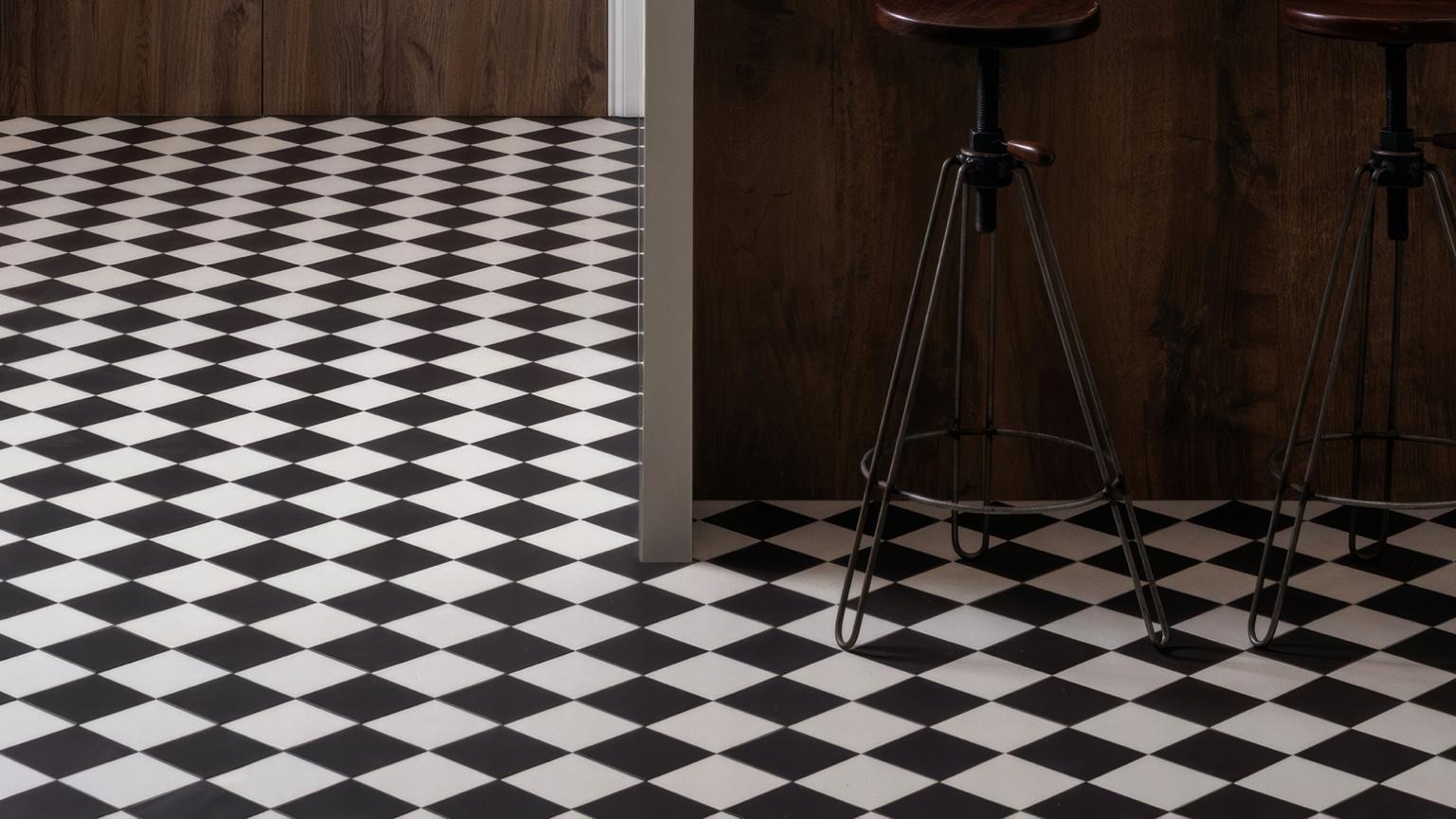
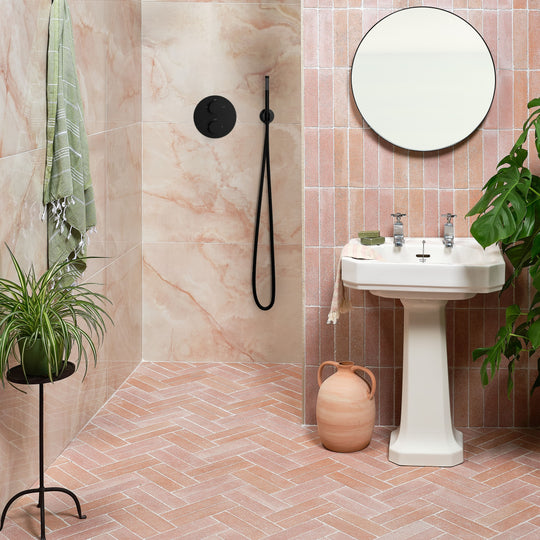
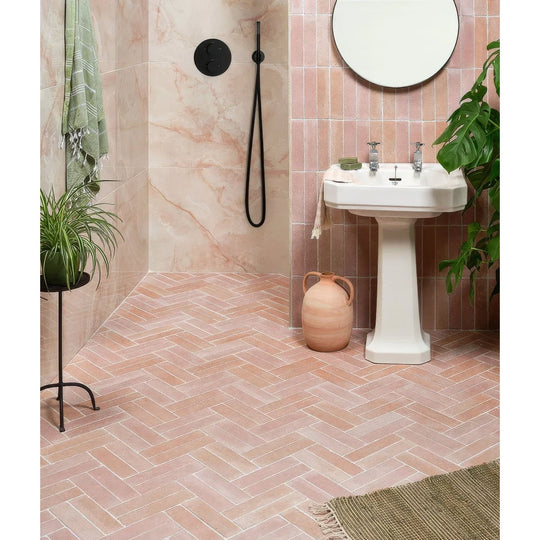
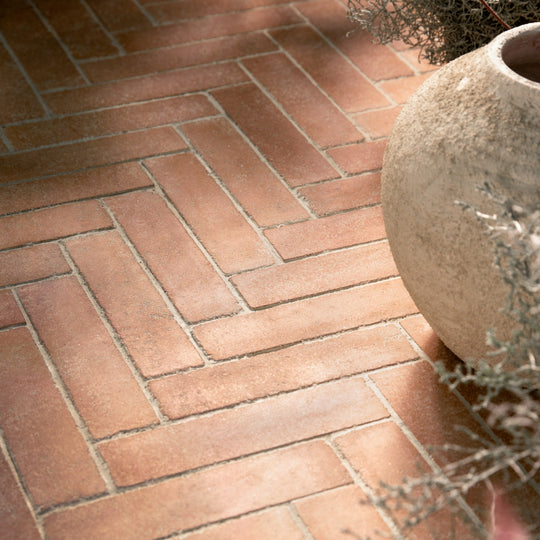
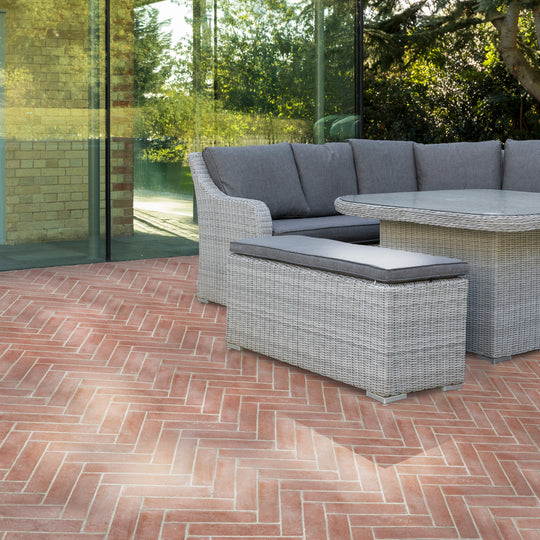
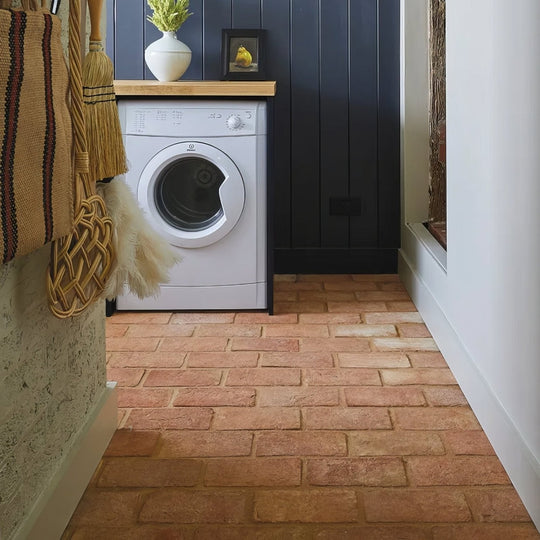
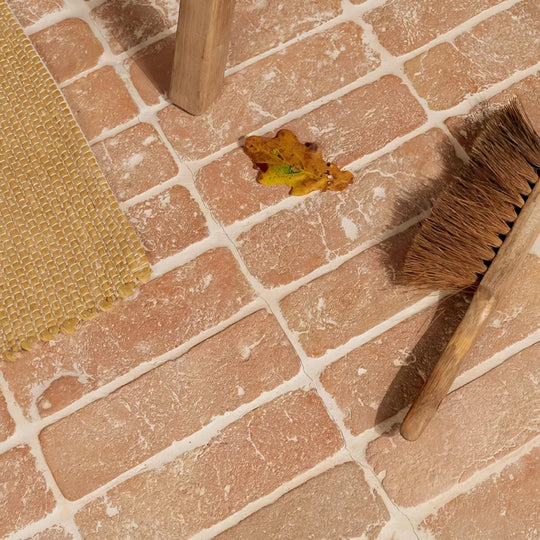
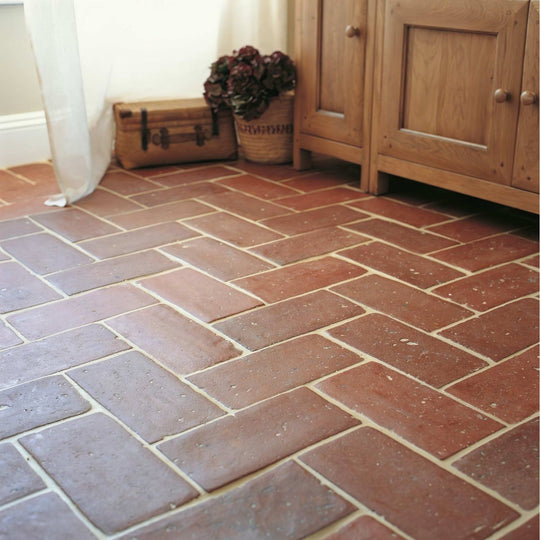
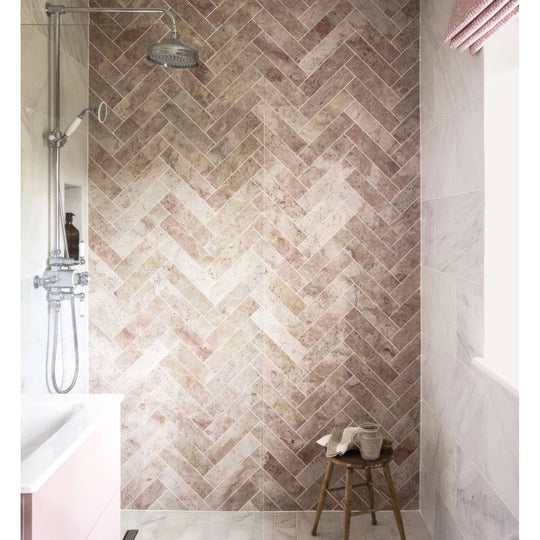
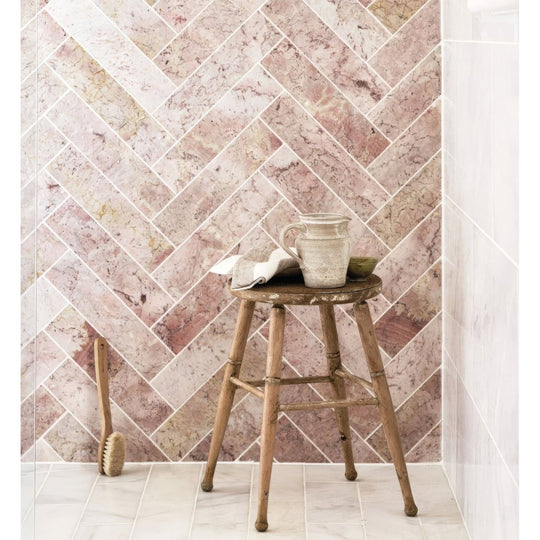
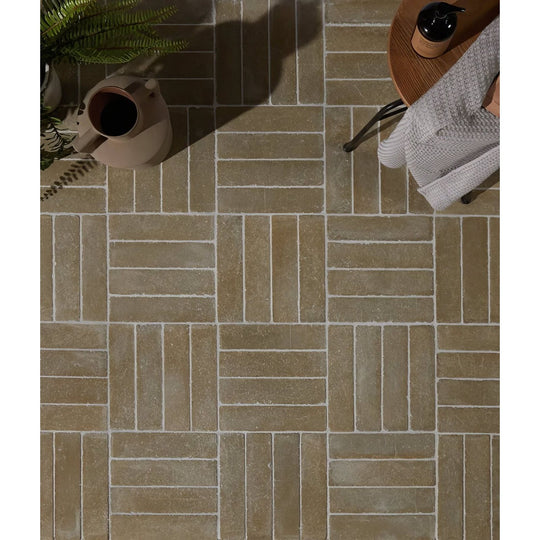
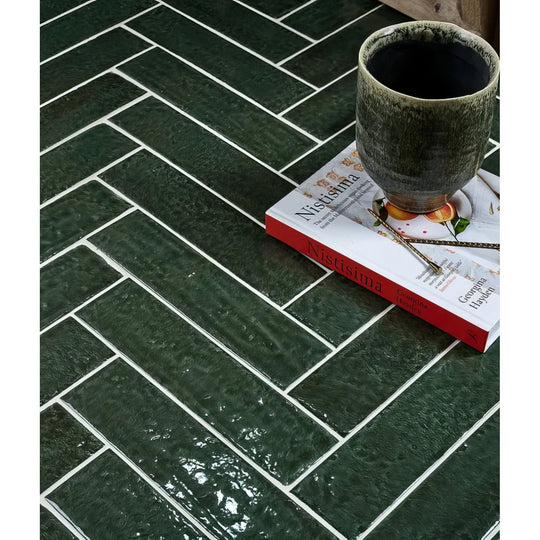
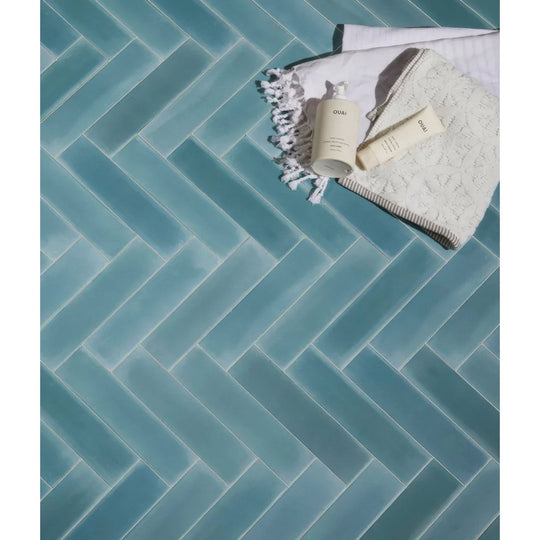
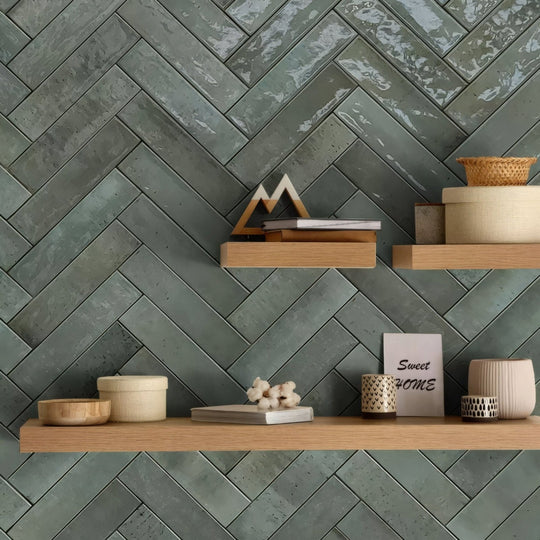
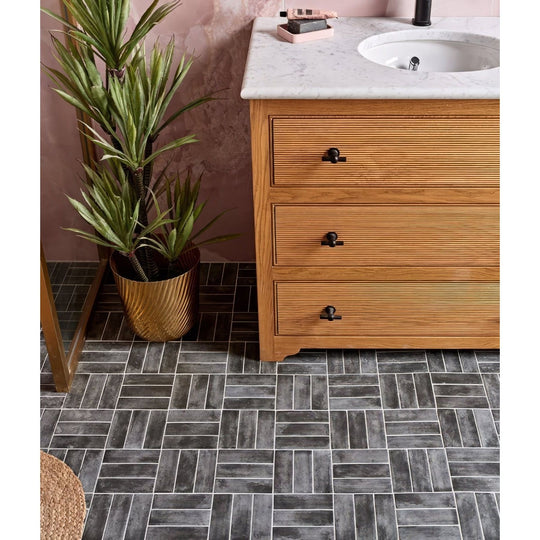
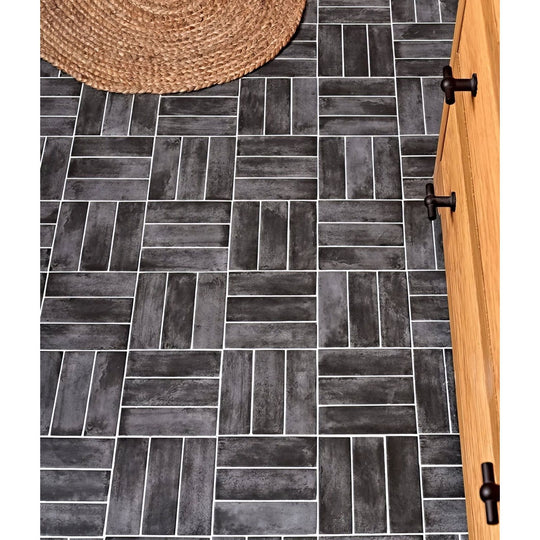
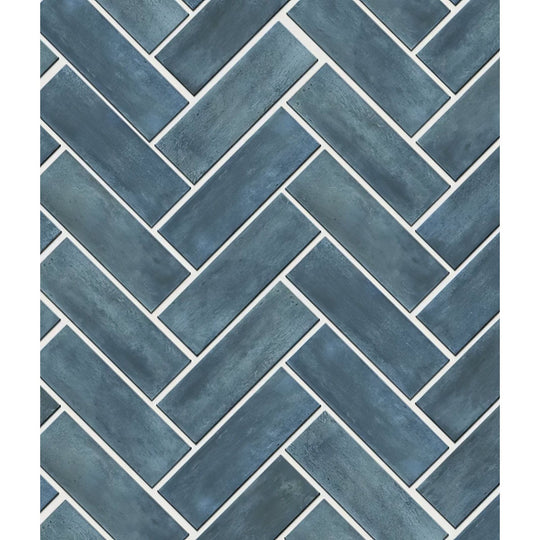
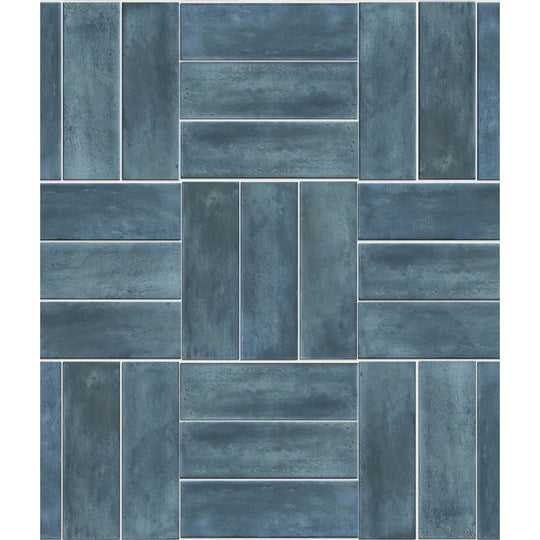
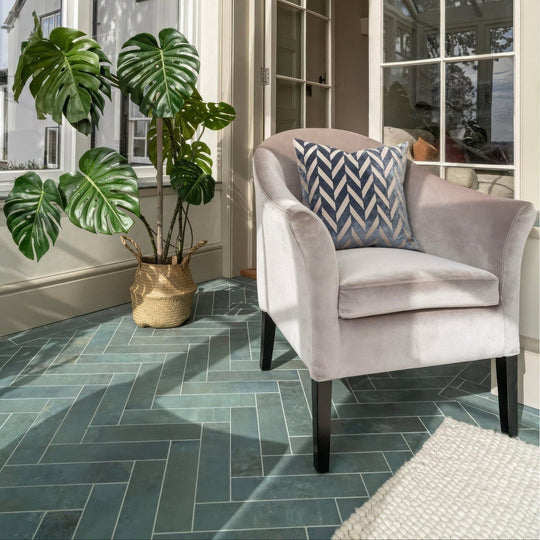
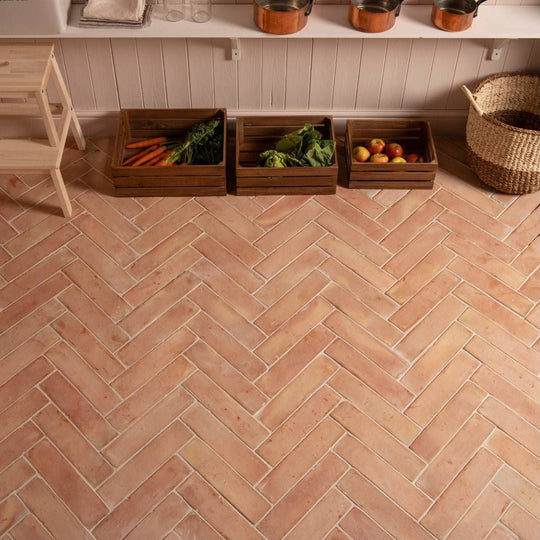
These tiles are particularly effective in transitional spaces such as hallways or entrances, where you want to make a strong first impression. Laid in a simple running bond, basket weave or herringbone pattern, brick tiles can provide structure and rhythm to the space, guiding the eye and creating a cohesive look. In larger open-plan areas, they can be used to zone different parts of the room, helping to define a dining area, kitchen, or casual seating space without the need for physical barriers.
Installation and Maintenance
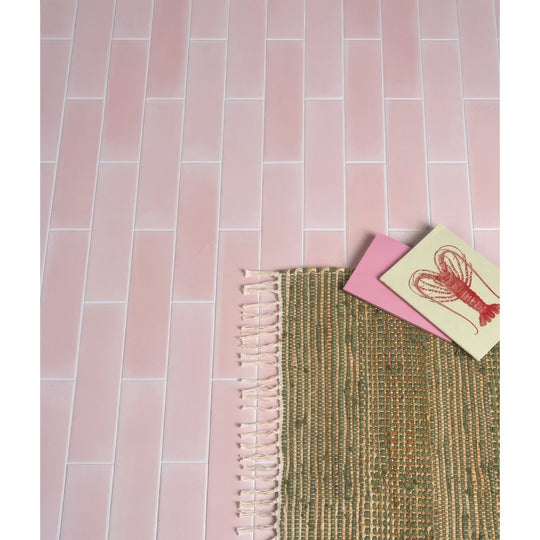
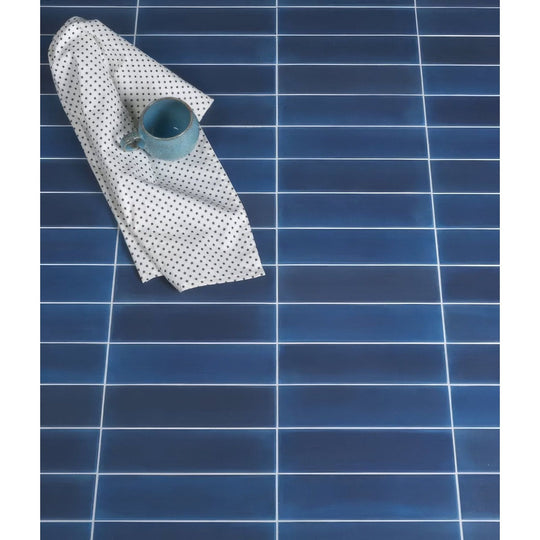
Installing brick floor tiles is straightforward for any experienced tiler. They can be laid in a variety of patterns depending on the shape and size of the tile you choose. Consistent spacing and careful alignment help maintain a neat and balanced look, while the use of colour-matched or contrasting grout allows you to fine-tune the final appearance. Because brick tiles often feature natural variation in tone, it’s a good idea to mix tiles from different boxes to ensure an even spread of colour and pattern across the floor.
Once installed, maintaining your brick floor tiles is simple. Porcelain and ceramic tiles require minimal care—just regular sweeping and mopping with a mild cleaning solution is enough to keep them looking their best. Their sealed surface repels moisture, meaning you won’t need to worry about water damage or staining from everyday spills. For added protection, particularly in high-use areas, sealing the grout lines can help prevent discolouration over time. With minimal effort, your floor will continue to look beautiful for years to come.
Explore Our Range
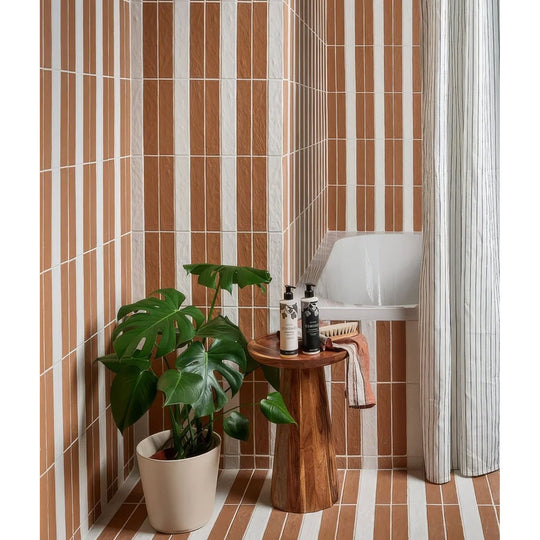
At Hyperion Tiles, we take pride in offering a handpicked range of brick floor tiles that suit a variety of tastes and interiors. From warm terracotta tones that bring a Mediterranean feel, to cooler, more neutral shades that suit industrial or minimalist settings, we have a selection that reflects both modern trends and classic sensibilities. Our tiles are suitable for residential and commercial spaces, offering both high performance and striking design.
We also provide expert guidance to help you choose the right tile for your project. Whether you are renovating a single room or specifying materials for a full refurbishment, our knowledgeable team can advise on everything from tile selection and pattern layout to installation and maintenance. With a commitment to quality and service, we ensure that your experience with Hyperion Tiles is smooth, reliable, and inspiring from beginning to end.
The Perfect Balance of Character and Function
Brick floor tiles offer a rare combination of traditional character and modern-day functionality. They bring charm, warmth, and depth to interiors, while also delivering long-lasting performance underfoot. With their textured surfaces, rich colour tones and timeless layout options, they add architectural interest to floors and help shape memorable, well-loved living spaces. Whether you're working on a period home, a new build, or a creative interior makeover, brick-effect tiles from Hyperion Tiles offer a reliable and stylish foundation that complements your vision.