Mosaic Tiles by Material
Glass Mosaic Tiles
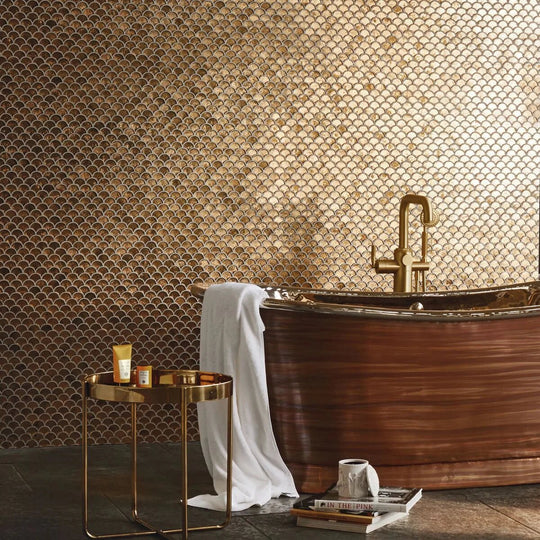
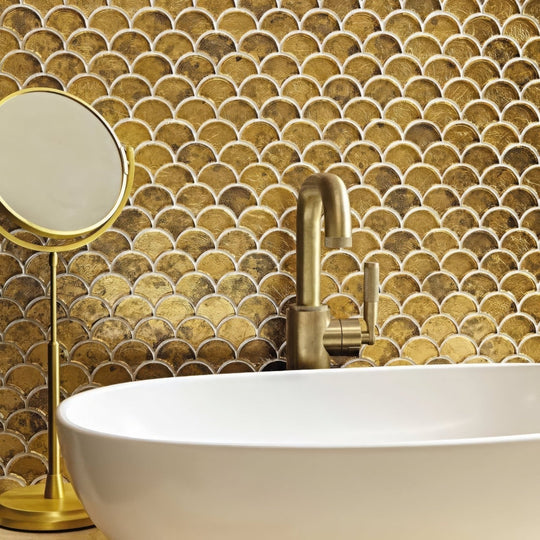
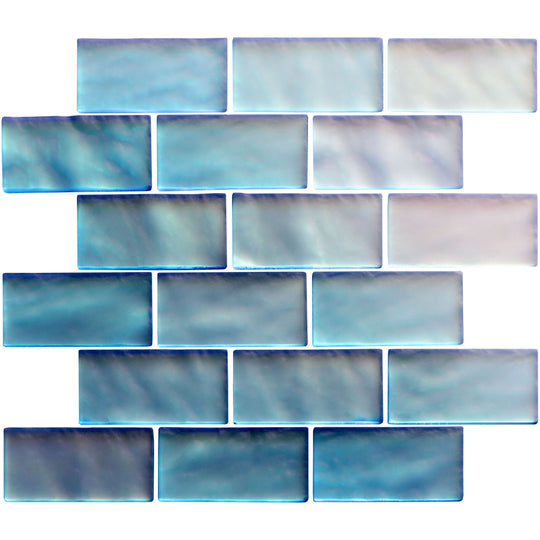
Glass mosaics reflect light and work well on splashbacks, niches and decorative bathroom walls. Clear, translucent, mirrored and metallic-backed glass can require different adhesives and fixing methods, so follow the individual product guidance. Browse the full Glass Mosaics range.
Marble and Natural Stone Mosaics
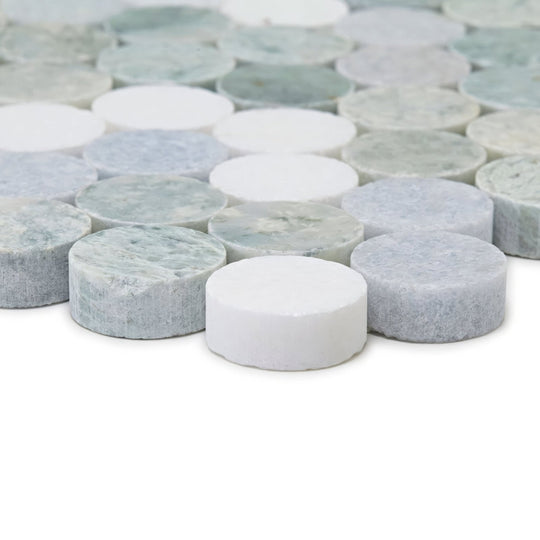
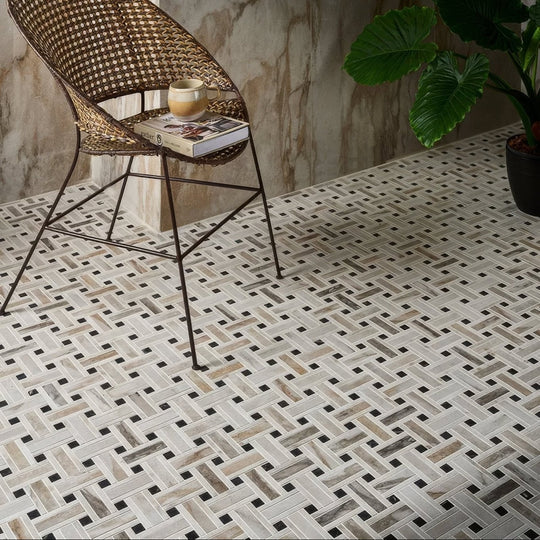
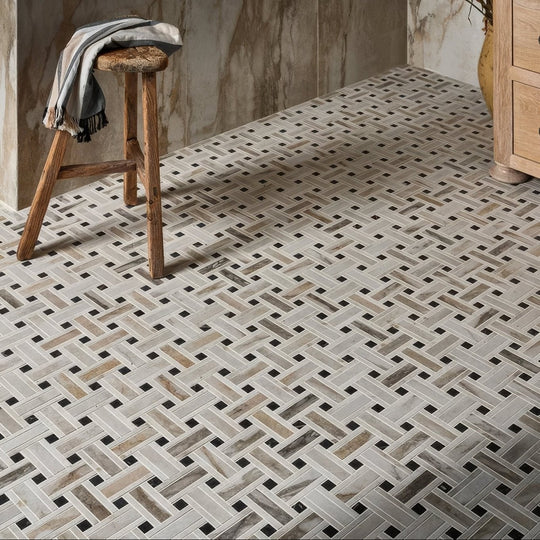
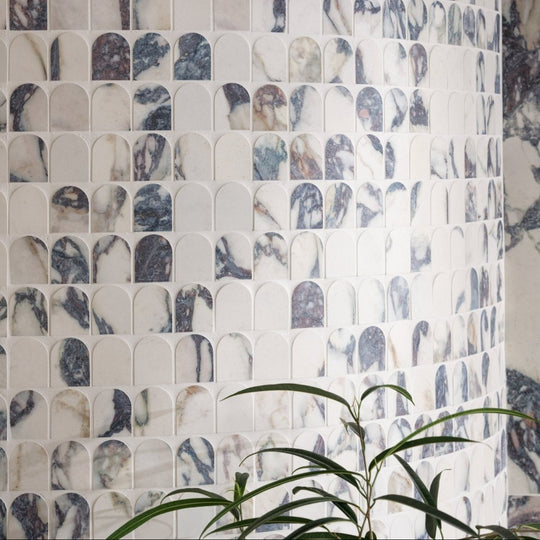
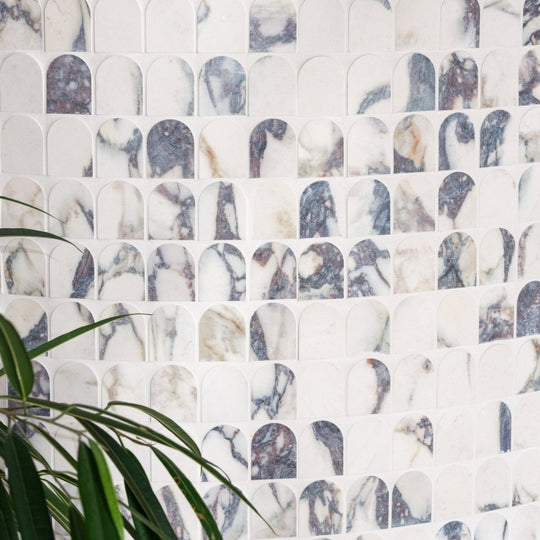
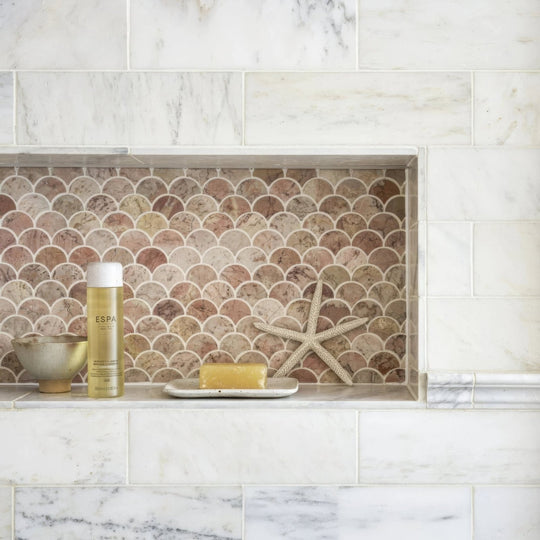
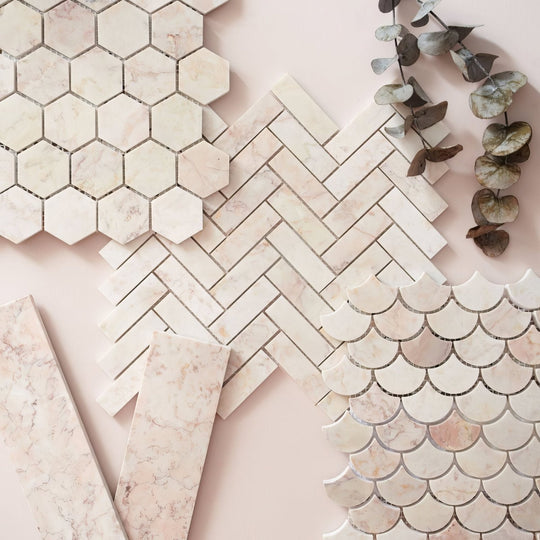
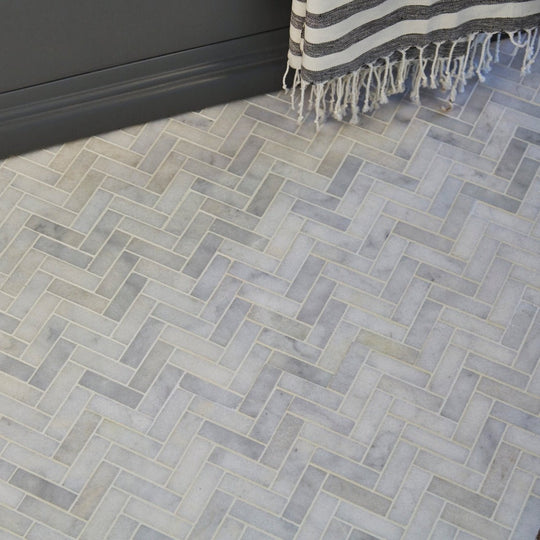
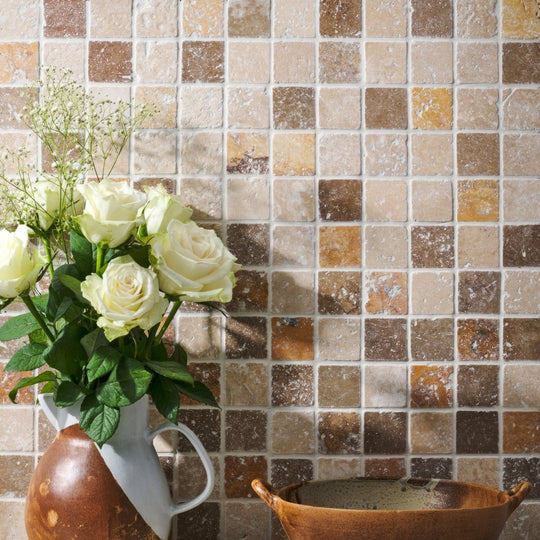
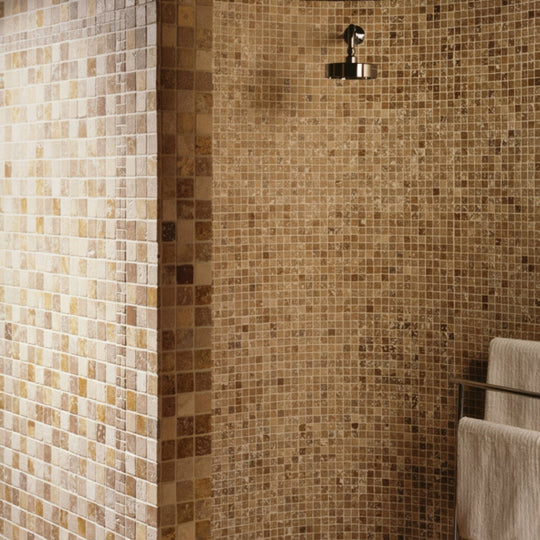
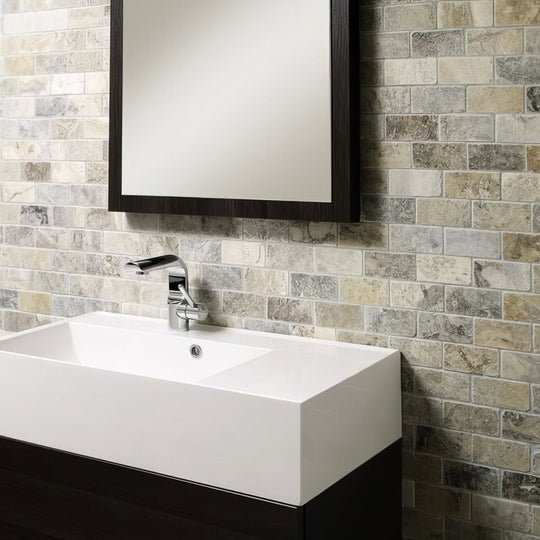
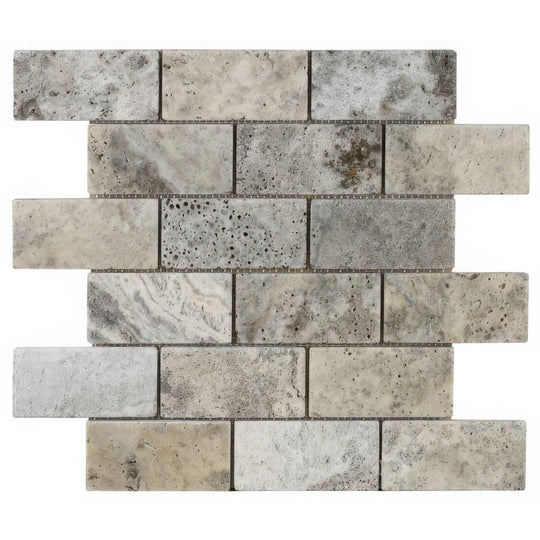
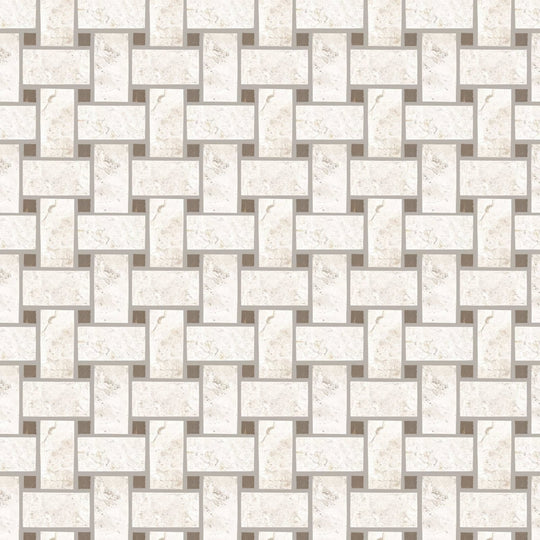
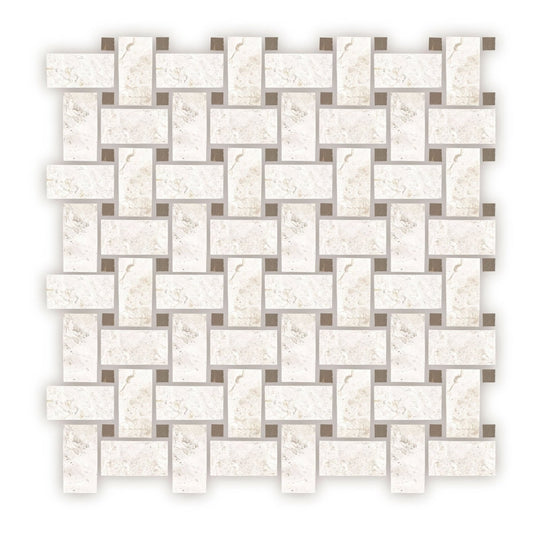
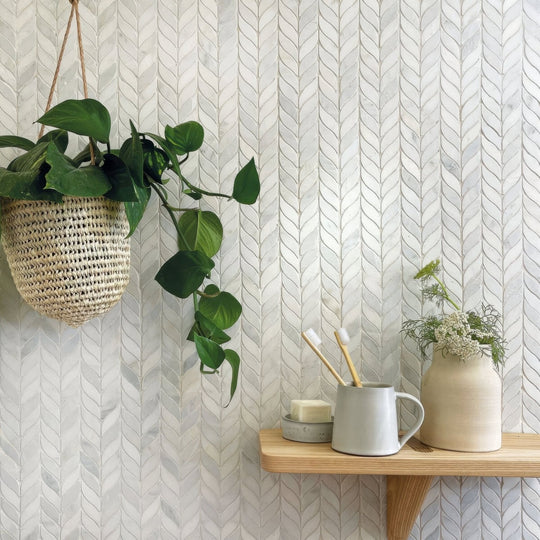
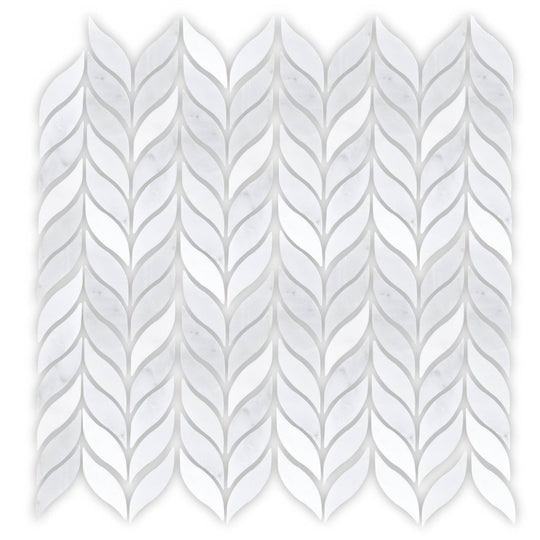
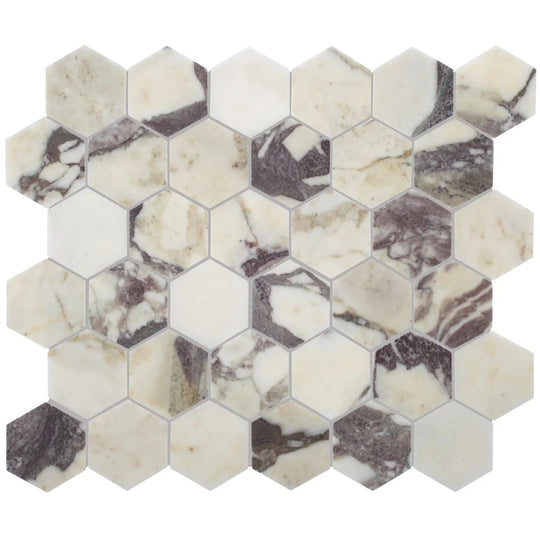
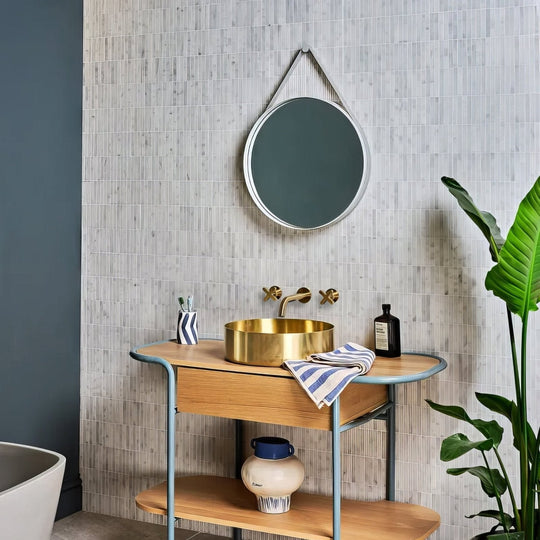
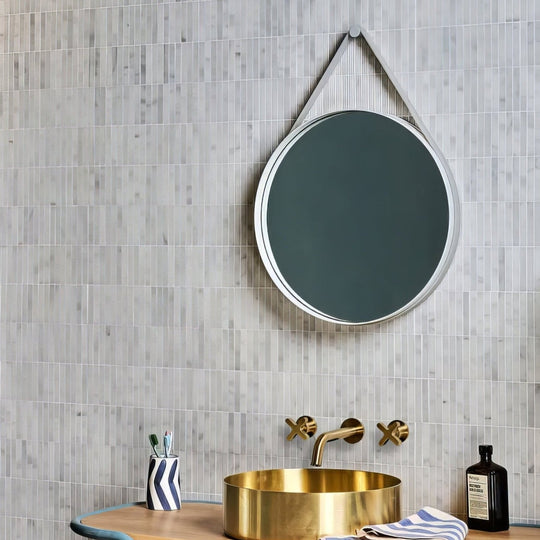
Marble, travertine and other stone mosaics introduce genuine veining, tonal movement and texture. Natural stone can require sealing and pH-compatible cleaning products; variation is part of the material rather than a defect. See Marble Mosaics.
Porcelain and Ceramic Mosaics
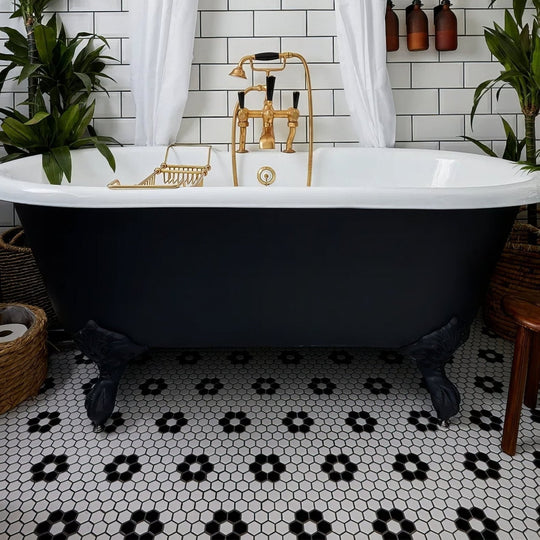
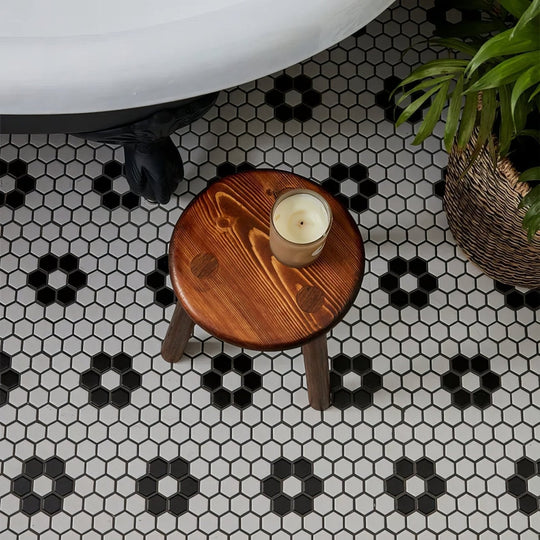
Porcelain and ceramic mosaics cover geometric, patterned and plain finishes with comparatively straightforward maintenance. Some porcelain mosaics are suitable for walls and floors, but always check the product rating before using them underfoot or in a wet area. Explore Porcelain Mosaics.
Metal and Mixed-Material Mosaics
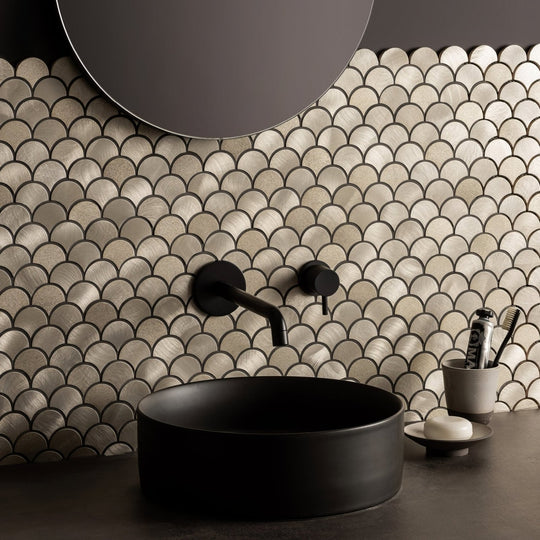
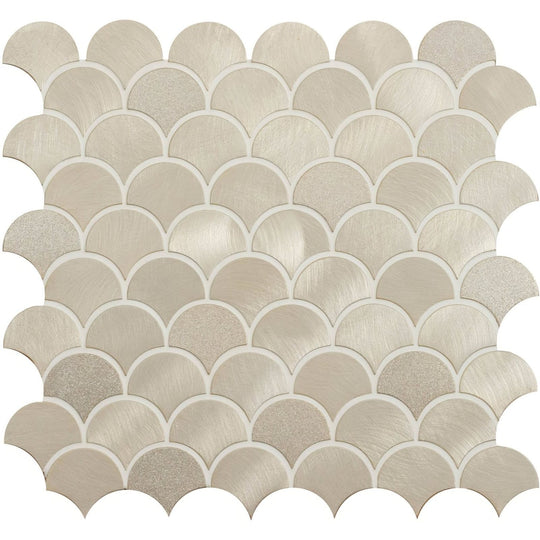
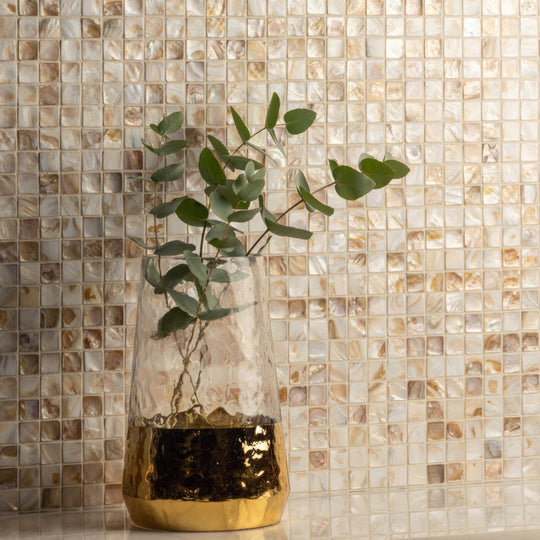
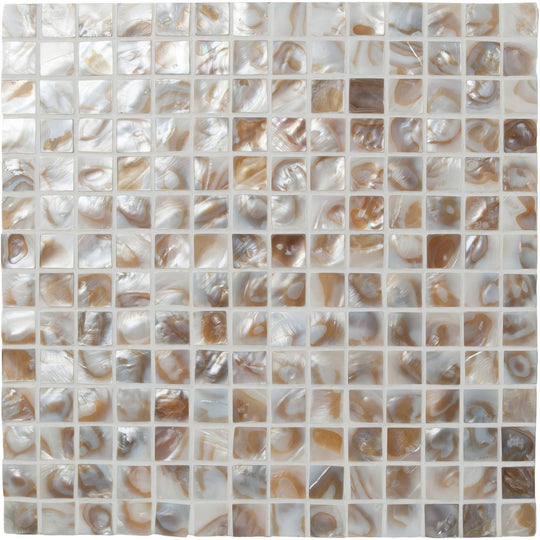
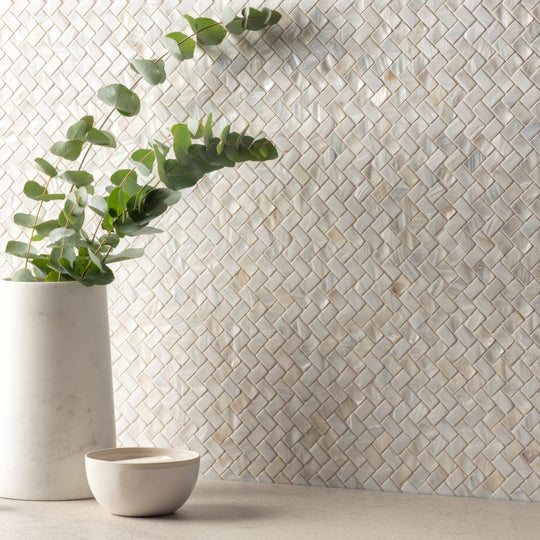
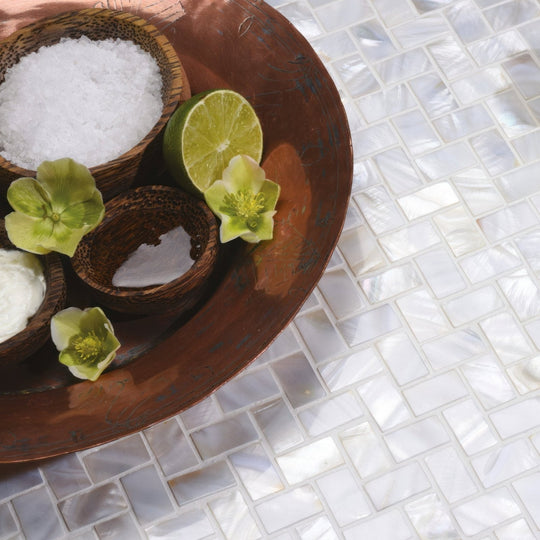
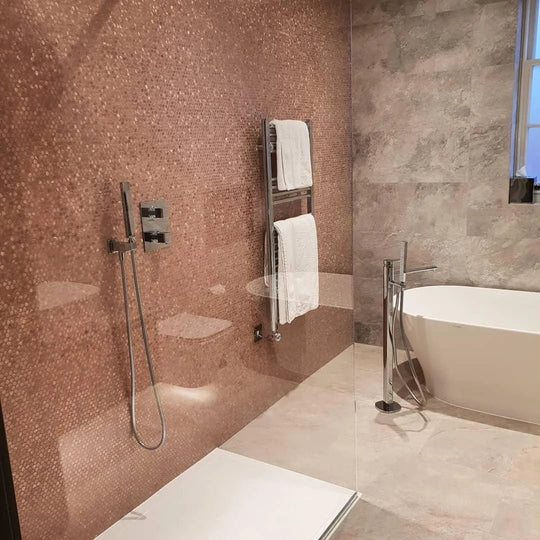
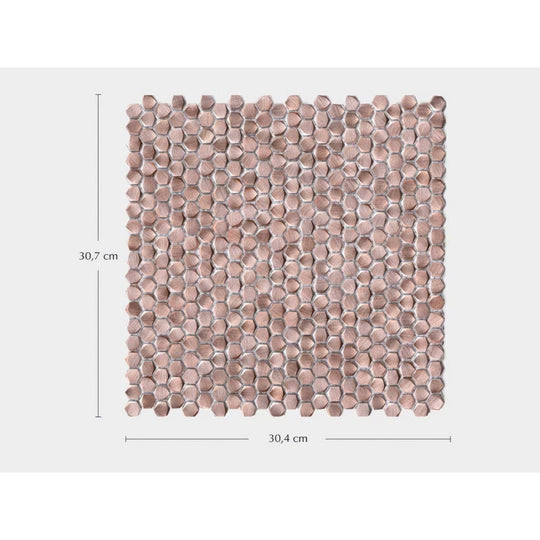
Metal, aluminium, shell and mixed-material mosaics create strong decorative effects but can have specific cutting, cleaning and wet-area restrictions. Treat these as specialist finishes and use the product instructions when specifying adhesives and maintenance.
Mosaic Tile Shapes and Layouts
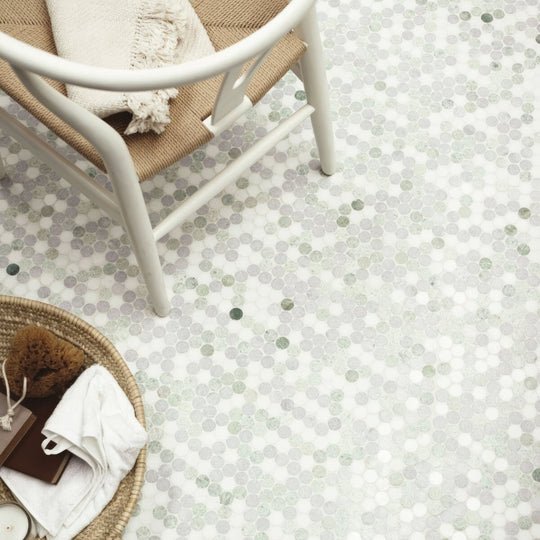
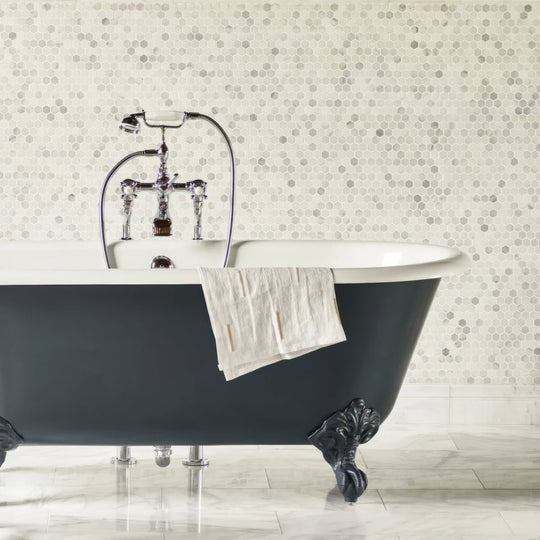
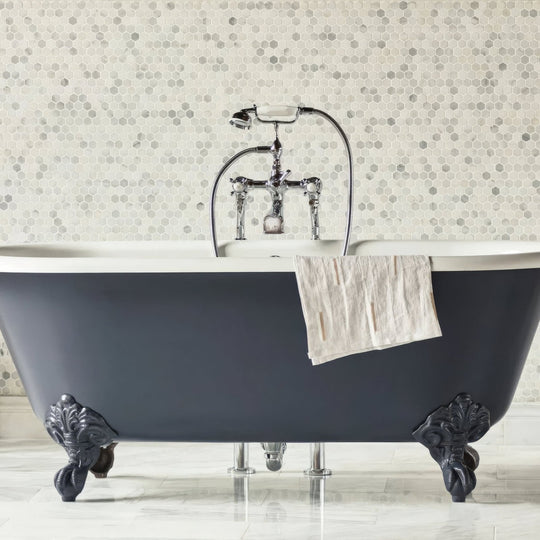
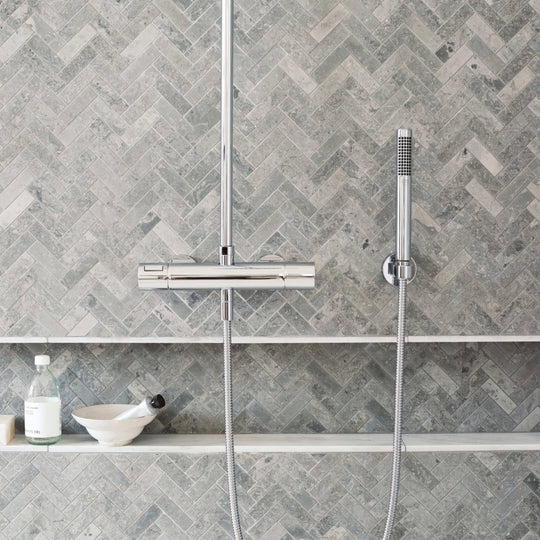
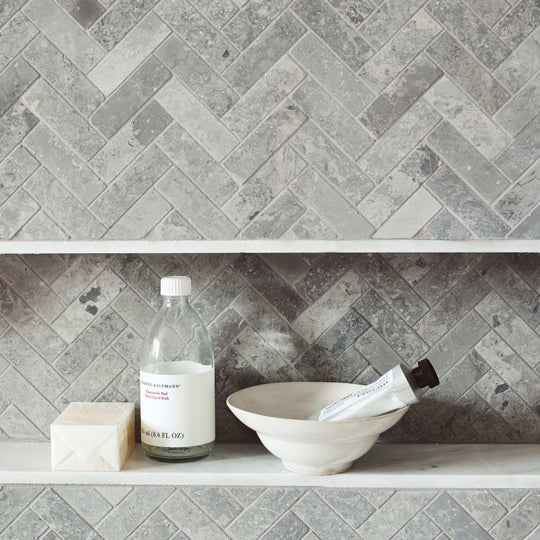
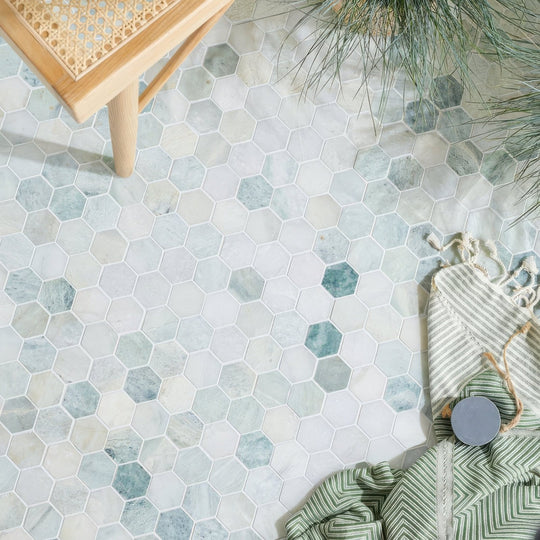
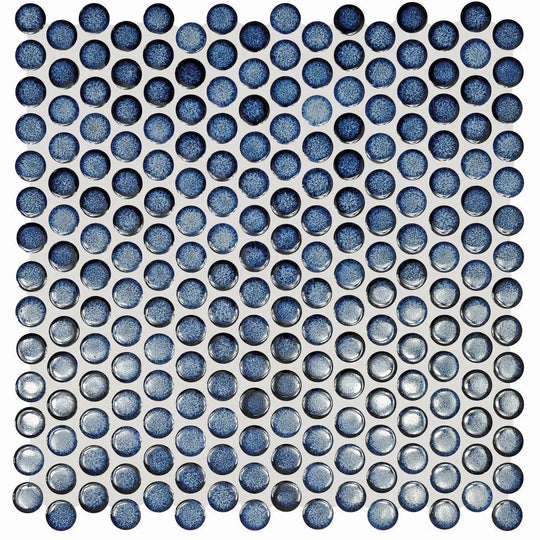
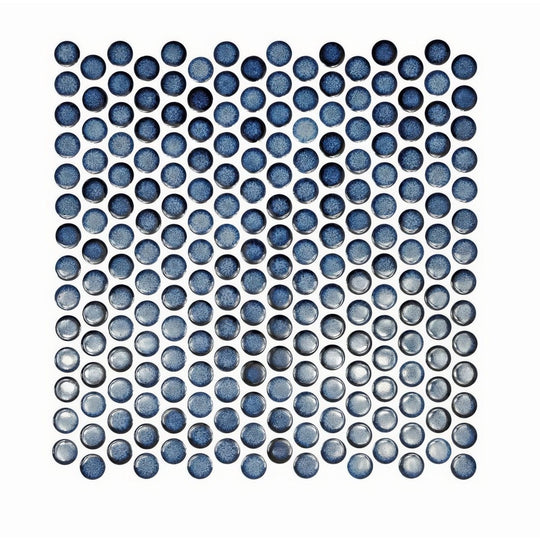
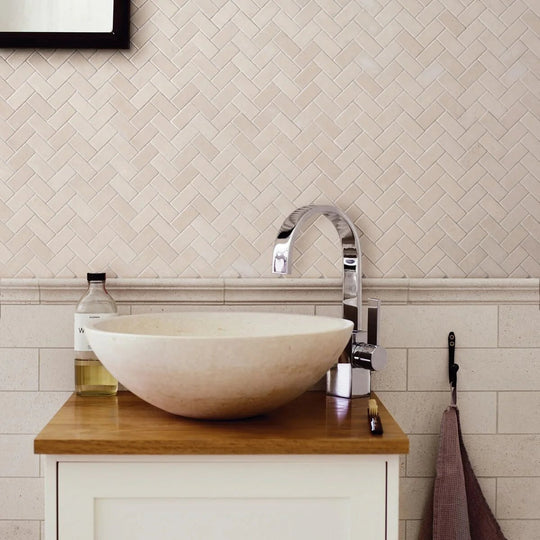
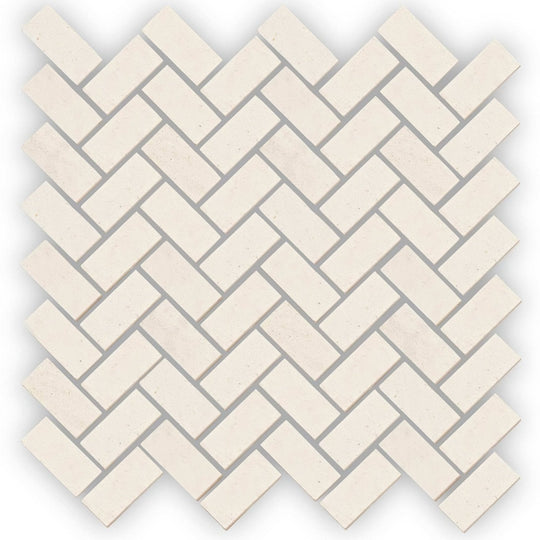
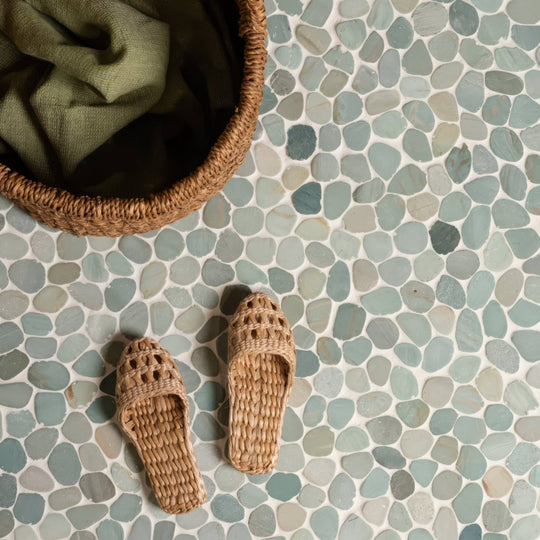
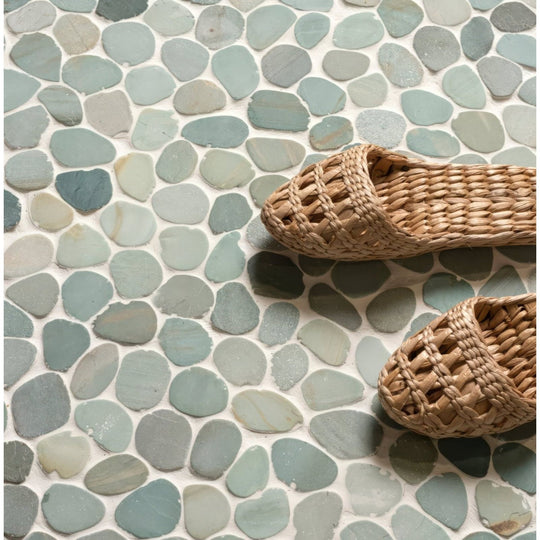
Choose from herringbone, hexagon, penny round, kit-kat, square, brickbond, chevron, scallop and pebble formats. Sheet dimensions and individual chip size affect how the repeat reads across a wall, so dry-lay several sheets before installation and make sure the joints between sheets match the joints within each sheet. See the Hexagon and Pebble Mosaic ranges for two popular formats.
Where to Use Mosaic Tiles
Bathroom Mosaics and Shower Niches
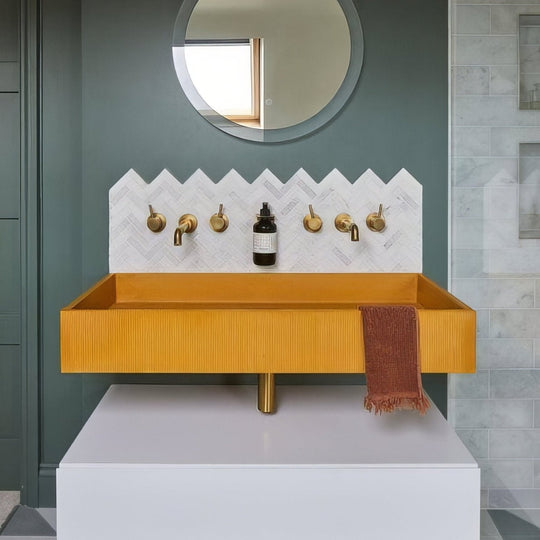
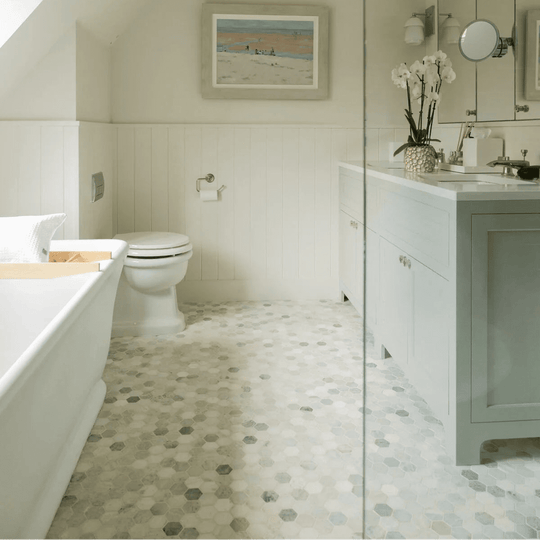
Mosaics are useful for niches, vanity walls and compact feature areas. For shower floors or other surfaces underfoot, choose only products specifically rated for floor and wet-area use. Explore our dedicated bathroom mosaic tiles and mosaic floor tiles.
Kitchen Splashbacks
Glass, ceramic, stone and metal mosaics can create detailed kitchen splashbacks. Check heat, cleaning and fixing requirements for the chosen material, especially around hobs and heavily splashed areas. Browse kitchen mosaic tiles.
How to Choose Mosaic Tiles
Check the Application Before the Shape
A mosaic's material and rating matter more than whether it is hexagon, herringbone or penny round. Confirm wall, floor, wet-area or pool suitability before choosing the visual format.
Plan Grout Colour and Sheet Joints
Mosaics contain more visible grout than larger tiles, so grout colour becomes part of the design. Test a sample with the intended grout and check that sheet edges do not create a visible grid across the completed surface.
Calculate coverage from the sheet, not the chip
Check the stated coverage per sheet or pack before calculating the order. The individual chip size does not tell you how much wall a sheet will cover, especially with interlocking edges. Measure each area, plan the sheet layout around edges and fittings, and agree a cutting allowance with your installer.
Coordinate a mosaic feature with the room
For a bathroom niche or vanity feature, compare surrounding bathroom tiles as well as the mosaic itself. For a splashback, view samples with your cabinets, worktop and kitchen tiles. Allow for differences in tile thickness when planning junctions between materials.
Compare mosaic samples and supplier postage
Order Free Cut Samples where available to compare chip size, colour, reflection and texture. For detailed schemes, visit our Ascot showroom for help coordinating mosaics with larger field tiles, grout and finishing details. If you'd rather browse by material or shape first, see Marble Mosaics, Porcelain Mosaics or the full Mother of Pearl and Black Mosaic ranges.
Glass mosaics · Floor mosaics · White mosaics
See sample options and supplier postage.
Explore individual mosaic ranges
For porcelain mosaics, compare Gelato Porcelain Mosaic and Preen Porcelain Mosaic. For natural limestone texture, explore the Enso range below.
Browse Enso Cobble Mosaic to compare its available patterns. Check the individual tile’s wall, floor and wet-area specifications.

 BEAUTY IN EVERY DETAIL
