★★★★★
Fast delivery and beautiful sample
“Fast delivery and a beautiful sample, well worth getting to see the colours at home.”clare hughes · Verified
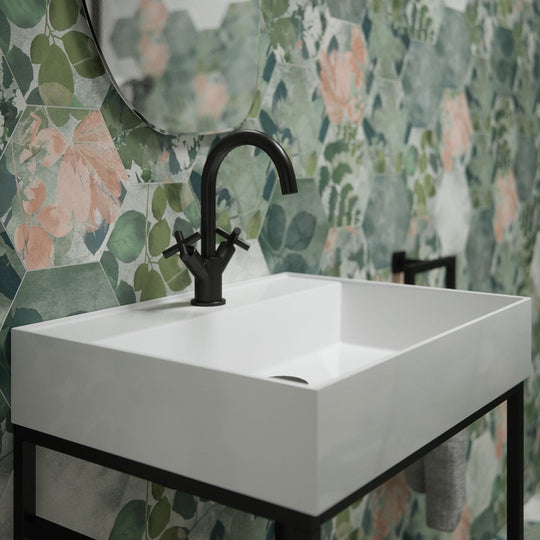
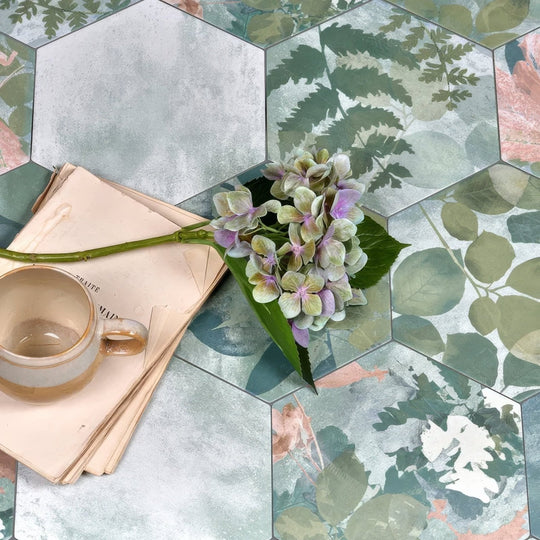
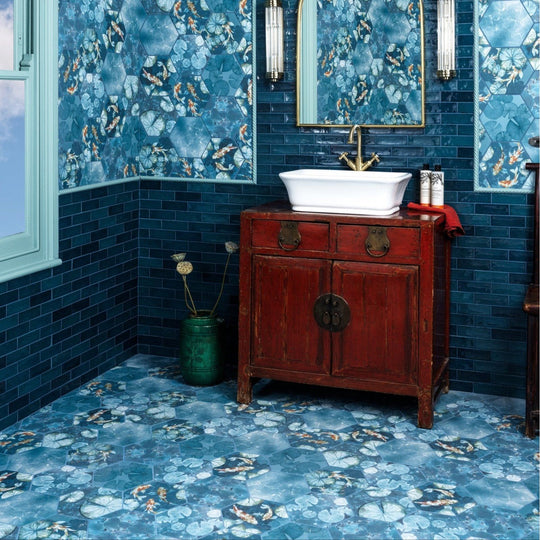
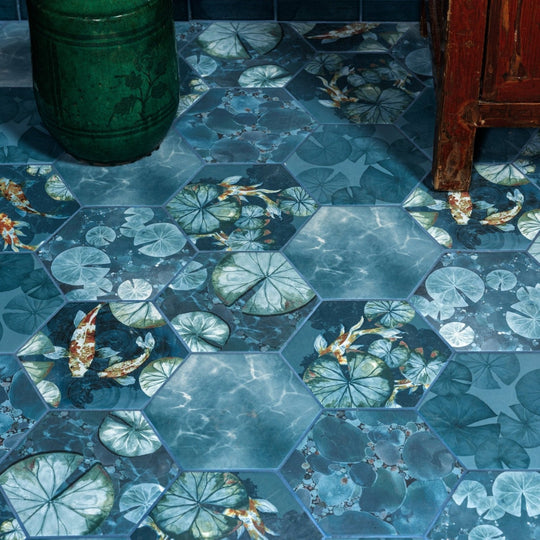
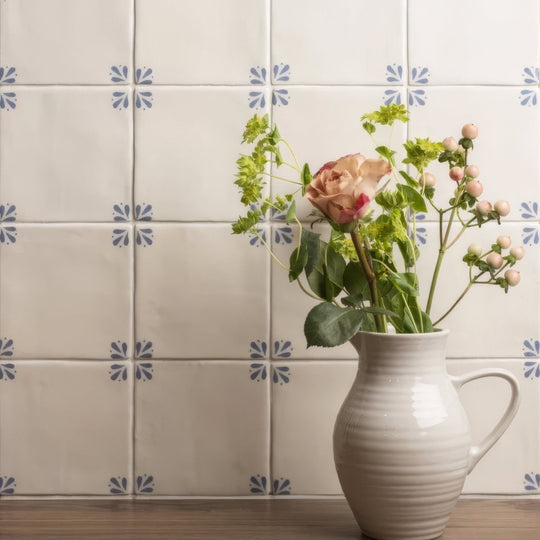
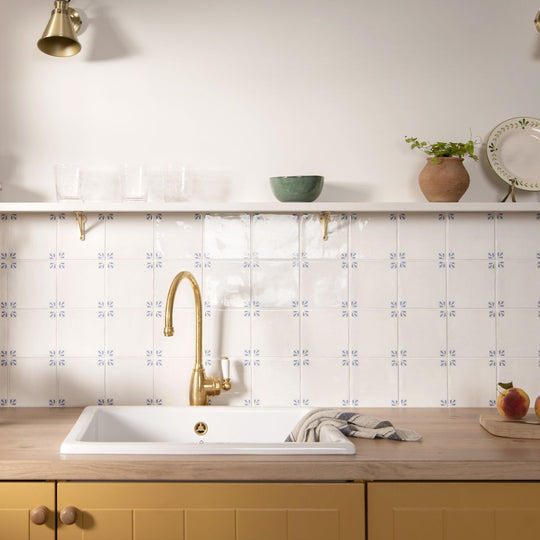
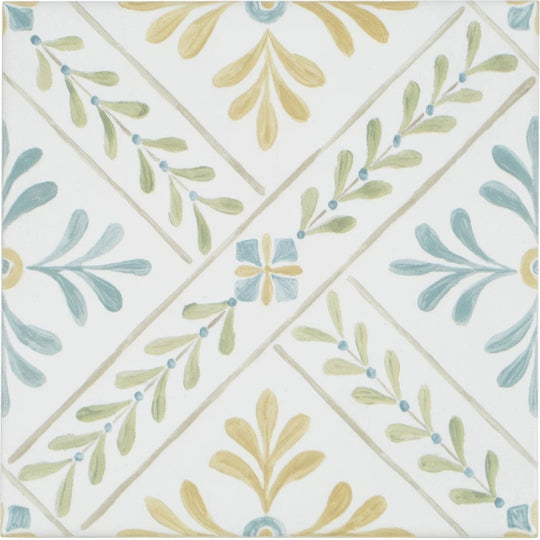
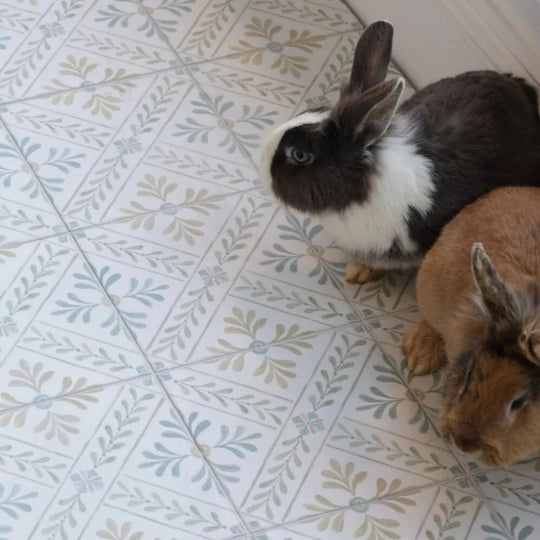
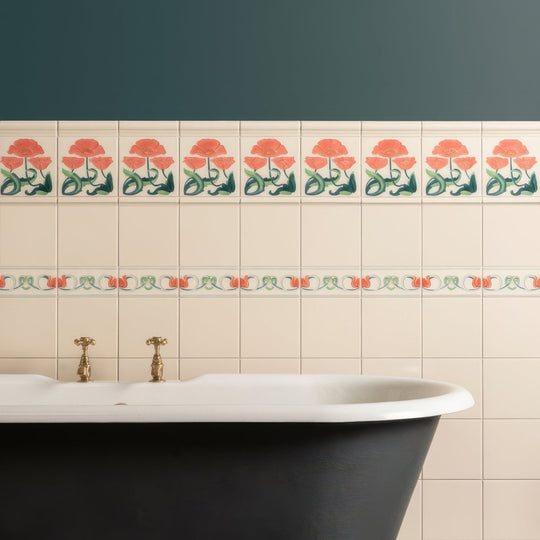
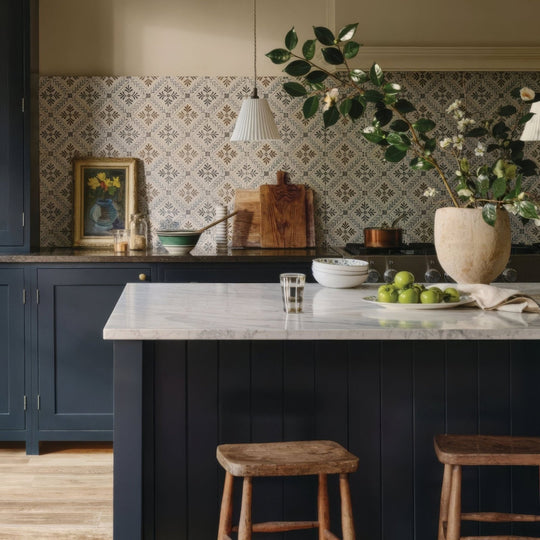
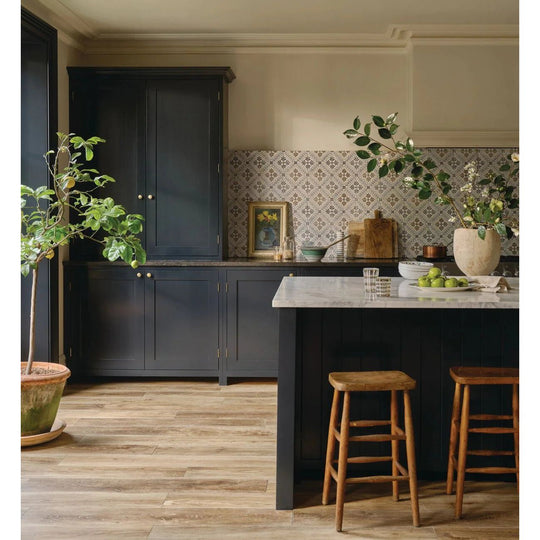
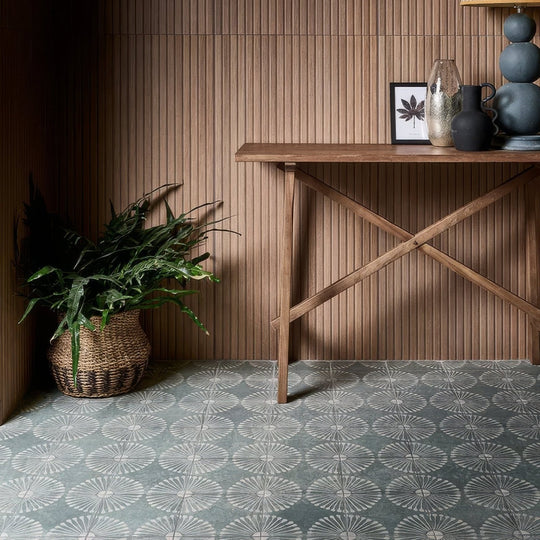
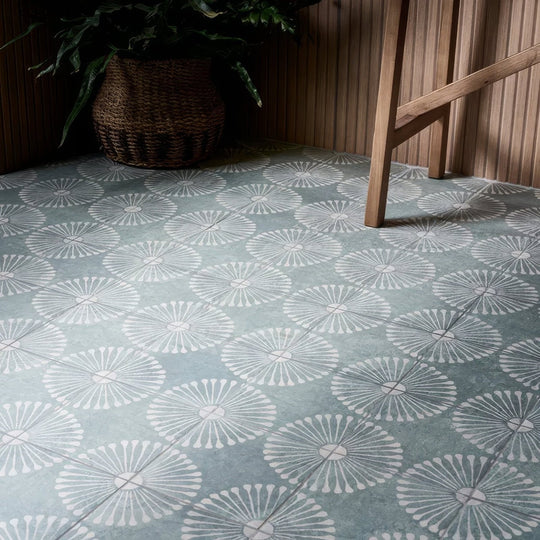
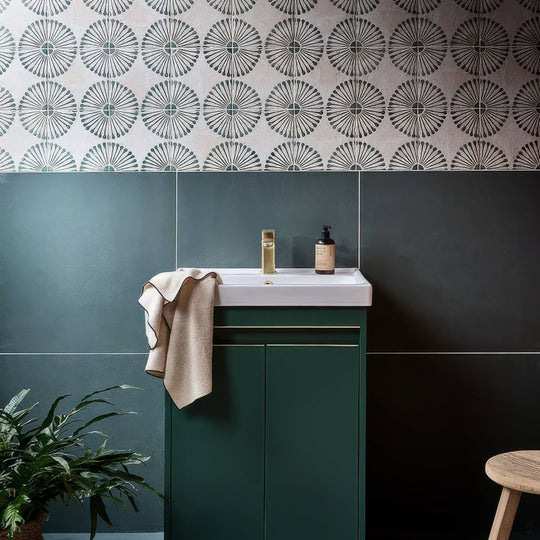
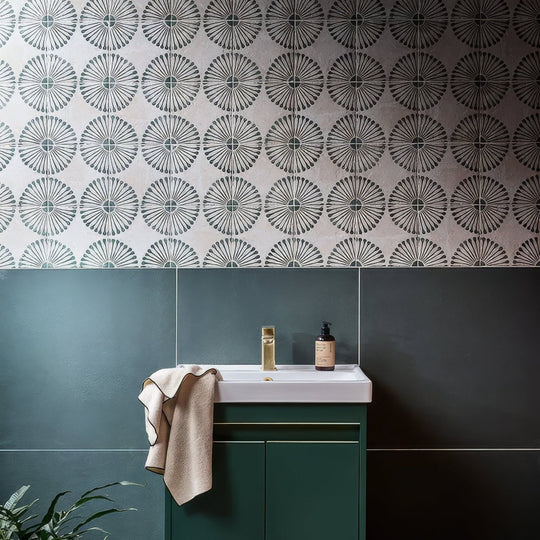
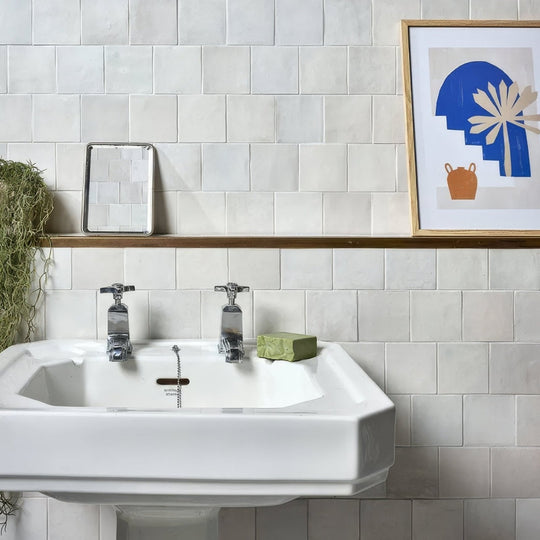
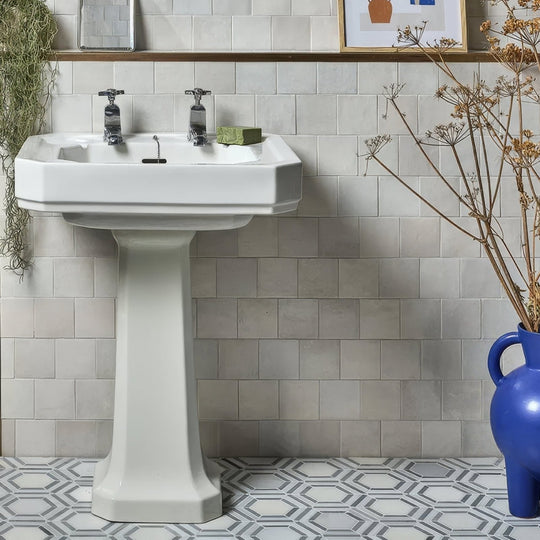
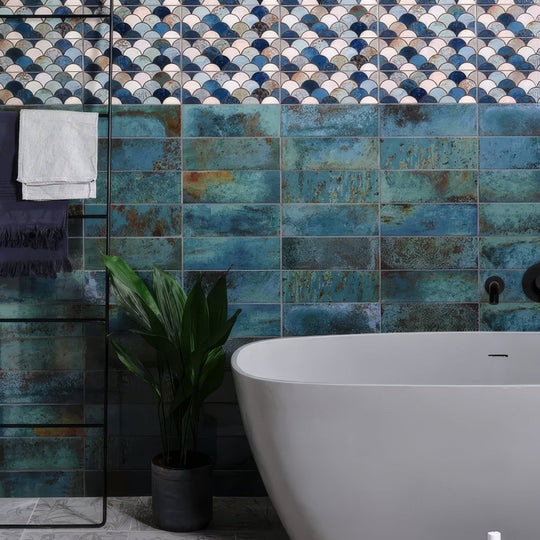
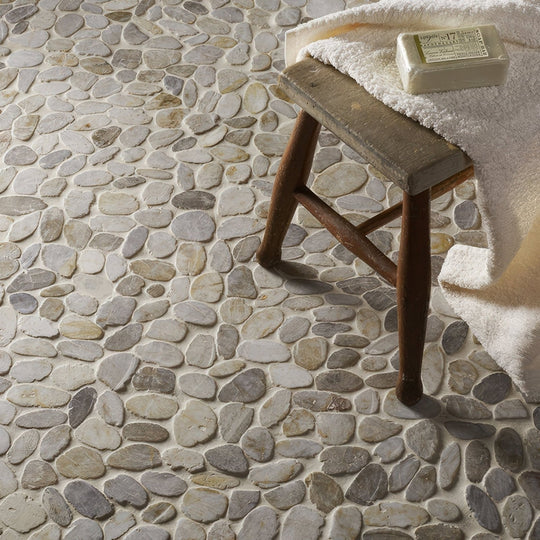
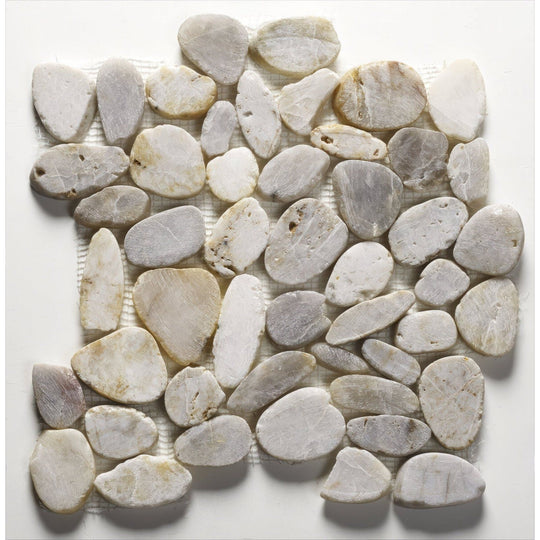
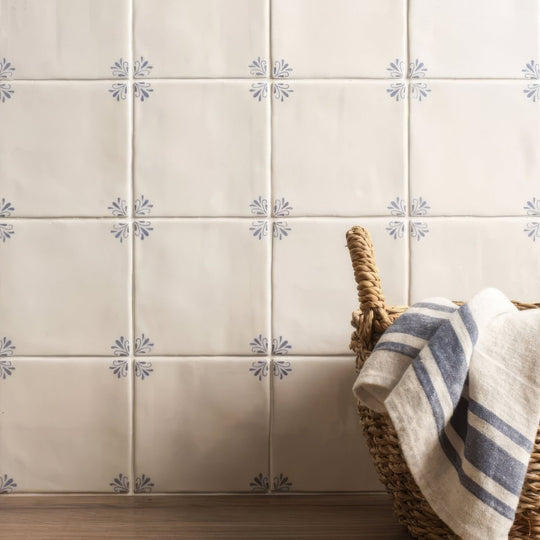
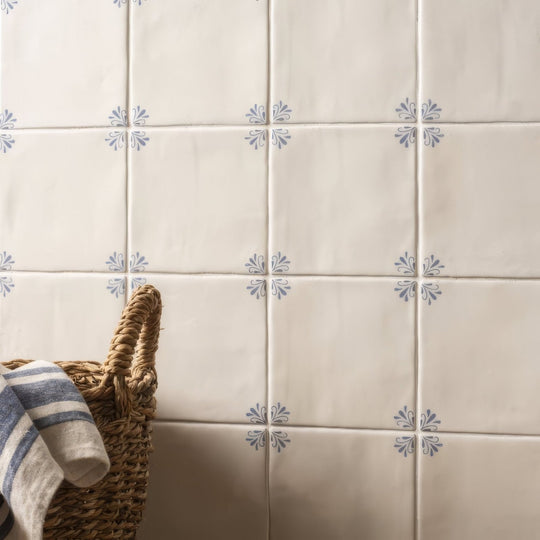
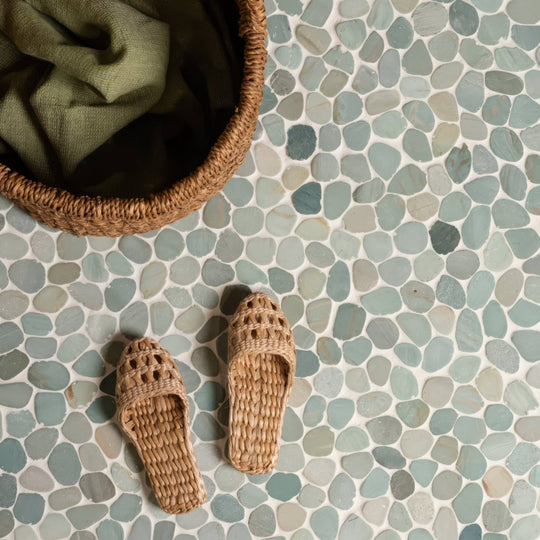
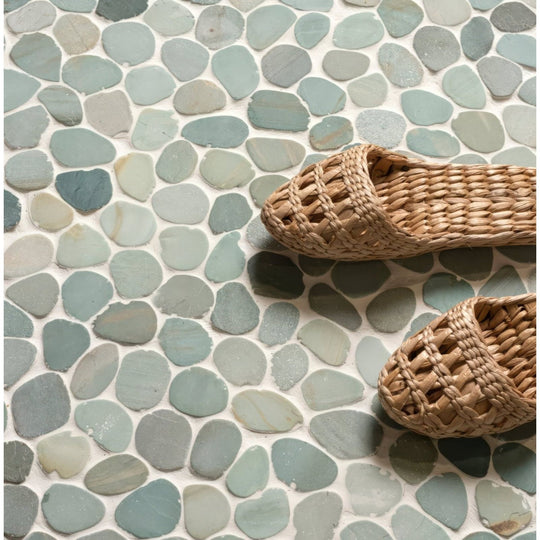
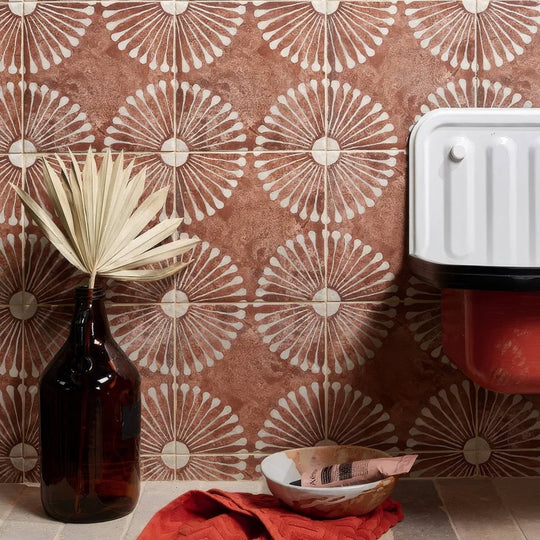
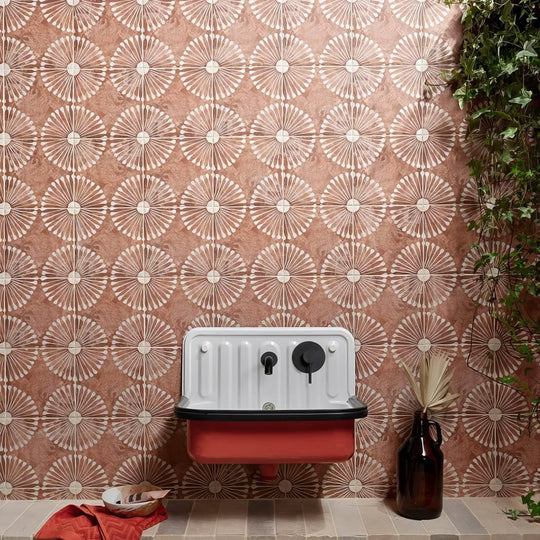
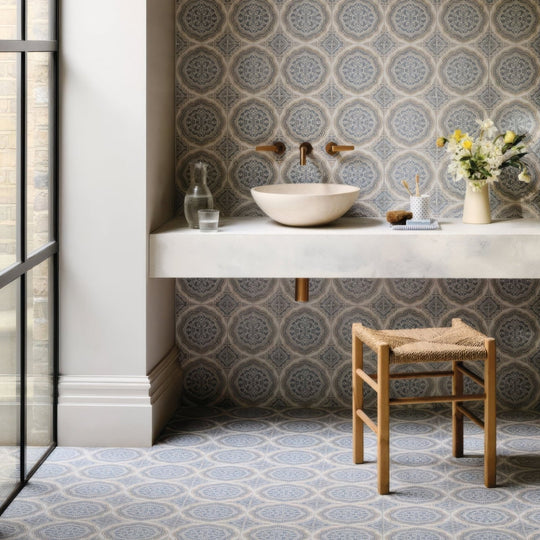
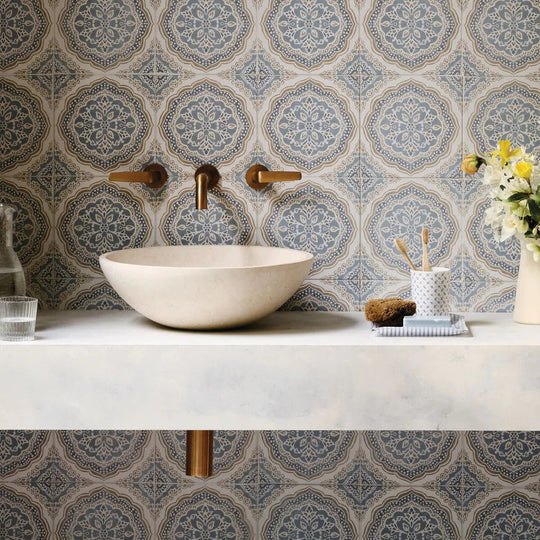
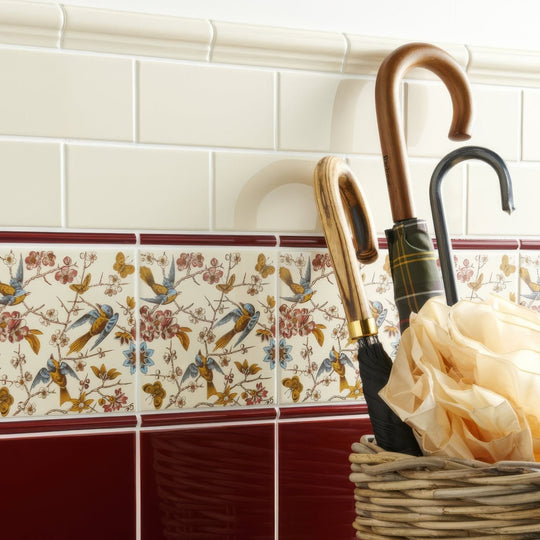
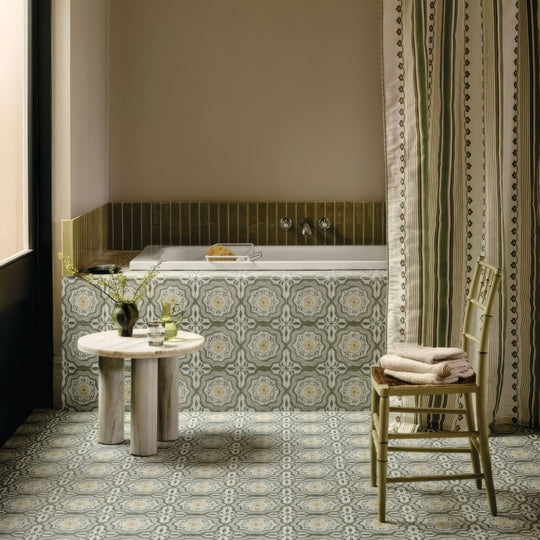
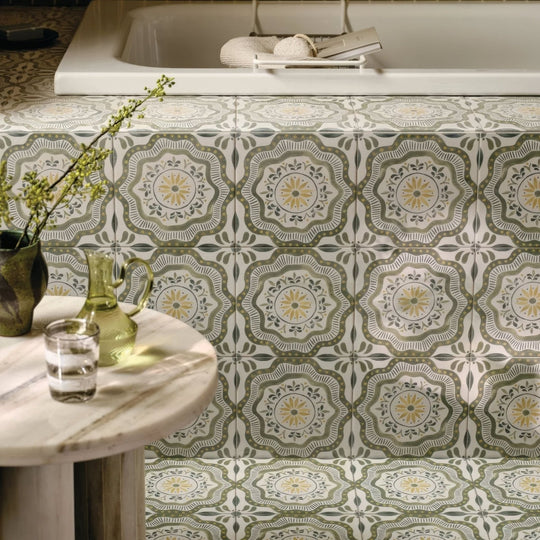
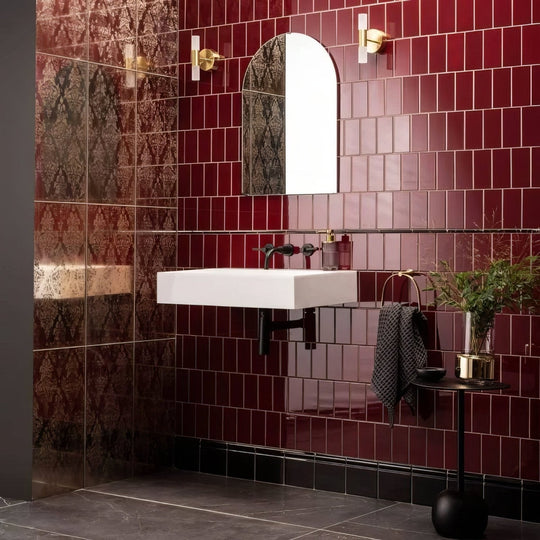
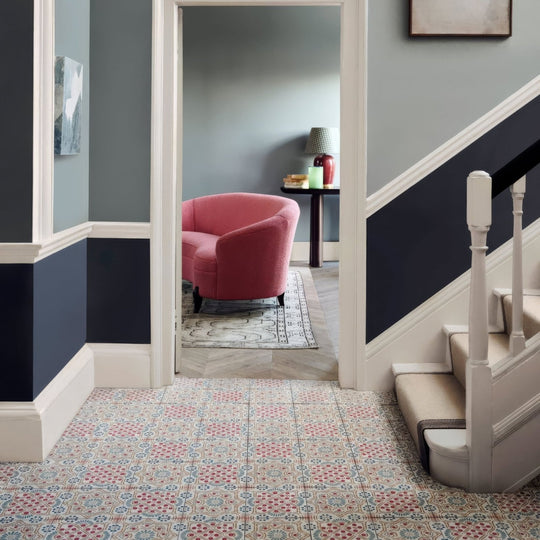
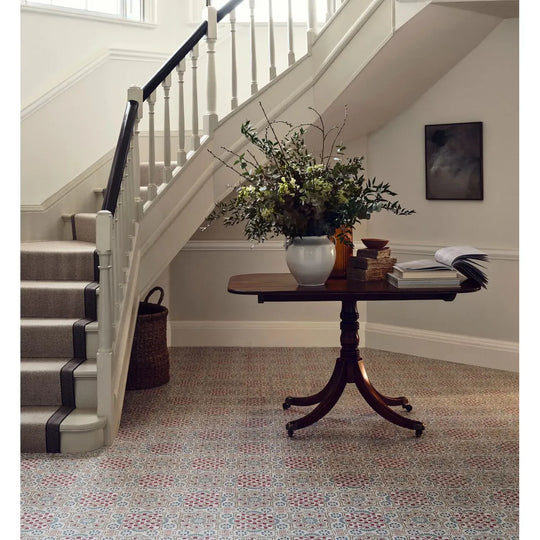
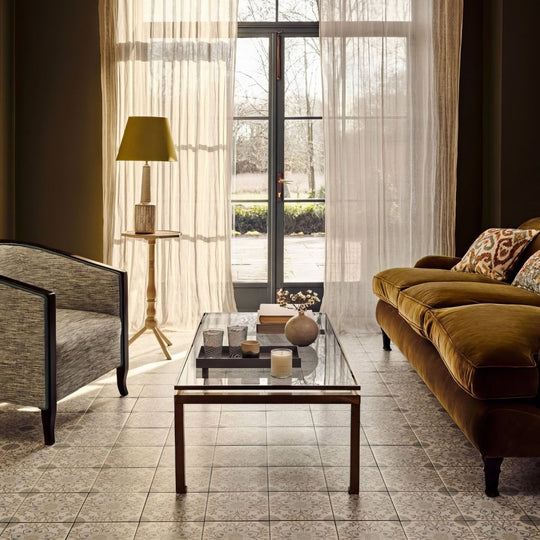
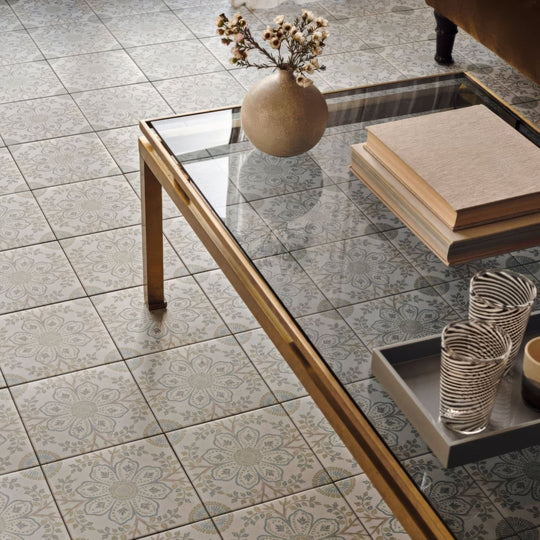
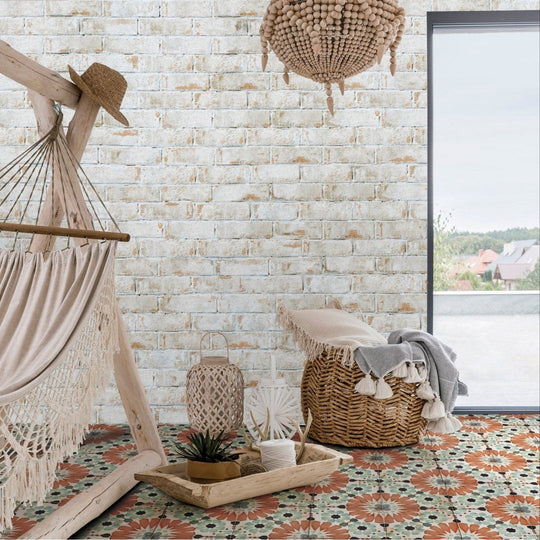
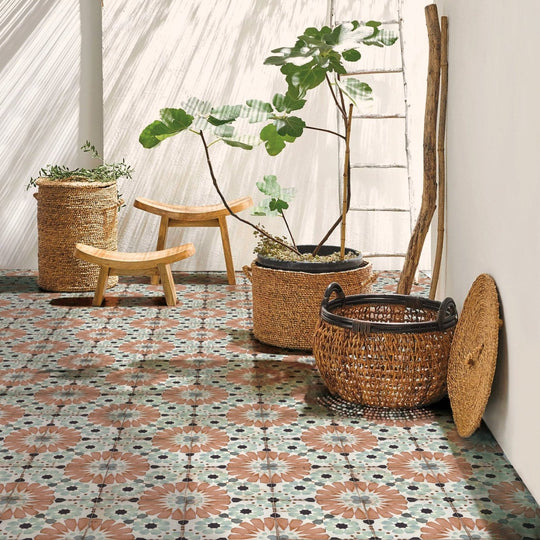
From hand-glazed Victorian florals to large-format porcelain and pebble mosaics, our bathroom collection brings together the surfaces that turn a functional room into a considered one. Filter by look, material or brand — and try before you tile with up to five free samples.

Based on 570 verified Trustpilot reviews
★★★★★
“Fast delivery and a beautiful sample, well worth getting to see the colours at home.”clare hughes · Verified
★★★★★
“Good, helpful service in the shop. Great quality product with speedy delivery.”Jo · Verified
★★★★★
“Great variety and quick to send out. Good value for money.”Mr David Thomas · Verified
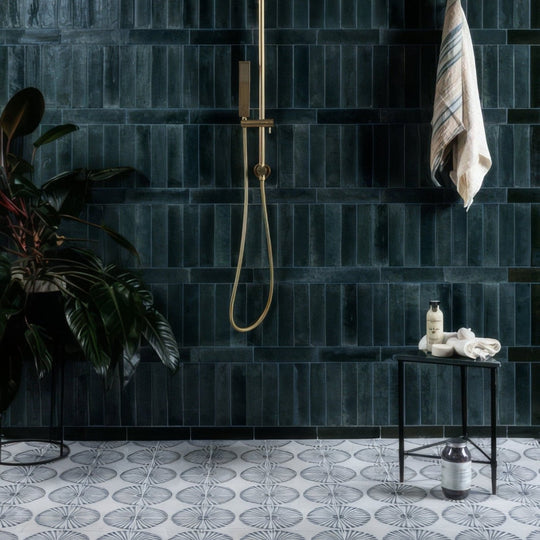
Transform your home with our collection of bathroom tiles, handpicked for high-end aesthetics and durable performance. At Hyperion Tiles you will find the perfect foundation for your bathroom project, with over 5,000 designer wall and floor tiles that elevate both traditional and contemporary schemes.
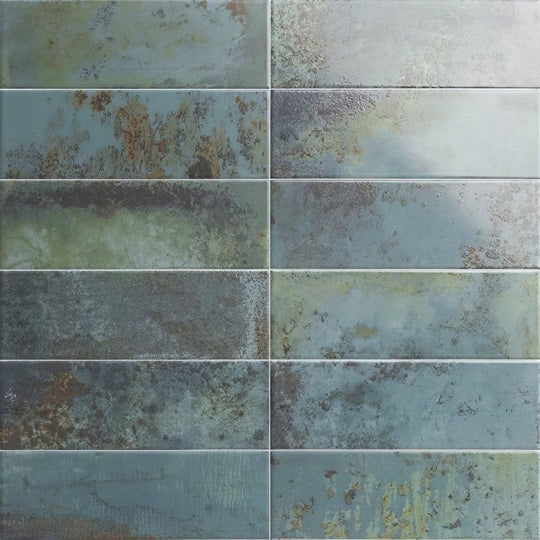
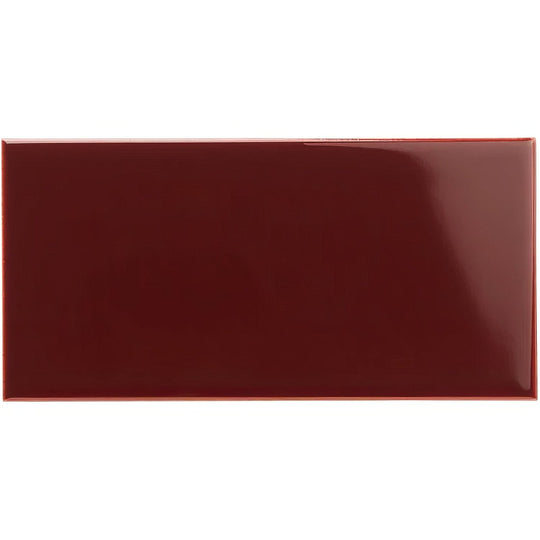
Explore our superior collection featuring premium materials, from the timeless beauty of marble to highly practical porcelain and ceramic options. Free cut samples let you experience the colours and textures in your own light before you buy.
Porcelain and ceramic bathroom tiles are the most practical all-rounders — water-resistant, durable and easy to clean. Natural stone such as marble, limestone and slate brings depth and character but needs sealing. For floors, check slip ratings (R10 or above for wet areas); for walls, almost any finish works. Not sure where to start? Read our expert guide to choosing bathroom tiles, or find our complete bathroom tile buying guide further down this page.
Shop by Type: Bathroom Floor Tiles | Bathroom Wall Tiles | Wet Room Tiles | Patterned Tiles | Shower Tiles
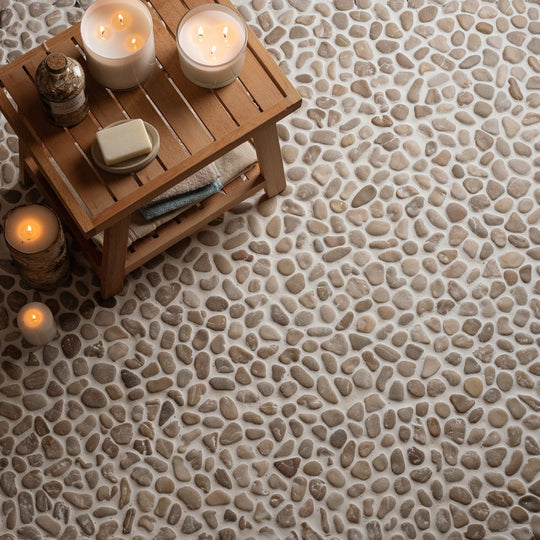
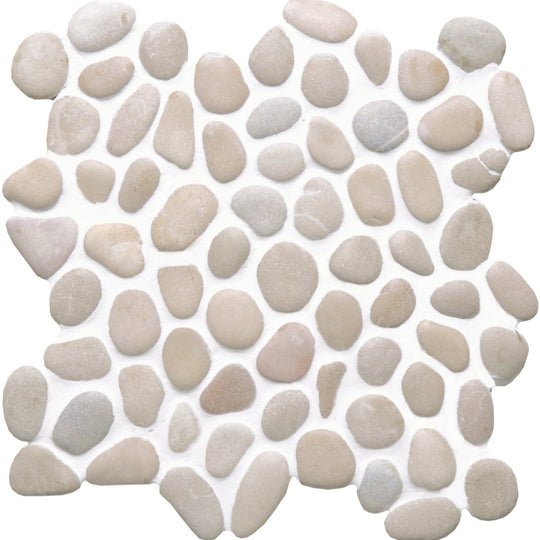
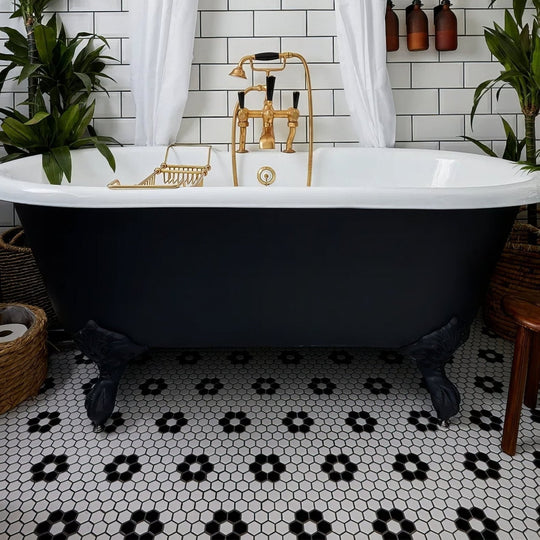
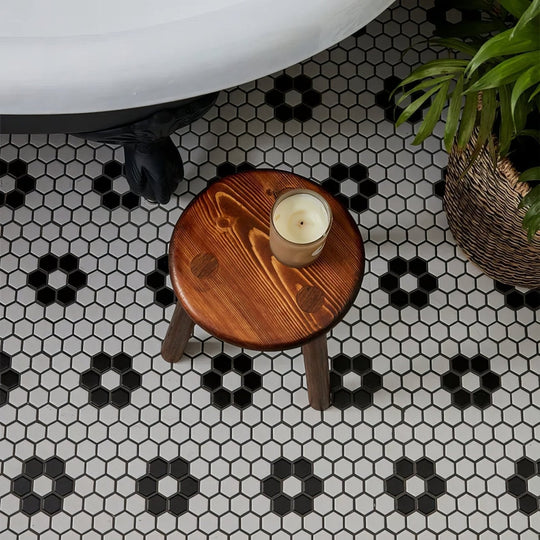
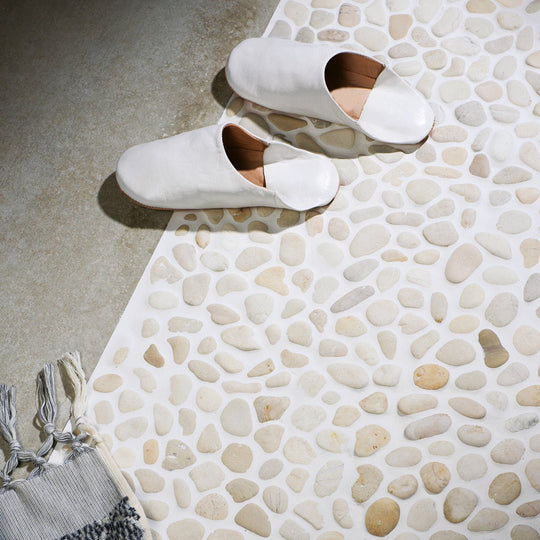
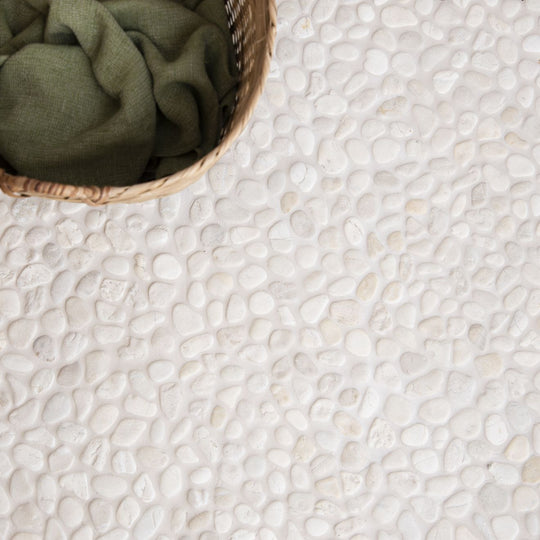
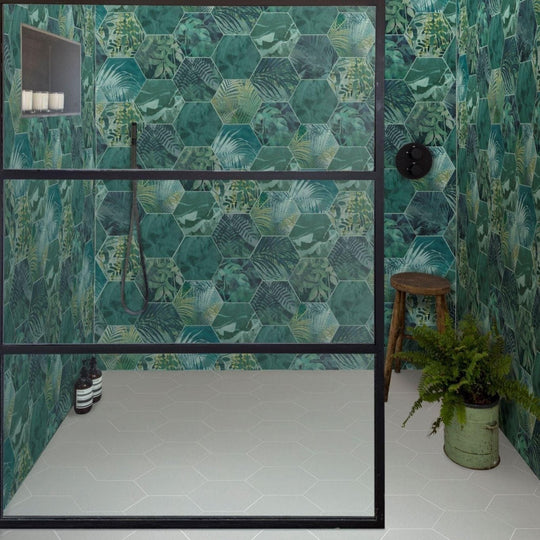
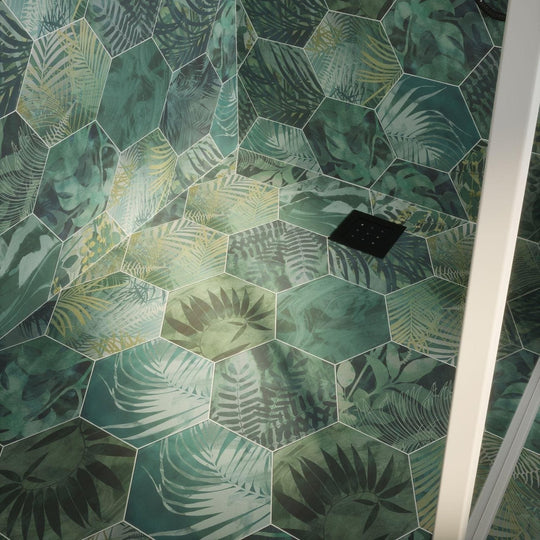
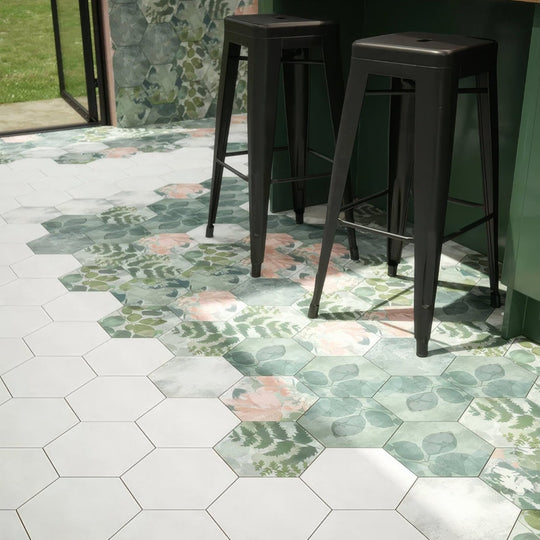
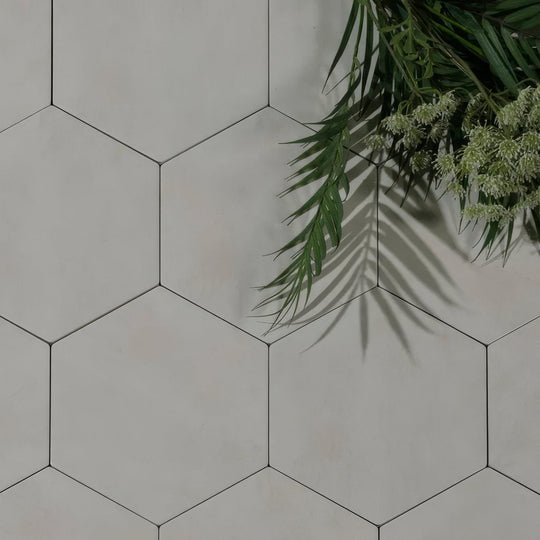
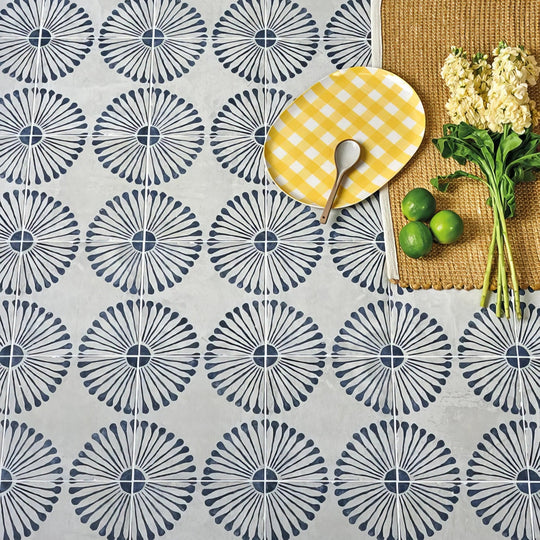
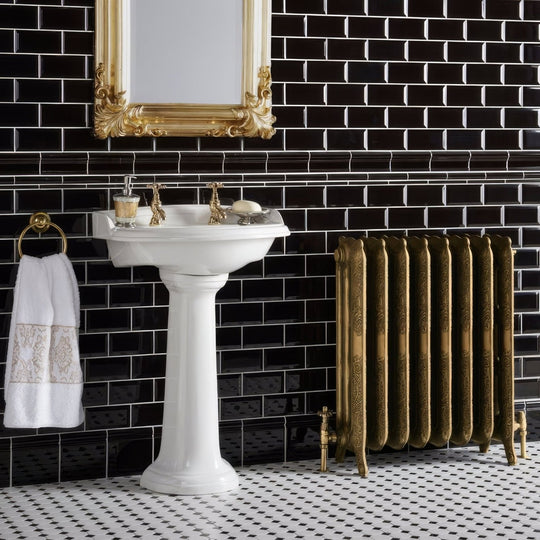
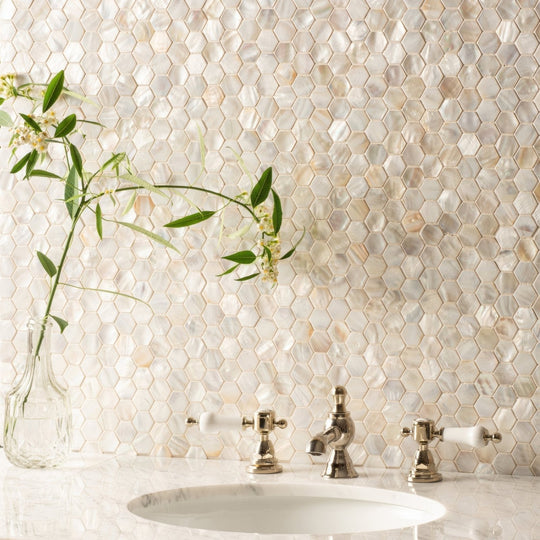
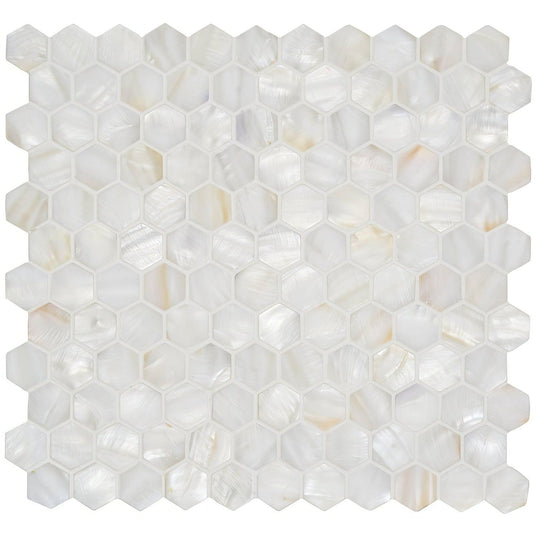
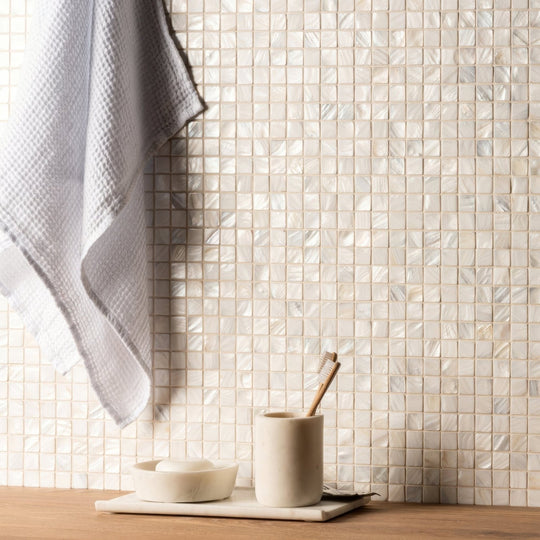
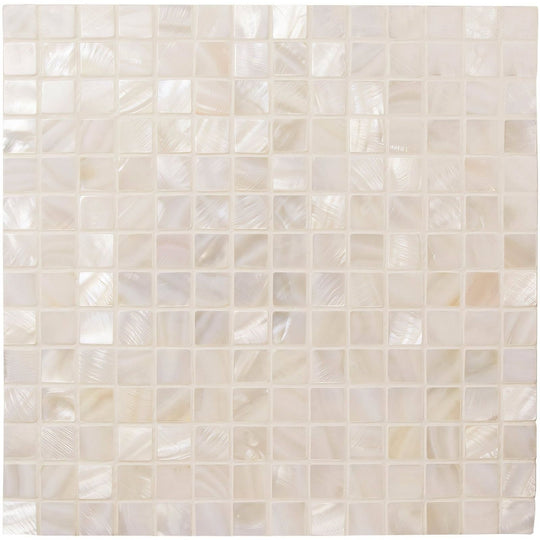
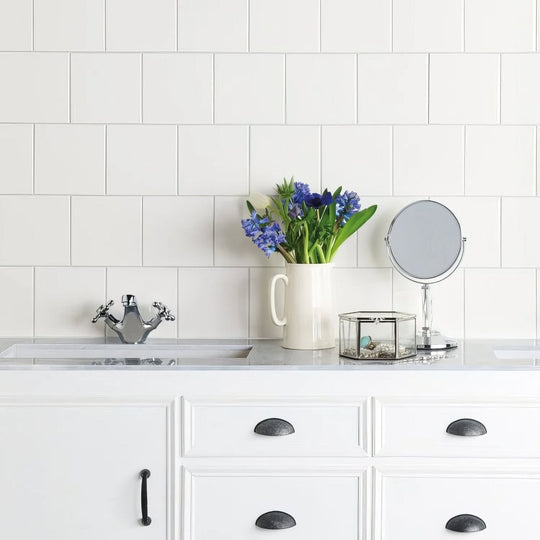
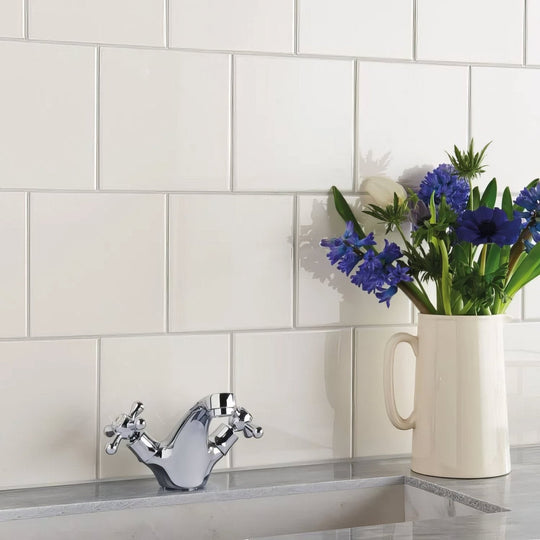
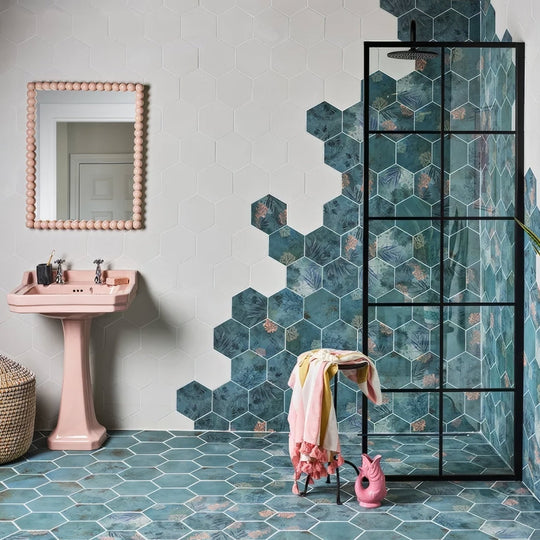
Popular bathroom styles: mosaic tiles, hexagon tiles and crisp white tiles, plus bold black and white tiles.
Shop premium brands: Fired Earth, Ca'Pietra, Original Style, Minoli and Porcelanosa.
Which tile is best for a bathroom?
Porcelain and ceramic are the best all-round bathroom tiles — water-resistant, hardwearing and easy to clean. Natural stone such as marble, limestone and slate adds character but needs sealing. For bathroom floors choose a tile with a slip rating of R10 or above; almost any finish is fine on walls.
What is the latest trend in bathroom tiles?
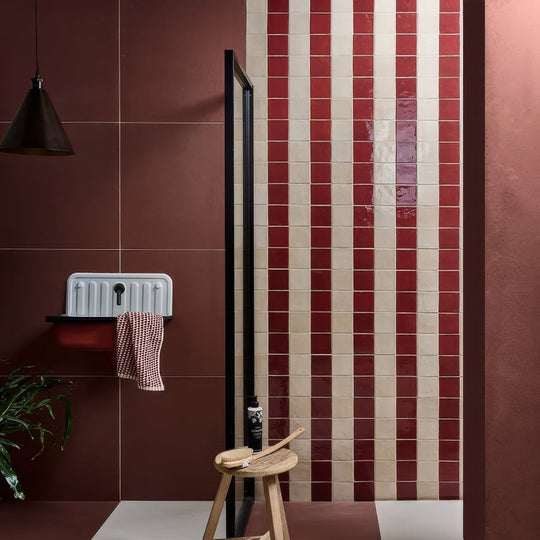
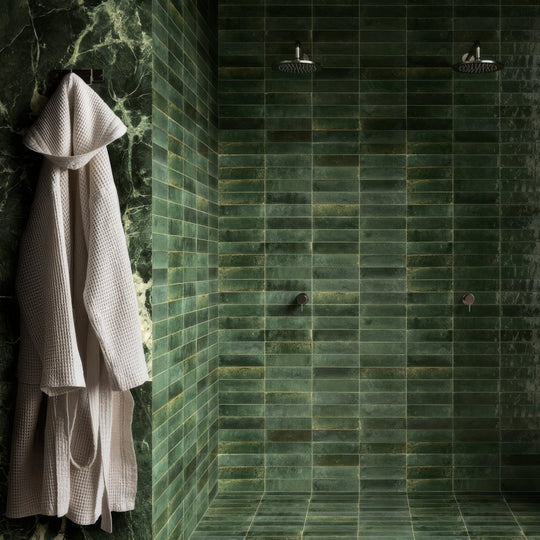
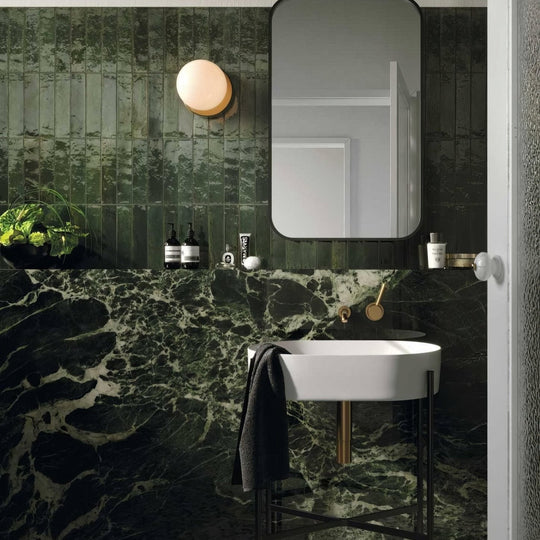
Current favourites are large-format and marble-effect porcelain for a seamless look, tactile matt and fluted or 3D finishes, warm earthy and green tones, and colour-drenched schemes where floor and wall tiles are tonally matched. Microcement and stone effects remain strong for a calm, spa-like feel.
Is ceramic or porcelain tile better for a bathroom?
Both work well on walls. Porcelain is denser and less porous, so it is the better choice for bathroom floors, showers and wet rooms; ceramic is a cost-effective, lighter option that is ideal for walls and splashbacks.
What is the best tile for a small bathroom?
Larger, light-toned tiles with fewer grout lines make a small bathroom feel bigger, and a gloss or satin finish bounces light around the room. Running the same tile from floor to wall, or into the shower, keeps the space feeling open and uninterrupted.
Do you offer free bathroom tile samples?
Yes — order up to 5 free cut samples to see the colour and texture in your own bathroom light before you buy, or visit our Ascot showroom for expert advice.
Independent Expertise
Forget the warehouse experience. Get expert design advice and technical support from our Ascot team.
Call 01344-620211 or start a Live Chat
Fast Nationwide Delivery
Get your designer brands delivered to your door in 1–5 working days.
Free UK shipping on all orders over £1,000
Official Designer Stockist
An authorised stockist of Fired Earth, Ca'Pietra, Minoli, Original Style and more — the genuine article, expertly specified and fully supported.
Rated excellent with 500+ five-star reviews.
15,000+ Luxury Styles
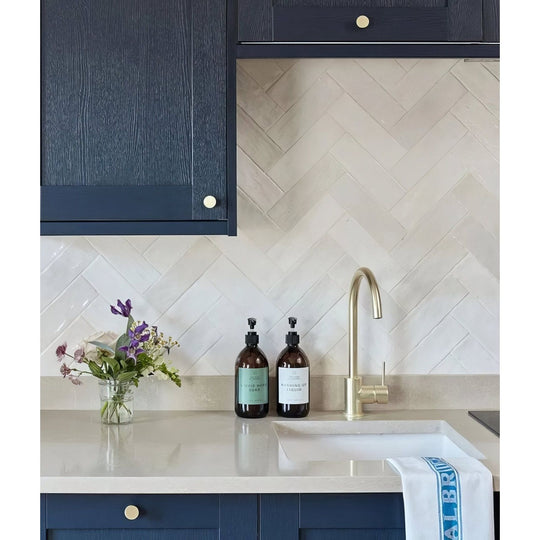
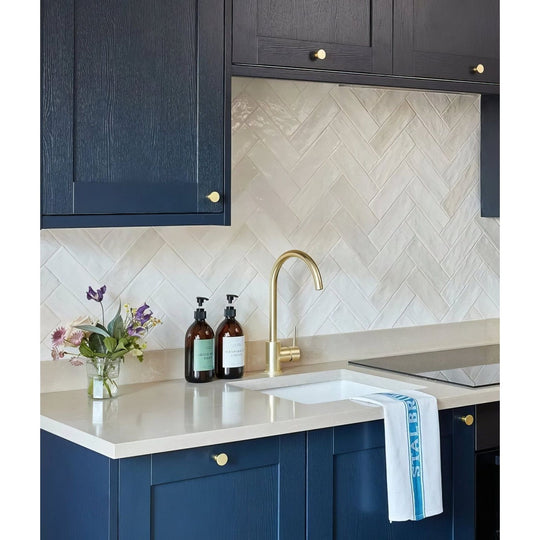
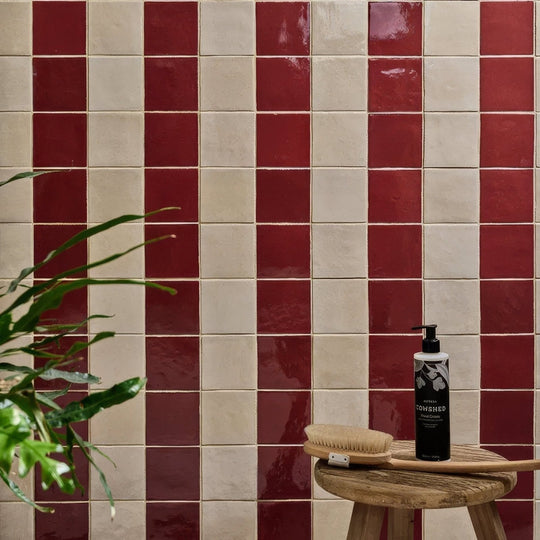
From artisanal Zellige to high-performance LVT, we curate the world's best brands in one place—no matter your project size.
Endless inspiration for every room.
Rated 4.8/5 — Excellent — 574 reviews on Trustpilot