 BEAUTY IN EVERY DETAIL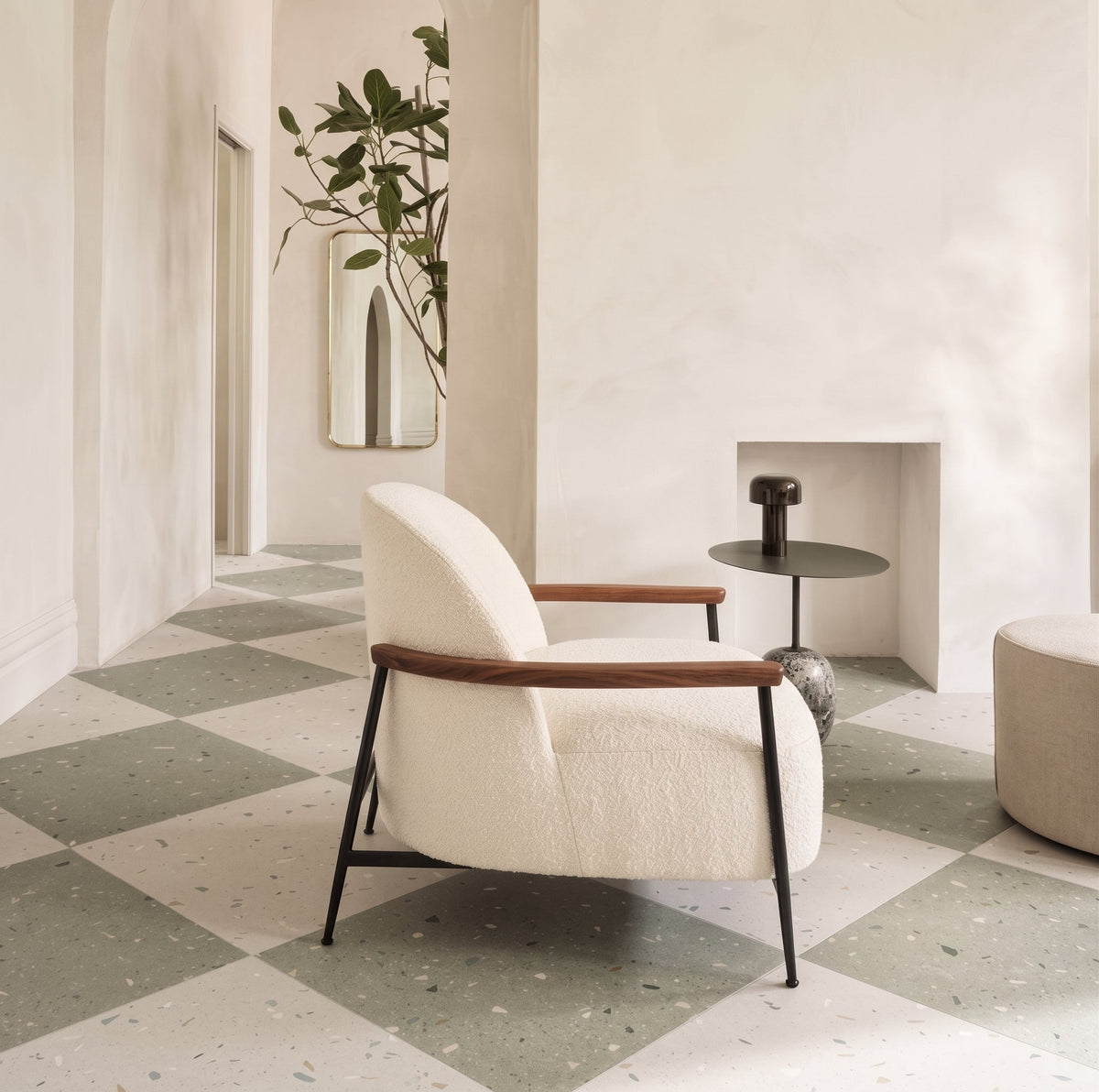
Tile durability plays a crucial role in the longevity and performance of your home. Many people assume that all tiles are equally tough — but that's far from the truth. Understanding the science behind tile durability, from PEI ratings to water absorption classifications, can save you time, money, and frustration, and ensures you make the right choice for every space in your home.

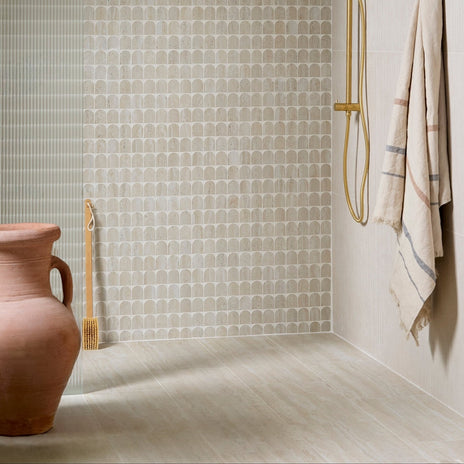
Our Ca' Pietra Zahara Porcelain Arch Mosaic tiles combine the look of veincut travertine with the practical benefits of porcelain. Finished in satin, these durable, low-maintenance tiles offer a natural stone aesthetic without the sealing and ongoing care associated with real travertine.
Key Points
- Choose the right PEI rating: Select tiles with a PEI rating of 4 or 5 for high-traffic areas such as kitchens, hallways and open-plan living spaces to ensure durability against wear and tear.
- Understand water absorption: Opt for impervious tiles (absorption under 0.5%) in bathrooms, wet rooms and kitchens — porcelain tiles typically fall into this category.
- Prepare substrates properly: Ensure the substrate is clean, level, and adequately cured before tiling begins — poor preparation is one of the most common causes of premature tile failure.
- Maintenance matters: Implement a consistent cleaning routine and seal porous tiles and grout regularly to protect from staining and moisture infiltration.
- Match tile to location: Wall tiles, floor tiles, and outdoor tiles all have different durability requirements — always check PEI rating, slip resistance (PTV), and frost resistance before purchasing.
Tile Durability: Key Ratings

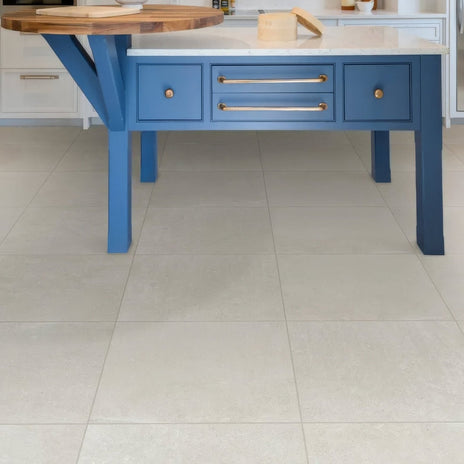
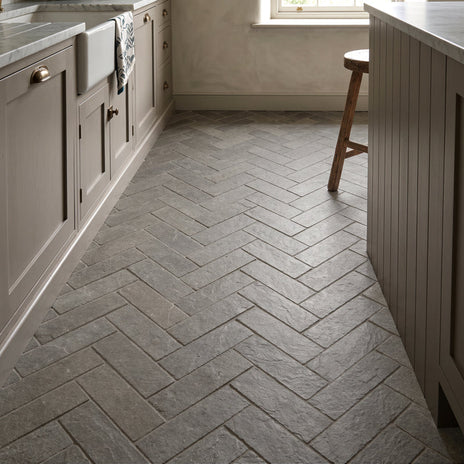
Our Lapicida Grasmere Limestone Parquet tiles are made from natural limestone with a honed finish. Limestone is strong and durable and works beautifully in kitchens and hallways, but unlike porcelain, it requires sealing and appropriate care to protect against staining and moisture.
Determining tile durability isn't just about choosing what looks good — it's about selecting materials that will withstand your specific environment and usage patterns. Understanding the standardised rating systems is essential for making informed decisions that serve you well for years to come.
The PEI Rating System
The Porcelain Enamel Institute (PEI) rating is the primary standard for evaluating tile durability. This system classifies tiles from Class 1 through Class 5, with each level indicating suitability for different traffic intensities and environments:
- Class 1: Suitable for walls and areas with no foot traffic
- Class 2: Appropriate for light traffic areas such as bathrooms and bedrooms
- Class 3: Designed for moderate traffic in most residential spaces
- Class 4: Engineered for heavy residential and medium commercial use
- Class 5: Built to withstand heavy commercial and public spaces such as airports and shopping centres
For British homeowners, selecting the right PEI rating means considering how the space will actually be used. A family kitchen with children and pets requires Class 4 tiles at minimum, while a rarely-used guest bathroom might only need Class 2.
Water Absorption Ratings
Water absorption directly affects how your tiles will perform over time, especially in moisture-prone areas. Tiles are categorised based on their porosity:
- Non-vitreous tiles (absorption >7%): Highly porous — best avoided in wet areas as they readily absorb water, making them vulnerable to damage and staining.
- Semi-vitreous tiles (absorption 3–7%): Moderate water resistance — can work in some indoor applications but are not ideal for bathrooms or kitchens.
- Vitreous tiles (absorption 0.5–3%): Good water resistance and versatility for most indoor applications.
- Impervious tiles (absorption <0.5%): Maximum water resistance — excellent for wet areas, outdoor installations, and freeze-thaw environments. Most porcelain tiles fall into this category.
Breaking Strength and Thickness

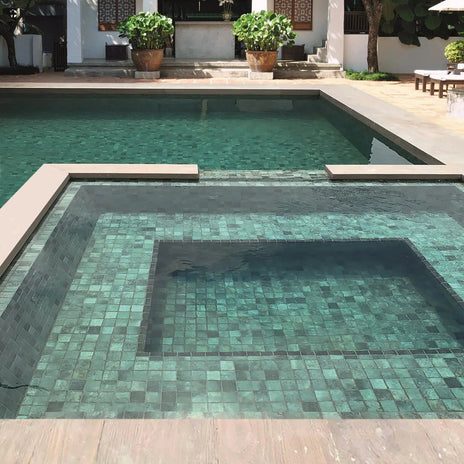
Our Waxman Ceramics Seychelles Penta Bali Stone tiles are crafted from glass with a matt finish in soft natural green tones. Their pentagonal mosaic format brings texture and character to walls, floors and pool interiors — demonstrating that durability doesn't have to mean compromising on decorative detail.
Breaking strength measures a tile's ability to withstand pressure before cracking — a critical factor for flooring applications, particularly in areas bearing heavy furniture or equipment. British and European standards use the modulus of rupture (MOR), expressed in N/mm². For flooring applications, tiles should have a minimum breaking strength of 1300N for residential use, and higher for commercial applications. Standard floor tiles range from 8mm to 12mm in thickness, while speciality tiles for commercial or outdoor use may exceed 20mm.
Coefficient of Friction (COF) and Slip Resistance
This rating indicates how slip-resistant a tile is — a crucial safety consideration, especially for wet areas. In the UK, the pendulum test is commonly used to determine slip resistance, resulting in a Pendulum Test Value (PTV):
- High slip potential: PTV 0–24
- Moderate slip potential: PTV 25–35
- Low slip potential: PTV 36+
For bathrooms, kitchens, and exterior applications, tiles with a PTV of 36 or higher are recommended — particularly important in the UK climate where rain and dampness are regular concerns.
Making the Right Selection
For high-traffic residential and commercial areas, select tiles with a PEI rating of 4 or 5, combined with appropriate water absorption rates and breaking strength metrics. When evaluating tiles for a project, always ask suppliers for documentation of these ratings rather than relying solely on verbal assurances — the right combination ensures you won't face the expense of premature replacement.
Material Composition and Strength

Our Ca' Pietra Deck Chair Porcelain Rose tiles are made from porcelain with a textured R10-rated finish, offering durability alongside their playful striped design. Suitable for interior and exterior walls and floors, they are a versatile option for bathrooms, kitchens and patios.
Understanding fundamental material composition is essential when assessing tile durability. The raw materials and manufacturing process directly influence how a tile will perform in various environments and under different conditions.
Ceramic vs. Porcelain: The Basic Distinction
Ceramic tiles are typically made from red or white clay mixtures, fired at temperatures between 1000°C and 1200°C. This results in a relatively porous body with moderate strength characteristics — perfectly suitable for many applications, but generally offering less durability than porcelain.
Porcelain tiles, by contrast, are manufactured from refined clay combined with feldspar and other minerals, fired at much higher temperatures (1200°C to 1400°C). This intense firing creates a denser, less porous material with superior strength. The result is a tile that's remarkably resistant to water, stains, scratches, and impact.

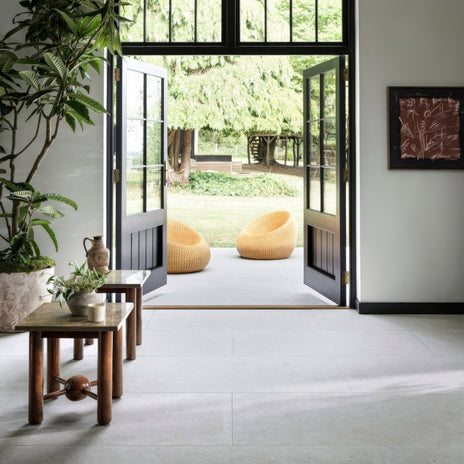
Our Fired Earth Piazza Bone tiles are made from porcelain and feature a matt finish with a warm, understated appearance. The durable porcelain construction and large 60x120cm format create a clean, contemporary look with fewer grout lines.
Density, Hardness and Internal Structure
The density of a tile — measured in grams per cubic centimetre — directly correlates with its durability. Higher-density tiles contain fewer air pockets and voids, making them less susceptible to cracks and breakage. Porcelain tiles typically have a density of 2.0–2.4 g/cm³, while standard ceramics range from 1.8–2.0 g/cm³.
Hardness, measured on the Mohs scale from 1 (softest) to 10 (hardest), indicates resistance to scratching and surface wear. Most ceramic tiles fall between 4–6 on this scale, while porcelain typically rates 7–8 — approaching the hardness of granite. For reference, a steel knife blade rates about 5.5, meaning it can scratch most ceramic tiles but not porcelain.
During firing, mineral components undergo vitrification — a process where they melt and reform into a glass-like structure. The degree of vitrification directly impacts strength, ranging from limited vitrification in decorative wall tiles through to complete vitrification in porcelain and technical tiles, which provides maximum strength and impermeability.
Composition Additives for Enhanced Performance
Modern manufacturing techniques allow for the inclusion of additives that can significantly improve tile performance:
- Alumina: Increases hardness and wear resistance, particularly beneficial in high-traffic areas.
- Silica: Improves thermal shock resistance, making tiles less likely to crack when exposed to temperature fluctuations.
- Metal oxide colorants: Beyond aesthetics, certain additives enhance tile strength by promoting more uniform firing and reducing internal stresses.
- Polymers: Some manufacturers incorporate polymers into the clay body or surface treatments to improve flexibility and impact resistance.
Installation and Usage Tips

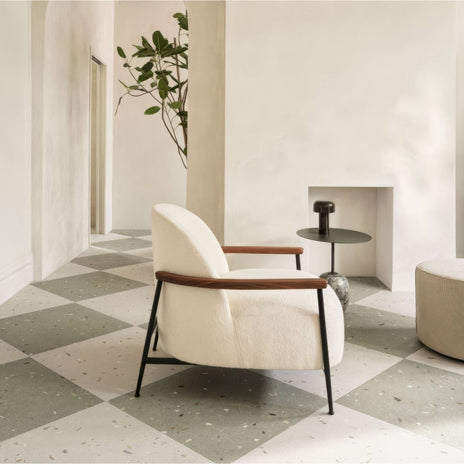
Our Fired Earth Confetti Cream and Confetti Green tiles are made from porcelain with a matt terrazzo-effect finish. Porcelain is a durable, hardwearing choice for busy floors, while the softly speckled design adds visual interest across kitchens, bathrooms and living spaces.
Tile durability goes beyond selecting the right material — proper installation and maintenance play crucial roles in ensuring tiles perform as expected throughout their lifespan. Even the most durable tiles can fail prematurely when installed incorrectly or subjected to inappropriate conditions.
Substrate Preparation: The Hidden Foundation
The surface beneath your tiles forms the literal foundation for durability. Ensure the substrate is clean, level, and free of cracks or defects — any imperfections will eventually telegraph through to the tiles, potentially causing cracking or lippage (uneven tile edges). For concrete substrates, allow adequate curing time (typically 28 days minimum) before tiling begins.
Moisture issues require special attention, particularly in British homes where damp can be persistent. For floor installations, consider using an uncoupling membrane between the substrate and tiles. This thin layer allows for differential movement, preventing cracks from transferring through to the finished surface — particularly important with timber subfloors or new concrete that may continue to settle.
Waterproofing Critical Areas
Waterproofing beneath tiles is essential in wet areas. Water that penetrates through grout lines can cause serious damage to the substrate, eventually compromising the entire installation. NHBC regulations effective January 2025 require all tiled wet areas in new UK homes to be waterproofed with an EAD-certified system — this is especially critical for showers exceeding 12 litres per minute or tiled wet rooms. For DIY renovators, this means applying a liquid waterproofing membrane before tiling begins, paying particular attention to corners, joints, and pipe penetrations.
Adhesive Selection and Application

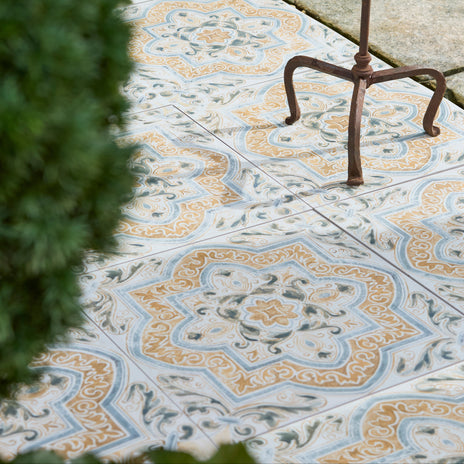
Our Ca' Pietra Tapestry Porcelain Paving tiles are made from 20mm porcelain with a textured R11-rated finish, frost resistance and a 10,000N breaking strength, combining decorative pattern with serious outdoor performance.
Different situations call for different adhesive products. Standard thinset mortar works well for most wall and floor applications in dry areas; flexible adhesives containing polymers are ideal where slight substrate movement is expected; and epoxy adhesives provide exceptional strength and water resistance for wet areas or commercial applications.
When applying adhesive, use the correct notched trowel to achieve proper coverage — the industry standard calls for a minimum of 80% adhesive coverage for dry areas and 95% for wet areas or heavy traffic zones. Occasionally lift a tile during installation to verify adequate coverage.
Expansion Joints and Grout Selection
All building materials expand and contract with temperature and humidity changes. Failing to accommodate this movement is a common cause of tile failure. Incorporate expansion joints where tiles meet walls or other vertical surfaces, at transitions between different substrates, every 4.5 to 6 metres in large installations, and over any existing structural joints. Fill these with flexible sealant rather than rigid grout.
On grout selection: sanded grout offers better durability for floor applications and wider joints (over 3mm); unsanded grout works best for wall tiles and narrower joints; epoxy grout provides superior stain and water resistance for wet areas and food preparation zones. Apply grout with a rubber float at a 45-degree angle, pressing firmly to ensure joints are completely filled.
Maintaining Your Tiles for Longevity

Our Minoli Marvel Diva Taj Mahal tiles are crafted from porcelain and available in both polished and matt finishes. The large 60x120cm format creates a sophisticated, seamless look, while porcelain provides a durable surface suitable for both walls and floors.
Proper maintenance is equally vital to ensure your tiles reach their maximum potential lifespan. Even the most resilient materials require appropriate care to maintain strength, appearance, and functionality over time.
Regular Cleaning Routines
Establish a consistent cleaning regimen as the foundation of tile maintenance:
- Dry cleaning: Sweep or vacuum loose debris daily or every other day in high-traffic areas. This prevents abrasive particles from scratching tile surfaces when walked upon.
- Damp mopping: Once or twice weekly, clean with plain warm water or a pH-neutral cleaner formulated for your tile type. Avoid saturating the floor — excess water can penetrate grout lines and compromise adhesives.
- Spot cleaning: Address spills immediately to prevent staining, especially acidic substances like wine, coffee, or fruit juice that can etch natural stone or penetrate unsealed grout.
Choosing Appropriate Cleaning Products
Using the wrong cleaning agents is one of the most common ways homeowners inadvertently damage their tiles:
- Ceramic and porcelain: These robust materials tolerate most pH-neutral cleaners. Avoid oil-based products that can leave residues and create slip hazards.
- Natural stone: Materials such as marble, limestone, and travertine are vulnerable to acidic cleaners — even mild acids like vinegar or lemon juice can etch these surfaces. Use only cleaners specifically formulated for natural stone.
- Terracotta and encaustic tiles: These more porous options benefit from specialised cleaners that won't strip protective sealants.
Sealing: Protection from Within
Natural stone, terracotta, and cement tiles require periodic sealing to maintain resistance to staining and moisture. Even some grout types benefit from regular sealer application. Frequency depends on traffic levels, water exposure, and the porosity of the material. A simple water test can determine if sealing is needed: place a few drops on the tile surface — if the water beads, the sealer is still effective; if it darkens or absorbs within a few minutes, it's time to reseal.
Preventing Physical Damage and Grout Maintenance
Apply felt pads under furniture legs to prevent scratching, place mats at entrances to trap grit and moisture, and consider area rugs in high-impact zones such as in front of kitchen sinks. Grout often deteriorates before the tiles themselves, so clean grout lines with a soft brush and appropriate cleaner regularly, repair cracked or missing grout promptly to prevent moisture infiltration, and apply grout sealer annually in wet areas such as showers and bath surrounds.
Design Tip: When choosing tiles for a family kitchen or hallway, prioritise PEI Class 4 or 5 porcelain and select a colour or finish that will age gracefully — mid-toned stones, warm greys, and textured matte surfaces all hide everyday marks far better than stark whites or highly polished finishes, without sacrificing the premium look.
Tile Ratings at a Glance
| Rating / Standard | What It Measures | Key Threshold | Recommended For |
|---|---|---|---|
| PEI Class 1–2 | Abrasion resistance | Low traffic | Walls, light-use bathrooms |
| PEI Class 3 | Abrasion resistance | Moderate traffic | Most residential floors |
| PEI Class 4–5 | Abrasion resistance | Heavy traffic | Kitchens, hallways, commercial spaces |
| Impervious (<0.5%) | Water absorption | Virtually waterproof | Wet rooms, outdoor, freeze-thaw |
| PTV 36+ | Slip resistance | Low slip potential | Bathrooms, kitchens, outdoor areas |
| MOR ≥1300N | Breaking strength | Minimum residential floor standard | All floor tile applications |
Frequently Asked Questions
What is the PEI rating system for tiles?
The Porcelain Enamel Institute (PEI) rating system categorises tiles from Class 1 (suitable for walls only) to Class 5 (designed for heavy commercial use). A Class 4 or 5 rating is recommended for high-traffic areas such as kitchens and hallways to ensure long-term durability.
How does water absorption affect tile durability?
Tiles are classified based on their water absorption rates. Impervious tiles (absorption under 0.5%) offer maximum water resistance and are ideal for moisture-prone areas, while non-vitreous tiles (absorption over 7%) are highly porous and unsuitable for wet environments such as bathrooms or kitchens.
What factors contribute to a tile's strength and durability?
Key factors include material composition (ceramic vs. porcelain), density and hardness, breaking strength, and coefficient of friction. Thicker and denser tiles generally provide greater durability against wear, scratches, and cracking. Proper installation on a correctly prepared substrate is equally important.
How can I maintain my tiles to ensure longevity?
Establish a regular cleaning routine using appropriate products for your tile type, apply sealers to porous tiles and grout, address any grout damage promptly, and protect tiles from physical damage with felt pads and entrance mats. Regular preventive maintenance is far more cost-effective than repair or premature replacement.
Elevate Your Space with Durable Tiles from Hyperion
Choosing the right tiles is more than a style choice — it's a critical investment in the function and longevity of your home. At Hyperion Tiles, we offer a curated selection of durable porcelain and ceramic tiles suited to every application, from busy family kitchens and wet rooms to outdoor patios and period hallways. Browse our collections at hyperiontiles.co.uk, order samples to test in your own space, or visit our Ascot showroom for expert, personalised advice.
Share:
Discover Luxury Trends in Flooring: Expert Design Tips
How to Incorporate Tiles: Top 2025 Home Design Tips