

Choosing the right bathroom tiles is more than just a design decision. It’s a blend of functionality and style that significantly impacts your daily routines. Studies show that well-chosen bathroom tiles can enhance both resale value and aesthetic appeal, with some homeowners reporting up to a 70 percent return on investment. But here’s the kicker: many people overlook the crucial aspects of practicality and maintenance when making their selection. The reality is that without understanding your bathroom’s specific needs, you risk transforming your dream space into a source of frustration. Dive into the world of tiles with confidence, and discover how informed choices can lead to a stunning and functional sanctuary.
Table Of Contents
- Understanding Bathroom Space Requirements
- Exploring 2025 Tile Trends
- Selecting Quality Tile Materials
- Avoiding Common Tile Pitfalls
Quick Summary
| Takeaway | Explanation |
|---|---|
| Understand Bathroom Space | Assess the size and layout of your bathroom to choose tiles that enhance both functionality and visual appeal while considering traffic flow and fixture placements. |
| Prioritise Quality Materials | Select tiles based on their durability, water absorption rates, and slip resistance to ensure longevity and safety in high-moisture environments. |
| Plan for Maintenance | Choose tile designs and materials that minimise cleaning efforts, such as large-format tiles, and consider the long-term maintenance requirements before making a selection. |
| Budget Wisely | Account for additional costs like adhesive, grout, and potential future repairs while ensuring not to compromise on quality to avoid costly replacements later. |
| Seek Professional Advice | Consult with tile specialists or designers to gain insights that can prevent common mistakes and enhance the overall outcome of your tile selection and installation. |
Understanding Bathroom Space Requirements
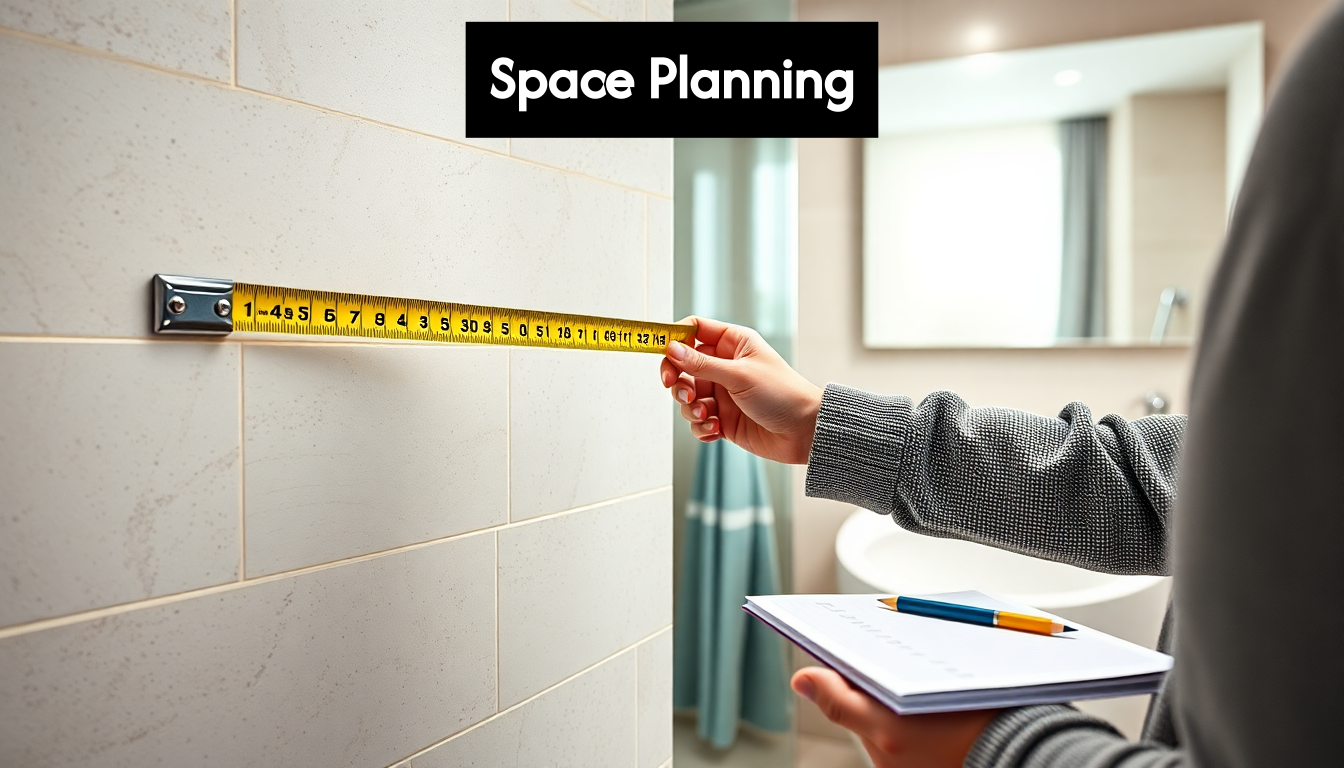
Before diving into how to choose bathroom tiles, it’s essential to understand the space you’re working with. The dimensions and layout of your bathroom significantly impact your tile selection, influencing everything from tile size to pattern arrangement.
Assessing Your Bathroom Size
Bathrooms come in various sizes, from compact powder rooms to spacious master ensuites. Each presents unique considerations when selecting tiles. According to Victorian Plumbing, UK bathrooms should have a clear floor space of at least 760mm from the front edge of all fixtures to any opposite wall or obstacle. This clearance ensures comfortable movement and accessibility.
In smaller bathrooms, large-format tiles can create an illusion of more space by reducing grout lines. However, they may require more cutting to fit around fixtures, potentially leading to wastage. For standard UK bathrooms containing a bath, experts recommend at least 2.8 square metres of floor space according to HMO Architects. This gives you adequate room to move and safely use all facilities.
Conversely, in larger bathrooms, you have more flexibility with tile sizes and patterns. You might consider creating feature areas with decorative tiles or incorporating multiple tile types without making the space feel cluttered.
Layout Considerations
The layout of your bathroom fixtures significantly impacts how tiles will appear and function. When planning your tile selection, consider:
- Traffic flow areas that need durable, slip-resistant tiles
- Wet zones around showers and baths that require proper waterproofing
- Feature walls that can handle more decorative or textured tiles
- Storage areas where tiles might need to support shelving or cabinetry
The minimum recommended door entry opening for a UK bathroom is at least 860mm wide. Additionally, fixture doors should not interfere with one another or restrict safe bathroom use. This spatial awareness helps ensure your chosen tiles work functionally within the space.
Measuring Accurately
Precise measurements are crucial when selecting and purchasing bathroom tiles. Before shopping for tiles:
- Measure each wall’s height and width, including areas behind fixtures
- Calculate floor space, accounting for fixed elements like toilets and vanities
- Note the positions of windows, doors, and other features that will interrupt tiling
- Consider the thickness of tiles and adhesive when planning for fixtures
Always add a 10-15% contingency to your tile calculations to account for cuts, breakages, and future repairs. This prevents the frustration of running short during installation or being unable to match tiles later.
Planning for Visual Impact
Understanding your bathroom’s spatial characteristics helps determine how tiles will visually impact the room. In bathrooms with low ceilings, vertical tile patterns or mosaics can create the impression of height. Similarly, in narrow bathrooms, horizontal patterns can make the space feel wider.
Consider sightlines when entering the bathroom. Which wall draws immediate attention? This might be an ideal location for feature tiles. For compact bathrooms, light-coloured tiles generally make the space feel more open and airy.
The junction between different surfaces also requires planning. Transitions between floor and wall tiles should be considered early, as should corners and edges. These areas often benefit from trim pieces or border tiles that create clean, professional finishes.
By thoroughly understanding your bathroom’s spatial requirements before choosing tiles, you’ll make more informed decisions that enhance both the functionality and aesthetic appeal of your space. This foundation ensures your tile selection complements rather than compromises your bathroom’s design potential.
Exploring 2025 Tile Trends
Staying current with the latest tile trends can help you create a bathroom that feels contemporary while maintaining timeless appeal. When choosing bathroom tiles, understanding what’s trending for 2025 can provide inspiration and ensure your renovation remains stylish for years to come.
Texture Takes Centre Stage
One of the most significant shifts in bathroom tile design for 2025 is the emphasis on texture. According to Sanctuary Bathrooms, textured bathroom tiles—including ridged and 3D patterns—are leading the trend landscape. These designs add visual interest and depth to bathroom spaces while maintaining practicality.
Textured tiles offer both aesthetic and functional benefits. They create fascinating shadow play when light hits the surface, adding dimension to otherwise flat walls. From subtle wave patterns to more pronounced geometric reliefs, these tiles invite touch and create a multisensory bathroom experience. In shower areas, textured tiles can also provide additional grip, marrying style with safety.
Designers are increasingly pairing textured tiles with smooth ones to create contrast and highlight feature areas. For instance, a textured feature wall behind a freestanding bath creates a striking focal point while smooth tiles elsewhere maintain a sense of calm and balance.
Large Format Tiles Continue to Grow
The trend toward larger tiles shows no signs of slowing in 2025. Large format tiles—typically starting at 60x60cm and going much larger—create fewer grout lines, resulting in a cleaner, more seamless look. Tiletopia notes that these larger sizes help create the illusion of bigger and more open spaces, particularly beneficial for small bathrooms.
The reduced number of grout lines not only creates a more spacious feel but also means less cleaning and maintenance. Modern manufacturing techniques have allowed for these larger tiles to be produced in thinner profiles, making them lighter and easier to install despite their size.
Interestingly, large format tiles aren’t limited to floors. Wall applications are increasingly popular, with sizes up to 120x240cm creating dramatic, nearly seamless surfaces. These expansive tiles can transform a bathroom wall into something resembling a single slab of natural stone or concrete, offering luxury appeal without the associated maintenance challenges.
Bold Patterns and Colour Returns
After years of minimalist design dominating bathroom spaces, 2025 sees a return to more expressive patterned tiles. My Stone Floor highlights that patterned tiles—ranging from vintage florals to bold geometric designs—stand out as a trend for 2025, offering both aesthetic appeal and practical performance in high-moisture UK bathroom environments.
These statement tiles work particularly well in powder rooms or as feature walls in larger bathrooms. They allow homeowners to express personality and create memorable spaces without overwhelming the entire room. Vintage-inspired encaustic patterns offer nostalgic charm, while contemporary geometric designs provide modern sophistication.
Colour is making a comeback as well, with emerald greens, terracotta, and deep blues gaining popularity. These richer hues create warmth and character, moving away from the clinical white and grey schemes that dominated the past decade. For those hesitant about too much colour, coloured tiles in shower niches or as borders offer a more subtle way to incorporate this trend.
Sustainability Becomes Essential
Perhaps the most important trend for 2025 isn’t about aesthetics at all, but rather the growing emphasis on sustainable tile production and materials. Eco-conscious consumers are increasingly seeking tiles made from recycled materials or manufactured using environmentally responsible processes.
Reclaimed tiles, particularly those with historic patterns, offer both sustainability credentials and unique character. Meanwhile, innovations in tile manufacturing have led to products that actively improve indoor air quality by absorbing and neutralising pollutants.
When choosing bathroom tiles with sustainability in mind, look for manufacturers who provide transparency about their environmental practices, water usage, and energy consumption during production.
By considering these 2025 trends when selecting bathroom tiles, you’ll create a space that feels current yet enduring. Remember that the best approach is to balance trend-forward elements with classic components, ensuring your bathroom remains stylish long after these trends evolve.
Selecting Quality Tile Materials
When choosing bathroom tiles, understanding the quality and properties of different materials is essential for making an informed decision. The right tile material not only affects the aesthetic of your bathroom but also its durability, maintenance requirements, and overall performance in wet conditions.
Understanding Tile Material Options
Bathroom tiles come in various materials, each with distinct characteristics suited for different applications:
Porcelain Tiles: These dense, hard-wearing tiles are the gold standard for bathroom applications. According to Hyperion Tiles, porcelain tiles typically have an impervious water absorption rate (less than 0.5%), making them exceptionally suitable for UK bathrooms where moisture resistance is crucial. Their low porosity makes them highly resistant to stains and water damage, while their durability ensures they can withstand heavy use without showing wear.
Ceramic Tiles: Generally more affordable than porcelain, ceramic tiles are still a popular choice for bathroom walls. They’re easier to cut than porcelain, making them suitable for complex installation patterns. However, they typically have higher water absorption rates, so they’re better suited for walls rather than floors in wet areas. The NHBC Standards specify that ceramic wall tiling must provide a surface adequate for its intended location and use, ensuring both appearance and durability to meet quality assurance in UK homes.
Natural Stone: Materials like marble, limestone, slate, and travertine offer unique beauty with no two tiles being identical. However, they require more maintenance than manufactured tiles and usually need regular sealing to prevent water damage and staining. Natural stone can also be more slippery when wet, so careful selection is necessary for floor applications.
Glass Tiles: These provide a reflective, luminous quality that can enhance light in a bathroom. They’re completely waterproof and resistant to stains and mildew, making them excellent for shower walls or feature areas. However, they’re rarely suitable for floors due to slip resistance concerns.
Assessing Tile Quality and Durability
When evaluating tile quality, several industry-standard ratings can guide your decision:
The Porcelain Enamel Institute (PEI) rating is the primary standard for assessing tile durability. For bathroom floors, look for tiles with a minimum PEI rating of 3 for residential bathrooms, which indicates suitability for moderate traffic. For busier family bathrooms, a PEI rating of 4 provides better durability.
For floor tiles in residential bathrooms, Hyperion Tiles notes that British and European standards recommend a minimum breaking strength of 1300N. Thicker tiles (8mm to 12mm) generally offer greater durability, making them better suited for high-traffic or heavy-use areas.
Water absorption rating is another critical factor for bathroom applications. Look for tiles with the following ratings:
- Impervious: Less than 0.5% water absorption (ideal for wet areas)
- Vitreous: 0.5-3% water absorption (suitable for most bathroom applications)
- Semi-vitreous: 3-7% water absorption (less suitable for wet areas unless sealed)
- Non-vitreous: More than 7% absorption (not recommended for bathrooms)
Slip Resistance Considerations
For bathroom floor tiles, slip resistance is a crucial safety factor. Look for tiles with an R-rating (ramp test) or a PTV (pendulum test value) that indicates appropriate slip resistance for wet areas. In the UK, a PTV of 36 or higher is generally recommended for bathroom floors. Textured or matte-finish tiles typically offer better slip resistance than highly polished ones.
Anti-slip properties are particularly important in shower areas or bathrooms used by children or elderly individuals. Many manufacturers now offer tiles specifically designed with enhanced grip for these applications without compromising on style.
Quality Indicators in Manufacturing
Quality bathroom tiles should display consistent colour, thickness, and dimensions across all pieces. Examine the edges of tiles for straightness and precision cutting. For printed designs, check that patterns align correctly when tiles are placed together.
Reputable manufacturers will provide comprehensive product information, including technical specifications and performance ratings. They should also offer clear installation guidelines and maintenance recommendations specific to their products.
Environmental and Health Considerations
Increasingly, tile quality also encompasses environmental factors. Look for manufacturers who use sustainable practices and offer low-VOC (volatile organic compound) products. Some tiles are now made from recycled materials or manufactured using energy-efficient processes, reducing their environmental impact without compromising quality.
By understanding these quality indicators and material properties, you’ll be better equipped to select bathroom tiles that not only look beautiful but also perform exceptionally well in the demanding bathroom environment. Remember that investing in higher-quality tiles often proves more economical in the long run, reducing replacement and maintenance costs while providing lasting satisfaction.
Avoiding Common Tile Pitfalls
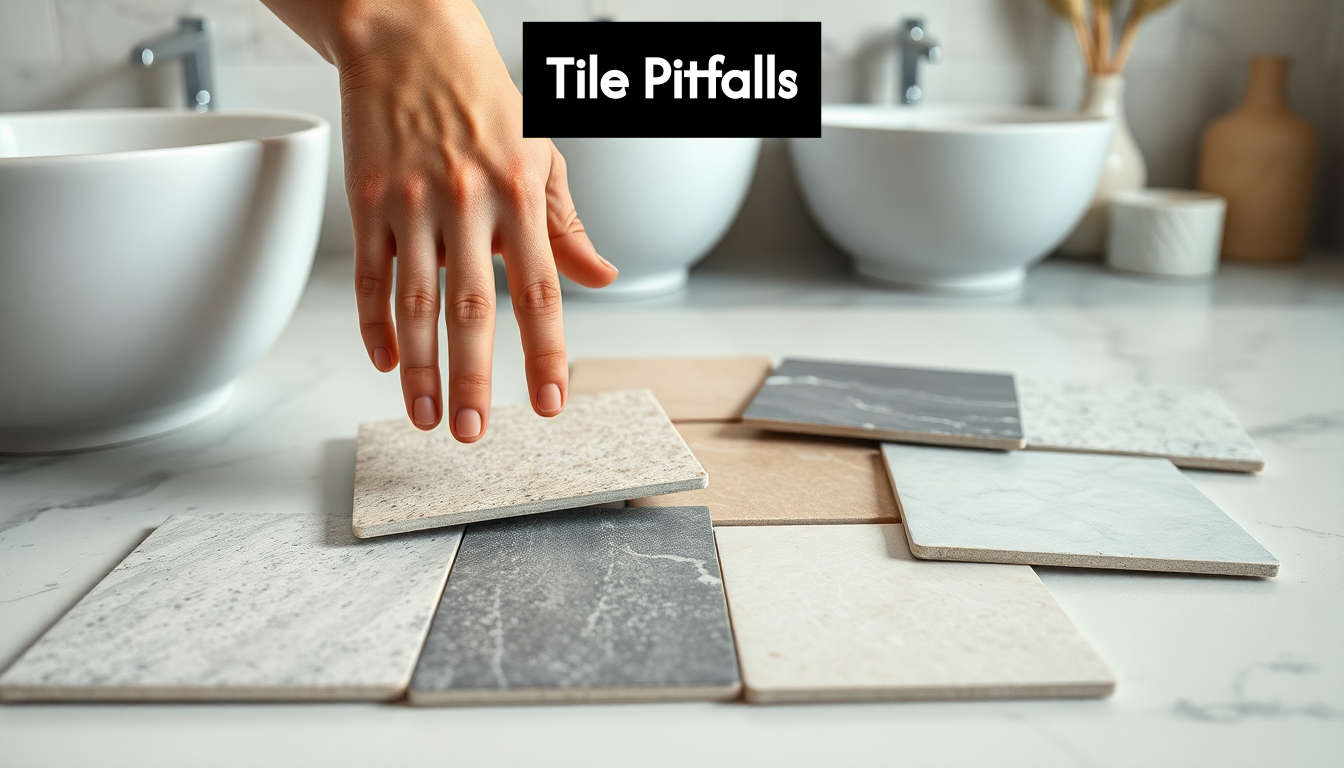
Even with careful planning, many homeowners encounter challenges when selecting bathroom tiles. Being aware of common pitfalls can save you time, money, and disappointment. Let’s explore the most frequent mistakes people make when choosing bathroom tiles and how to avoid them.
Neglecting Practical Considerations
One of the most common mistakes is prioritising aesthetics over practicality. While beautiful tiles can transform a bathroom, they must also be functional in this high-moisture, high-traffic environment. According to London Tiling Company, selecting tiles without considering durability and maintenance requirements is a significant pitfall.
Porcelain tiles are recommended for their superior water resistance and longevity, especially in wet areas, while natural stone tiles, though beautiful, demand regular sealing and maintenance in UK bathrooms. Before falling in love with a particular tile, consider:
- Will it withstand frequent water exposure?
- Is it appropriate for your specific usage patterns?
- How much maintenance will it require?
For high-traffic bathrooms, prioritise durability over delicate materials that might quickly show wear or damage. Similarly, in family bathrooms, opt for tiles that resist staining and are easy to clean.
Overlooking Long-Term Maintenance
Maintenance requirements often go unconsidered during the selection process. Intricate mosaics and textured tiles can look stunning initially but may become frustrating when they trap dirt or soap residue that’s difficult to remove.
Grout lines are particularly maintenance-intensive in bathrooms. The London Tiling Company notes that choosing large-format tiles can reduce the number of grout lines, helping to prevent moisture penetration and making cleaning easier—ideal for minimizing maintenance issues and ensuring long-term tile performance. If smaller tiles are preferred for design reasons, consider using epoxy grout, which is more stain-resistant than traditional cement-based options.
Budget Miscalculations
Underestimating costs is a pervasive issue in bathroom renovations. When budgeting for tiles, remember to account for:
- Additional materials (adhesive, grout, trims, sealants)
- Wastage (typically 10-15% extra for cutting and breakages)
- Installation labour (professional tiling can cost as much as the tiles themselves)
- Potential future replacements (buying extra tiles for potential future repairs)
Cutting corners on quality to save money often leads to premature replacement, costing more in the long run. Instead, consider limiting premium tiles to feature areas while using more affordable options elsewhere.
Ignoring Environmental Impact
As sustainability becomes increasingly important, overlooking eco-friendly options constitutes another pitfall. Ignoring eco-certifications and sustainable material sourcing is increasingly regarded as a mistake. Opting for tiles with recognized eco-certifications helps ensure responsible manufacturing practices and aligns with emerging standards in sustainable UK interiors.
Consider tiles made from recycled materials or those produced using energy-efficient methods. While these might sometimes carry a higher initial cost, they reflect growing consumer consciousness about environmental impact and may add value to your property in the long term.
Poor Planning and Measurement
Inaccurate measurements can lead to running short of tiles mid-installation or purchasing excessive quantities. Before ordering:
- Measure each surface multiple times for accuracy
- Calculate the total area, adding the 10-15% contingency mentioned earlier
- Consider pattern layouts that might require additional tiles
- Account for fixtures, windows, and other features that will reduce the tiled area
Poor planning also includes failing to consider how different tiles will transition between spaces. Awkward transitions between floor and wall tiles or between the bathroom and adjacent rooms can detract from an otherwise beautiful design.
Trend-Chasing Without Consideration
Following trends without considering your bathroom’s specific context can lead to regrettable choices. While trendy tiles might look impressive initially, they may appear dated quickly. Instead, consider trends as inspiration while selecting tiles that:
- Complement your home’s overall style
- Reflect your personal taste
- Will appeal to you beyond the short term
For a more timeless approach, consider using trending colours or patterns in easily replaceable accessories rather than permanent tile installations.
Neglecting Professional Advice
Finally, attempting to make all decisions without seeking professional input can lead to avoidable mistakes. Tile specialists, interior designers, and professional installers can provide valuable insights on:
- Material suitability for specific applications
- Pattern layouts that maximize visual impact
- Technical considerations that affect installation and longevity
- Creative solutions to challenging spaces
Even a brief consultation can help you avoid costly errors and result in a more successful outcome.
By being aware of these common pitfalls, you’ll be better equipped to make informed decisions when choosing bathroom tiles, resulting in a space that remains beautiful and functional for years to come.
Frequently Asked Questions
What should I consider when choosing bathroom tiles?
Choosing bathroom tiles involves assessing your space requirements, understanding material options, prioritising slip resistance, and planning for long-term maintenance. It’s important to balance aesthetics with functionality to ensure a durable and safe environment.
How do I measure my bathroom for tiles?
To measure your bathroom accurately, measure each wall’s height and width, calculate the floor area, and note the positions of fixed elements like toilets and vanities. Always add a 10-15% contingency to your calculations for cuts and potential wastage.
What are the current trends in bathroom tiles for 2025?
In 2025, notable trends include textured tiles, large format tiles for a seamless look, bold patterns and colours, and a strong emphasis on sustainability. These elements can help create a modern yet timeless space that reflects personal style.
How can I ensure my bathroom tiles are slip-resistant?
To ensure slip resistance, look for tiles with a high PTV (pendulum test value), generally 36 or higher for bathroom floors. Textured or matte-finish tiles typically offer better grip, which is especially important in wet areas such as shower spaces.
Transform Your Bathroom Vision into Reality with Hyperion Tiles!
Choosing the perfect bathroom tiles can feel like searching for a needle in a haystack, especially with the multitude of trends, materials, and maintenance considerations mentioned in our latest article on tile selection. Are you feeling overwhelmed by the complexities of ensuring durability, aesthetic appeal, and safety in your choices? At Hyperion Tiles, we understand that the right tiles not only elevate your bathroom’s design but also meet functional demands.
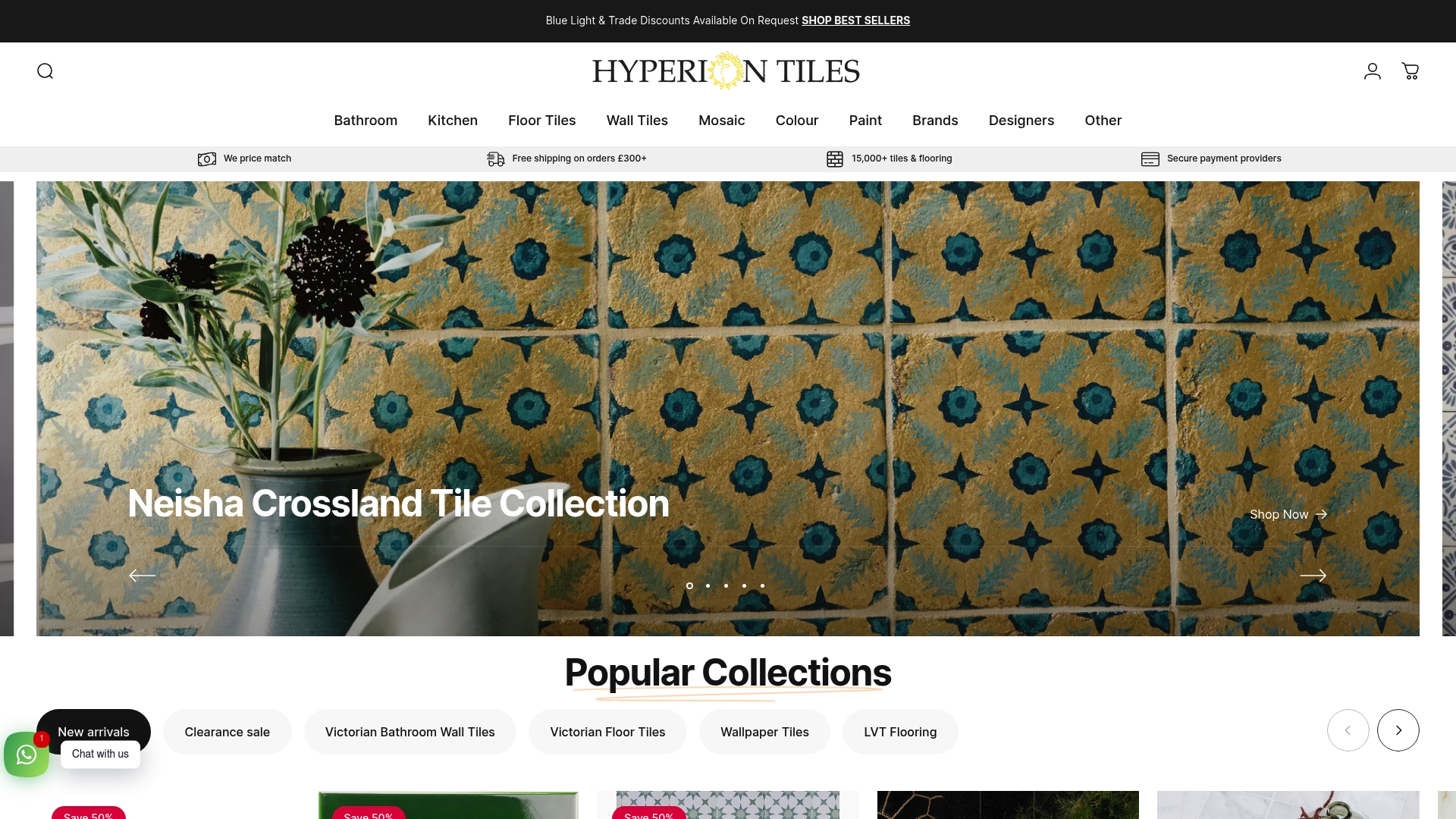
Unlock a hassle-free shopping experience with our extensive range of premium tiles specifically tailored for bathrooms! Enjoy our trade discounts, price matching, and free shipping on orders over a certain threshold to ensure you achieve your dream space without breaking the bank. Don’t wait to delve into our curated collections—explore how you can elevate your renovation journey today at Hyperion Tiles. Browse our site now and turn your ideas into reality with confidence!
Recommended Articles
- Feature Walls: Bespoke Panels for Projects | Hyperion Tiles
- Mix and match: mosaic tile combinations to elevate your living space
- Top 10 Ideas for Your Home – Beige Tiles | Hyperion Tiles
- 5 Things to Consider When Purchasing Tiles | Hyperion Tiles
- Decor ideas to transform a small bathroom into a luxury retreat
Share:
2025 Modern Bathroom Ideas: Ultimate Chic Trends & Tips
What is a Wet Room? Benefits and Design for 2025