★★★★★
Fast delivery and beautiful sample
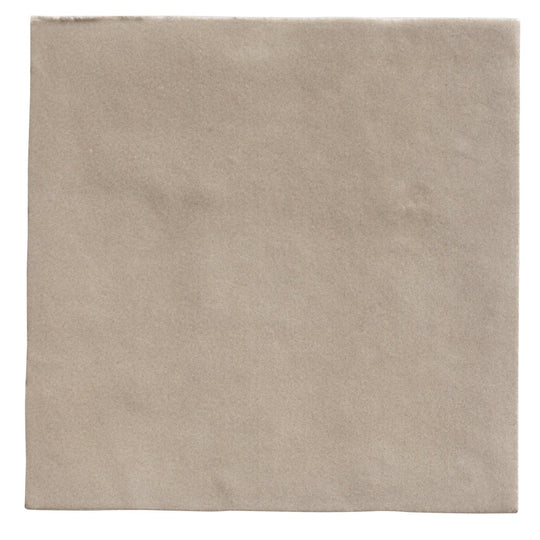
“Fast delivery and a beautiful sample, well worth getting to see the colours at home.”clare hughes · Verified
 BEAUTY IN EVERY DETAIL

The collection, elevated.
Explore the collection, compare your favourites and ask our Ascot team for help choosing.
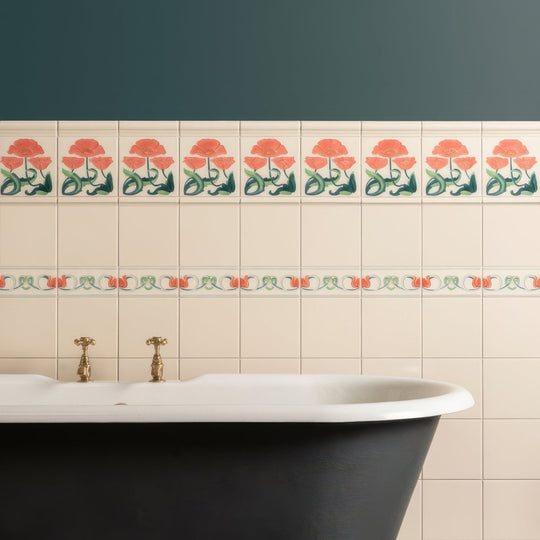
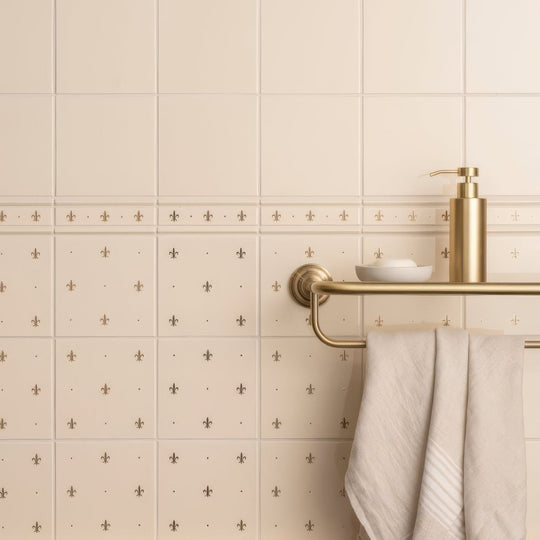
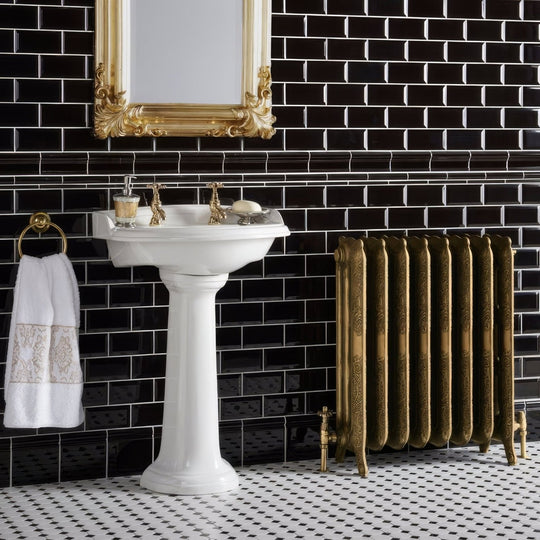
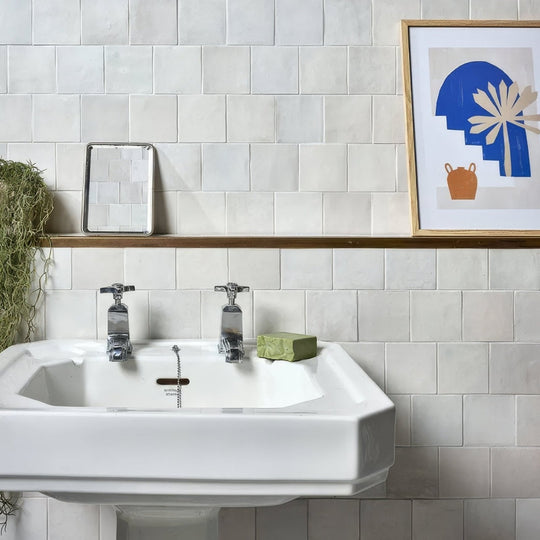
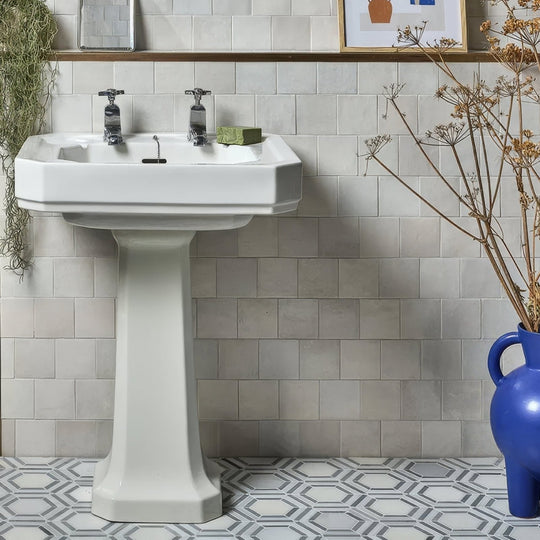
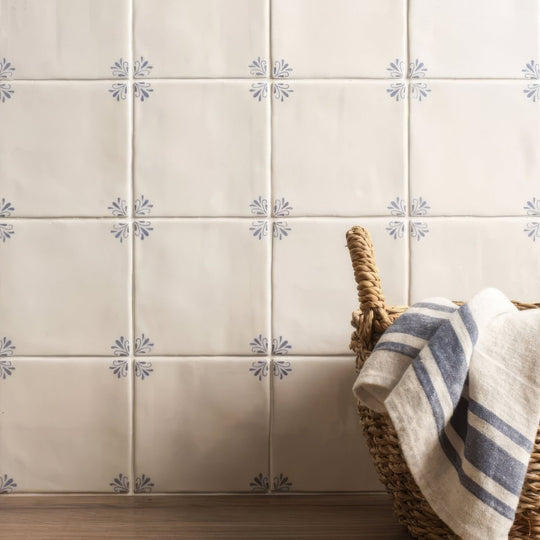
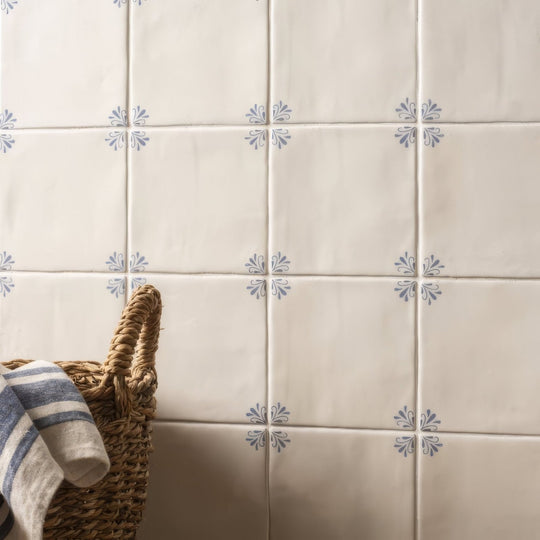
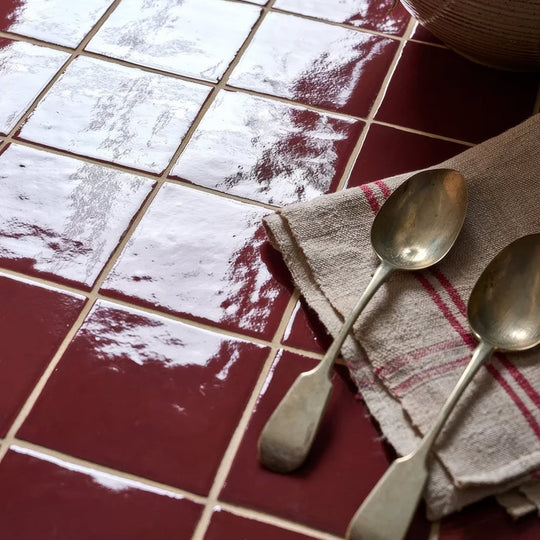
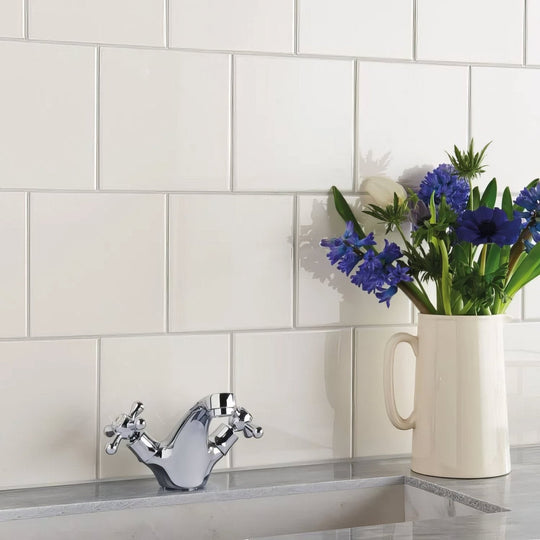
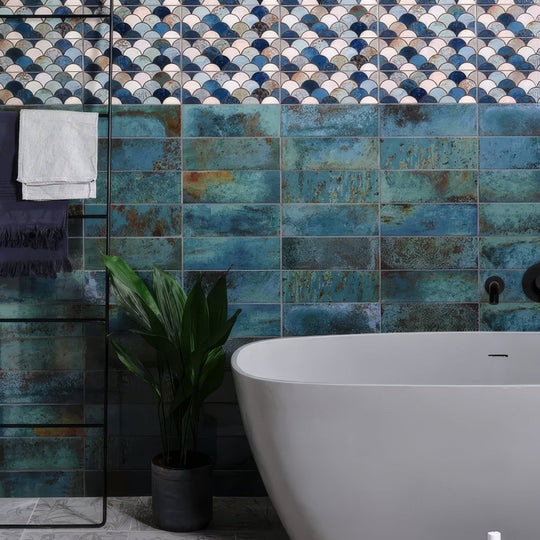
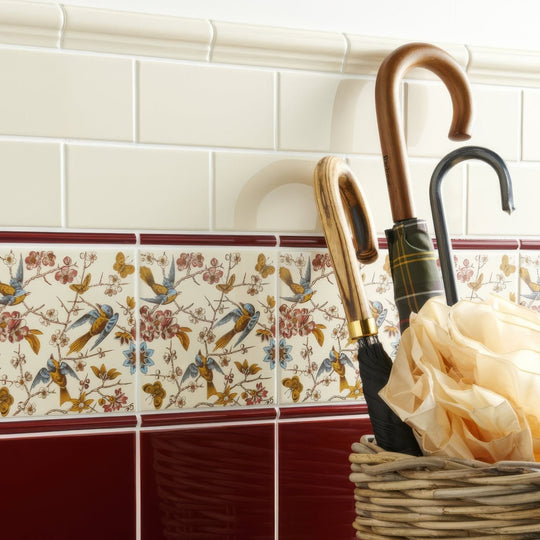
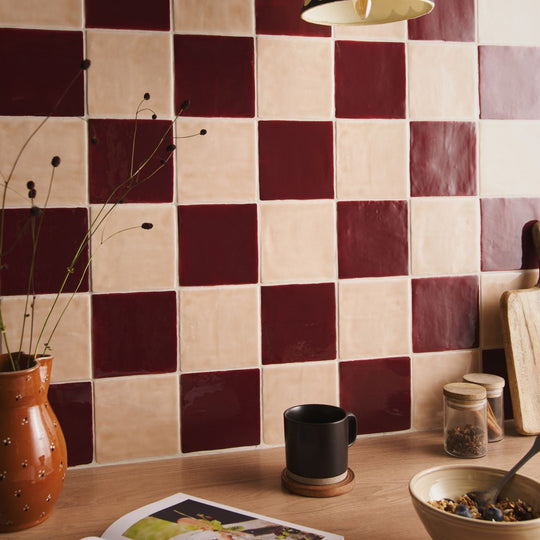
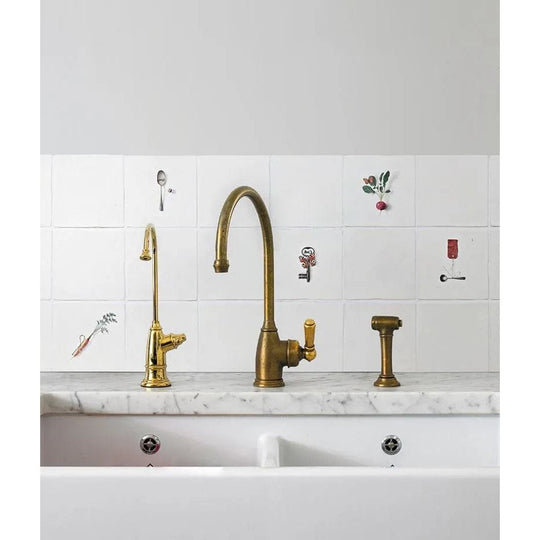
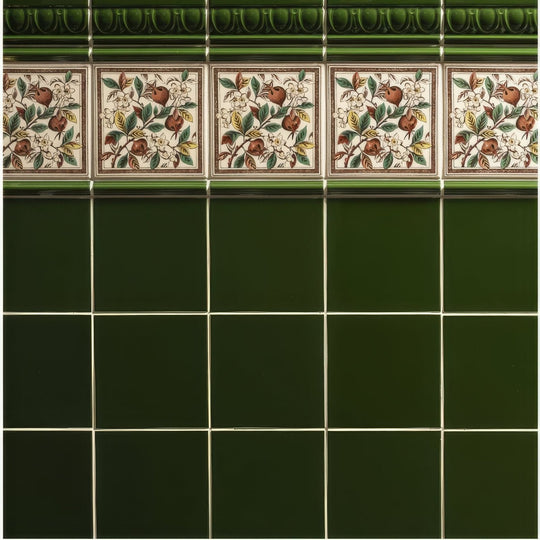
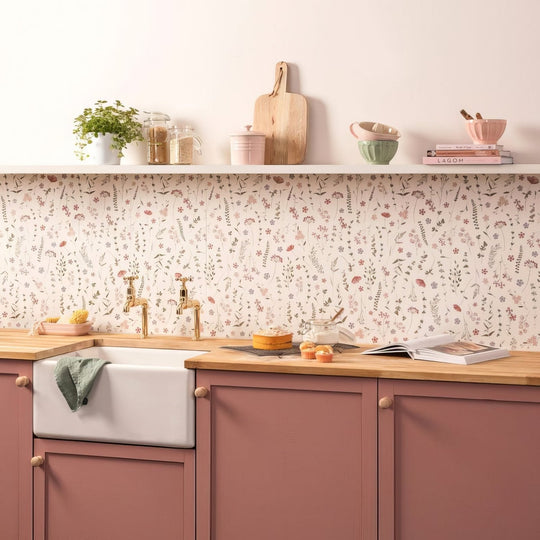
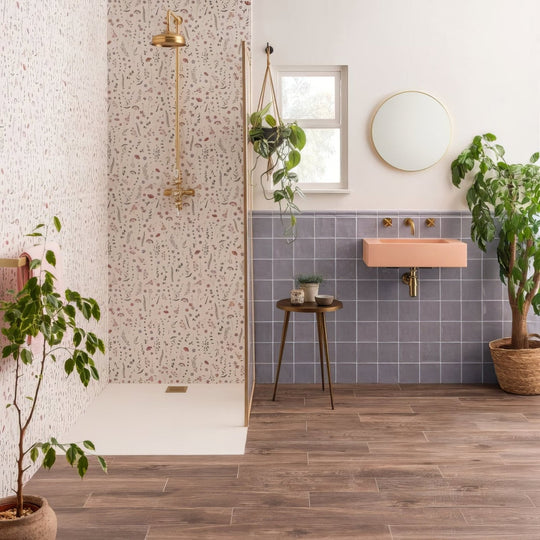
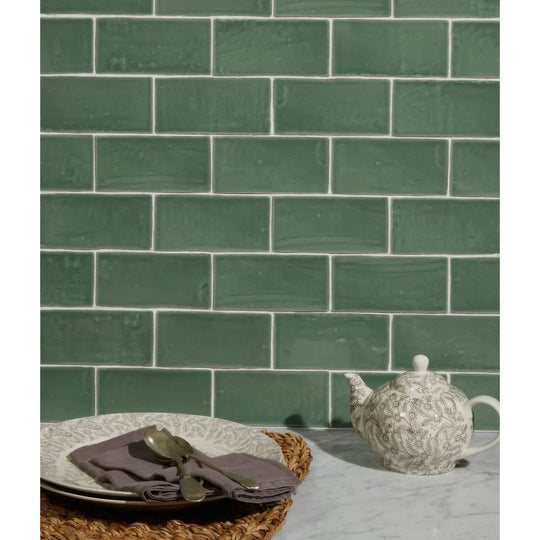
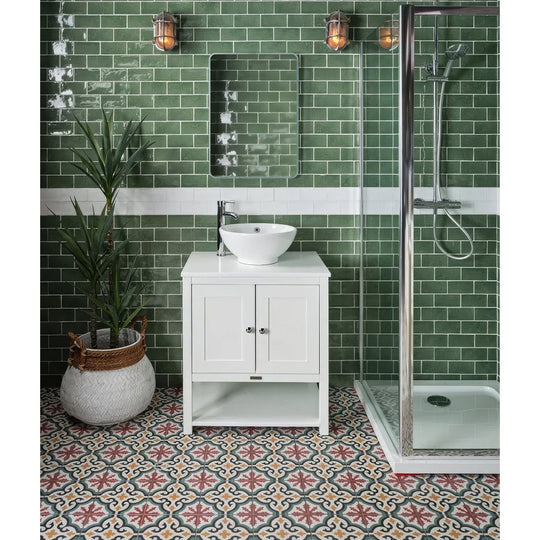
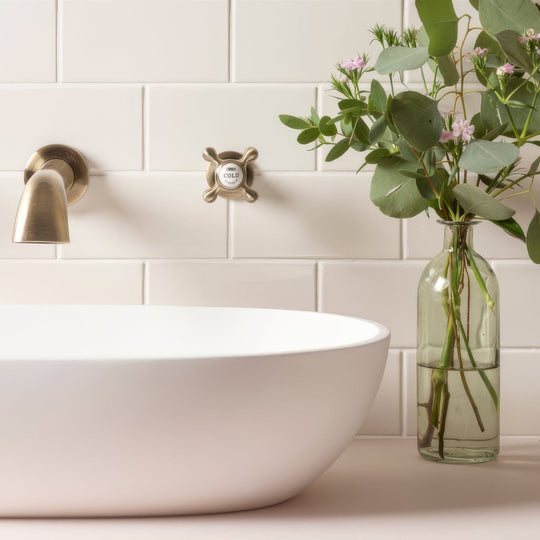
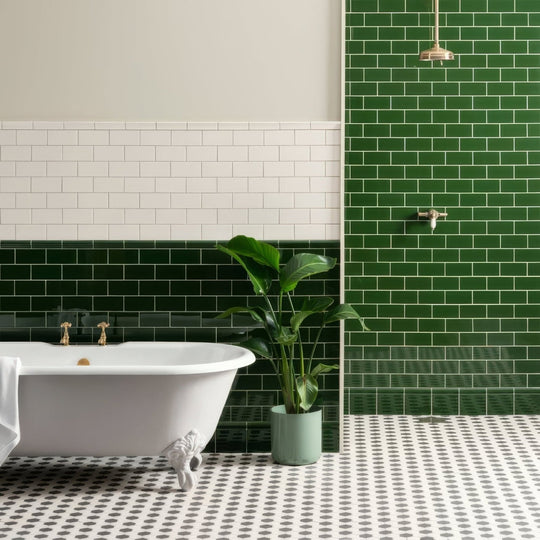
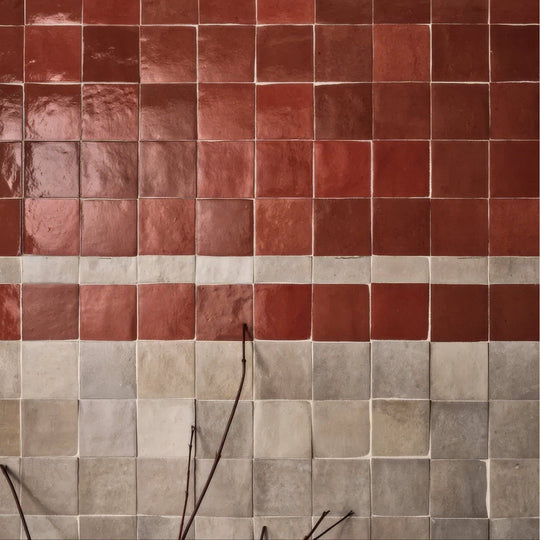
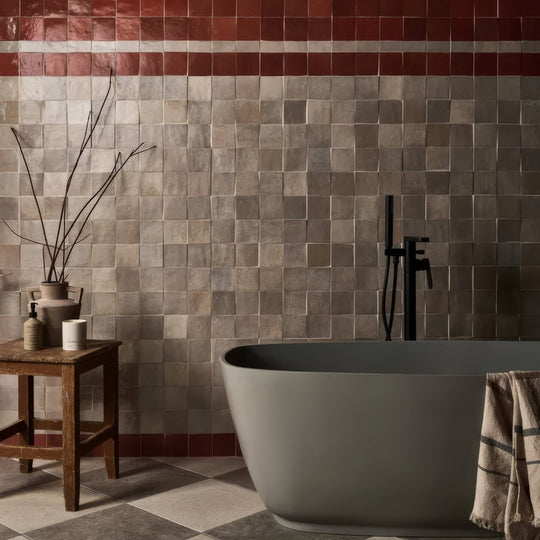
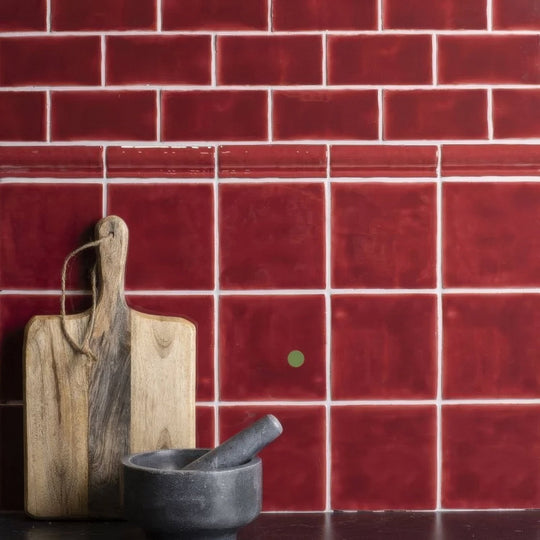
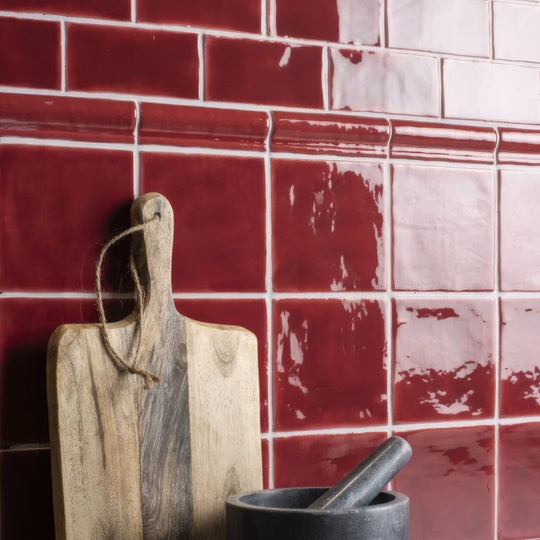
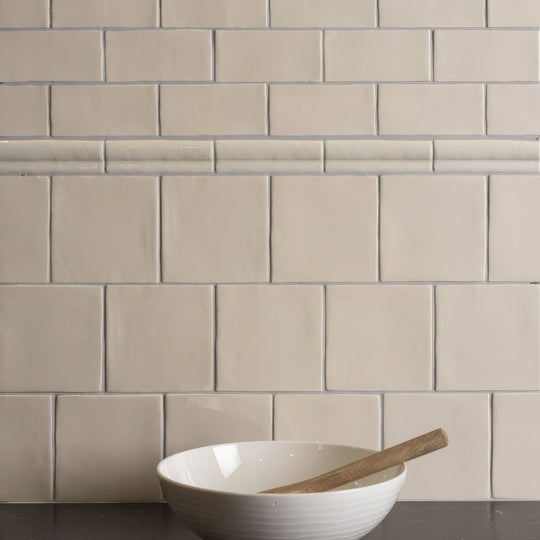
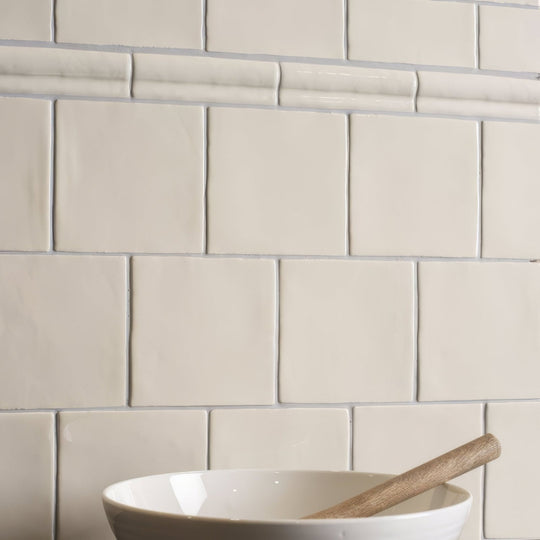
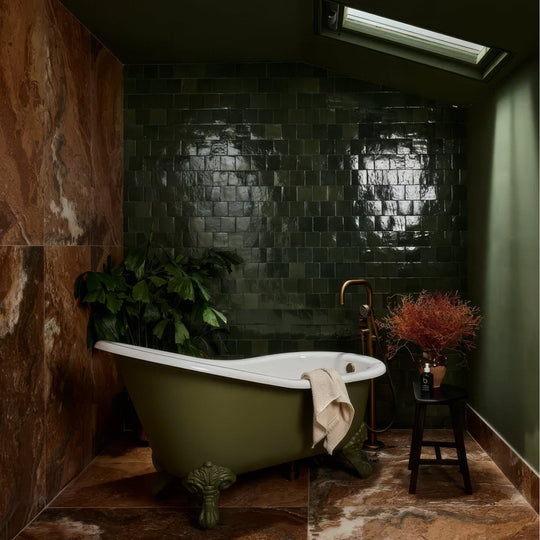
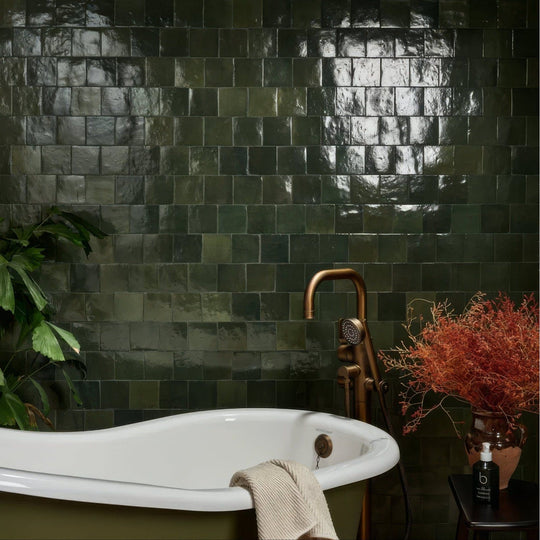
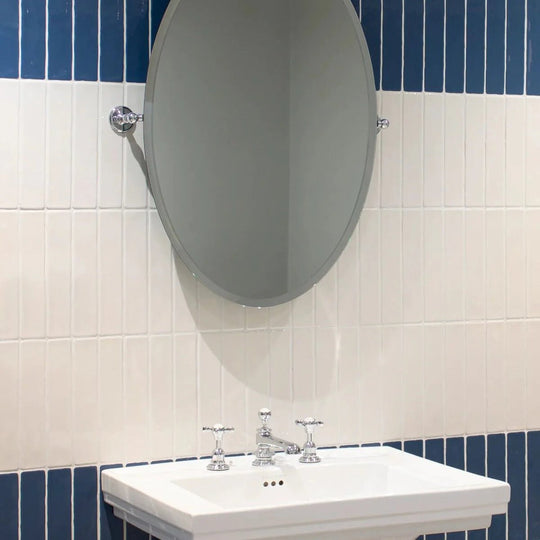
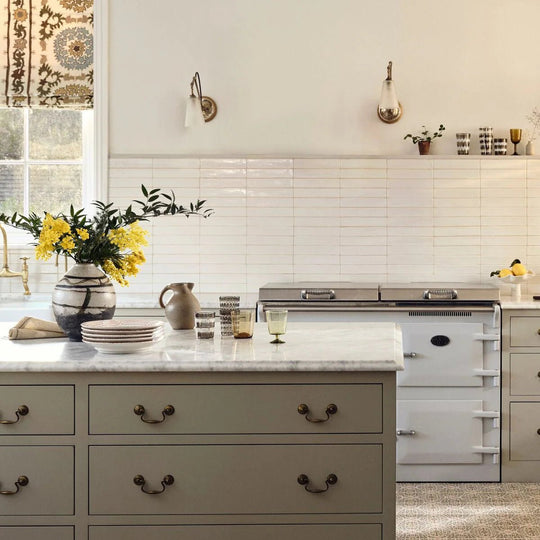
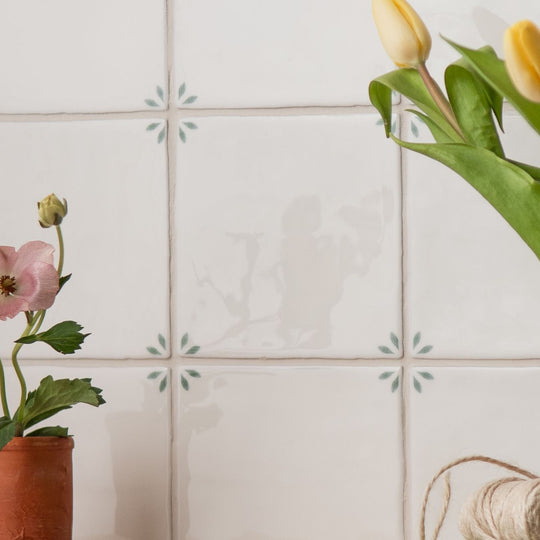
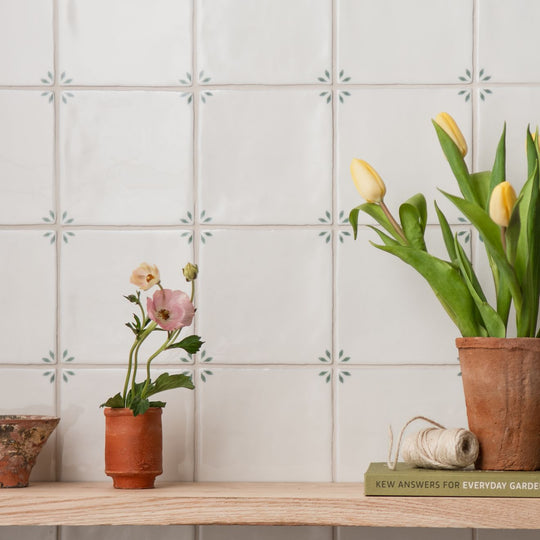
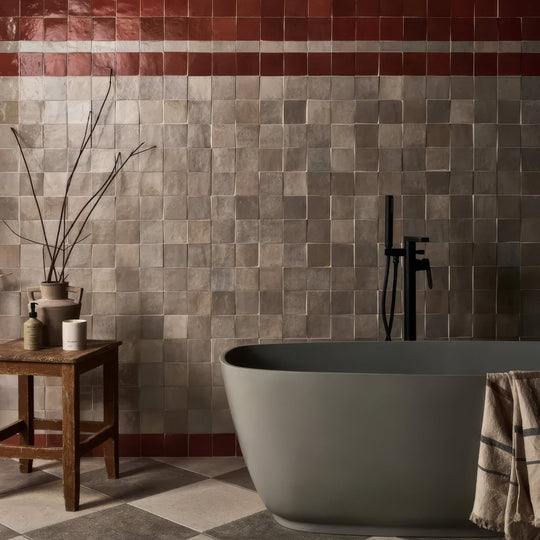
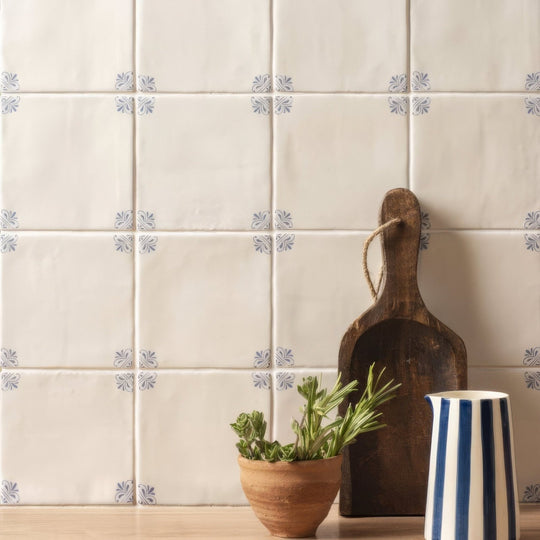
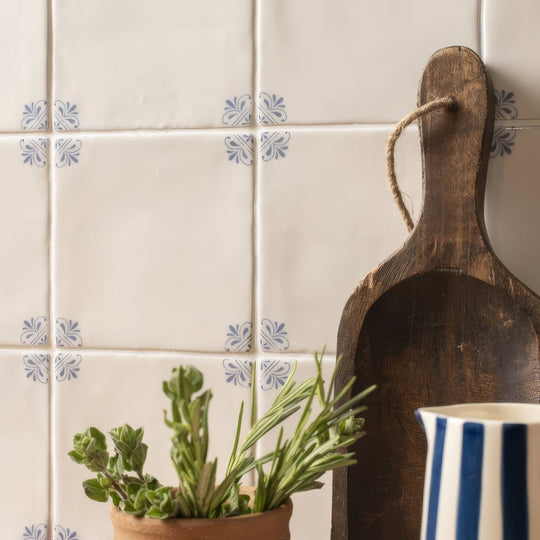
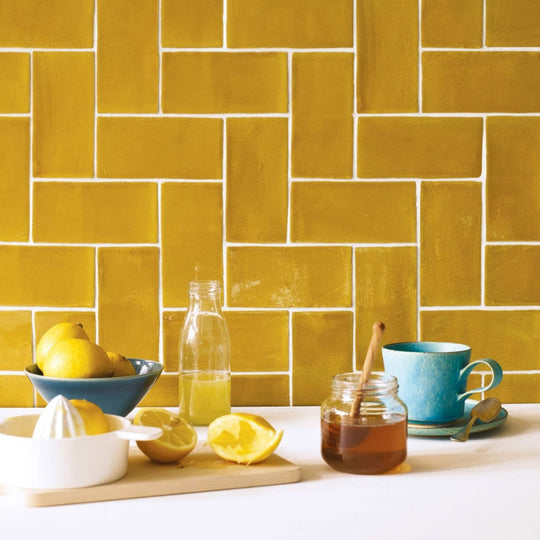
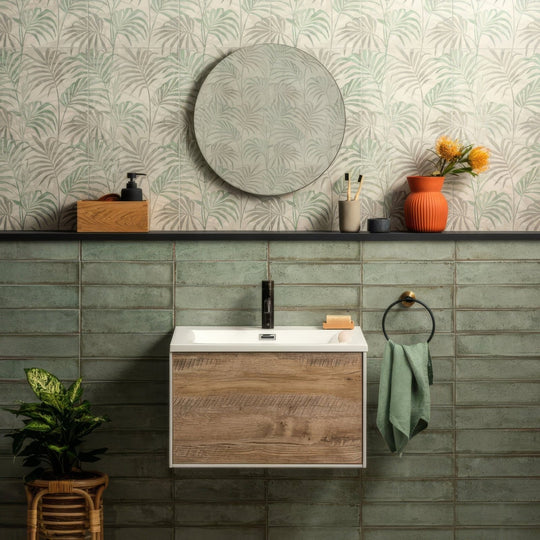
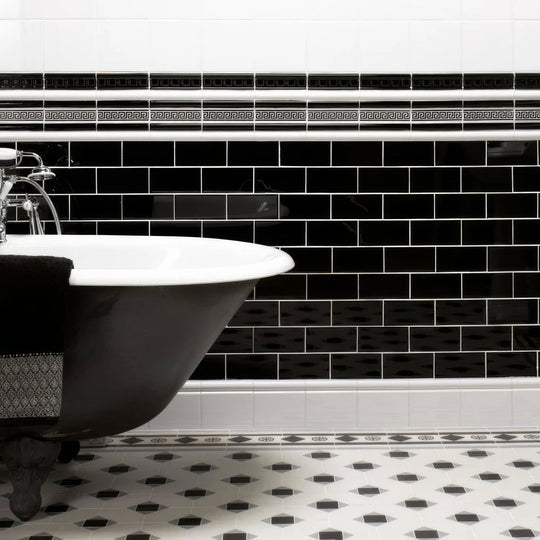
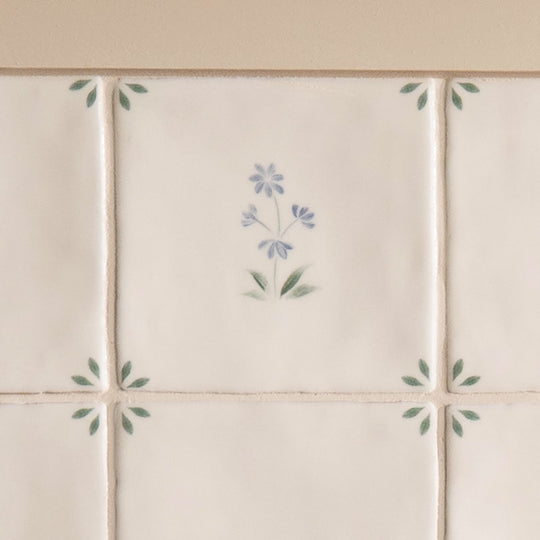
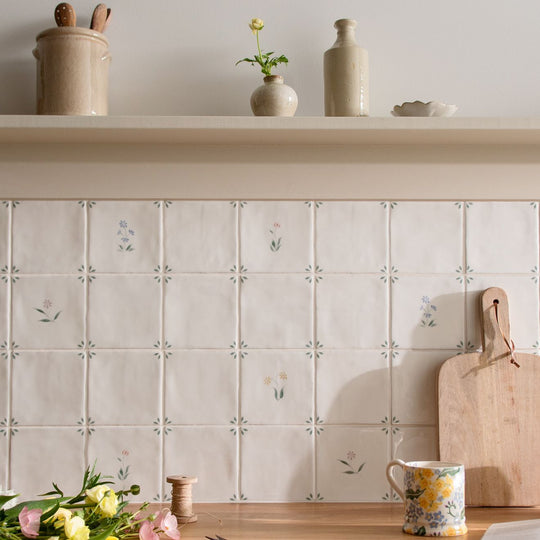
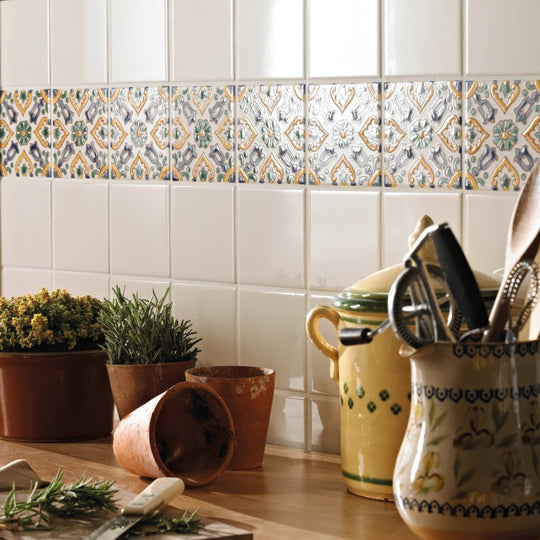
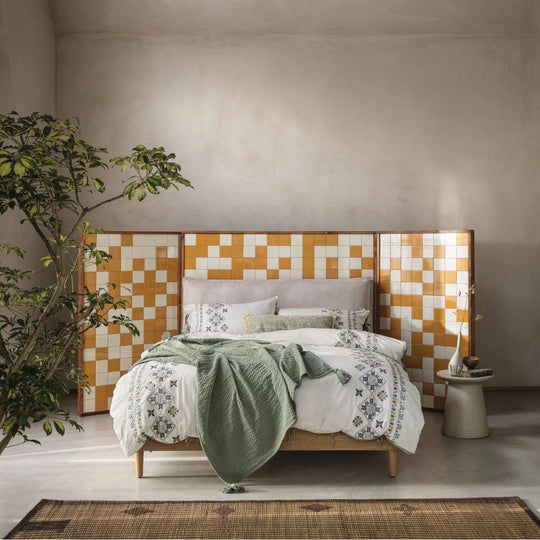
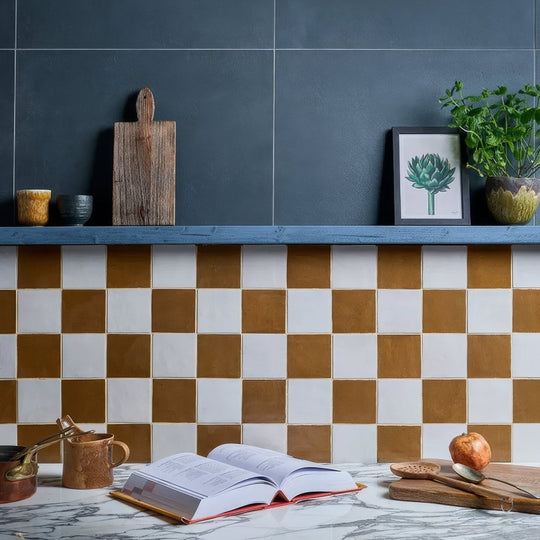
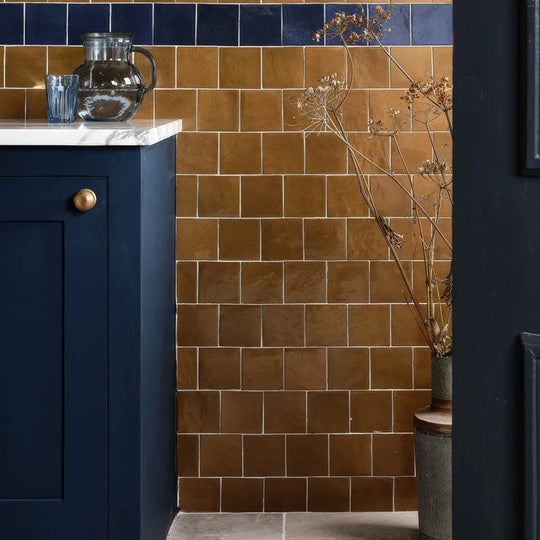
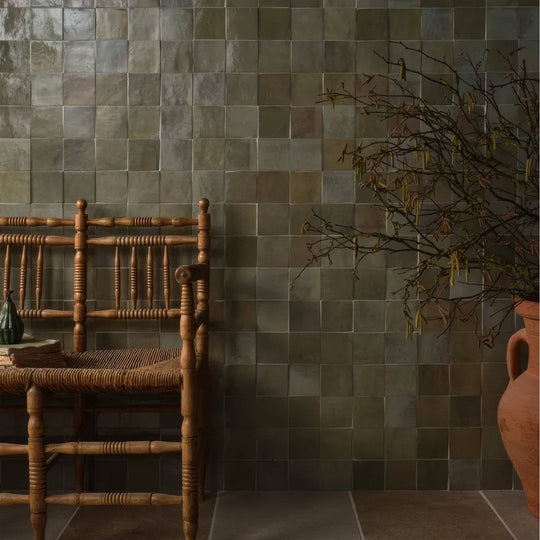
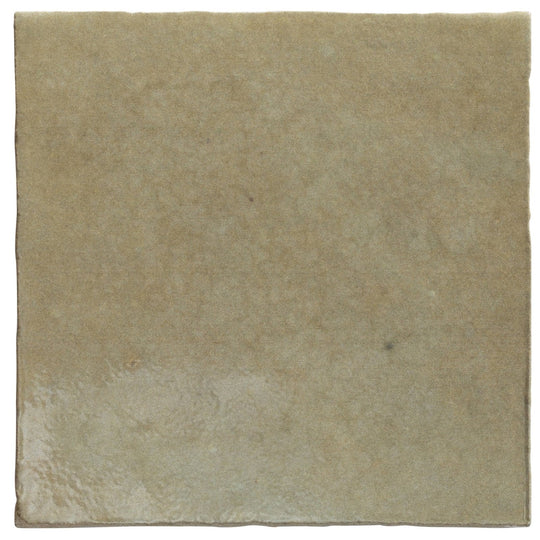
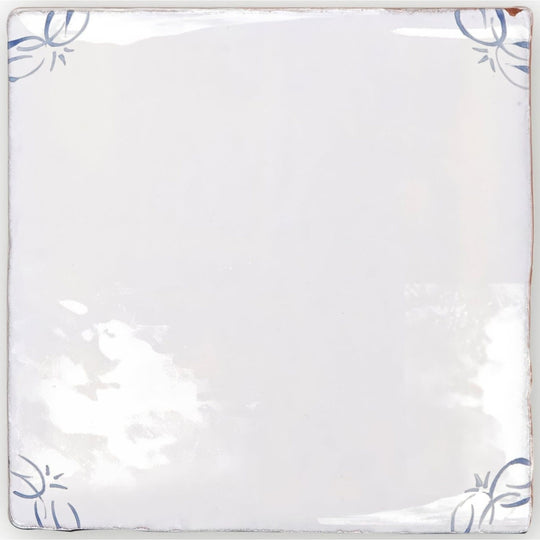
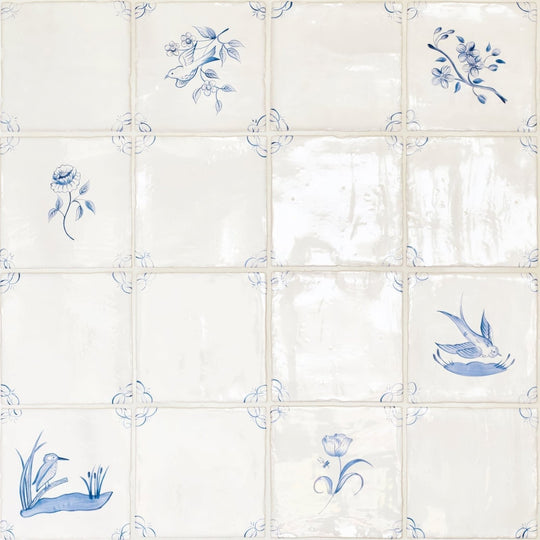
Ceramic tiles are among the most versatile surfaces for the home — beautifully glazed, hardwearing and suited to walls and floors across kitchens, bathrooms, hallways and living spaces. At Hyperion Tiles we stock an extensive ceramic range spanning classic and contemporary looks, including designs from Ca'Pietra, Fired Earth and Original Style.
Ceramic and porcelain tiles are often confused: both are fired clay, but porcelain is denser and fully vitrified for heavy-traffic and outdoor use, while glazed ceramic is lighter, easy to cut and ideal for walls, splashbacks and gentle-to-moderate floor areas. Free cut samples let you compare finishes in your own light before you commit.
Collection highlights:
Explore more: porcelain tiles · wall tiles · floor tiles · bathroom tiles · kitchen tiles · mosaic tiles · zellige tiles
Shop by brand: Fired Earth · Ca'Pietra · Original Style
Part of the curated Hyperion Tiles collection — our handpicked premium range.
What is the difference between ceramic and porcelain tiles?
Both are made from fired clay, but porcelain is denser, harder and fully waterproof, making it ideal for floors and outdoor use. Glazed ceramic is lighter and easier to cut, making it a popular choice for walls, splashbacks and interior floors.
Can ceramic tiles be used on floors?
Yes — many ceramic tiles are rated for interior domestic floors. For heavy-traffic areas, hallways or commercial settings, porcelain is the more hardwearing choice.
Are ceramic tiles suitable for bathrooms and wet areas?
Glazed ceramic tiles are water-resistant and well suited to bathroom and kitchen walls, splashbacks and shower surrounds. For wet-room floors, choose a slip-rated porcelain.
Do ceramic tiles need sealing?
Glazed ceramic does not need sealing — the glaze is impervious, though grout joints benefit from it. Unglazed or handmade ceramics may need a sealant; our team can advise per range.
Do you offer samples and UK delivery?
Yes — order free cut samples to see the colour and glaze in your own light, visit our Ascot showroom, and enjoy free UK delivery on orders over £1,000.
The collection, elevated.

Based on 590 verified Trustpilot reviews
★★★★★
“Fast delivery and a beautiful sample, well worth getting to see the colours at home.”clare hughes · Verified
★★★★★
“Good, helpful service in the shop. Great quality product with speedy delivery.”Jo · Verified
★★★★★
“Great variety and quick to send out. Good value for money.”Mr David Thomas · Verified
Ceramic tiles are among the most versatile surfaces for the home — beautifully glazed, hardwearing and suited to walls and floors across kitchens, bathrooms, hallways and living spaces. At Hyperion Tiles we stock an extensive ceramic range spanning classic and contemporary looks, including designs from Ca'Pietra, Fired Earth and Original Style.
Ceramic and porcelain tiles are often confused: both are fired clay, but porcelain is denser and fully vitrified for heavy-traffic and outdoor use, while glazed ceramic is lighter, easy to cut and ideal for walls, splashbacks and gentle-to-moderate floor areas. Free cut samples let you compare finishes in your own light before you commit.
Collection highlights:
Explore more: porcelain tiles · wall tiles · floor tiles · bathroom tiles · kitchen tiles · mosaic tiles · zellige tiles
Shop by brand: Fired Earth · Ca'Pietra · Original Style
Part of the curated Hyperion Tiles collection — our handpicked premium range.
Ceramic Tile FAQs
What is the difference between ceramic and porcelain tiles?
Both are made from fired clay, but porcelain is denser, harder and fully waterproof, making it ideal for floors and outdoor use. Glazed ceramic is lighter and easier to cut, making it a popular choice for walls, splashbacks and interior floors.
Can ceramic tiles be used on floors?
Yes — many ceramic tiles are rated for interior domestic floors. For heavy-traffic areas, hallways or commercial settings, porcelain is the more hardwearing choice.
Are ceramic tiles suitable for bathrooms and wet areas?
Glazed ceramic tiles are water-resistant and well suited to bathroom and kitchen walls, splashbacks and shower surrounds. For wet-room floors, choose a slip-rated porcelain.
Do ceramic tiles need sealing?
Glazed ceramic does not need sealing — the glaze is impervious, though grout joints benefit from it. Unglazed or handmade ceramics may need a sealant; our team can advise per range.
Do you offer samples and UK delivery?
Yes — order free cut samples to see the colour and glaze in your own light, visit our Ascot showroom, and enjoy free UK delivery on orders over £1,000.
Independent Expertise
Forget the warehouse experience. Get expert design advice and technical support from our Ascot team.
Call 01344-620211 or start a Live Chat
Fast Nationwide Delivery
In-stock products are normally dispatched within 3–5 working days. Delivery times vary by product and supplier; please check the individual product lead time.
Free standard UK delivery on orders over £1,000 — express delivery at an additional charge.
Official Designer Stockist
An authorised stockist of Fired Earth, Ca'Pietra, Minoli, Original Style and more — the genuine article, expertly specified and fully supported.
15,000+ Luxury Styles
From artisanal Zellige to high-performance LVT, we curate the world's best brands in one place—no matter your project size.
Endless inspiration for every room.
Calculated area 0.00 m2