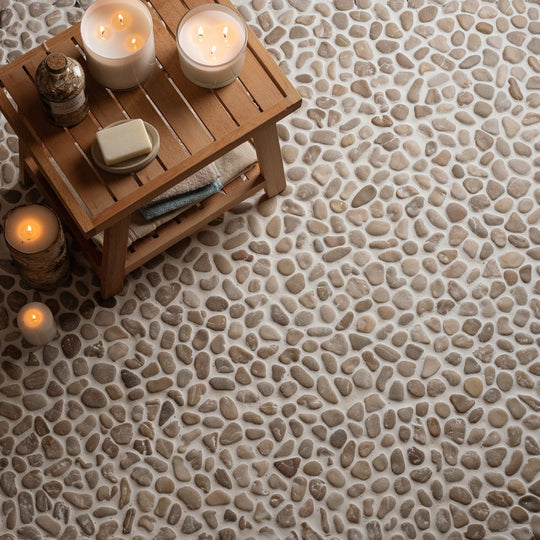
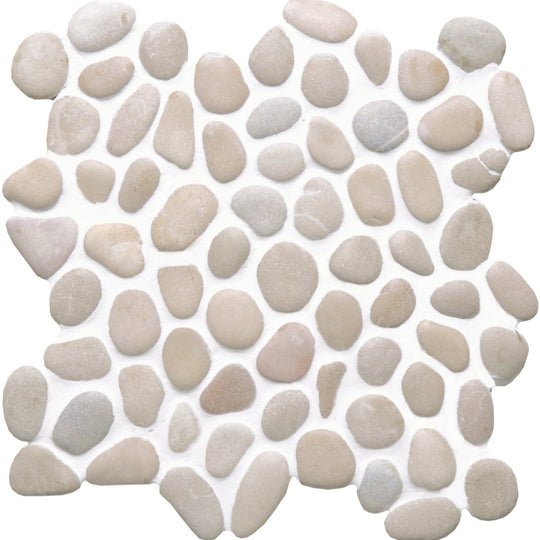
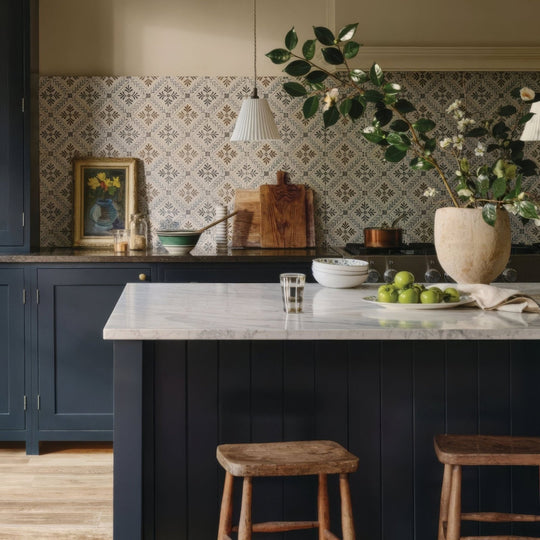
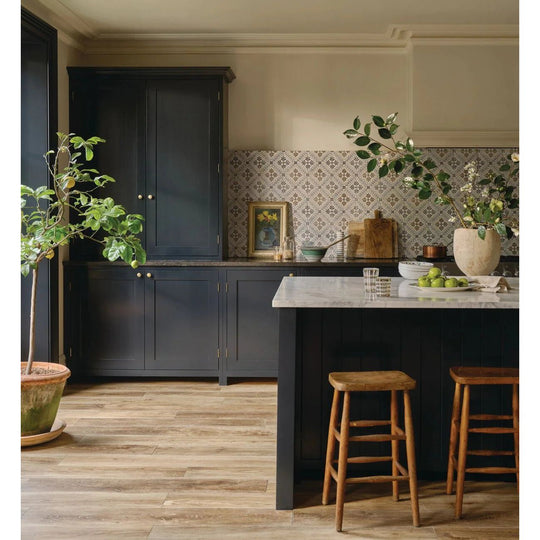
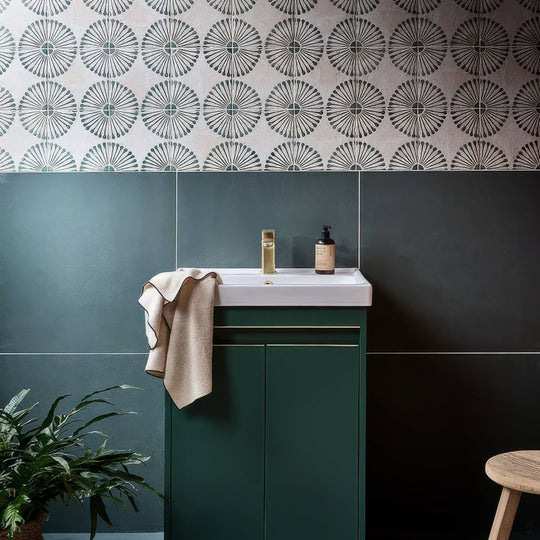
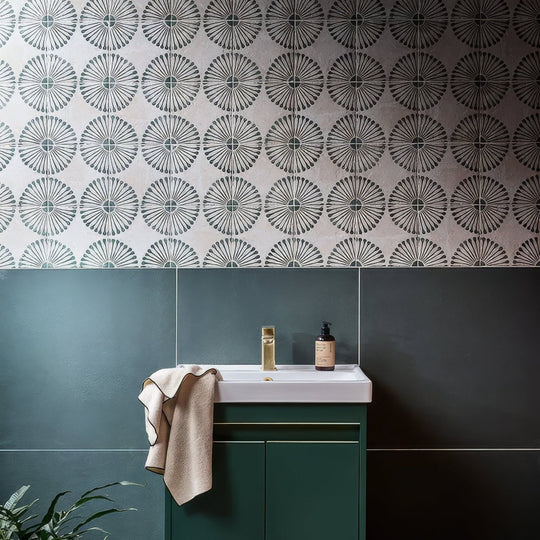
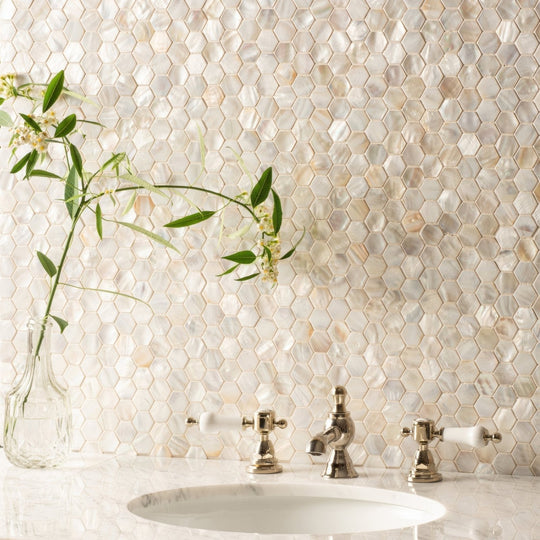
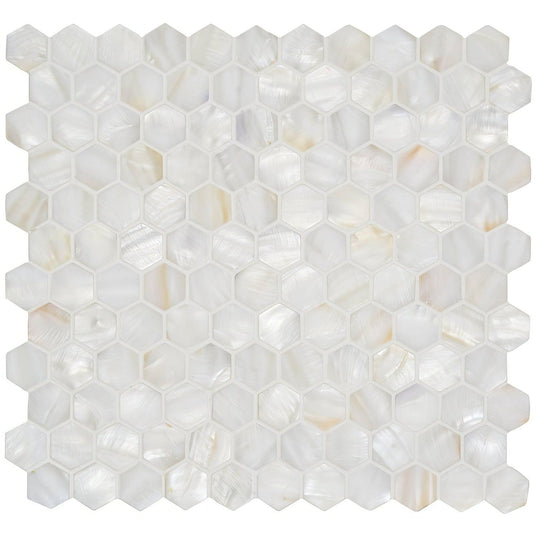
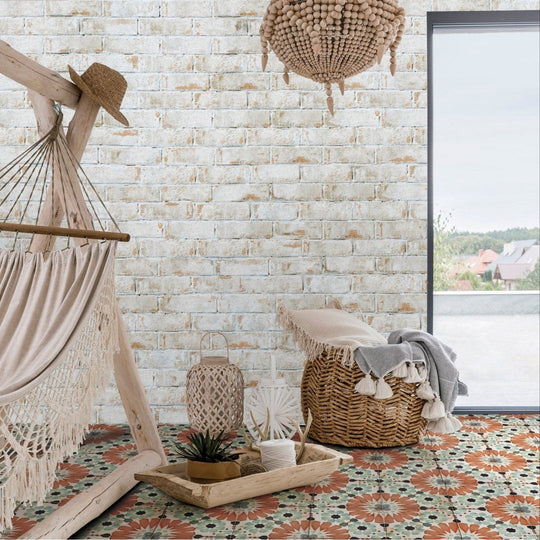
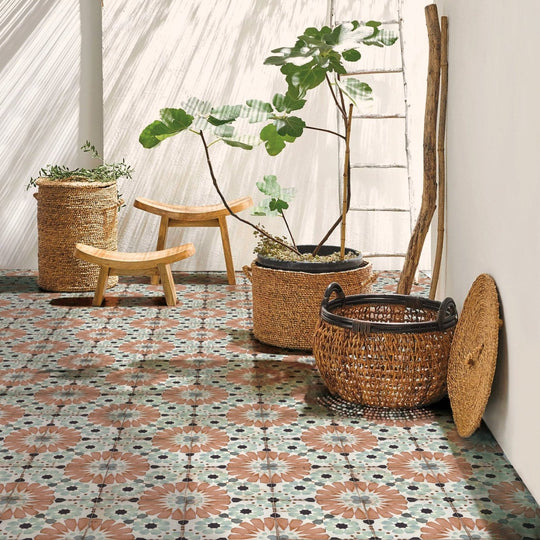
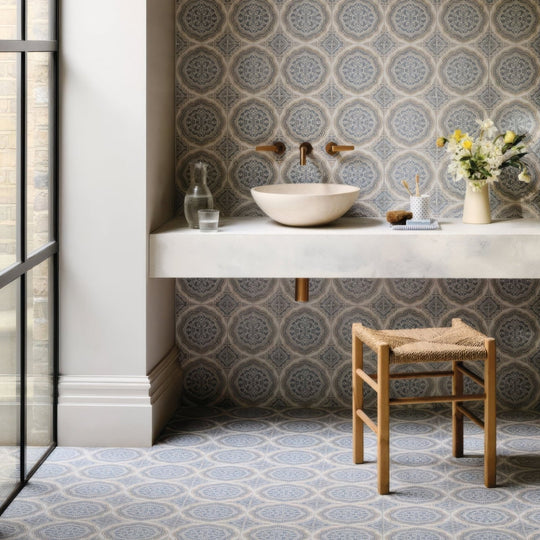
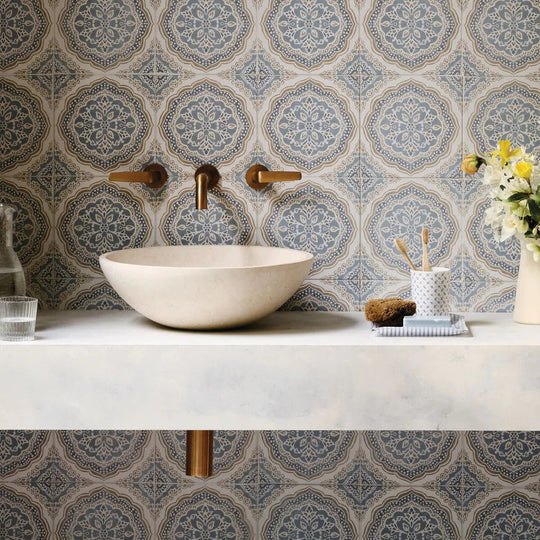
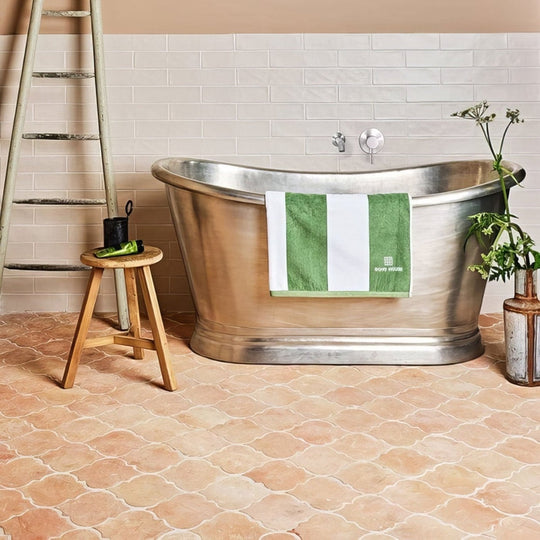
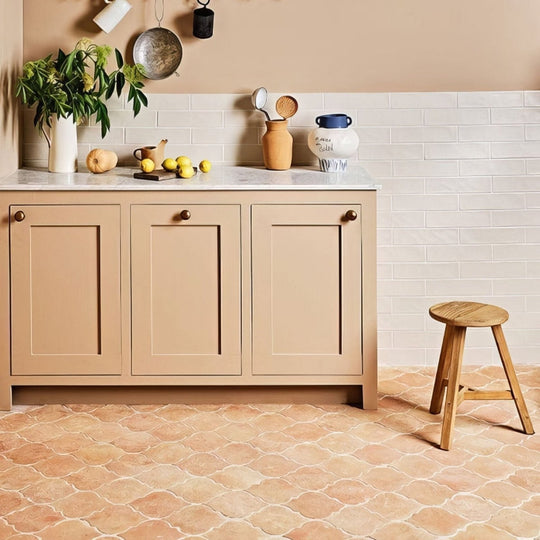
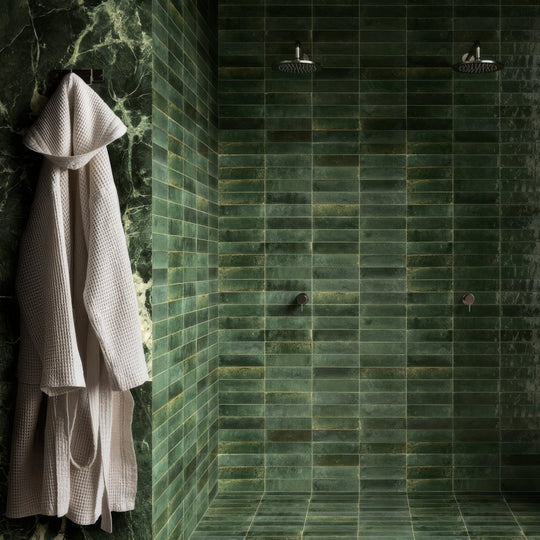
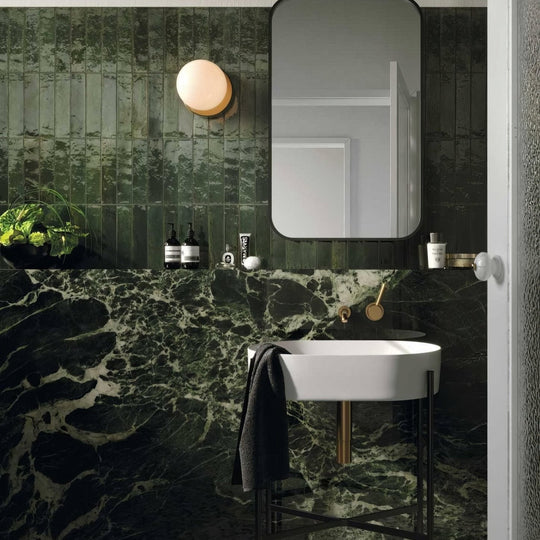
Why not make a statement around your fireplace if you lay floor tiles in a chequerboard pattern to create a hearth? In this living room, our new Adventuras Linen and Ecru Field Porcelain tiles have a matt finish to create a modern look
Transform any room in your house with the timeless beauty and exceptional durability of properly installed floor tiles. Whether you’re planning a bathroom renovation, updating your kitchen, or creating a modern look throughout your home, flooring tiling offers unmatched versatility that can enhance any space for decades to come.
The flooring and tiling market has experienced remarkable growth, with porcelain and ceramic tiles leading the way due to their superior water resistance, durability, and stunning design options. From traditional styles that create classic elegance to contemporary patterns that suit modern aesthetics, today’s floor tiles offer endless possibilities to transform your living spaces.
Our guide will walk you through everything you need to know about flooring and tiling, from selecting the perfect tiles for each room to mastering the installation process. You’ll discover professional techniques, avoid common pitfalls, and learn how to create beautiful, long-lasting floors that add significant value to your property.
Key points
Our Ascoli Porcelain Avorio 40 x 60cm wall and floor tiles offer a travertine-style finish in this kitchen space. Featuring a tumbled edge, this looks just like real stone however it's lighter in weight and therefore easier to lay
-
Porcelain and ceramic tiles are the most popular choices for floor tiling due to their durability and water resistance
-
Proper surface preparation is crucial - floors must be level, dry, and clean before tile installation
-
Always start tiling from the centre of the room and work outwards for symmetrical results
-
Allow 24-48 hours for adhesive to cure before walking on newly tiled floors
-
Floor tiles come in various materials, sizes, and finishes including wood effect, marble effect, and stone patterns
-
Grouting and sealing are essential final steps to ensure waterproofing and longevity
Types of floor tiles for your home
Understanding the different types of floor tiles available helps you make informed decisions that suit your specific needs, budget, and design preferences.
Porcelain floor tiles: the premium choice
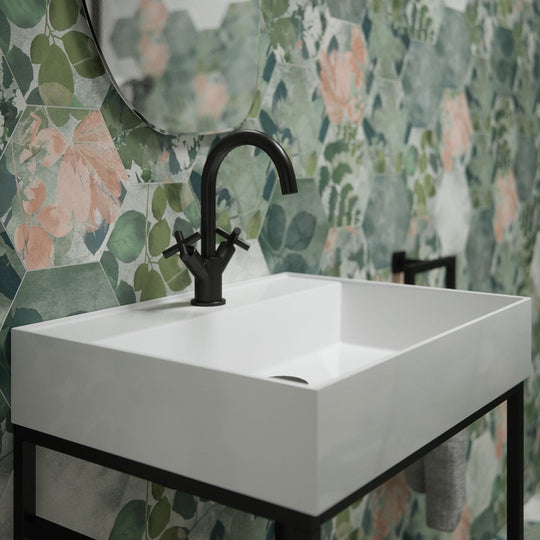
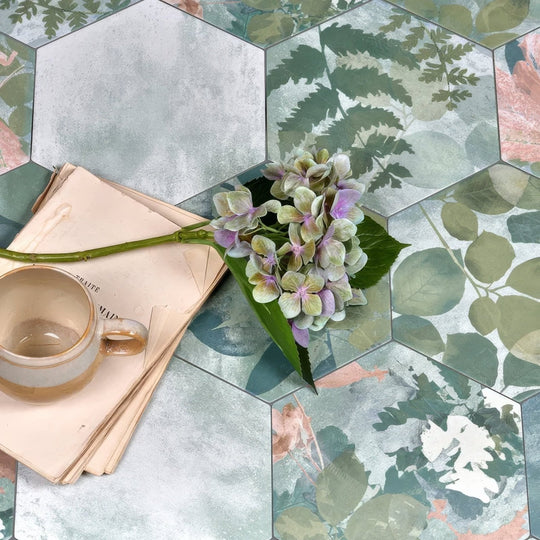
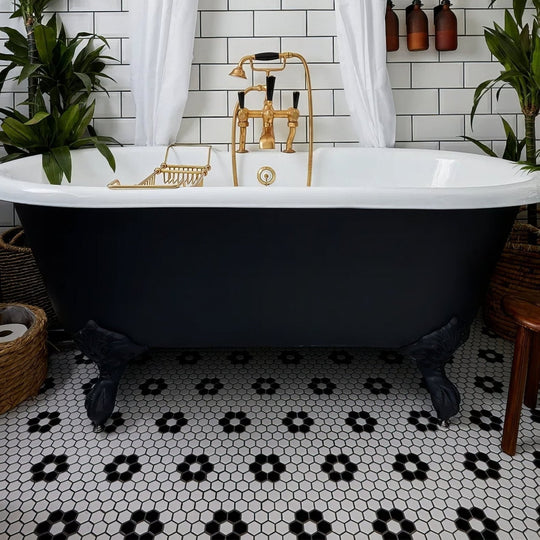
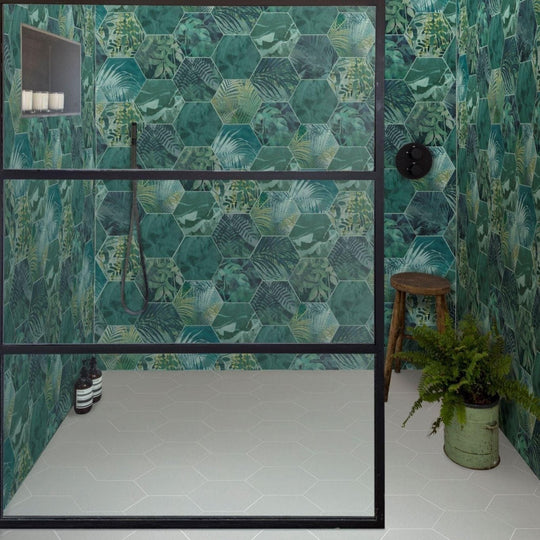
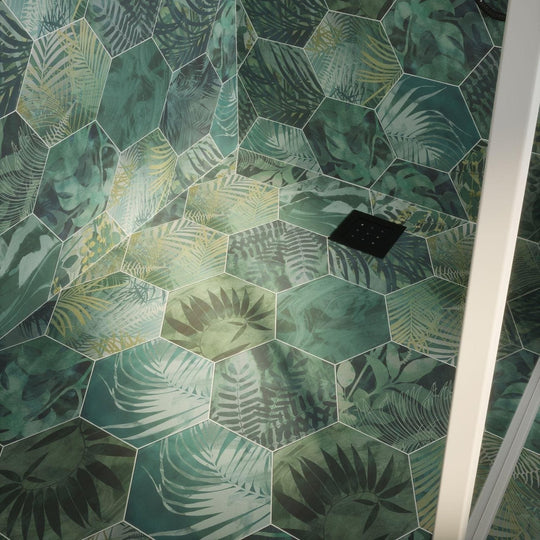
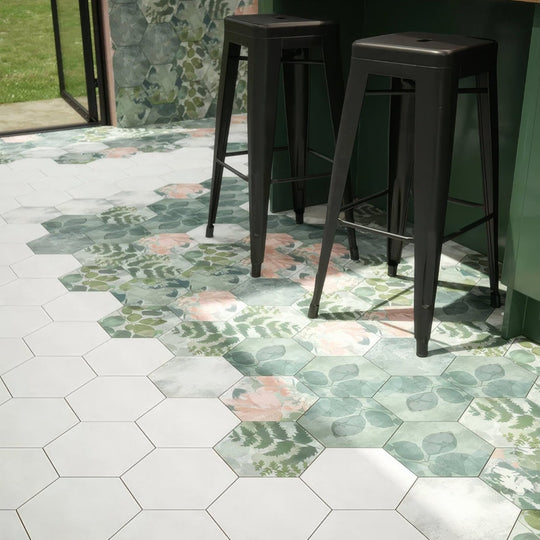
Our Woodland Glade Porcelain tiles can transform any bathroom from bland to grand in an instant. featuring intricate patterns in a stunning hexagonal shape, these will make your bathing sanctuary stand out
Porcelain floor tiles represent the gold standard in floor tiling, manufactured from refined clay and fired at temperatures exceeding 1200°C. This intensive process creates incredibly dense, non-porous tiles with exceptional durability and water resistance. Available in sizes from standard 300x300mm up to impressive large format options of 600x1200mm, porcelain tiles offer stunning design versatility.
The verification successful waiting period for porcelain manufacturing ensures consistent quality, with slip resistance ratings of R10 or higher making them ideal for bathrooms and wet areas. These tiles can withstand heavy traffic in hallways while maintaining their appearance for 50+ years with minimal maintenance.
Ceramic tiles: Cost-effective versatility
Ceramic tiles provide an excellent entry point into floor tiling, offering affordability without sacrificing style. Made from less dense clay and fired at lower temperatures, ceramic tiles are lighter and easier to cut during installation. While more porous than porcelain, they remain perfectly suitable for bedrooms, living areas, and low-traffic spaces.
The extensive range of colours, patterns, and finishes available in ceramic tiles allows you to create virtually any aesthetic, from rustic country charm to sleek contemporary designs.
Natural stone options
Natural stone tiles bring unique character and luxury to any space, with each piece featuring distinctive patterns and textures that create truly one-of-a-kind floors.
Our new Savoy Novo Porcelain 60 x 60cm tiles offer a style to suit contemporary, luxury bathrooms and they look just like real marble. These stunning tiles come in a soft matt finish with distinctive veining reminiscent of Calacatta Viola
Marble effect and natural marble: These tiles offer unparalleled elegance with their distinctive veining and lustrous finish. While natural marble requires regular sealing to maintain its beauty, marble effect porcelain provides the same stunning visual appeal with enhanced durability.
Travertine: Known for its earthy, porous texture, travertine creates warm, inviting spaces with natural colour variations that suit traditional and Mediterranean styles.
Slate: Featuring natural cleft surfaces and exceptional durability, slate tiles provide rustic charm with outstanding slip resistance, making them excellent for areas prone to moisture.
Quarry tiles: traditional durability
Quarry tiles offer unglazed, highly durable surfaces traditionally used in utility areas and rustic designs. Their natural slip resistance and hardwearing properties make them ideal for conservatories, utility rooms, and areas requiring robust flooring solutions.
Wood effect tiles: best of both worlds
Wood effect porcelain planks combine the warm, natural appearance of hardwood with the practical benefits of ceramic materials. These tiles resist moisture, don’t warp like traditional wood flooring, and maintain their appearance in high-humidity environments like bathrooms and kitchens.
Mosaic tiles: decorative accents
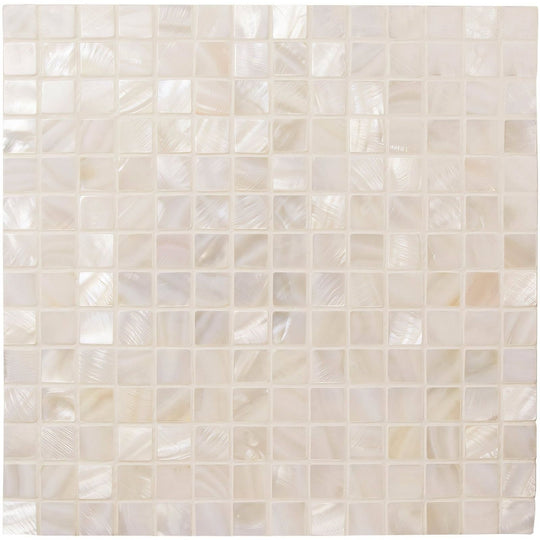
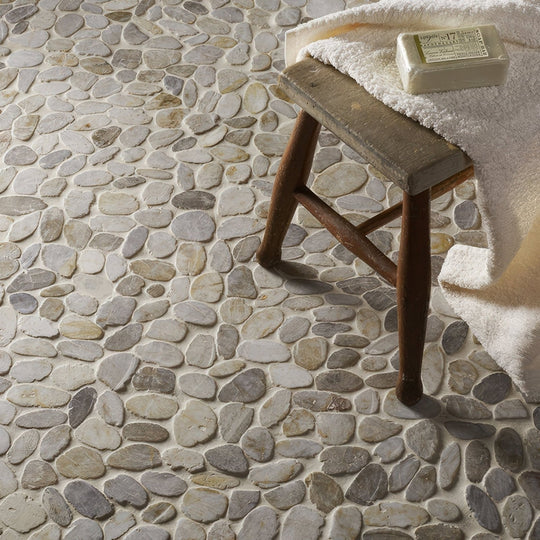
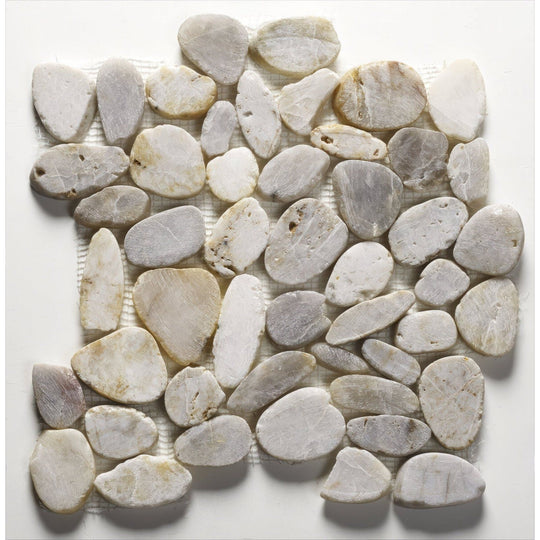
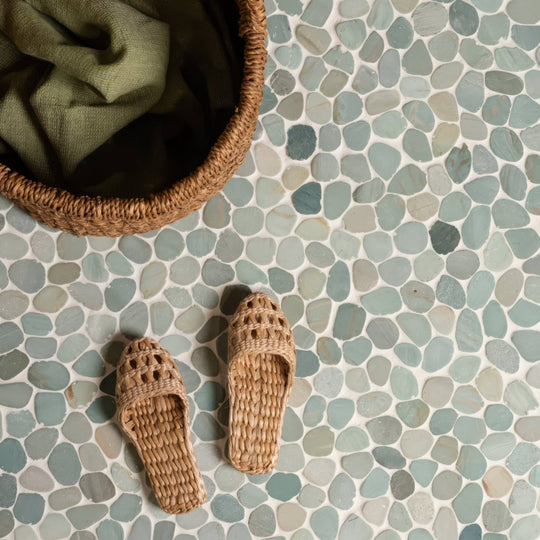
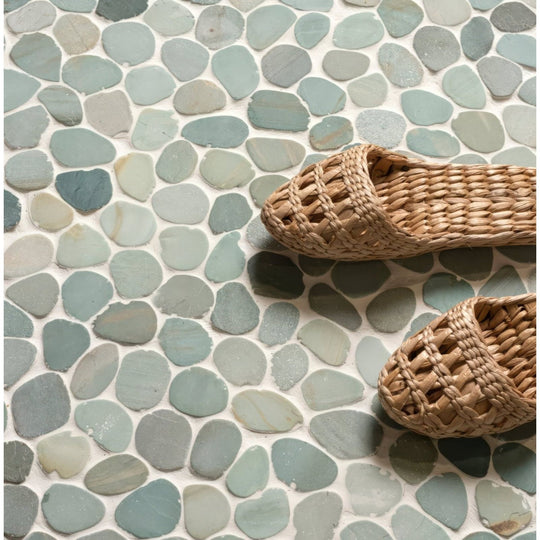
Small mosaic tiles, often arranged on mesh backing for easier installation, excel in creating decorative features, curved surfaces, and intricate patterns. While more labour-intensive to install, they offer unmatched design flexibility for creating focal points and artistic elements.
Choosing the right floor tiles
Selecting appropriate tiles involves balancing aesthetic preferences with practical considerations specific to each room and application.
Room-specific considerations
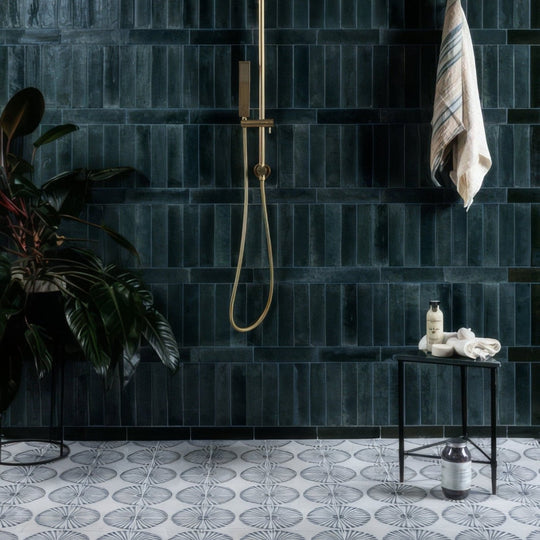
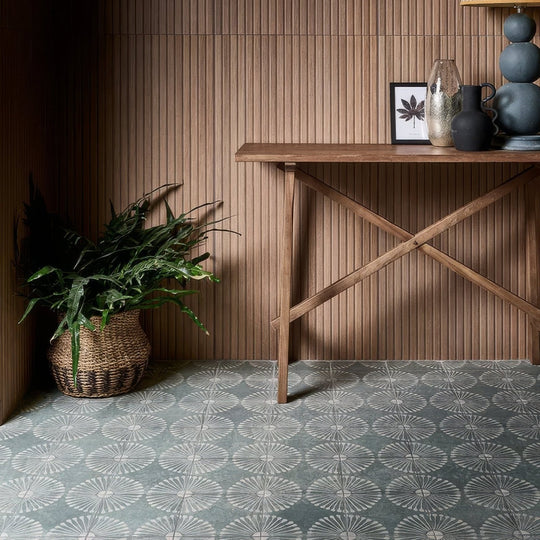
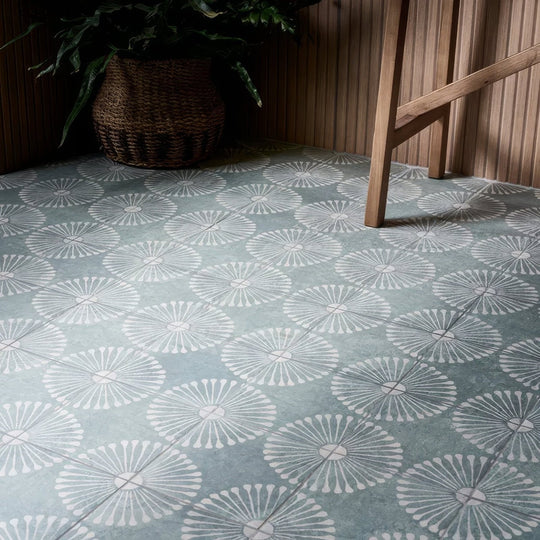
Our Atlas Porcelain Green tiles showcase a subtle patterned detail on this bathroom floor for a modern look. From the Atlas range, these tiles are ultra-durable with a matt finish and an R10 slip rating
Bathrooms: Prioritise slip resistance with tiles rated R10 or higher. Porcelain floor tiles excel in wet environments due to their minimal water absorption. Consider smaller tiles for better grip and easier maintenance around fixtures.
Kitchens: High-traffic cooking areas benefit from stain-resistant, easy-clean surfaces. Large format tiles reduce grout lines, minimising areas where dirt and grease can accumulate.
Hallways: These high-traffic zones require durable materials like commercial-grade porcelain or quarry tiles, typically 10-12mm thick to withstand constant foot traffic.
Living Areas: Open-plan spaces can accommodate large format tiles (600x600mm or larger) that create seamless, visually expansive floors.
Traffic level assessment
|
Traffic Level |
Recommended Materials |
Thickness |
Examples |
|---|---|---|---|
|
Low |
Ceramic, basic porcelain |
8-10mm |
Bedrooms, study |
|
Medium |
Standard porcelain, quarry |
10-12mm |
Living rooms, dining |
|
High |
Commercial porcelain, stone |
12mm+ |
Hallways, kitchens |
Size selection strategy
Large format tiles create modern, seamless appearances but require perfectly level subfloors and skilled installation. Smaller tiles offer more flexibility on uneven surfaces and provide better slip resistance through increased grout lines.
Colour psychology and space enhancement
Light colours like cream and white reflect light, making rooms appear larger and brighter. Dark tiles create intimate, cosy atmospheres but show dirt and wear more readily. Neutral tones provide timeless appeal that works with evolving décor styles.
Floor tile installation process
Our Onyx Ivory (60 x 120cm) tiles are shown here with a polished finish. Featuring a modern look, which replicates onyx, this has given this kitchen floor more depth with inviting tones of ivory
Successful floor tiling requires meticulous preparation, proper tools, and systematic execution. Professional results depend on following manufacturer’s instructions and maintaining quality standards throughout each stage.
Required tools and materials
Essential tools include:
-
Notched trowel (10mm recommended)
-
Spirit level (2-metre minimum)
-
Rubber mallet for positioning
-
Grout float for finishing
-
Tile spacers for consistent joints
-
Mixing equipment for adhesive preparation
-
Safety equipment including knee pads and dust masks
Safety equipment and preparation
Protect yourself with appropriate safety gear: knee pads for comfort during extended floor work, safety glasses when cutting tiles, and dust masks when mixing adhesive or cutting materials. Ensure adequate ventilation in work areas and maintain clean, organised workspace to prevent accidents.
Surface prep: the foundation of success
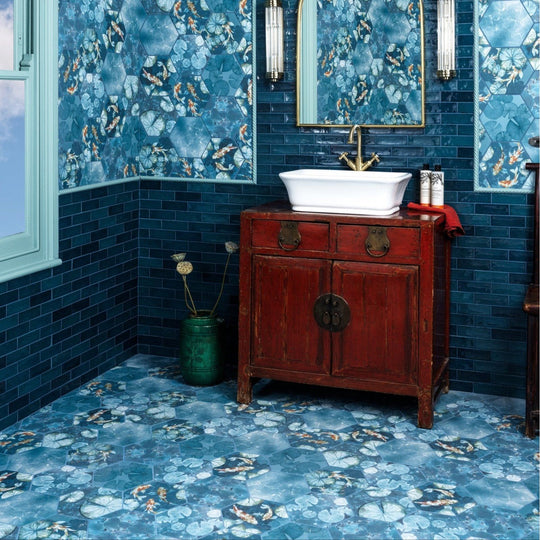
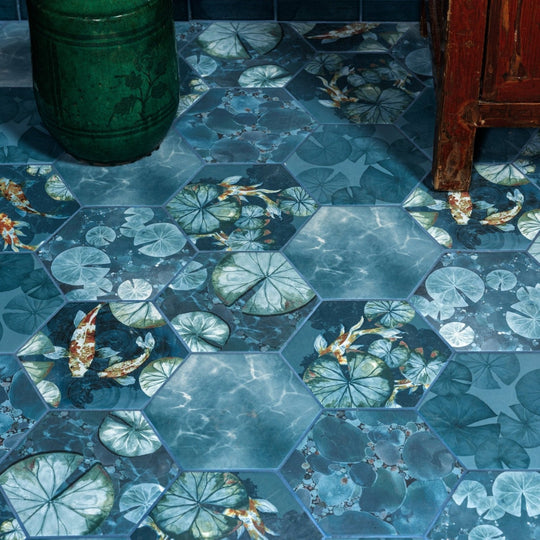
Our Portare Lily Pad Porcelain Peacock tiles could be perfect if you're looking for flooring, and tiling solutions in particular, for your bathroom. In a striking design, these stunning tiles will instantly add a colourful finish to a white bathroom
Proper preparation determines installation success more than any other factor. Your floor must be structurally sound, level within 3mm over a 2-metre span, and completely dry before proceeding.
Checking floor level: Use a 2-metre spirit level to identify high and low spots. Variations exceeding 3mm require levelling compound application. Uneven surfaces cause tile lippage and potential cracking under load.
Removing existing flooring: Completely remove carpet, vinyl, or damaged tiles. Any residual adhesive must be scraped away to ensure proper bonding of new tile adhesive.
Concrete subfloor treatment: Clean thoroughly and apply PVA primer if the surface appears dusty or powdery. This improves adhesive bonding and prevents concrete from absorbing moisture from the tile adhesive too quickly.
Wooden subfloor preparation: Install cement backer boards over timber floors to provide stable, rigid surfaces. Standard plywood or chipboard flexes too much for direct tile installation, leading to cracked grout joints and loose tiles.
Moisture testing: Use a moisture meter to verify readings below 5% before beginning installation. Excess moisture causes adhesive failure and potential mould growth beneath tiles.
Planning your tile layout
This project showcases how to use tiles inside and out to create a seamless finish. Our Piazza Bone tiles are made from porcelain but look just like real stone so you can benefit from a durable collection which you can simply wipe clean
Strategic layout planning ensures professional-looking results with symmetrical cuts and minimal waste.
Finding the centre point: Measure room dimensions and mark the centre point using chalk lines or laser levels. Starting from the centre ensures balanced tile placement with equal cuts along opposite walls.
Dry laying process: Arrange several rows of tiles without adhesive to visualise the final layout. This reveals potential issues with narrow cuts at room edges and allows adjustments before committing to adhesive application.
Adjusting for optimal cuts: Shift your starting position if necessary to ensure edge cuts are at least half a tile width. Narrow slivers break easily during cutting and create weak points in the installation.
Planning around fixed elements: Account for kitchen islands, bathroom fixtures, and doorways in your layout. These elements often require careful measuring and cutting to achieve professional results.
Adhesive application and tile installation
Select appropriate tile adhesive based on your specific tiles and subfloor combination. Cement-based adhesives work well for most porcelain applications, while rapid-set formulations speed up projects requiring quick completion.
Mixing adhesive: Follow manufacturer’s instructions precisely, typically using a 6:1 powder-to-water ratio. Mix only enough adhesive for 30-45 minutes of work to prevent skinning over.
Spreading technique: Apply adhesive using a 10mm notched trowel held at 45-degree angles. This creates consistent ridges that ensure even coverage and proper tile bedding. Work in approximately 1 sqm sections to maintain working time.
Back-buttering large tiles: Tiles larger than 600mm require additional adhesive application to their backs (back-buttering) to eliminate voids and ensure complete bonding. This prevents hollow spots that can lead to cracking under load.
Installing individual tiles: Press each tile into position with a gentle twisting motion to ensure full contact with the adhesive. Use a spirit level frequently to maintain consistent height across the installation. Clean adhesive from tile surfaces and joints immediately to prevent hardening.
Maintaining consistent spacing: Insert tile spacers at corners to ensure uniform grout joints, typically 3-5mm for floor tiles. Remove spacers before adhesive hardens completely for easier extraction.
Grouting and finishing
Allow a minimum of 24 hours for adhesive curing before beginning grouting. This verified successful waiting period ensures tiles remain securely positioned during grout application.
Grout selection and mixing: Choose grout colour carefully - matching grout minimises the appearance of imperfections while contrasting grout emphasises tile patterns. Mix grout to a smooth, lump-free consistency according to packaging instructions.
Application technique: Apply grout diagonally across tiles using a rubber float, pressing firmly to fill joints completely. Work grout into corners and edges thoroughly to prevent weak spots.
Cleaning process: Clean excess grout from tile surfaces within 10-15 minutes using a damp sponge and clean water. Grout hardens quickly and becomes increasingly difficult to remove as it sets.
Final sealing: Apply flexible silicone sealant where floor tiles meet walls, fixtures, or other materials. This accommodates movement and prevents water penetration while maintaining a professional finish.
Maintenance and care
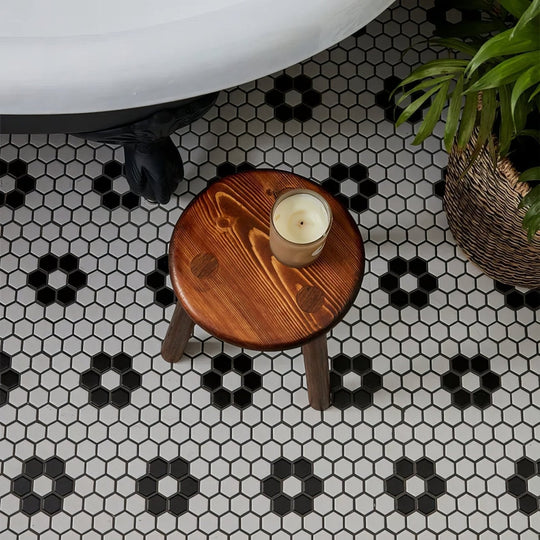
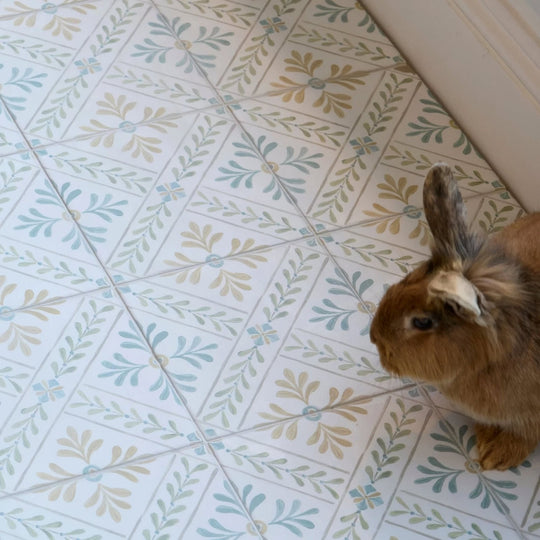
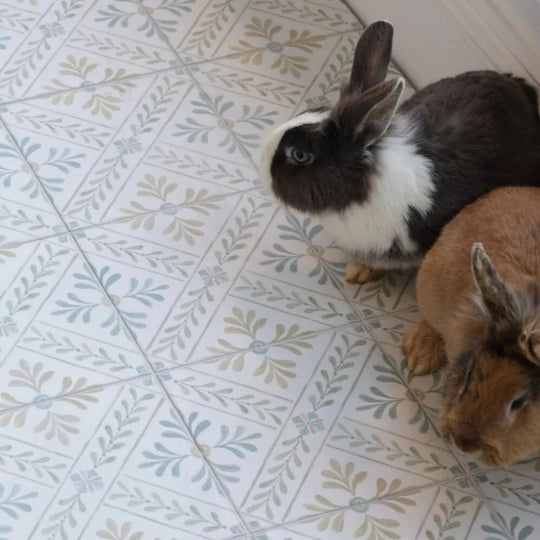
If you want to dedicate a room for showering your pet pooch after walks, why not add a distinctive finish to your project with our Quintessential Porcelain Salisbury tiles? Featuring a classic Victorian-style design, these tiles have a matt finish with a slip rating of R10 making them suitable for flooring which may get rather wet
Proper maintenance extends tile life and preserves their appearance for decades. Different tile materials require specific care approaches to maintain their beauty and functionality.
Daily cleaning routines
Use pH-neutral cleaners specifically formulated for tile surfaces. Harsh chemicals can damage grout and certain tile finishes, particularly natural stone. Regular sweeping or vacuuming removes abrasive dirt that can dull tile surfaces over time.
Deep cleaning methods
Porcelain tiles: These non-porous surfaces resist stains and require only periodic deep cleaning with specialised tile cleaners. Avoid abrasive scrubbers that can damage surface finishes.
Natural stone care: Stone tiles require gentle, pH-neutral cleaners and regular sealing to prevent stain absorption. Use poultices for stubborn stains, applying absorbent materials with appropriate solvents.
Grout maintenance: Clean grout lines regularly with specialised grout cleaners. Annual resealing in wet areas prevents water penetration and staining.
Professional restoration services
Complex repairs, stone restoration, or large-scale resealing projects often require professional expertise. Specialists possess the tools and experience to match existing tiles and restore original appearances.
Expected lifespan and value
Quality porcelain tiles can last 50+ years with proper care, making them excellent long-term investments. Natural stone tiles often improve with age, developing patina that enhances their character. Regular maintenance preserves these benefits while protecting your investment.
Cost considerations and budgeting
Understanding complete project costs helps you plan effectively and avoid budget surprises during your flooring tiling project.
Labour costs and professional installation
Professional installation will depend on complexity, tile size, and regional rates. Complex layouts, mosaic work, or natural stone installation command higher rates due to specialised skills required.
Additional project expenses
Factor in floor preparation costs ( could be around £100-£200 per room), waste removal, tool rental, and potential subfloor repairs. These expenses can significantly impact total project costs but are essential for successful installations.
DIY vs professional installation comparison
Skilled DIY installation can save up to 50% on labour costs, but requires proper tools, time investment, and acceptance of responsibility for results. Consider professional installation for valuable materials, complex layouts, or when warranty coverage is important.
Return on Investment Analysis
Quality floor tiling typically increases property values by 70-80% of installation costs. Kitchens and bathrooms see the highest returns, while premium materials in luxury properties often return full investment costs.
Common mistakes to avoid
Learning from common installation errors helps ensure successful projects and prevents costly repairs or replacements.
Surface prep shortcuts
Skipping proper floor preparation causes more installation failures than any other factor. Uneven surfaces, moisture issues, or inadequate cleaning lead to loose tiles, cracked grout, and premature failure. Always invest time in thorough preparation - it determines long-term success.
Incorrect adhesive selection
Using wall tile adhesive for floor applications or selecting inappropriate formulations for wet areas creates weak bonds that fail under normal use. Always verify adhesive suitability for your specific tiles and application.
Layout planning errors
Starting installation against walls instead of room centres often results in awkward cuts and unbalanced appearances. Take time to plan layouts carefully, adjusting starting positions to optimise tile placement.
Grouting process mistakes
Rushing grouting leads to incomplete joint filling, inconsistent depth, and weak points vulnerable to water penetration. Work systematically, ensuring complete joint filling and prompt surface cleaning.
Inadequate curing time
Walking on newly tiled surfaces before complete adhesive cure weakens bonds and can shift tile positions. Always respect manufacturer’s recommended curing times, typically 24-48 hours for foot traffic.
Expansion joint omission
Large tiled areas require expansion joints to accommodate thermal movement and prevent tile lifting or cracking. Include expansion joints in doorways and at regular intervals in large installations.


Share:
Floor coverings: our complete guide to choosing the perfect tiles for your home
Tiles for kitchens: stylish options to transform your space