


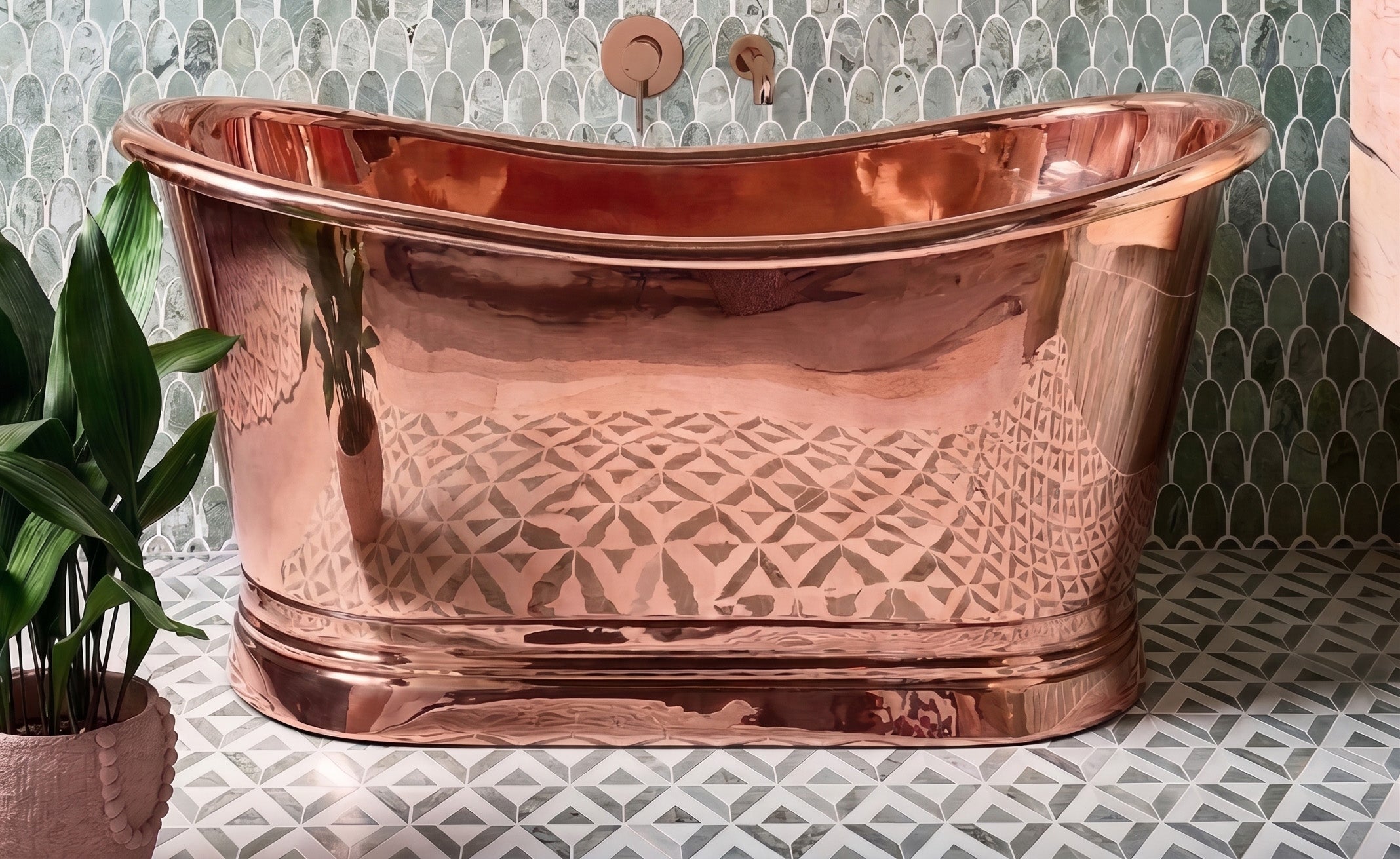

Key Points
- Start with a clear vision: decide whether you want real marble or marble effect porcelain tiles based on budget, maintenance commitment, and household traffic.
- Real marble bathroom tiles must be properly sealed, then re-sealed every 12–24 months to cope with humidity, splashes and everyday products.
- Slip resistance matters: choose honed, matt or textured finishes and smaller formats or mosaics for wet rooms and walk-in showers.
- Use this extra day to plan: order samples, compare marble tones with your existing sanitaryware, and sketch a simple layout before committing.
- Work with experts: at Hyperion Tiles we can help you choose and specify the right marble or marble effect bathroom floor so it looks luxurious and lasts for years.
Why Now Is A Perfect Time to Plan Your Marble Tile Bathroom Floor

Now’s ideal to plan a bathroom refresh rather than diving straight into building work. A marble tile floor in a bathroom creates an instant spa-like feel—even in compact UK en suites or period terrace homes where space is tight.
At Hyperion Tiles, we’re a family-run specialist in premium tiles and natural stone, with a showroom in Ascot. Throughout this article, we’ll cover choosing between real marble and marble effect tiles, dealing with humidity, sealing protocols, slip resistance, and practical design tips to help you elevate your bathroom.
Real Marble vs Marble Effect Porcelain for Bathroom Floors

Our Long Island Marble Small Hexagon Mosaic tiles are elegant bathroom floor tiles crafted from natural marble with a honed finish. Perfect for adding texture and interest, these hexagonal floor tiles deliver a refined, classic look.
Both real marble and marble effect porcelain tiles can deliver that hotel bathroom look, but they behave quite differently under daily use.
Real marble is natural stone quarried from the earth—each tile displays unique veining. Popular colours include classic white Carrara, warm Crema Marfil, deep Nero Marquina, and contemporary grey shades.
| Feature | Real Marble | Marble Effect Porcelain |
|---|---|---|
| Porosity | 0.5– 2% water absorption | Under 0.5% |
| Sealing required | Yes, every 12–24 months | No |
| Cost per m² | £80–500 | £30–100 |
| Veining | Naturally unique | Digitally replicated |
| Durability | Excellent with care | Excellent, low maintenance |
Real marble offers unmatched natural elegance and works beautifully with underfloor heating, but it’s more sensitive to acidic household cleaners and requires regular sealing to protect against staining. Marble effect porcelain tiles offer stain resistance, consistent patterning, and are more affordable for busy family bathrooms.
We’d suggest ordering samples of both from our website — compare them at home under morning and evening light to see how the colours shift.
How to Deal with Marble on a Bathroom Floor (and Make It Last)

A marble bathroom floor is absolutely achievable in a busy household when specified and installed correctly from the start.
- Substrate preparation: Ensure a solid, level base using correctly prepared screed or backer boards over timber to prevent cracking.
- Tile thickness: Choose appropriate formats for floors, especially in older UK homes where levels between rooms vary.
- Professional installation: Work with experienced tilers familiar with natural stone and wet areas.
- Grout selection: Opt for narrow joints with flexible, mould-resistant grout in colours that complement the marble veining.
- Movement joints: Include these around baths, shower trays, and at perimeters to accommodate thermal expansion.
Our team can advise on every step or arrange installation through trusted local professionals.
Sealing and Protecting Real Marble Bathroom Floor Tiles

Real marble floor tiles in bathrooms must be sealed before and after grouting, then re-sealed periodically. A quality impregnating stone sealer penetrates the surface to reduce porosity while allowing the stone to breathe.
Typical sealing schedule:
- Initial sealing before installation
- Second application after grouting (allow 72-hour cure)
- Annual testing and re-sealing every 12–24 months
Humidity from steamy showers, plus products like shampoos or bath oils, can create dull spots on unsealed marble over time. Wipe up standing water promptly, avoid leaving damp bathmats in one spot, and use pH-neutral stone cleaners rather than harsh bleach or acidic de-scalers.
If minimal maintenance appeals to you, our marble effect porcelain bathroom floors need no sealing at all—the perfect combination of sophistication and practicality.
Humidity, Moisture & Slip Resistance in Marble-Floored Bathrooms

Bathrooms are high-humidity, high-splash environments, making surface finish and slip resistance critical when selecting marble tiles.
- Polished marble (R9 rating): Better suited to powder rooms or low-splash areas; can be slippery when wet.
- Honed or textured finishes (R10–R11): Ideal for walk-in showers and wet rooms.
- Smaller formats and mosaics: 50x50mm tiles increase grip through additional grout lines.
Good ventilation via extraction fans (15l/s minimum per Building Regs) helps reduce lingering moisture and protects both marble and grout. Underfloor heating is another smart addition—it helps dry surface moisture quickly and makes the room cosy on chilly mornings.
Design Ideas: Creating a Luxury Marble Bathroom Floor That Suits Your Home

Marble offers incredible versatility, from minimalist contemporary to timeless classic hotel glamour. Here are ways to create a look that’s perfect for your space:
- 5-star hotel style: White or soft-grey marble floors paired with brushed brass brassware.
- Modern drama: Dark marble effect porcelain with sleek matt black fittings.
- Visual expansion: Large-format tiles (60x60cm+) reduce grout lines by up to 70%, making small bathrooms feel more spacious.
- Coordinated luxury: Match marble floor tiles with wall tiles, or combine with waterproof decorative wall panels for easy maintenance.
Consider design touches like marble mosaics for a feature area or continuing the same floor tile into a walk-in shower to create a seamless wet room feel. Pop into our Ascot showroom this weekend with measurements and inspiration images—we’d love to help you discover the ideal range for your project.
Practical Care & Maintenance Tips for Marble and Marble Effect Bathroom Floors

Real marble requires a little more attention than porcelain, but both are manageable in everyday life.
Daily/weekly routine:
- Sweep or vacuum with a soft head.
- Mop with pH-neutral cleaner suitable for stone or porcelain.
- Deal with spills promptly—especially fake tan, hair dye, or strong chemicals.
Place soft bathroom mats in high-splash zones, but avoid rubber-backed versions that trap moisture. For porcelain tiles, you can use broader household cleaners, though avoid abrasive pads to preserve finishes.
A little care preserves that luxury feel for many years—making your marble bathroom floor a sound investment.
Planning Your Bathroom Marble Floor with Hyperion Tiles

So why not make a start and measure up, gather ideas, and shortlist tiles for your bathroom project?
Quick planning checklist:
- Measure your bathroom floor area.
- Note door swings and fixed items.
- Photograph the current space.
- Decide on a rough budget range.
Order tile samples online or visit our Ascot showroom to compare real marble, marble effect porcelain, mosaics and decorative panels in person. Our Hyperion Tiles team can advise on suitable slip ratings, thicknesses, and whether underfloor heating is a good idea for your specific project.
Get in touch by phone, email or via our website to discuss your bathroom plans before tradespeople get booked up for summer.
Share:
Bathtub Tile: How To Turn Your Bath Into A Show-Stopping Centrepiece
Choosing the best tiles for the bathroom: stylish and durable options