★★★★★
Fast delivery and beautiful sample
“Fast delivery and a beautiful sample, well worth getting to see the colours at home.”clare hughes · Verified

Based on 578 verified Trustpilot reviews
★★★★★
“Fast delivery and a beautiful sample, well worth getting to see the colours at home.”clare hughes · Verified
★★★★★
“Good, helpful service in the shop. Great quality product with speedy delivery.”Jo · Verified
★★★★★
“Great variety and quick to send out. Good value for money.”Mr David Thomas · Verified
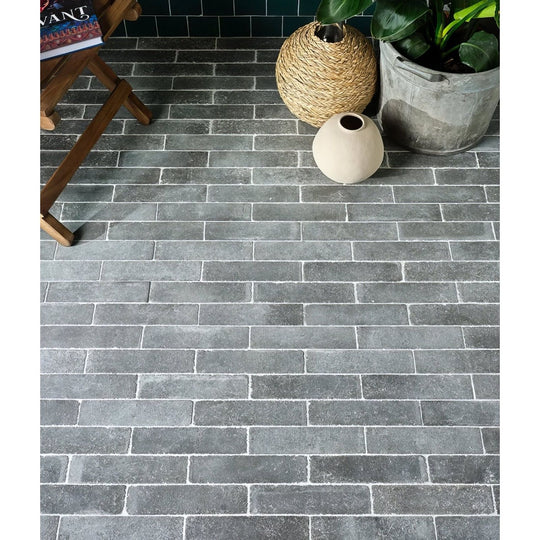
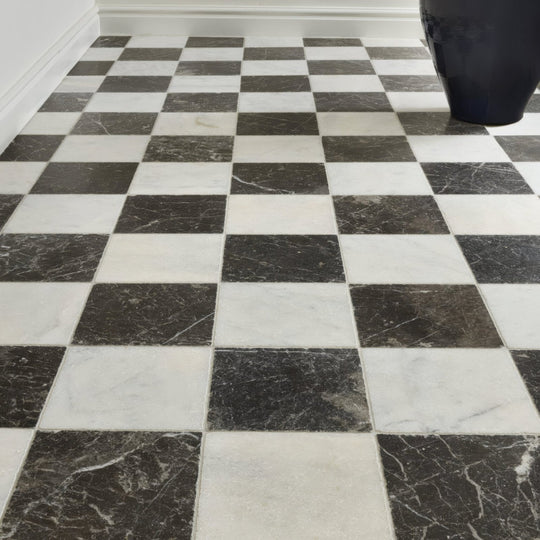
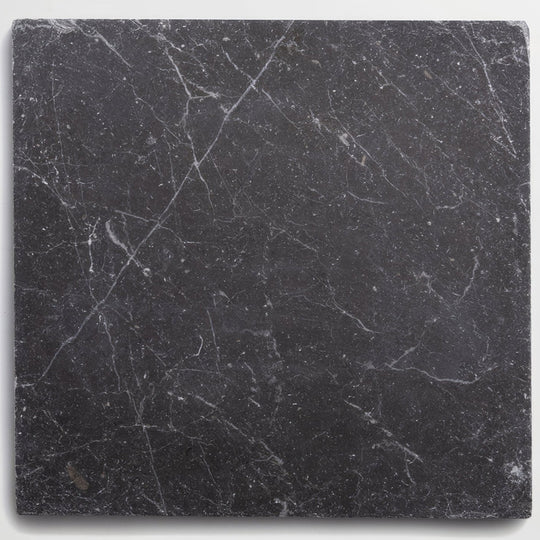
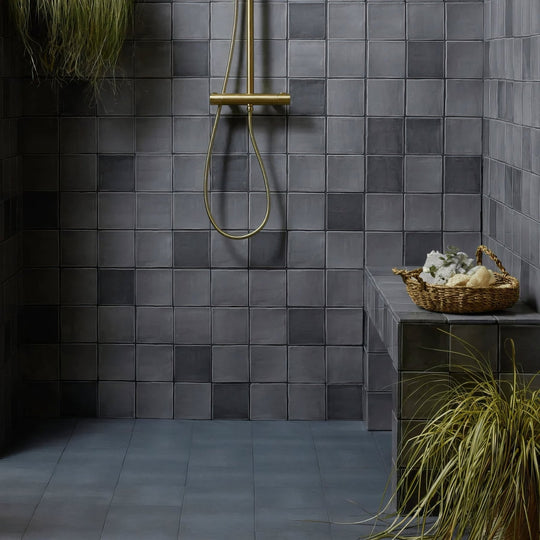
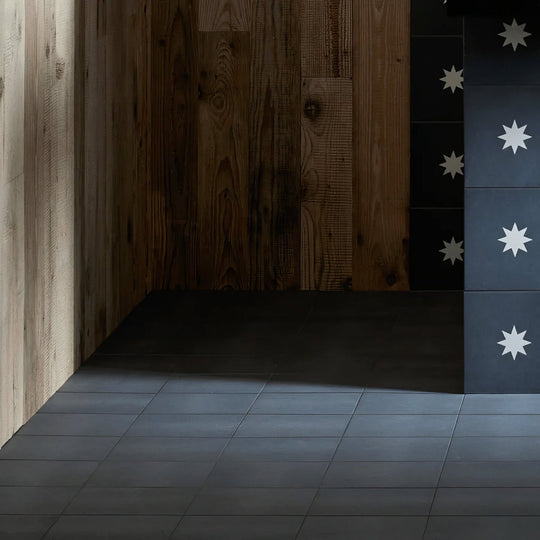
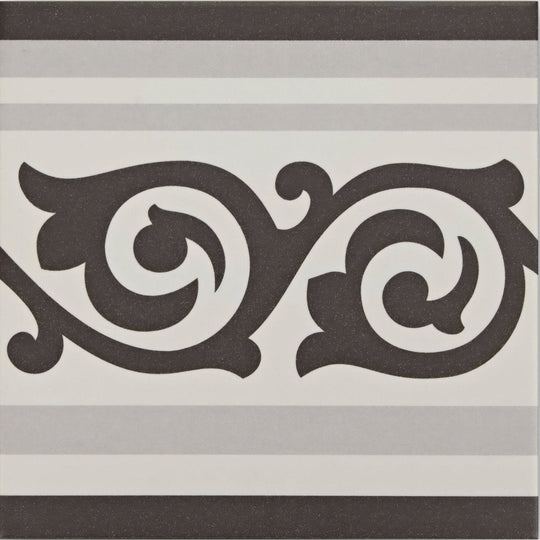
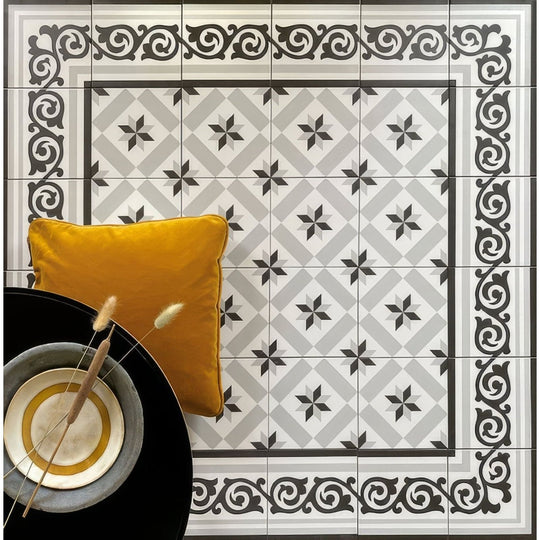
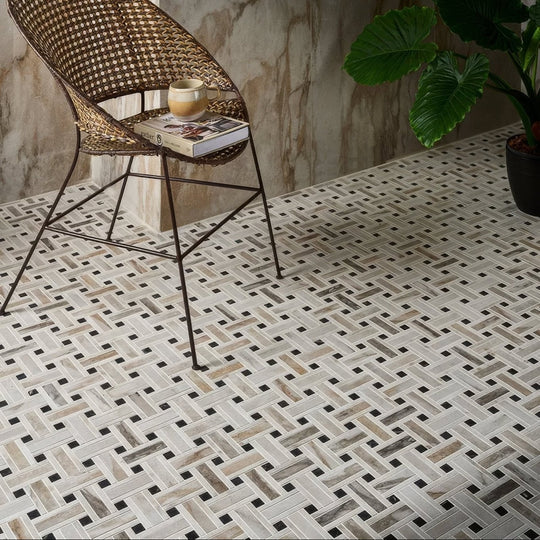
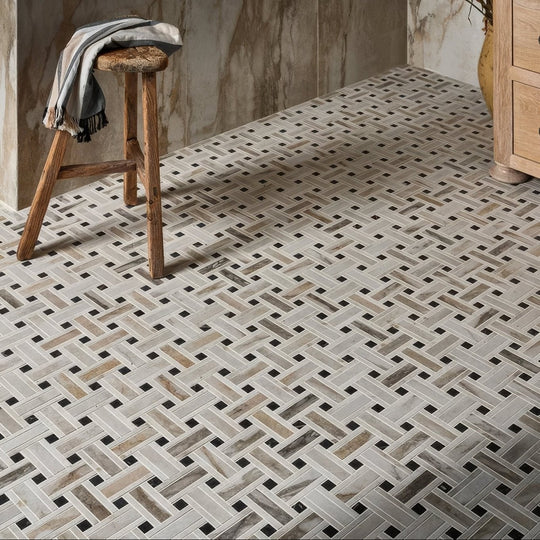
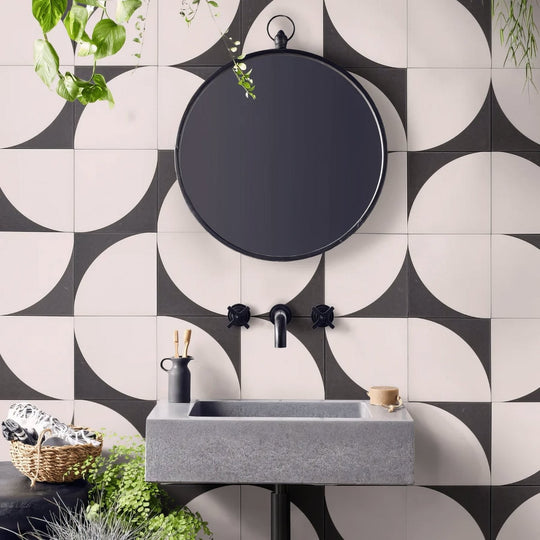
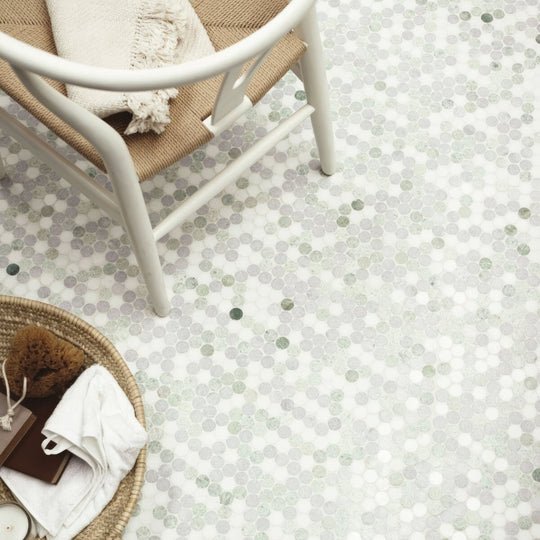
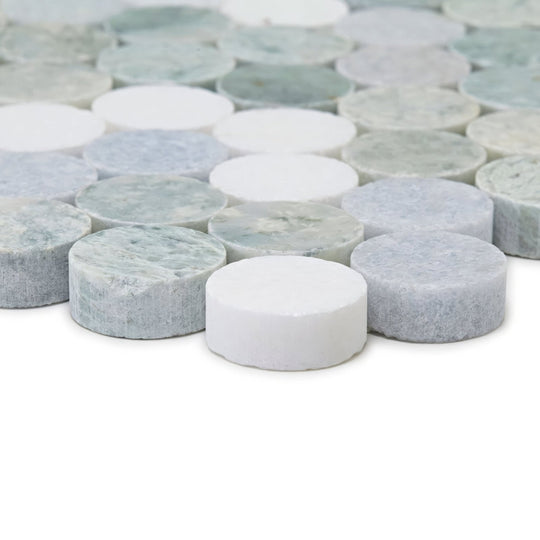
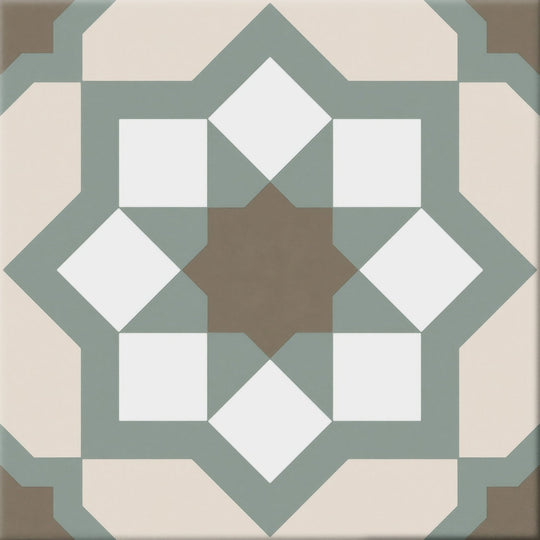
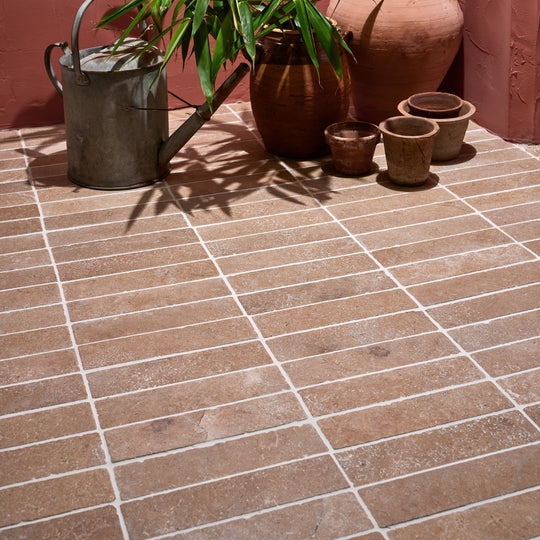
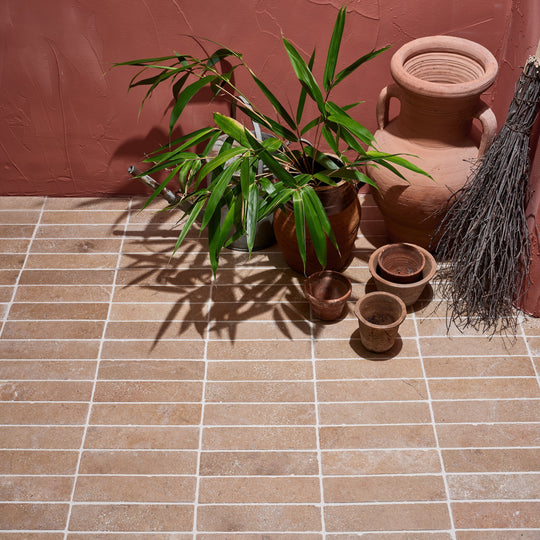
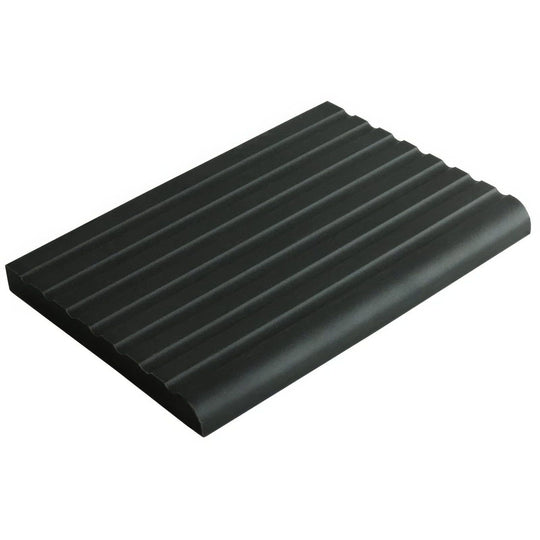
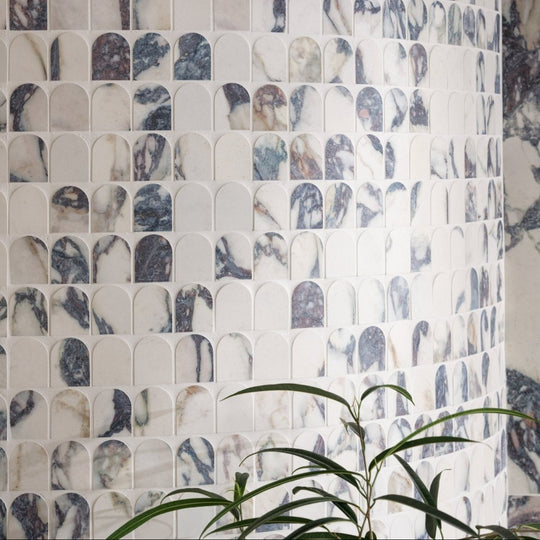
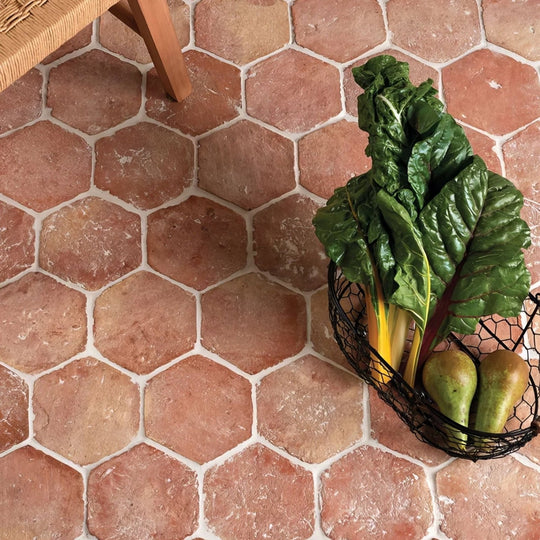
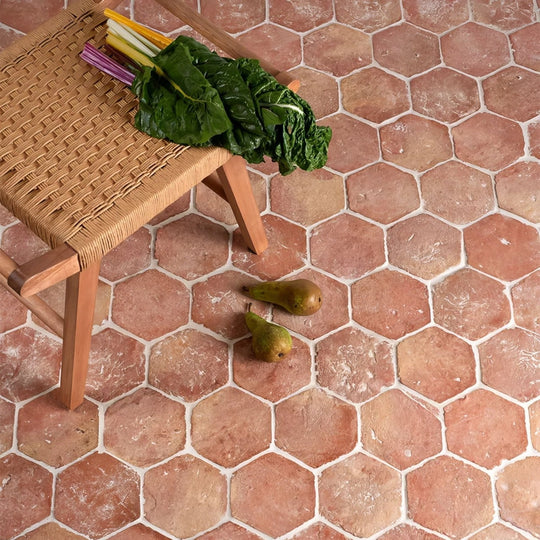
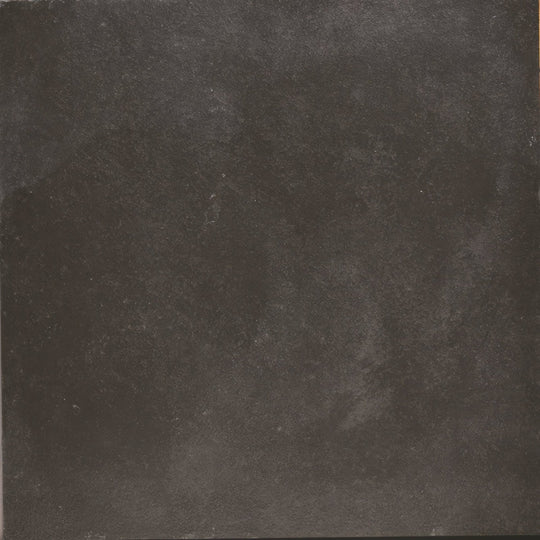
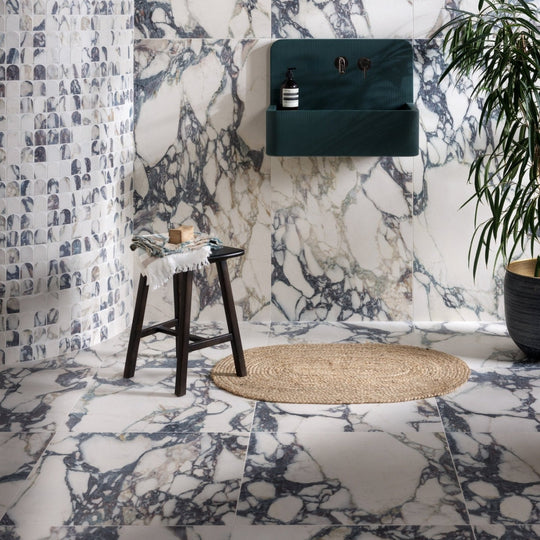
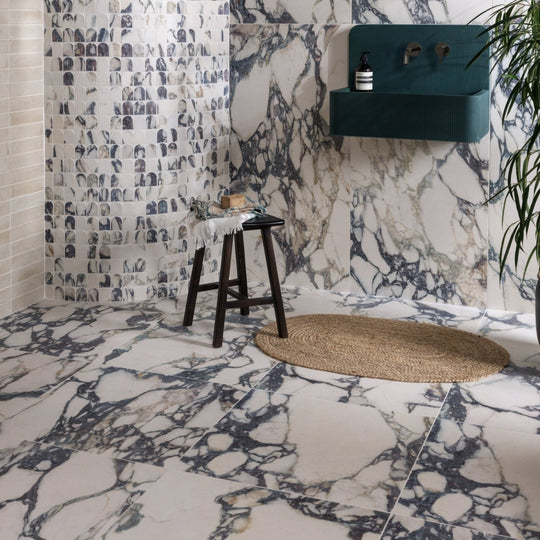
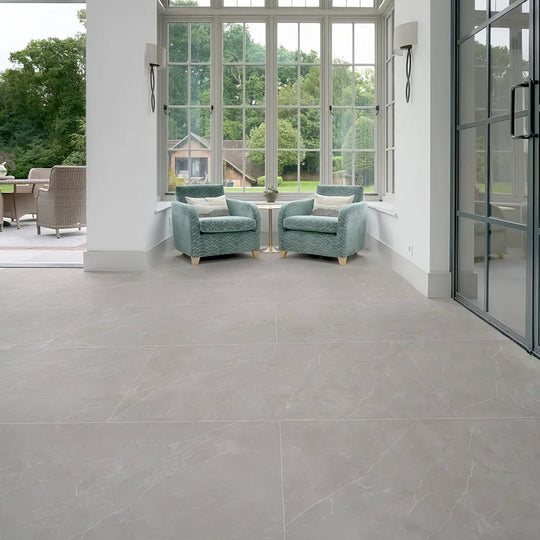
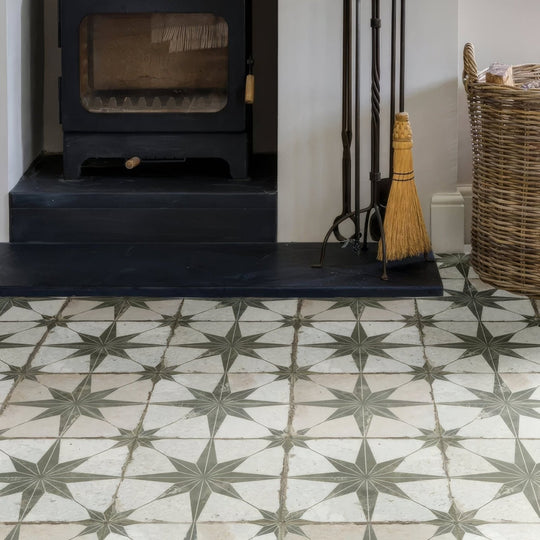
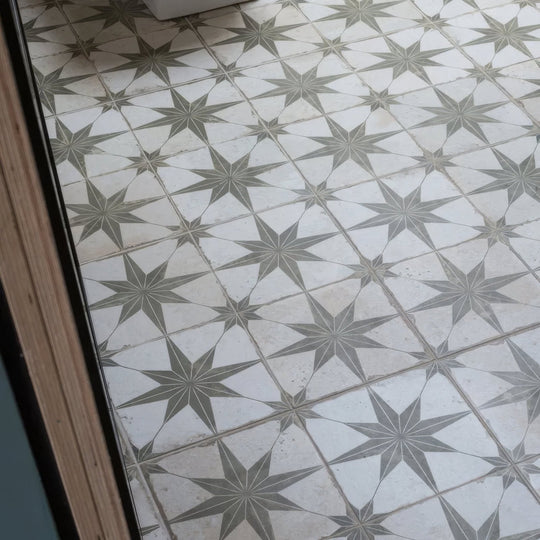
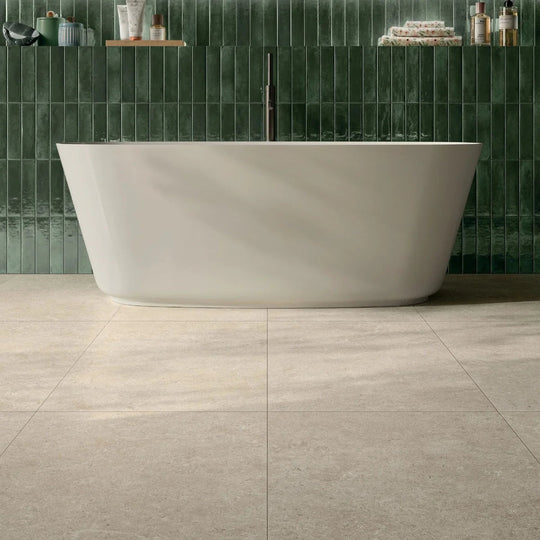
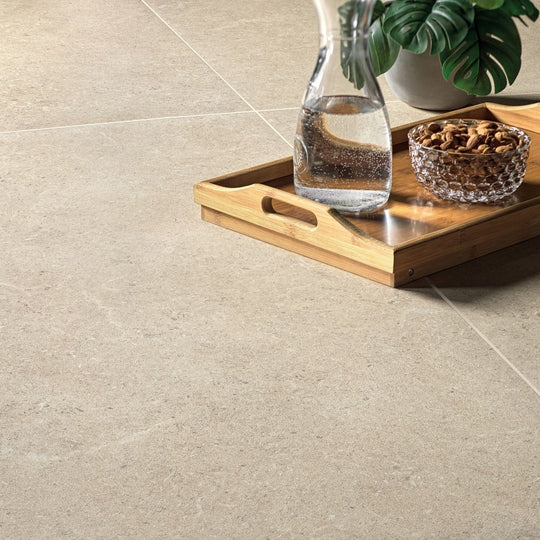
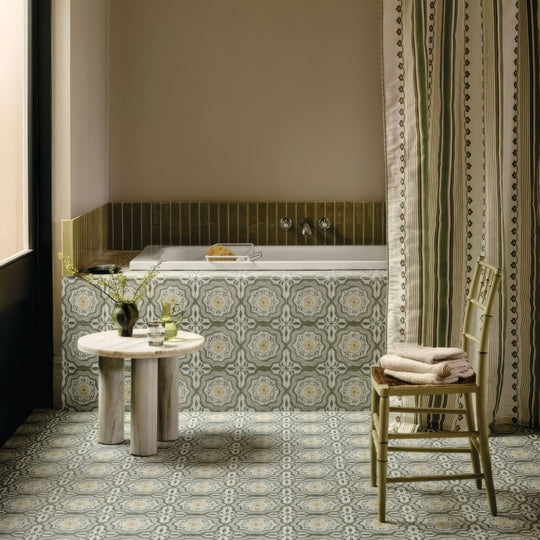
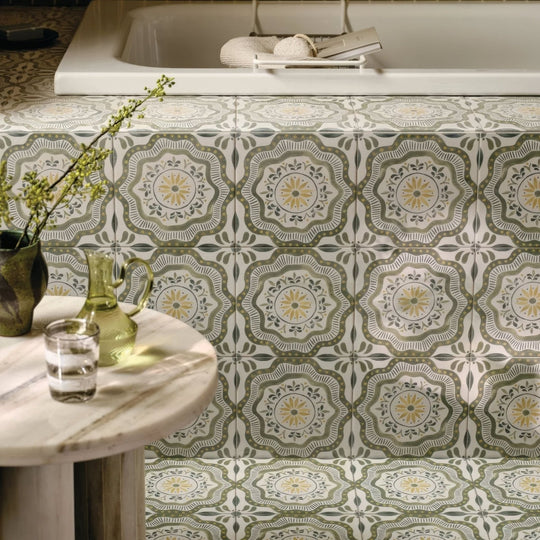
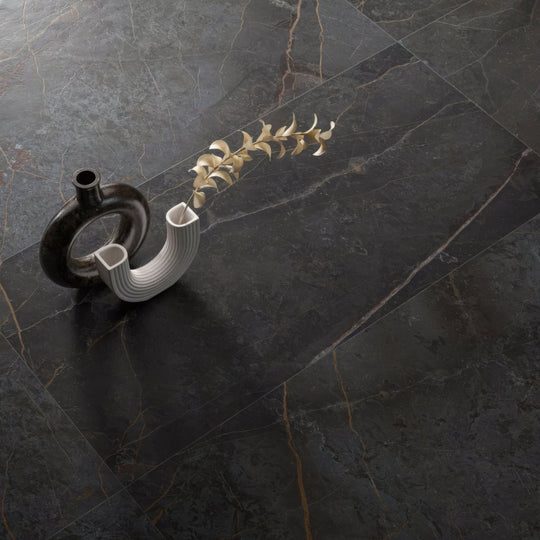
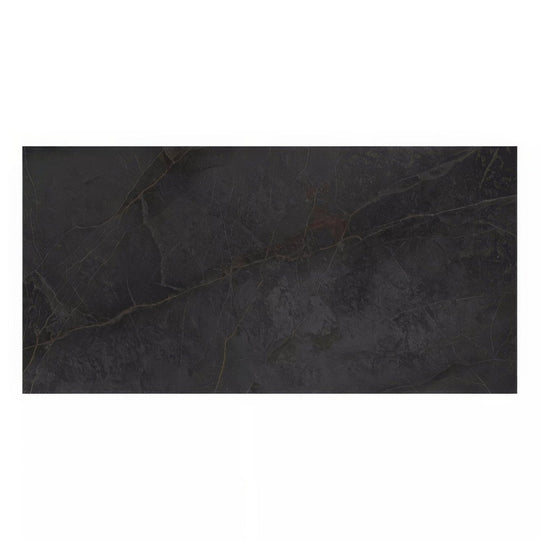
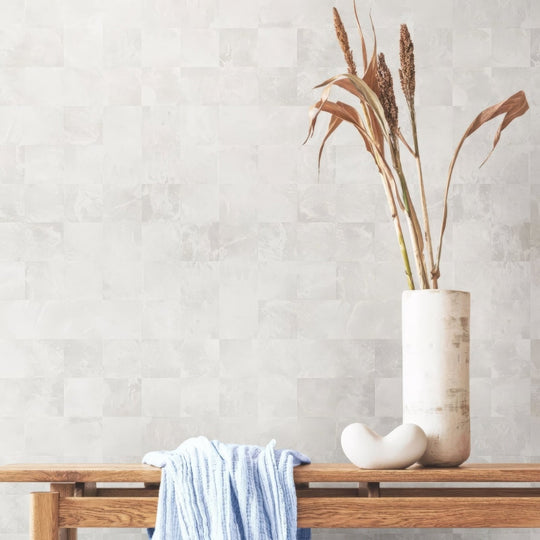
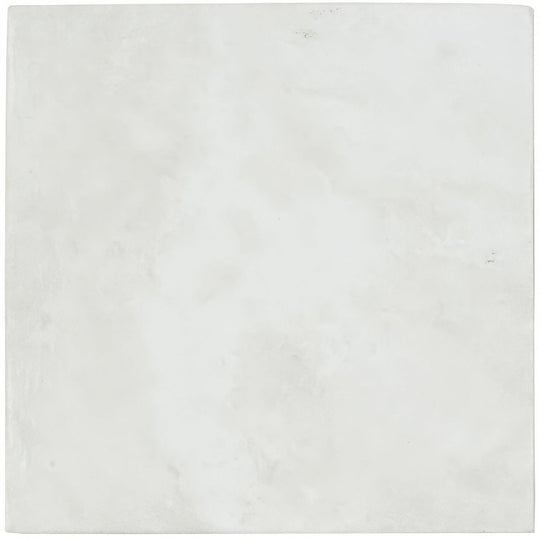
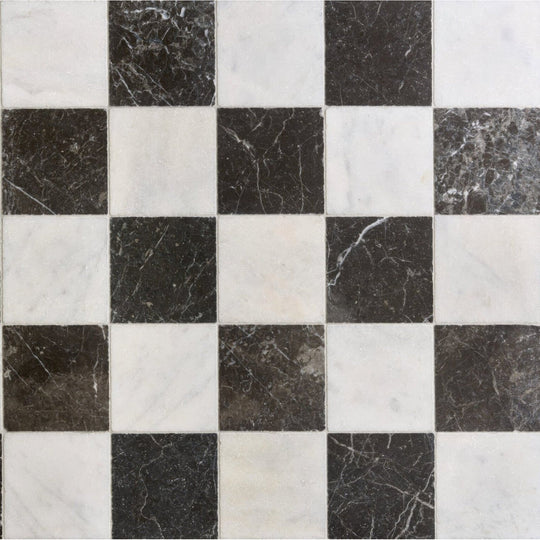
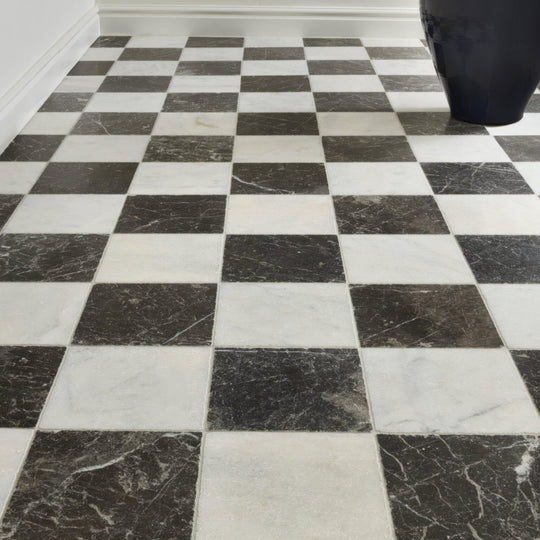
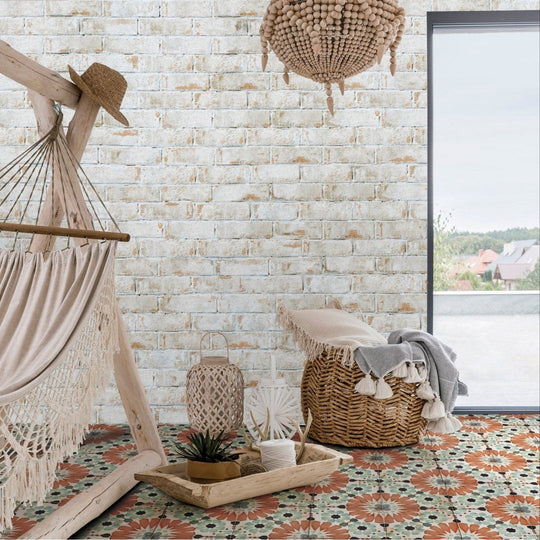
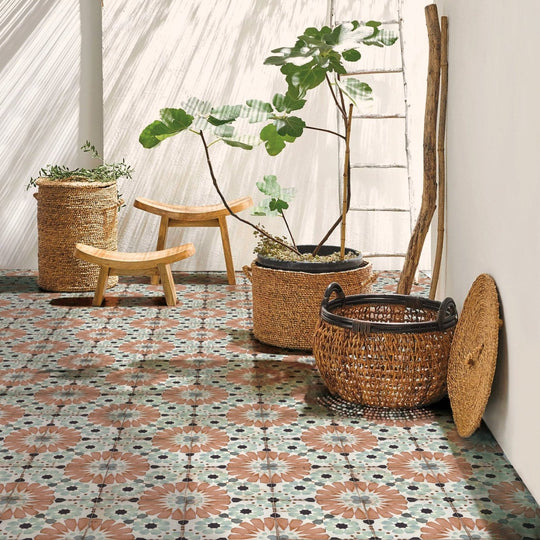
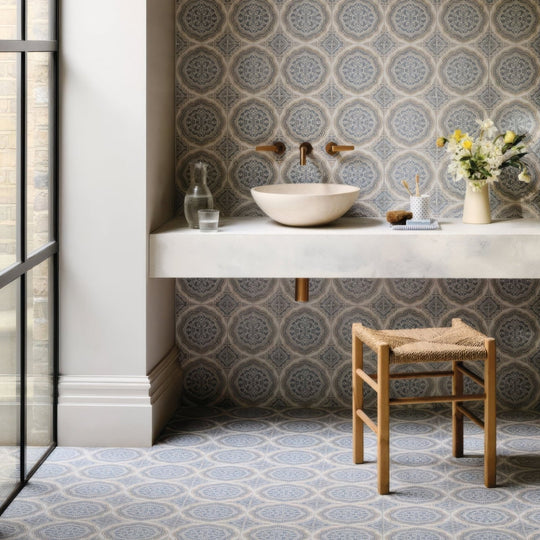
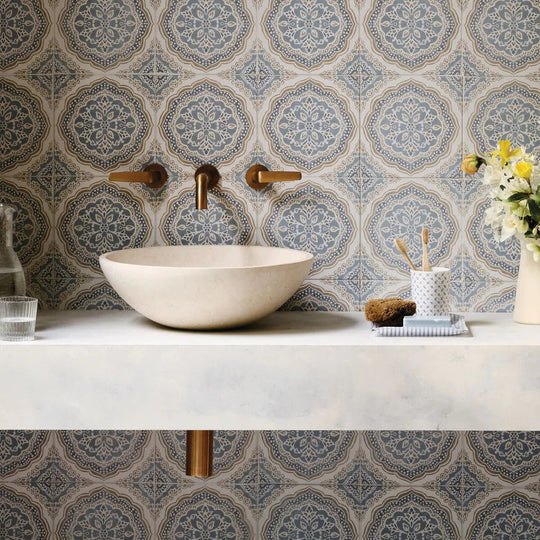
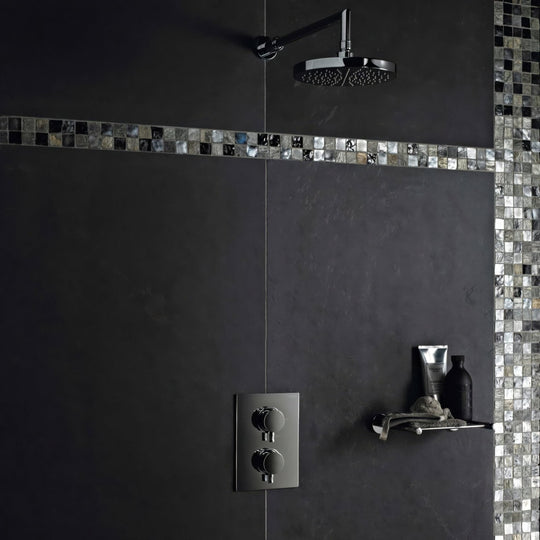
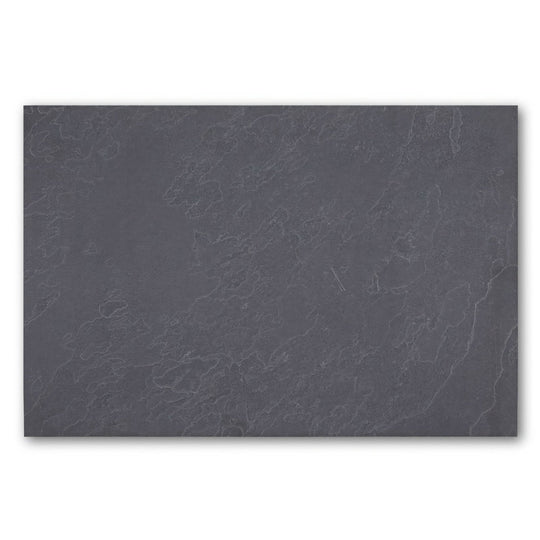
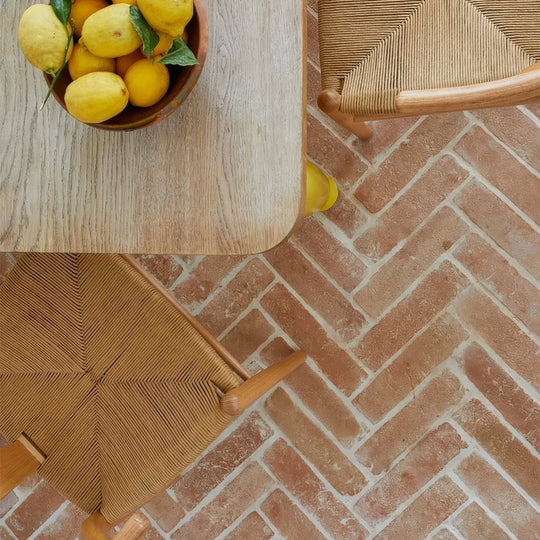
Discover durable and stylish kitchen floor tiles to suit any style, from porcelain to natural stone. Brighten small spaces with white tiles, make a bold statement with black tiles, add charm with mosaics or rustic terracotta for a timeless look.
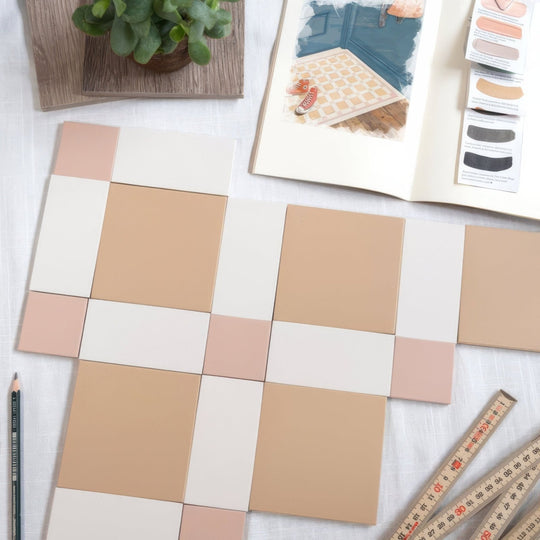
Explore our range of floor tiles for kitchens to find the perfect fit! Order 5 free samples of your favourites to test in your kitchen's natural light.
Related Ranges:
Kitchen Splashback | Victorian Tiles | Patterned Tiles | Terracotta Tiles | Terrazzo Tiles | Porcelain Tiles | Natural Stone
A kitchen floor takes spills, dropped pans and constant footfall, so durability comes first. Porcelain is the standout choice — dense, water- and stain-resistant and virtually maintenance-free — while natural stone and terracotta add warmth and character with occasional sealing. For safe footing choose a slip rating of R10 or above, and rest easy knowing most porcelain and stone tiles work beautifully over underfloor heating.
What are the best floor tiles for a kitchen?
Porcelain is the top all-rounder — hardwearing, water- and stain-resistant and easy to clean, so it handles the busiest family kitchen. Natural stone and terracotta bring warmth and character for a more traditional look.
Are porcelain kitchen floor tiles hard to keep clean?
Not at all — porcelain is non-porous, so spills wipe straight up and a regular mop keeps it pristine. It never needs sealing.
What slip rating do I need for a kitchen floor?
Aim for R10 or above. A slightly textured or matt finish gives dependable grip underfoot, even when the floor is wet from cooking or cleaning.
Can kitchen floor tiles be used with underfloor heating?
Yes — porcelain and natural stone are ideal over underfloor heating, warming quickly and holding heat well for a cosy kitchen underfoot.
Do you offer free kitchen floor tile samples?
Yes — order up to 5 free cut samples to test colours in your own kitchen light, or visit our Ascot showroom.
Independent Expertise
Forget the warehouse experience. Get expert design advice and technical support from our Ascot team.
Call 01344-620211 or start a Live Chat
Fast Nationwide Delivery
Get your designer brands delivered to your door in 1–5 working days.
Free UK shipping on all orders over £1,000
Official Designer Stockist
An authorised stockist of Fired Earth, Ca'Pietra, Minoli, Original Style and more — the genuine article, expertly specified and fully supported.
Rated excellent with 500+ five-star reviews.
15,000+ Luxury Styles
From artisanal Zellige to high-performance LVT, we curate the world's best brands in one place—no matter your project size.
Endless inspiration for every room.