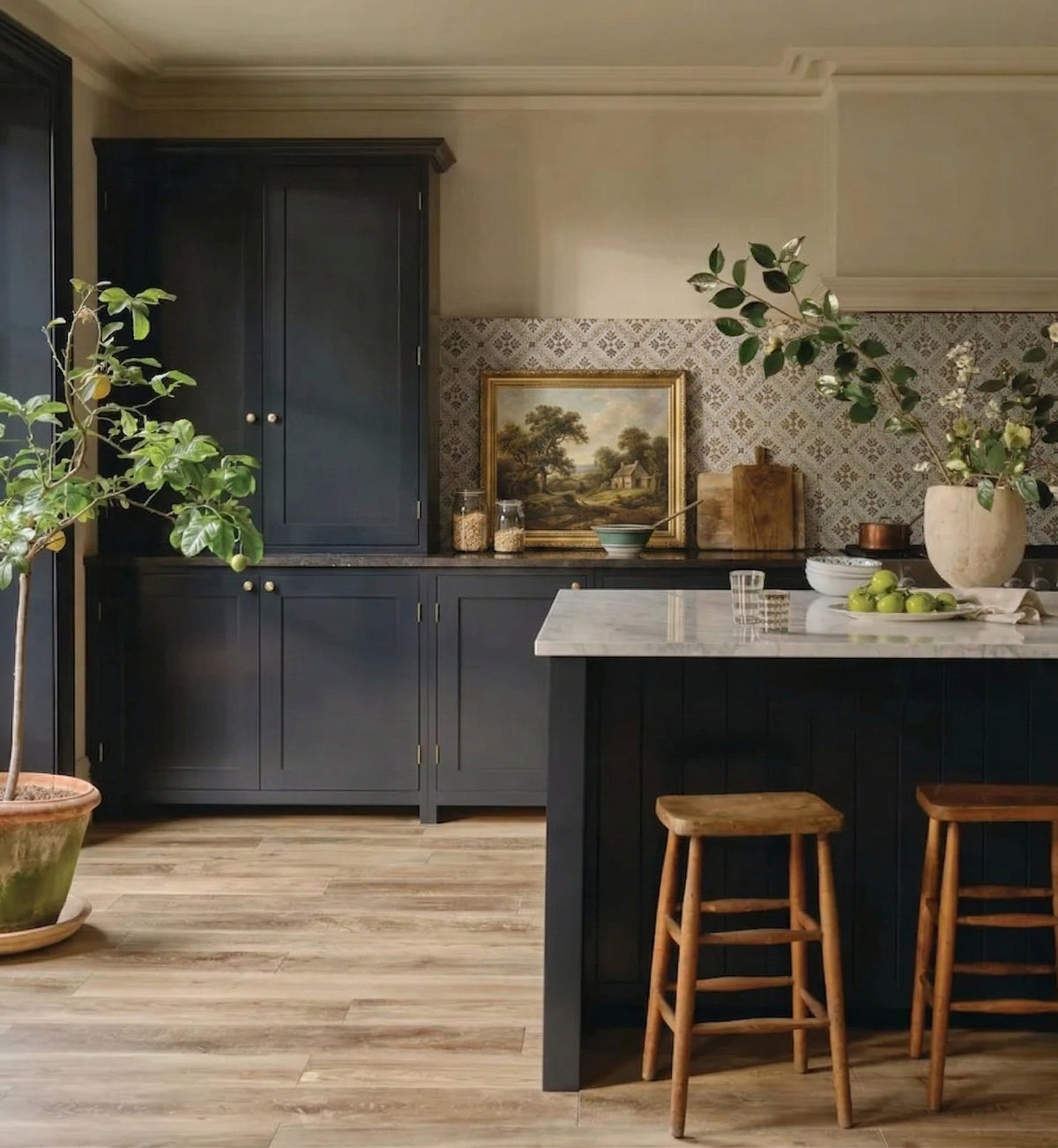
This warm, festive kitchen scene showcases a beautifully dressed Christmas dining table set against our high quality metro kitchen tiles, showing how modern, stylish and durable surfaces from our collection suit seasonal gatherings just as well as everyday cooking moments
Key points for tiles for kitchens
-
December is the perfect time to update your kitchen with tiles before holiday entertaining season
-
A simple tiled backsplash can dramatically refresh your kitchen for under £500
-
Kitchen tiles offer waterproof protection and easy maintenance for high-traffic cooking areas
-
Modern porcelain and ceramic tiles come in endless styles from subway to Moroccan patterns
-
Proper tile selection addresses slip resistance for floors and heat resistance for backsplashes
Christmas kitchen tiles
Christmas is just around the corner, and if you’re like most of us, you’re already thinking about hosting family gatherings, dinner parties, and festive celebrations. But when you look at your kitchen, do you cringe a little? That tired backsplash behind your hob or those dated floor tiles might be exactly what’s holding your kitchen back from being the warm, welcoming heart of your Christmas celebrations.
Here’s the brilliant news: updating your kitchen with tiles doesn’t have to break the bank or take months to complete. In fact, it’s one of the most cost-effective ways to transform your space before the holiday season kicks into full swing. Whether you’re a homeowner looking for a quick refresh, an interior designer seeking the latest trends for clients, or a builder planning winter projects, this guide will help you choose the perfect tiles for your kitchen.
The beauty of kitchen tiles lies in their perfect marriage of practicality and style. They create a hygienic, easy-to-clean surface that can withstand everything from Christmas morning pancake splashes to New Year’s Eve party cleanup, while adding that fresh, modern touch that makes your kitchen feel brand new.
Our modern and stylish Oasis Ceramic White Gloss tiles – crafted from high-quality ceramic with a sleek gloss finish – offer high quality kitchen tiles that beautifully suit contemporary backsplashes. This durable design adds a bright, fresh feel to any kitchen collection
Why this month is ideal for kitchen tile updates
December might seem like an unusual time for home improvements, but it’s actually perfect timing for several compelling reasons. First, you’re probably already deep in Christmas planning mode, which means you’re thinking about your kitchen more than usual. Every time you’re prepping holiday meals or cleaning up after guests, you’ll notice exactly what needs improving.
From a practical standpoint, winter is when most of us focus on indoor projects anyway. The weather’s not exactly inviting for outdoor renovations, making it the ideal time to tackle that kitchen backsplash you’ve been putting off. Plus, many tile suppliers offer end-of-year clearance sales and promotions, meaning you can often find high quality kitchen tiles at discounted prices.
Tiles for kitchen style
There’s also the psychological benefit of starting the new year with a fresh space. A newly tiled kitchen feels like a clean slate – quite literally in some cases! And if you’re considering moving house in the spring (a popular time for property moves), updated kitchen tiles can significantly boost your home’s appeal to potential buyers.
The timeline works perfectly too. Most wall tile installations can be completed in just 2-3 days, meaning you could have a completely transformed backsplash installed and ready for Christmas entertaining. Even floor tiles, which require a bit more time, can typically be completed within a week including drying time.
Finally, let’s be honest about the social aspect. Christmas and New Year bring more visitors to your home than any other time of year. Your kitchen becomes the hub of activity, and having a beautiful, fresh-looking space makes entertaining so much more enjoyable. When your aunt comments on how lovely your kitchen looks, you’ll be glad you made the investment.
Kitchen wall tiles and backsplashes: maximum impact for minimum cost
If you’re looking for the biggest visual bang for your buck, kitchen wall tiles are absolutely where you should start. A backsplash update can completely transform the look and feel of your kitchen, often for less than £500 in materials and labour combined.
Kitchen wall tiles serve multiple practical purposes beyond just looking good. They create a protective barrier against cooking splashes, grease, and moisture damage that can wreak havoc on painted walls. Anyone who’s ever tried to clean grease splashes off paint knows exactly why tiles are essential behind hobs and prep areas.
The most popular choice remains the classic white subway tile, and for good reason. These rectangular beauties, typically measuring 10x20cm, create clean lines that complement virtually any kitchen style. They reflect light beautifully, making even small kitchens feel brighter and more spacious. Plus, they never really go out of style, which is crucial if you’re thinking about resale value.
For those wanting something with more personality, mosaic options are fantastic for adding texture and visual interest. Glass tiles work particularly well for backsplashes because they’re completely non-porous and catch light beautifully, creating a subtle sparkle that’s perfect for entertaining. Just remember that glass requires professional installation to avoid chipping.
Our Foundry Porcelain Smeraldo tiles, made from durable porcelain with a refined matt surface, bring modern elegance and stylish depth to kitchen walls. This high quality kitchen tile range suits both statement and subtle schemes
Heat resistance is crucial for backsplashes, especially the area directly behind your hob. Both porcelain and ceramic tiles handle heat well, but if you do a lot of high-temperature cooking, porcelain offers superior performance. The key is choosing tiles that can withstand not just heat, but the rapid temperature changes that happen during cooking.
Size matters when it comes to wall tiles. Larger tiles mean fewer grout lines, which translates to easier cleaning and a more seamless look. However, smaller tiles can be easier to work with around awkward corners and outlets. Consider your kitchen’s proportions – in smaller kitchens, large tiles can make the space feel bigger, while in larger kitchens, smaller patterned tiles can add visual warmth.
Kitchen floor tiles: durability meets style
Our high quality Rialto Terrazzo Santa Croce Honed and Rialto Terrazzo San Polo Honed tiles, crafted from premium terrazzo with a smooth honed finish, create a stylish and durable kitchen floor. This timeless collection suits modern and traditional interiors alike
Kitchen floors take an absolute beating. Between dropped pots, spilled wine, wet feet, and constant foot traffic, your floor tiles need to be tough enough to handle whatever family life throws at them. This is where the choice between ceramic and porcelain becomes really important.
Porcelain tiles are the gold standard for kitchen floors, and here’s why: they’re incredibly durable, practically waterproof, and resistant to stains, scratches, and chips. The manufacturing process creates a tile that’s fired at such high temperatures that it becomes almost glass-like in density. This means water absorption is minimal – typically less than 0.5% – making porcelain perfect for busy kitchens where spillages are inevitable.
Slip resistance is absolutely crucial for kitchen floor tiles. Look for tiles with a matte or textured finish rather than highly polished surfaces. Many modern porcelain tiles achieve this through subtle texturing that provides grip without compromising on style. Stone effect finishes are particularly good for this, offering the beauty of natural materials with superior practical performance.
Large format tiles (60x60cm and larger) are increasingly popular for kitchen floors because they create a seamless, modern look with minimal grout lines. Fewer grout lines mean easier maintenance and a cleaner overall appearance. However, ensure your substrate is perfectly level – large tiles will highlight any imperfections in your floor.
Our Portare Belleville Porcelain Vendome Blue tiles feature durable porcelain with a matt finish, offering stylish colour and modern flair. This high quality kitchen tile range suits bold design schemes beautifully
If you have underfloor heating (increasingly common in UK kitchens), porcelain is your best choice due to its excellent thermal conductivity. It heats up quickly and distributes heat evenly, making those cold winter mornings much more comfortable when you’re preparing Christmas breakfast.
Colour choice for kitchen floor tiles requires careful consideration. While white and light colours create a bright, spacious feeling, they do show dirt more readily. Medium-toned greys, beiges, and stone effects offer the perfect balance – light enough to feel fresh but practical enough to hide everyday wear and dirt between cleanings.
Popular kitchen tile styles & latest trends
Our Sardinia Porcelain Dragonetti tiles, crafted from strong porcelain with a textured finish, bring stylish durability to kitchen flooring. This modern collection suits busy family kitchens that demand both beauty and performance
The tile world is constantly evolving, and 2026 is bringing some exciting trends that perfectly balance style with practicality. Understanding these trends helps ensure your kitchen update feels current and fresh for years to come.
Classic white subway tiles remain incredibly popular, and for good reason – they’re timeless, versatile, and work with virtually any design aesthetic. Whether you’re going for Scandi minimalism or traditional country charm, white subway tiles provide the perfect backdrop. The key is in how you install them – traditional running bond, herringbone, or even vertical stacking can completely change the look.
Moroccan and geometric patterns are having a major moment, particularly for feature walls or specific zones like behind the sink. These patterned tiles add personality and character, creating focal points that draw the eye. The key is using them strategically – too much pattern can overwhelm a space, but used thoughtfully, they create stunning visual interest.
Natural stone-look porcelain is becoming increasingly sophisticated. Modern manufacturing techniques now produce tiles that are virtually indistinguishable from real marble, granite, or slate, but with all the practical benefits of porcelain. This means you get the luxury appearance without the maintenance headaches that come with natural stone.
Bold coloured tiles are making a comeback, particularly as accent features behind ranges or as backsplashes. Deep blues, forest greens, and even rich terracottas are being used to create dramatic focal points. The secret is balancing these statement colours with neutral tones elsewhere in the kitchen.
Our Josette Blue on Brilliant White tiles, made from high quality ceramic with a crisp gloss finish, deliver a modern twist on classic pattern. These stylish tiles suit kitchen walls where elegance and charm meet durability
Textured and 3D tiles are gaining popularity for creating visual interest and depth. From subtle wave patterns to dramatic geometric reliefs, these tiles catch light beautifully and add tactile appeal. They work particularly well in modern kitchens where you want to add warmth to otherwise sleek surfaces.
Larger format tiles continue to dominate, especially for floors and in smaller kitchens where they help create a sense of space. However, we’re also seeing a resurgence of smaller mosaic tiles used creatively, particularly in mixed materials combining glass, stone, and metal elements.
Expert tips for choosing the right kitchen tiles
Our Buscot Porcelain Parquet Textured tiles offer the look of parquet in durable porcelain with a textured finish, perfect for creating a stylish herringbone kitchen floor. This classic-style range suits design-led interiors beautifully
Choosing kitchen tiles can feel overwhelming with so many options available, but following some expert guidance can simplify the process significantly. Always start by ordering samples – this cannot be overstated. Tiles look completely different under your kitchen’s specific lighting conditions compared to how they appear in showrooms or online.
Test your samples at different times of day, particularly in the morning when you’re likely to be using your kitchen most. Natural light, artificial lighting, and the combination of both can dramatically affect how colours and finishes appear. What looks perfect under showroom lighting might feel completely wrong in your north-facing kitchen.
Grout colour has an enormous impact on the overall appearance of your tiled surface. Light grout creates clean, defined lines that make each tile stand out individually, while darker grout tends to blend tiles together for a more unified look. Consider maintenance too – lighter grout shows dirt and stains more readily, while darker grout is more forgiving but can make a space feel smaller.
Match your tile scale to your kitchen size thoughtfully. Large tiles generally make small kitchens feel bigger by reducing visual breaks, while smaller tiles or patterns can add warmth and interest to larger spaces. However, don’t be afraid to break this rule creatively – sometimes a bold patterned tile in a small kitchen creates exactly the dramatic effect you want.
Our Wild Botanicals Porcelain Green by Clarissa Hulse tiles are crafted from high quality porcelain with a matt finish, adding modern nature-inspired style to kitchen walls. This unique collection suits those seeking a vibrant yet durable option
Factor in your existing cabinetry and countertop colours when making selections. Your tiles should complement, not compete with, these major elements. If you have marble countertops, simple subway tiles might be perfect for a backsplash. If you have plain painted cabinets, this might be your opportunity for patterned or textured tiles.
Always plan for 10-15% extra tiles beyond your calculated needs. This accounts for cuts, breakages, and future repairs. Having matching tiles on hand means you can fix any damage without worrying about discontinued lines or colour variations between production runs.
Think about the practical aspects of your cooking style. If you do lots of high-heat cooking, prioritise heat resistance. If you bake frequently and tend to be messy, focus on easy-clean surfaces. If you have young children, slip resistance and durability become paramount considerations.
Solving common kitchen tile challenges
Every kitchen tile project comes with its unique set of challenges, but understanding these common issues beforehand helps ensure a successful outcome. Water damage concerns top most homeowners’ lists, and rightfully so. Proper waterproofing behind tiles is absolutely crucial, particularly in areas prone to splashes like behind sinks and hobs.
The key to preventing water damage is using appropriate waterproof membranes behind the tiles and ensuring all joints are properly sealed. This is especially important if you’re tiling over areas that have previously experienced moisture problems. Don’t cut corners here – water damage repair costs far exceed the price of proper waterproofing from the start.
Uneven walls present another common challenge, particularly in older properties. Modern tile adhesives can accommodate minor irregularities, but significant unevenness requires addressing before tiling begins. Sometimes this means applying a levelling compound, other times it might require more extensive preparation work.
Dealing with awkward corners and cuts around appliances and fixtures requires careful planning. Measure twice, cut once applies especially to tiles. For complex cuts around outlets or curved surfaces, consider using smaller tiles or mosaic sheets that are more forgiving. Professional installers have specialist tools for these situations, which is worth considering for complex layouts.
Our Studio Jamboree Hand-painted Ceramic Summer Field and Chocolate Field tiles showcase artisanal ceramic craft with a hand-painted finish. These stylish and durable tiles suit kitchen walls that call for modern creativity within a unique collection
Choosing appropriate tile thickness affects how your finished installation looks and functions. Thinner tiles might seem economical, but they can telegraph substrate imperfections and may crack under stress. For floors, aim for at least 8-10mm thickness, while walls can accommodate thinner options.
Budget constraints versus quality requirements create ongoing tension in most tile projects. Remember that your kitchen tiles are a long-term investment – skimping on quality often proves false economy. However, this doesn’t mean you need the most expensive options. Focus your budget on the most visible and heavily used areas, such as the main backsplash and high-traffic floor areas.
Timing can be challenging, especially when coordinating with other tradespeople. Wall tiles typically require 2-3 days to complete including grouting and sealing, while floor tiles need 5-7 days including proper drying time. Plan accordingly, particularly if you’re working to a Christmas deadline.
Installation considerations for different user types

Our Portare Davos Chevron Porcelain Matt tiles feature high quality porcelain with a smooth matt finish, bringing modern pattern and stylish movement to kitchen floors. This durable range suits contemporary design schemes perfectly
Different types of users have varying needs when it comes to kitchen tile installation, and understanding these differences helps ensure project success.
DIY homeowners should start with simple patterns like subway tiles laid in traditional running bond. This classic layout is forgiving of minor imperfections and doesn’t require complex cutting. Invest in quality tile adhesive and tools – the difference in final results justifies the additional cost. Most ceramic tiles are DIY-friendly, while porcelain’s hardness makes it more challenging to cut and handle.
Take time to properly prepare your substrate. Clean, level surfaces are crucial for professional-looking results. If your walls aren’t perfectly flat, consider using a flexible adhesive that can accommodate minor irregularities. Don’t rush the process – taking time to set each tile properly saves hours of remedial work later.
Interior designers focus on creating unique, memorable spaces for clients while balancing current trends with timeless appeal. Consider offering clients curated sample boards that simplify decision-making and speed up approval processes. Focus on premium finishes and unique patterns that differentiate your projects from standard developments.
Stay current with the latest trends while being mindful of resale value. Bold patterned cement tiles might be perfect for a design-conscious client who plans to stay long-term, while classic materials might better suit someone thinking of moving within a few years.
Builders need to prioritise reliable suppliers, consistent sizing, and installation efficiency. Establish relationships with tile suppliers who can guarantee availability and consistency across multiple projects. Rectified tiles (precisely cut to size) save time during installation and create more professional results.
Tool requirements vary by user type. DIY installers need basic tile cutters, spacers, and levelling systems for professional results. Professionals invest in more sophisticated equipment like wet saws and laser levels for efficiency and precision.
Time management becomes crucial during busy periods like pre-Christmas renovations. Wall tiles generally take 2-3 days to complete, while floor installations require 5-7 days including drying time. Factor in additional time for complex patterns or layouts requiring extensive cutting.
Maintenance and long-term care
Proper maintenance ensures your kitchen tiles continue looking beautiful and performing well for decades. The good news is that tiles are inherently low-maintenance compared to many other kitchen surfaces, but a little care goes a long way.
Daily cleaning requires nothing more than pH-neutral cleaners and soft cloths. Avoid acidic cleaners like those containing vinegar or lemon, as these can damage certain tile types and definitely affect grout over time. For routine cleaning, warm soapy water works perfectly well for most tiles.
Annual grout sealing prevents staining and water penetration, particularly important in areas prone to spillages. Even if your grout was sealed during installation, this protection gradually wears away with normal use and cleaning. Resealing is straightforward and dramatically extends the life of your grout lines.
Handle spills immediately, particularly acidic substances like wine, citrus juices, or tomato-based sauces. While modern tiles are generally stain-resistant, prolonged contact with acids can cause permanent damage, especially to natural stone or cement tiles.
Professional deep cleaning every 12-18 months makes sense for heavy-use kitchens. Professional cleaners have access to specialist equipment and products that can restore your tiles to like-new condition, particularly useful for textured or relief tiles that are harder to clean thoroughly.
Our Cordoba Hexagon tiles, crafted from durable porcelain with a sophisticated matt finish, offer a modern geometric look that suits kitchen walls or floors. This high quality collection is stylish, versatile, and built to last
Touch-up grouting techniques help maintain appearance over time. Small cracks or discoloured sections can be addressed without redoing entire areas. Keep leftover grout from your original installation for these touch-ups, as colour matching can be challenging with different batches.
Different tile types require specific care approaches. Porcelain is virtually indestructible with normal care, while natural stone needs more attention to sealing and pH-neutral cleaning products. Glass tiles benefit from squeegee cleaning to prevent water spots, particularly in areas with hard water.
Preventive measures save significant maintenance time. Using cutting boards protects against knife scratches, trivets prevent thermal shock, and door mats reduce tracked-in dirt that can abrade tile surfaces over time.


Share:
Bathroom tiles: your guide to creating the perfect bathing haven