


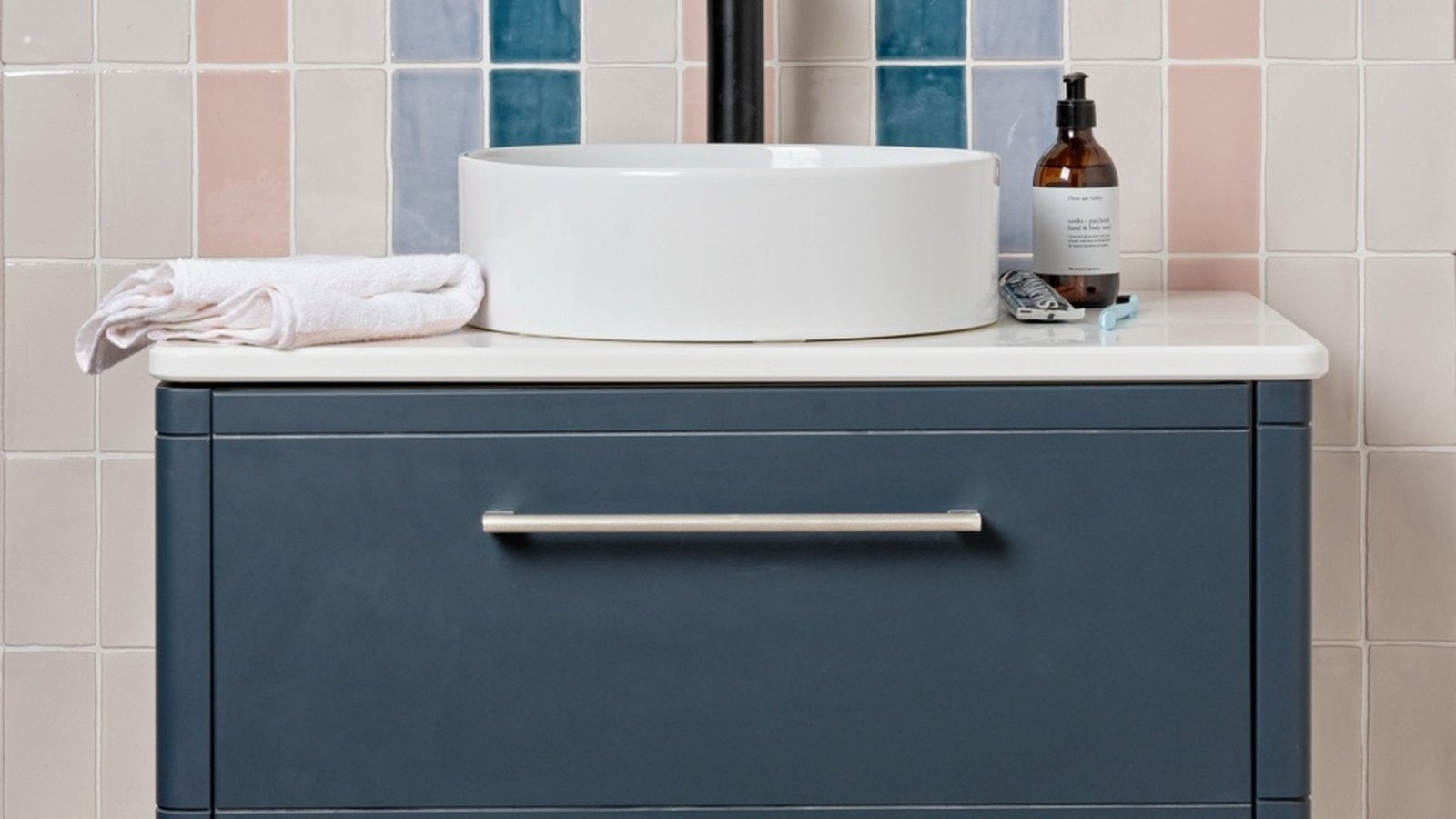

Our Carter Ceramic Mint tiles feature a mint-green metro style that will transform any bathroom space into a timeless classic
Key points
- These tiles offer excellent water resistance and affordability, making them ideal for bathroom walls
- Porcelain tiles provide superior durability for high-traffic bathroom floors, though ceramic remains suitable for walls and low-traffic floor areas
- Proper substrate preparation and waterproofing behind tiles prevents 90% of common bathroom tile failures
- Regular sealing of grout lines every 12-18 months extends your tile lifespan to 15-20 years in bathroom environments
Standard 300x300mm tiles work best for small bathrooms, while larger 600x300mm formats create spacious areas in larger bathrooms.
Ceramic bathroom tiles
When it comes to transforming your bathing haven, ceramic tiles remain the go-to choice for millions of homeowners worldwide. As tile and flooring experts, we’ve seen countless bathroom renovations where the right tile selection has made the difference between a stunning, long-lasting result and a few costly mistakes that plague homeowners for years.
The bathroom presents unique challenges that ceramic tiles are perfectly positioned to solve. From constant moisture exposure to daily foot traffic, your choice of tiles will determine both the practical functionality and aesthetic success of your dream bathroom. Whether you’re planning a complete renovation or simply updating tired bathroom walls, understanding the nuances of this tile selection, installation, and maintenance will save you time, money, and frustration.

Our Forecast Lundy Rectangle Glazed tiles will instantly bring a unique look that feels both fresh and classic to suit your space perfectly
This comprehensive guide draws from decades of professional experience helping homeowners navigate the extensive range of tile options available today. We’ll address the most common pain points we encounter daily: choosing between ceramic and porcelain, selecting the right size and finish, avoiding installation pitfalls, and ensuring your investment lasts for decades.
Why ceramic tiles are perfect for bathroom applications

Patterned tiles can instantly liven up a bathroom and our Kelmscott Emery range instantly add a touch of interest and luxury to this niche
The science behind ceramic tiles makes them naturally suited to bathroom environments. With water absorption rates below 3%, quality tiles such as these resist the constant moisture and humidity that would damage other flooring materials. This means your bathroom floor tiles and wall tiles maintain their integrity in wet conditions, from steamy showers to splashing around the bathtub. Alternatively, bathroom vinyl tiles are another highly water-resistant option, offering durability and stylish designs for modern bathroom renovations.
Thermal expansion characteristics make them compatible with underfloor heating systems commonly installed in modern bathrooms. Unlike natural materials that can crack under temperature fluctuations, these tiles accommodate the thermal cycling that occurs in heated bathroom floors without compromising their structural integrity.
Bathroom tiles: cleaning, costs and availability explored
The easy cleaning properties of glazed surfaces resist soap scum, toothpaste stains, and the daily contaminants that accumulate in busy family bathrooms. A simple wipe with pH-neutral cleaners maintains the pristine appearance that makes this material such a practical choice for bathroom walls and floors.
Cost-effectiveness represents another compelling advantage. Quality bathroom tiles typically cost 40-60% less than equivalent natural stone options like marble or travertine, yet deliver comparable aesthetic appeal when you explore options like marble effect finishes. This affordability extends to the extensive range available, ensuring you can achieve any style from timeless classics to contemporary bold patterns.
Wide availability ensures replacement tiles remain accessible for future repairs. Unlike special materials that may be discontinued in future, standard tile ranges from major manufacturers maintain consistent availability, protecting your long-term investment in your bathroom renovation.
Ceramic vs porcelain: making the right choice for your bathroom

Our Carter Ceramic White tiles come from a wide selection of wall tiles in a variety of different colours with polished and matt finishes available
Understanding when to specify ceramic versus porcelain tiles can significantly impact both performance and budget in your bathroom project. These tiles work excellently for bathroom walls, shower surrounds, and backsplashes due to their lighter weight, which reduces structural load and simplifies installation on vertical surfaces.
Bathroom floor tile options
For bathroom floors, especially in family bathrooms with heavy daily use, porcelain tiles offer superior durability and water resistance. The lower water absorption rate of porcelain (typically under 0.5%) compared to standard ceramic (up to 3%) makes porcelain the preferred choice for wet rooms and areas exposed to standing water.
Glazed ceramic tiles provide additional stain resistance and easier maintenance than unglazed options. The glass-like surface created during firing creates a protective barrier that repels moisture and stains while offering unlimited design possibilities through digital printing technologies that create realistic stone effect and wood-look finishes.
Through-body ceramic tiles offer better chip resistance around high-impact areas like vanity edges and door thresholds. When colour extends throughout the tile thickness rather than just the surface glaze, minor chips become virtually invisible, maintaining the polished appearance of your bathroom décor.
Consider frost resistance ratings if installing ceramic tiles in unheated bathrooms or conservatory bathrooms. Standard indoor may not withstand freeze-thaw cycles that can occur in these spaces, making porcelain or frost-rated ceramic essential for seasonal use areas.

Add a sleek finish to your bathroom with these stylish green tiles. Our Shoreline Ceramic Sea Kale range instantly add a polished finish to any space with their polished look with all the practicality of feature wall tiles
Popular tile finishes and styles for bathrooms
Finish selection dramatically affects both aesthetics and functionality in bathroom applications. Gloss finishes reflect light effectively, making small bathrooms appear larger and brighter. However, they show water spots and soap residue more readily, requiring frequent cleaning to maintain their stunning appearance.

Bring timeless elegance to your space with these versatile Salisbury Blue on Dover White floor tile. Perfectly suited as bathroom floor tiles, they also work beautifully as wall and floor tiles throughout your home. The soft blue pattern against a crisp white background adds just the right touch of classic character to any room
Matt finishes provide better slip resistance for bathroom floors while hiding minor imperfections and water marks. The subtle texture creates a more forgiving surface that maintains its fresh appearance with standard cleaning routines, making matt finishes particularly suitable for busy family bathrooms.
Marble effect tiles deliver luxury aesthetics at a fraction of natural stone cost, such as genuine marble. Advanced digital printing creates convincing veining patterns and colour variations that capture the timeless elegance of natural stone without the maintenance requirements.
Subway tiles in 150x75mm format remain timelessly popular for bathroom walls and shower areas. Their classic proportions suit both traditional and contemporary schemes, while the rectangular shape creates visual interest through various laying patterns like herringbone or vertical stack bonds.
Textured tiles offer enhanced grip for wet bathroom floors and step-in shower areas. Surface treatments create micro-textures that improve safety without compromising on style, available in neutral tones that complement any colour scheme while providing essential slip resistance.
Contemporary trends favour large-format tiles that create seamless, spa-like environments. Extra large slabs minimise grout lines for easier cleaning while creating sophisticated, modern aesthetics that transform ordinary bathrooms into luxury retreats.
Size selection and layout planning for bathroom tiles

Explore a stunning range of options with our Oasis Ceramic Pink Gloss tiles—their gentle pink tones bring a delightful burst of colours to any space. Perfect for creating eye-catching feature walls, they offer refined, decorative flair that transforms interiors
Tile size selection should harmonise with your bathroom’s proportions to create visual balance and practical functionality. 300x300mm tiles suit bathrooms under 4 square metres, creating proportional visual balance that doesn’t overwhelm compact spaces while providing sufficient scale for effective cleaning and maintenance.
600x300mm rectangular tiles make small bathrooms appear larger when installed horizontally, drawing the eye along their length to create the illusion of expanded space. This format works particularly well for bathroom walls where the elongated shape emphasises width rather than height.
Large format 600x600mm tiles minimise grout lines but require perfectly flat substrates to prevent lippage (uneven tile edges) that creates tripping hazards and detracts from the sleek appearance. Professional substrate preparation becomes critical when specifying larger formats.
Mosaic tiles (25x25mm) work excellently for shower niches and accent features, allowing creative curved installations and detailed design work that larger tiles cannot accommodate. The increased grout coverage provides enhanced waterproofing in vulnerable areas while adding textural interest.
Plan tile layouts to avoid narrow cuts around fixtures, especially toilets and vanities. Awkward slivers of tile look unprofessional and are prone to damage during installation and use. Professional layout planning ensures symmetrical, balanced appearances that enhance rather than detract from your bathroom’s design.
Expert layout tips for professional results

Bring subtle coastal charm, practical elegance and timeless appeal to your interiors with our Shoreline Ceramic Shallow Water tiles—their soft blue hue complements any décor while offering the durability and easy upkeep required for high-use areas. Ideal for adding depth to space, these tiles strike a perfect balance between practicality and timeless decor
Start tiling from the room's centre point to ensure equal cuts on opposite walls. This approach creates symmetrical layouts where any necessary cut tiles appear as matching borders rather than irregular offcuts that draw attention to installation compromises.
Use tile spacers consistently, typically 2-3mm for wall tiles and 3-5mm for floor tiles. Consistent spacing creates professional-looking grout lines that enhance the overall appearance while providing adequate space for thermal movement and cleaning access.
Plan vertical alignment so cut tiles appear at floor level rather than ceiling level. This technique maintains the visual integrity of full tiles at eye level while placing any unavoidable cuts in less noticeable positions near the floor.
Consider tile orientation carefully - vertical layouts increase perceived ceiling height in low-ceiling bathrooms, while horizontal orientations can make narrow bathrooms feel wider. The grain direction of rectified tiles should remain consistent throughout the installation.

Create your own feature wall and dream bathroom with our stunning range of Seaton tiles. Available in a variety of different colours, we're showcasing Pink Sands, Sky, Beach Hut and Ice Cream to produce a patterned effect filled with practicality
Professional installation considerations for ceramic bathroom tiles
Substrate preparation determines installation success more than any other factor. Ensure substrate moisture content is below 4% before tile installation begins, using moisture meters to verify conditions that prevent adhesive failure and future tile displacement.
Apply tanking membrane behind shower areas and around bath perimeters as standard practice. This waterproof barrier prevents moisture penetration into wall cavities where it can cause structural damage, mould growth, and tile failure over time.
Adhesive and joints for bathroom tiles

From our stunning range of Cosmopolitan tiles, Tayberry Field offers timeless appeal in a classic style with a striking gloss finish. Ideal for adding classic charm to a bathroom wall, this design comes in a total of 24 colours (Tayberry is one)
Use flexible tile adhesive to accommodate building movement and thermal expansion that occurs in bathroom environments. Standard rigid adhesives can fail under the stress of daily temperature fluctuations and structural settlement, leading to cracked tiles and loose installations.
Install movement joints every 8-10 metres and at all internal corners to prevent cracking from building movement. These flexible seals accommodate expansion and contraction while maintaining waterproof integrity throughout your bathroom’s service life.
Allow 24-48 hours before grouting to ensure complete adhesive curing. Premature grouting can disturb tile positioning and compromise adhesive bond strength, leading to hollow-sounding tiles and eventual failure.
Common installation mistakes to avoid
Never install these tiles directly onto painted surfaces without proper preparation. Paint creates a weak bond that will fail under moisture exposure and thermal cycling, causing tiles to de-bond and potentially creating safety hazards.
Avoid using standard cement-based adhesives in constantly wet areas like shower floors. These adhesives lack the flexibility and water resistance required for wet room applications, leading to premature failure and costly remedial work.
Don’t skip primer application on highly porous substrates like new plaster. Primers control suction rates and improve adhesive performance, preventing rapid moisture loss that weakens the bond between tile and substrate.
Never rush the grouting process - work in small sections and clean excess immediately. Grout left to cure on tile surfaces becomes extremely difficult to remove and can permanently stain or damage glazed surfaces, compromising the finished appearance.
Maintenance and care for long-lasting bathroom tiles
Regular maintenance routines preserve both appearance and functionality throughout these tiles’ service life. Clean your tiles weekly with pH-neutral cleaners to maintain glaze integrity and prevent soap scum buildup that can dull surfaces and harbour bacteria.
Seal grout lines every 12-18 months using quality penetrating sealers that protect against water penetration and staining. This simple maintenance task prevents the majority of tile system failures and extends overall lifespan significantly beyond the typical 15-20 year expectation.
Address cracked or missing grout immediately to prevent water penetration behind tiles. Even small grout defects can allow moisture ingress that leads to adhesive failure, substrate damage, and eventual tile replacement requirements.
Use soft brushes rather than abrasive pads to avoid scratching glazed surfaces. Microfibre cloths and gentle cleaning motions preserve the glass-like finish that provides stain resistance and easy cleaning properties.
Maintain adequate bathroom ventilation to minimise condensation and mould growth in grout lines. Proper ventilation reduces moisture loads and prevents conditions that support biological growth, maintaining both hygiene and appearance.

Our Wightwick Emerald tiles are designed with a gloss finish to add classic style to a bathroom. Suited to walls, these offer timeless appeal in a reactive metallic glazing
Budgeting and cost considerations for bathroom tiles
Budget per square metre for quality ceramic bathroom tiles depending on finish and brand. This range covers everything from basic white to premium marble effect options, with mid-range tiles costing a little more, offering excellent value for most applications.
Factor in installation costs for professional fitting, including substrate preparation, waterproofing, and finishing work. Professional installation ensures warranty coverage and eliminates the risk of costly remedial work from DIY mistakes.
Include 10-15% extra tiles for cuts, breakages, and future repairs. This allowance covers installation waste while providing matching tiles for future maintenance, protecting against colour variations in replacement batches.
Consider lifecycle costs when evaluating options. Quality tiles last 15-20 years with proper maintenance, making them cost-effective compared to alternatives requiring frequent replacement or extensive ongoing maintenance.
Account for additional materials including adhesive, grout , and sealers . These essential materials typically add to project costs but ensure professional results and long-term performance.
Share:
Tiles for bathroom walls: how to choose and install the best wall tiles
Ceramic floor tiling: find out everything you need to know