



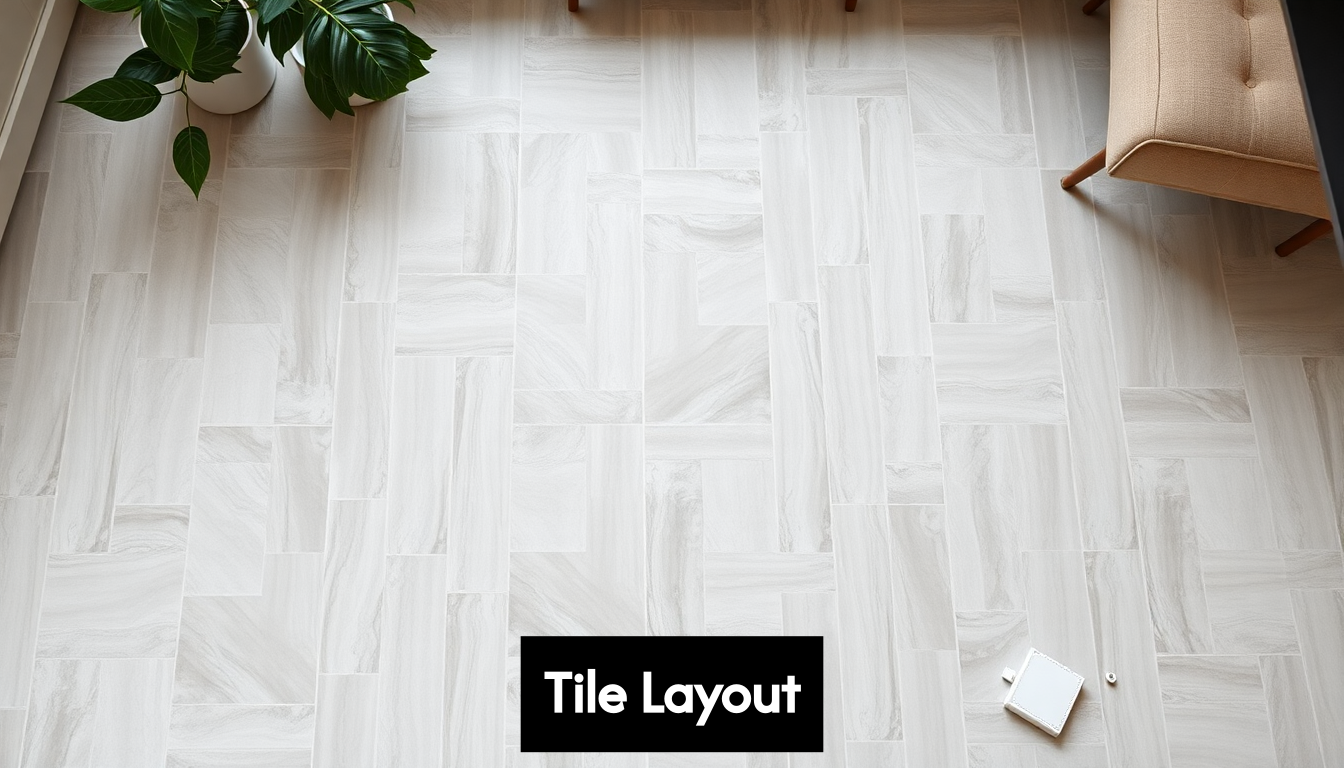
 Tile layout is the hidden hero of interior design, transforming simple surfaces into stunning visual statements. Did you know that the right tile pattern can make a small room feel larger or a dim space feel brighter? But here’s the twist: most people think tile is just about aesthetics. In reality, it’s a complex blend of mathematics, technology, and artistic flair that dictates how a space feels and functions. Discover how mastering the nuances of tile pattern can elevate your home in ways you never imagined.
Table of Contents
- Understanding The Basics Of Tile Layout
- Popular Floor And Wall Tile Patterns
- Choosing The Right Tile Layout For You
- Tips For Successful Tile Layout Projects
Quick Summary
| Takeaway | Explanation |
|---|---|
| Understanding Spatial Dynamics | Assess the unique characteristics of your space, including dimensions and lighting, to make informed decisions on tile patterns that enhance visual perception and functionality. |
| Math and Technical Precision | Master mathematical foundations such as grid alignment and symmetry, and apply technical skills in installation for optimum aesthetic appeal and structural integrity. |
| Choosing the Right Pattern | Select tile patterns based on room type: minimalist grid patterns for modern living spaces, classic running bond for traditional interiors, and dynamic herringbone for contemporary kitchens. |
| Thorough Preparation is Crucial | Begin with a precise site assessment, including measuring dimensions and checking substrate levelness, to ensure successful tile installation and alignment. |
| Maintenance for Longevity | Follow maintenance best practices, like sealing grout lines and using pH-neutral cleaners, to preserve the beauty and durability of tiled surfaces long-term. |
Understanding the Basics of Tile Layout
Tile layout represents a fundamental design technique that transforms spaces through strategic arrangement of individual tiles. At its core, tile layout is more than just placing ceramic or stone pieces - it’s an intricate art form combining mathematical precision with aesthetic creativity.
The Mathematical Foundations of Tile Placement
Tile layouts are deeply rooted in mathematical principles, particularly symmetry and geometric patterns. University College London research highlights how tiling patterns involve complex mathematical concepts that determine how tiles interlock and create visual harmony.
Designers and architects must consider several critical mathematical elements when developing tile layouts:
- Grid Alignment: Understanding horizontal and vertical grid systems
- Symmetrical Repetition: Creating predictable, balanced patterns
- Shape Compatibility: Ensuring tiles fit seamlessly without gaps
Pattern Types and Design Considerations
Tile layouts can be categorised into various pattern types, each offering unique visual characteristics. Cambridge University mathematics research demonstrates that tile shapes can generate either periodic (repeating) or aperiodic (non-repeating) patterns.
Common tile layout patterns include:
- Grid/Straight Lay: Tiles placed in uniform rows and columns
- Herringbone: Rectangular tiles arranged at 45-degree angles
- Diagonal: Tiles positioned diagonally across the surface
- Mosaic: Intricate arrangements using small, varied tile pieces
Each pattern requires precise calculation and strategic placement to achieve optimal visual appeal and structural integrity. Professionals must consider factors like room dimensions, tile size, grout lines, and overall design aesthetic.
Technical Precision in Tile Layout
Successful tile layout demands meticulous technical skills. Research from materials science institutes emphasise that effective tile layouts involve understanding material properties, surface preparation, and geometric principles.
Key technical considerations include:
- Substrate preparation and leveling
- Tile cutting and edge matching
- Grout selection and application
- Expansion joint placement
- Moisture and structural load considerations
Whether designing a kitchen backsplash or creating a complex architectural feature, understanding tile layout principles transforms ordinary surfaces into extraordinary design statements. The intersection of mathematical precision, artistic vision, and technical expertise defines truly exceptional tile installations.
Popular Floor and Wall Tile Patterns
Tile patterns are transformative design elements that significantly impact the aesthetic and spatial perception of interior environments. From classic arrangements to contemporary compositions, the right tile pattern can elevate a room’s visual narrative and functional character.
Classic and Timeless Tile Layouts
Tile design research from Hyperion Tiles reveals several enduring tile patterns that continue to dominate interior design landscapes. The grid (stack bond) pattern offers a modern, minimalist approach where tiles are aligned perfectly, creating clean, geometric lines. Conversely, the running bond or brick pattern provides a traditional, versatile aesthetic reminiscent of classic brickwork, delivering subtle visual movement and timeless appeal. 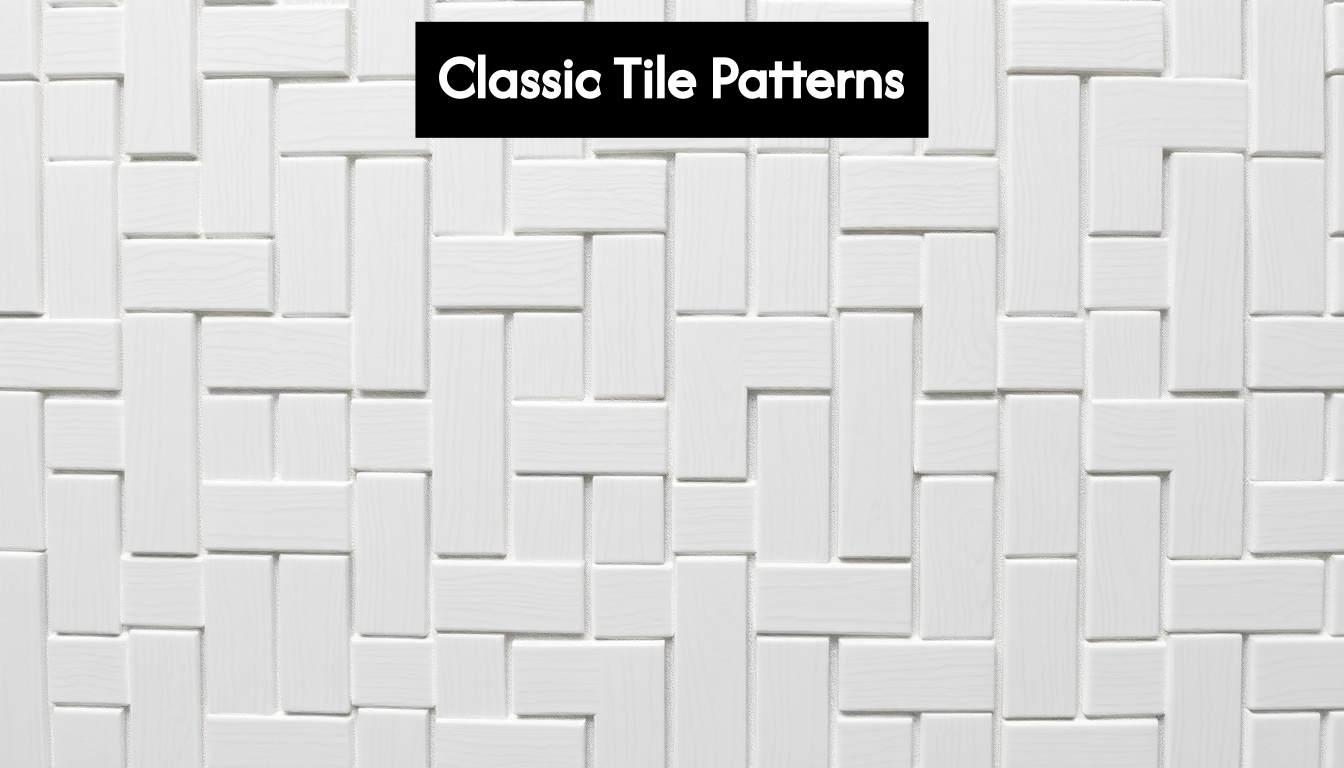 Traditional patterns like basketweave and windmill designs add intricate complexity to spaces. These patterns involve strategically positioning rectangular or square tiles to create interlocking, geometric formations that draw the eye and introduce architectural interest. Each pattern tells a unique design story, transforming mundane surfaces into compelling visual statements.
Contemporary and Dynamic Pattern Innovations
UK design trends for 2025 highlight emerging tile pattern innovations that push design boundaries. Herringbone and chevron layouts have gained significant popularity, offering dynamic, angular compositions that inject energy and movement into floors and walls. These patterns work exceptionally well in modern, contemporary spaces, creating visual dynamism through strategic tile orientation.
Modern tile layouts increasingly experiment with:
- Non-traditional tile orientations
- Mixed material combinations
- Large-format tile installations
- Asymmetrical pattern arrangements
These contemporary approaches challenge traditional design conventions, allowing designers and homeowners to create truly unique, personalised spaces.
Texture, Colour, and Pattern Interplay
Beyond geometric arrangements, contemporary tile design emphasises texture and colour integration. Material science research demonstrates how pattern complexity interacts with surface texture and colour palette to create multidimensional design experiences.
Current design trends showcase:
- Jewel-toned tile collections
- Embossed and 3D tile surfaces
- Tactile, high-relief tile designs
- Gradient and ombré tile patterns
These advanced design techniques transform tiles from mere surface coverings into sophisticated design elements that engage multiple sensory experiences. By carefully selecting patterns, textures, and colours, designers can craft environments that are not just visually striking but emotionally resonant.
Ultimately, tile patterns represent a powerful design language—communicating style, functionality, and spatial character through carefully orchestrated geometric arrangements and material selections.
Choosing the Right Tile Layout for You
Selecting the ideal tile layout involves more than aesthetic preferences; it requires carefully balancing design aspirations, functional requirements, and spatial characteristics. Understanding how different tile patterns interact with your specific environment can transform an ordinary space into an extraordinary design statement.
Assessing Your Space and Design Goals
Research from University College London emphasises the importance of understanding spatial dynamics when choosing tile layouts. Each room presents unique challenges and opportunities that influence pattern selection.
Key considerations include:
- Room dimensions and proportions
- Natural and artificial lighting conditions
- Existing architectural features
- Intended functional purpose of the space
- Overall interior design aesthetic
For smaller spaces, strategic tile layouts can create visual illusions of increased size and depth. Diagonal patterns, for instance, can make rooms appear larger, while grid layouts can establish a sense of order and precision.
Matching Patterns to Room Characteristics
Tile design experts from Hyperion Tiles recommend specific pattern approaches based on room types:
- Modern Living Spaces: Grid or stack bond patterns for clean, minimalist aesthetics
- Traditional Interiors: Running bond or basketweave for classic, timeless appeal
- Contemporary Kitchens: Herringbone or chevron for dynamic, energetic environments
- Bathroom Designs: Smaller mosaic tiles for enhanced slip resistance and visual interest
Consider how different patterns interact with room scale. Large-format tiles can make expansive areas feel more cohesive, while smaller tiles work brilliantly in compact spaces, creating intricate visual textures.
Technical and Practical Considerations
Material science research highlights that tile layout is not just about aesthetics but also involves critical technical factors. Successful tile selection requires understanding:
- Tile material durability
- Moisture resistance requirements
- Maintenance complexity
- Installation challenges
- Long-term performance characteristics
Professional designers recommend:
- Obtaining multiple tile samples
- Creating mock-up layouts
- Considering grout colour and width
- Evaluating tiles under different lighting conditions
- Consulting with tile installation professionals
Ultimately, choosing the right tile layout is a personal journey that combines mathematical precision, design creativity, and individual style. By understanding your space’s unique characteristics and your aesthetic vision, you can create tile installations that are not just surfaces, but compelling design narratives that reflect your personality and enhance your living environment.
Tips for Successful Tile Layout Projects
Successful tile layout projects demand meticulous planning, precision, and strategic execution. Whether you’re a DIY enthusiast or a professional contractor, understanding the fundamental principles of tile installation can transform your project from ordinary to exceptional.
Preparation And Planning Fundamentals
Hyperion Tiles research emphasises the critical importance of establishing a precise starting point for tile installations. Professional installers recommend beginning with a comprehensive site assessment that includes:
- Measuring and documenting room dimensions
- Checking substrate levelness and structural integrity
- Identifying potential moisture or structural challenges
- Selecting appropriate underlayment materials
- Calculating exact tile quantities with 10-15% additional material for cuts and replacements
Room Centerline Technique: The most professional approach involves finding the room’s exact centre point. This method ensures symmetrical tile placement and minimizes awkward tile cuts at room edges. Using the 3-4-5 triangle method helps create perfectly squared reference lines, which are crucial for maintaining alignment throughout the installation. 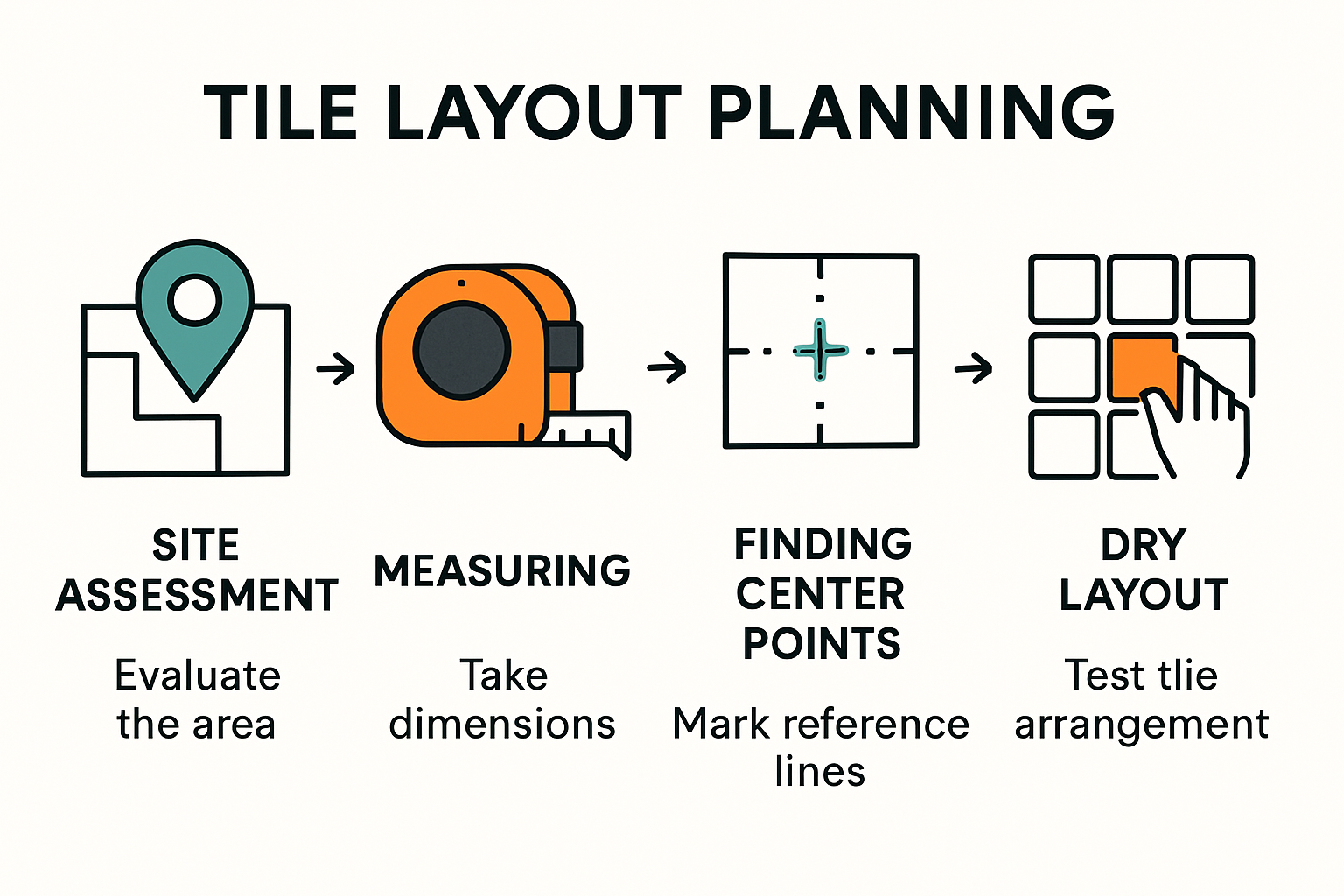
Technical Installation Strategies
Precision during tile layout goes beyond aesthetic considerations. Professional tiling experts recommend several critical technical strategies:
- Dry Layout Process: Always perform a complete dry layout before permanent installation
- Use spacers consistently to maintain uniform grout lines
- Check tile alignment frequently using spirit levels
- Cut tiles using professional-grade wet saws for clean edges
- Allow proper curing time between substrate preparation and tile installation
Key tools for successful tile projects include:
- High-quality tile cutter
- Laser level
- Notched trowels
- Rubber mallets
- Tile spacers
- Professional-grade adhesives
Maintenance And Long-Term Care
Successful tile projects extend beyond initial installation. Proper maintenance ensures longevity and preserves the aesthetic appeal of your tiled surfaces. Consider these professional recommendations:
- Seal grout lines within 48-72 hours after installation
- Use pH-neutral cleaning solutions
- Avoid abrasive cleaning tools
- Inspect and repair grout annually
- Address any moisture issues promptly
Professional installers recommend a comprehensive approach that balances technical skill, design vision, and meticulous execution. By understanding the intricate details of tile layout, you can create stunning, durable installations that enhance both residential and commercial spaces.
Remember, successful tile projects are not just about the tiles themselves, but about the precision, preparation, and care invested in every step of the process. Whether you’re tiling a small bathroom or a large commercial space, these strategies will help you achieve professional, long-lasting results.
Frequently Asked Questions
What is tile layout?
Tile layout refers to the strategic arrangement of tiles in a pattern to enhance the aesthetic appeal and functionality of a space. It involves understanding mathematical principles, design goals, and technical requirements to create visually stunning surfaces.
How do I choose the right tile pattern for my room?
Choosing the right tile pattern involves assessing your room’s dimensions, lighting, and intended use. For example, grid patterns work well in modern spaces, while herringbone layouts add energy in contemporary kitchens. Consider your overall design aesthetic when selecting a pattern.
What are the most popular tile patterns for flooring and walls?
Some of the most popular tile patterns include the grid (or stack bond), running bond, herringbone, diagonal, and mosaic arrangements. These patterns cater to various design styles, from classic to contemporary, and can significantly affect the visual perception of a room.
How can I ensure a successful tile installation?
To ensure a successful tile installation, start with thorough preparation, including measuring your space and checking substrate levelness. Use spacers for uniform grout lines, perform a dry layout before installation, and follow maintenance guidelines for long-term care to preserve the beauty of your tiled surfaces.
Transform Your Space with Hyperion Tiles’ Curated Collections
Unlock the potential of your home with the right tile layout! As we explored in our guide on tile layouts, using precise patterns can transform any space—making it larger, brighter, or simply more aesthetically pleasing. But selecting the perfect tiles to match those patterns shouldn’t be a daunting task. That’s where we come in!
**Browse our extensive catalogue at Hyperion Tiles, featuring stunning floor and wall tiles, mosaics, and sophisticated designs tailored to your unique style. Whether you’re after the timeless elegance of a running bond pattern or the dynamic energy of herringbone, we have the materials that can bring your vision to life. Plus, enjoy free shipping on orders above a certain amount and our price match guarantee!
So why wait? Start your renovation journey today! Explore our collections and elevate your home’s aesthetic with just a few clicks. Visit hyperiontiles.co.uk now and experience our friendly customer service that’s dedicated to your satisfaction.
Share:
How to Style a Patterned Tile in 2025: Expert Guide
How to Mix Tile Styles and Patterns Like a Pro