


Choosing the right tiles can redefine your living space, blending style with practicality. But here’s the twist: the material you select can make or break your entire project. In fact, the UK ceramic tiles market is projected to reach a staggering USD 1.14 billion by 2025. This significant growth reveals that even amidst economic uncertainties, homeowners are prioritising quality and aesthetics in their tile choices.
Table of Contents
- Top Tile Materials Explained
- Choosing The Right Tile For Your Project
- Maintenance Tips For Tile Materials
Quick Summary
| Takeaway | Explanation |
|---|---|
| Ceramic Tiles Offer Versatility | Ceramic tiles combine affordability with a wide range of designs, making them suitable for various spaces, particularly in kitchens and bathrooms due to their durability and low maintenance. |
| Natural Stone Tiles Provide Luxury | Natural stone tiles like marble and granite give unique textures and colours, offering unparalleled aesthetic value despite their higher cost, making them ideal for luxury interior designs. |
| Porcelain Tiles Ensure Superior Performance | Porcelain tiles are denser and less porous, making them suitable for high-moisture environments and outdoor use, while also mimicking natural materials, providing a stylish and durable option. |
| Maintenance is Key for Longevity | Proper maintenance varies by material; ceramic and porcelain require gentle cleaning while natural stone needs specific care like sealing to prevent damage and maintain appearance. |
| Budget Considerations are Crucial | Budget impacts tile choice; while natural stone tiles are luxurious, ceramic and porcelain tiles offer cost-effective alternatives with vast design flexibility, enabling stylish looks at lower costs. |
Top Tile Materials Explained
Choosing the right tile material transforms interior spaces, balancing aesthetic appeal with practical functionality. Understanding the popular materials for tiles helps homeowners and designers make informed decisions that suit their specific requirements and design visions.
Ceramic Tiles: The Versatile Classic
Ceramic tiles remain the cornerstone of tile materials in the United Kingdom, with market research indicating a substantial market value of USD 1.14 billion expected by 2025. These tiles offer exceptional versatility, combining affordability with remarkable design flexibility. Modern manufacturing techniques like inkjet printing have revolutionised ceramic tile production, enabling intricate patterns and designs that mimic natural materials with stunning accuracy.
The popularity of ceramic tiles stems from several key advantages. Durability stands out as a primary attribute, with these tiles capable of withstanding significant foot traffic and resisting wear. They’re particularly suitable for kitchens, bathrooms, and high-moisture areas where resistance to water and stains is crucial. Additionally, ceramic tiles require minimal maintenance, making them an attractive option for busy households seeking practical flooring solutions.
Natural Stone Tiles: Elegance and Authenticity
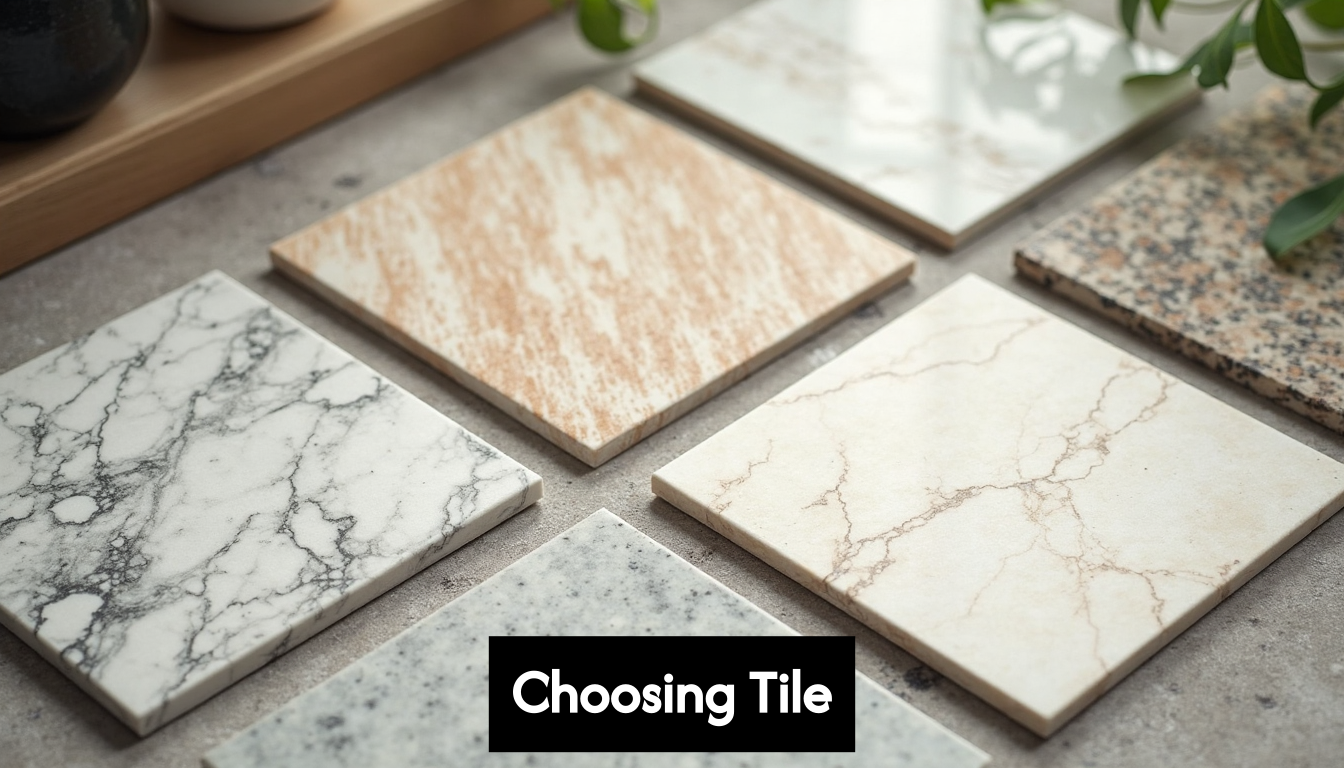
Natural stone tiles represent the pinnacle of luxury and authenticity in tile materials. Marble, granite, slate, and travertine offer unique textures and colour variations that cannot be perfectly replicated by manufactured materials. Each stone tile tells a geological story, bringing natural beauty and timeless elegance to interior spaces.
While natural stone tiles are more expensive than ceramic alternatives, they provide unparalleled aesthetic value. Marble tiles, with their luxurious veining and subtle colour gradations, can transform a simple room into a sophisticated environment. Granite tiles offer exceptional hardness and durability, making them ideal for high-traffic areas and exterior applications. Slate tiles bring a rustic, earthy charm that works wonderfully in contemporary and traditional design schemes.
Porcelain Tiles: The High-Performance Option
Porcelain tiles represent the pinnacle of tile engineering, offering superior performance characteristics that set them apart from standard ceramic tiles. These tiles are manufactured using refined clay and fired at extremely high temperatures, resulting in a denser, less porous material with remarkable strength and durability.
Research from the UK ceramic tiles market suggests porcelain tiles are increasingly popular in both residential and commercial applications. Their low water absorption rate makes them exceptionally suitable for outdoor environments, wet rooms, and areas requiring high moisture resistance. Modern porcelain tiles can convincingly mimic natural stone, wood, and even concrete, providing designers with unprecedented creative flexibility.
The choice of tile material ultimately depends on individual project requirements, budget constraints, and aesthetic preferences. By understanding the unique characteristics of ceramic, natural stone, and porcelain tiles, homeowners and designers can make informed decisions that balance beauty, functionality, and long-term value.
Choosing the Right Tile for Your Project
Selecting the ideal tile involves more than aesthetic considerations. Successful tile selection requires a nuanced understanding of performance characteristics, environmental conditions, and specific project requirements. Homeowners and designers must carefully evaluate multiple factors to ensure their chosen material delivers both visual appeal and long-term functionality.
Assessing Room-Specific Requirements
Each room presents unique challenges that directly influence tile selection. Market research indicates that tile choice significantly impacts both durability and design outcomes. Bathrooms and kitchens demand high moisture resistance and easy-to-clean surfaces, making porcelain and glazed ceramic tiles optimal choices. Their low water absorption rates and smooth surfaces prevent water damage and bacterial growth.
Living areas and hallways require tiles capable of withstanding consistent foot traffic. Durability becomes paramount in these spaces. Harder materials like granite and high-density porcelain tiles provide exceptional wear resistance. Slate tiles offer an attractive alternative, delivering robust performance with a distinctive natural texture that adds character to high-traffic zones. 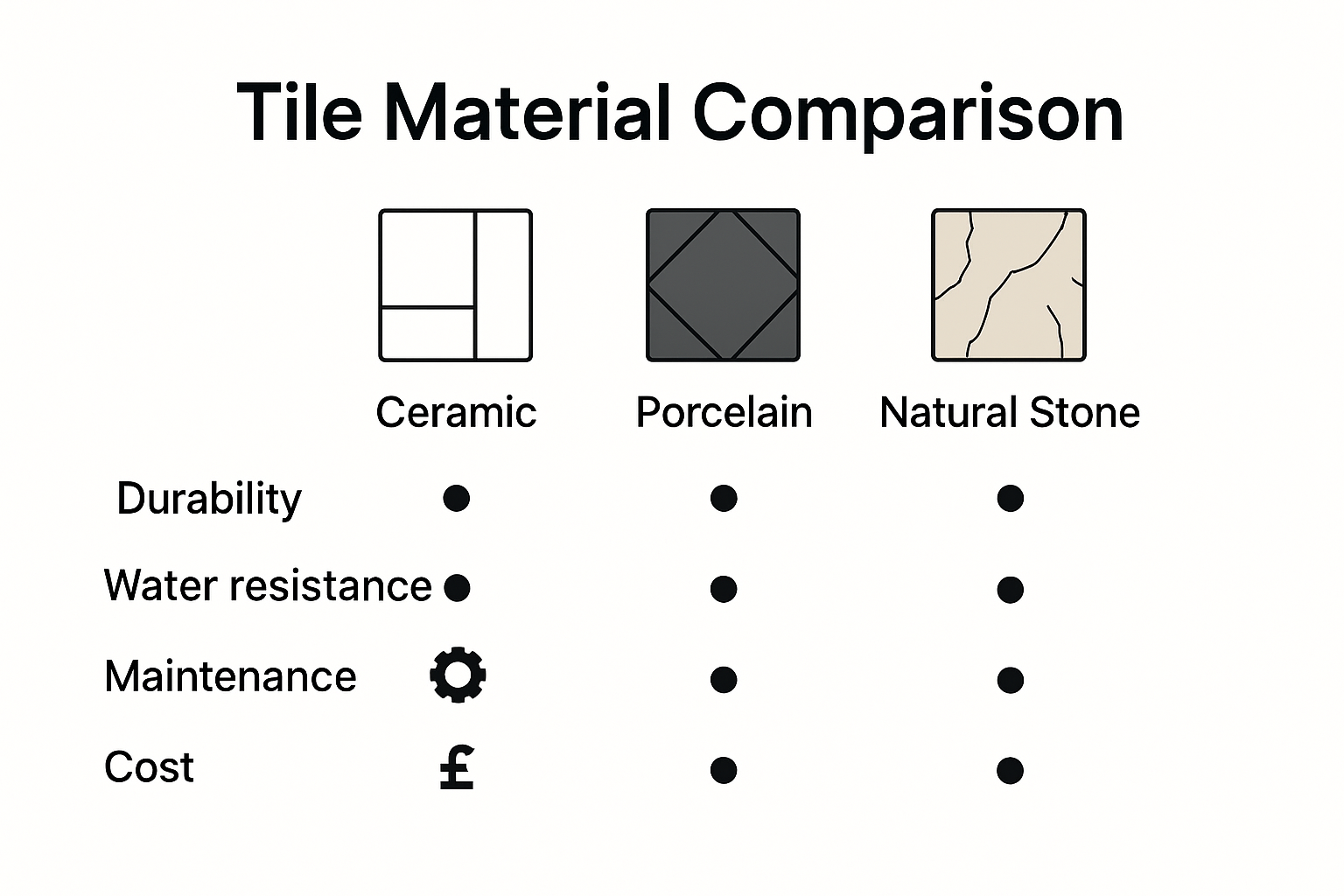
Considering Maintenance and Long-Term Performance
Maintenance requirements vary dramatically between different tile materials. Natural stone tiles, while aesthetically stunning, demand more frequent sealing and specialised cleaning compared to ceramic or porcelain alternatives. UK home design trends in 2025 reveal an increasing preference for low-maintenance tile solutions that balance elegance with practicality.
Porcelain tiles emerge as a superior option for homeowners seeking minimal upkeep. Their dense composition resists staining, requires less frequent sealing, and maintains aesthetic quality over extended periods. Ceramic tiles similarly offer excellent maintenance profiles, making them attractive for budget-conscious projects that don’t compromise on quality.
Budget and Aesthetic Alignment
Budget considerations play a crucial role in tile selection. While natural stone tiles represent the pinnacle of luxury, they come with significantly higher material and installation costs. Ceramic and porcelain tiles provide cost-effective alternatives that deliver remarkable design flexibility. Market analysis suggests ceramic tiles remain popular due to their versatile pricing and ongoing manufacturing innovations.
Designers can leverage modern manufacturing techniques to achieve sophisticated looks without excessive expenditure. Digital printing technologies now enable ceramic and porcelain tiles to mimic expensive materials like marble, granite, and exotic woods with remarkable accuracy. This approach allows homeowners to realise their design vision while maintaining financial pragmatism.
Successful tile selection demands a holistic approach. By systematically evaluating room requirements, maintenance capabilities, aesthetic preferences, and budgetary constraints, homeowners can confidently choose tiles that transform spaces while delivering exceptional long-term performance.
Maintenance Tips for Tile Materials
Proper tile maintenance ensures longevity, preserves aesthetic appeal, and protects your investment. Different tile materials require specific care strategies to maintain their appearance and structural integrity. Understanding these nuanced maintenance approaches helps homeowners protect their surfaces and extend the lifespan of their tile installations.
Daily and Regular Cleaning Techniques
Expert Market Research indicates that porcelain and ceramic tiles dominate the UK market, with their durability directly influenced by regular maintenance. Daily cleaning represents the first line of defence against wear and potential damage. Gentle cleaning methods are crucial for preserving tile surfaces.
For ceramic and porcelain tiles, experts recommend using soft-bristle brooms or vacuum cleaners with soft attachments to remove loose dirt and debris. Avoid beater bars that might scratch surfaces. Weekly damp mopping with pH-neutral cleaners specifically formulated for your tile type helps maintain cleanliness without causing damage. Microfibre mops provide excellent cleaning performance with minimal risk of surface abrasion.
Specialised Care for Different Tile Materials
Natural stone tiles demand more sophisticated maintenance approaches. Marble, granite, and slate require periodic sealing to prevent staining and moisture penetration. Historic England Technical Guidance emphasises the importance of specialised maintenance techniques for preserving tile structural integrity.
For natural stone tiles, use cleaning products explicitly designed for the specific material. Avoid acidic or abrasive cleaners that can etch or damage delicate surfaces. Granite tiles benefit from periodic professional sealing, typically every 12-18 months, depending on usage and exposure. Slate tiles require gentle cleaning with neutral pH solutions and occasional resealing to maintain their natural texture and colour vibrancy.
Addressing Stains and Preventing Long-Term Damage
Stain prevention and prompt treatment are critical for maintaining tile appearance. Different tile materials require unique approaches to stain removal. For ceramic and porcelain tiles, most stains can be addressed with a mixture of warm water and mild detergent. Grout lines often require additional attention, with specialised grout cleaners helping to remove embedded dirt and prevent discolouration.
Natural stone tiles demand more cautious stain removal techniques. Avoid commercial cleaning products that might contain harsh chemicals. Instead, create gentle cleaning solutions using mild, stone-specific cleaners. For tough stains, consult professional tile restoration experts who can provide targeted treatment without risking surface damage.
Regular maintenance is an investment in your home’s aesthetic and functional value. By understanding the specific requirements of different tile materials and implementing consistent, gentle cleaning practices, homeowners can preserve the beauty and performance of their tile surfaces for years to come. Professional consultation can provide additional insights tailored to specific tile types and installation environments.
Frequently Asked Questions
What are the most popular tile materials for 2025?
Ceramic, natural stone, and porcelain tiles are the most popular materials expected to dominate the market in 2025, each offering distinct advantages in terms of design and performance.
Why are ceramic tiles a good choice for my home?
Ceramic tiles are versatile, affordable, and durable, making them ideal for high-moisture areas like kitchens and bathrooms. They require minimal maintenance and come in a wide range of designs.
How do I maintain natural stone tiles?
Natural stone tiles require specialised care, including regular sealing to prevent stains and moisture damage. Use gentle, stone-specific cleaning products to maintain their appearance and structural integrity.
What is the benefit of using porcelain tiles?
Porcelain tiles are known for their superior strength and durability. They are less porous than standard ceramic tiles, making them suitable for high-moisture environments and outdoor use while also mimicking the look of natural materials.
Transform Your Space with the Perfect Tiles
Selecting the right tiles plays a pivotal role in redefining your space, aligning perfectly with the insights from our guide on tile materials for 2025. Whether you’re enticed by the versatility of ceramic tiles, drawn to the luxurious appeal of natural stone, or impressed by the performance of porcelain, finding the right tile shouldn’t feel like an uphill battle. Many homeowners struggle with choosing materials that balance both aesthetic vision and long-term functionality. Here at Hyperion Tiles, we understand that the right choice impacts not just the beauty of your home but also your overall satisfaction and ease of maintenance.
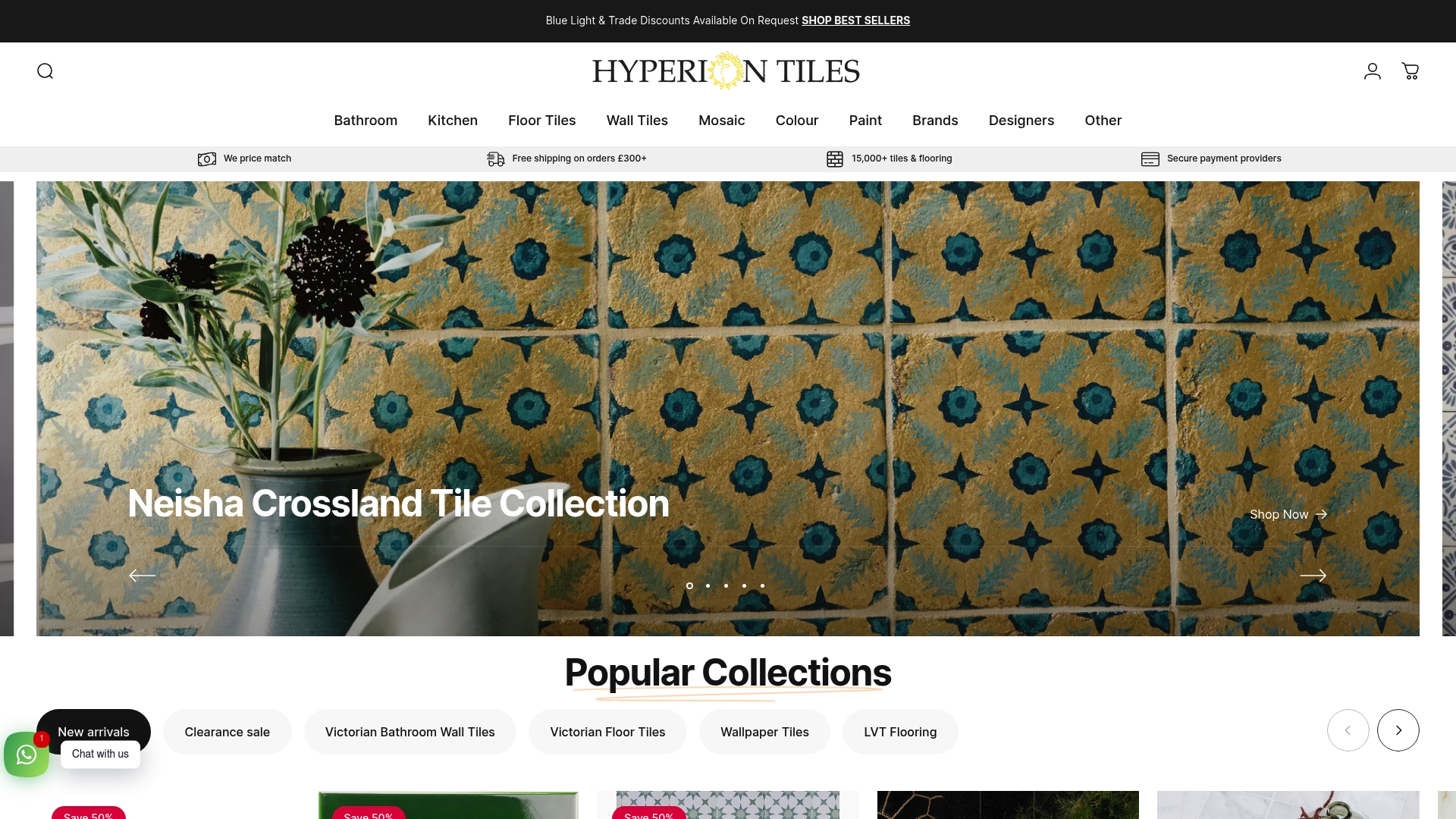
Explore our extensive catalogue designed to meet your every need, whether you’re remodelling your kitchen, updating your bathroom, or simply adding a touch of elegance with our stunning mosaics. With features like price matching, trade discounts, and free shipping on orders over a specified amount, you can shop with confidence, knowing that you are getting the best value. Don’t let your dream interior remain just a vision – visit us today at https://hyperiontiles.co.uk and elevate your home with our curated selection of premium tiles. Your transformation starts now!
Share:
How to Choose Flooring for Your Home: A Guide
How to Use Tiles for Maximum Impact: 2025 Guide