


 Tiles might seem like a minor detail, but their impact on a space can be staggering. Picture this: large-format tiles are set to drive the UK tile market to USD 1.14 billion by 2025. That’s massive. Yet surprisingly, the way you place and choose your tiles often matters far more than just the size or colour. A clever combination of material, layout and planning can turn an underwhelming room into a stand-out centrepiece that people remember.
Table of Contents
- Choosing Tile Type For Impact
- Strategically Placing Tiles For Impact
- Avoiding Tile Installation Mistakes
Quick Summary
| Takeaway | Explanation |
|---|---|
| Choosing the Right Tile Material Matters | Opt for ceramic tiles for affordability, porcelain for high moisture areas, and natural stone for luxury and durability. Understanding these properties ensures suitability for specific spaces. |
| Strategic Tile Placement is Essential for Visual Appeal | Begin installation from the centre of the room for balance, and consider patterns like herringbone to enhance visual interest and energy within spaces. |
| Proper Surface Preparation can Prevent Installation Failures | Ensure surfaces are clean, level, and suitable before tiling to avoid issues like cracks and lippage, which can compromise the overall quality of the installation. |
| Use the Correct Adhesive and Techniques | Different tile materials require specific adhesives; follow manufacturer guidelines for mixing and application to ensure a strong bond and durability. |
| Accuracy in Measurement and Layout is Key | Measure areas multiple times and create a detailed layout plan to avoid unbalanced spaces, ensuring a professional appearance and structural integrity. |
Choosing Tile Type for Impact
Selecting the right tile type transforms spaces from ordinary to extraordinary. Understanding how to use tiles for impact requires careful consideration of material, design, and functional characteristics that elevate your interior or exterior environment.
Material Selection Strategies
The tile market offers an impressive array of materials, each bringing unique qualities to your design palette. Ceramic tiles remain a classic choice, providing durability and versatility at an affordable price point. Porcelain tiles step up the game with enhanced density and water resistance, making them ideal for high-traffic areas and moisture-prone spaces like bathrooms and kitchens.
Natural stone tiles present a more luxurious option. Marble tiles, for instance, have maintained their popularity due to their exceptional versatility in colours and patterns. These tiles offer superior durability, heat resistance, and mold resistance, creating surfaces that are both beautiful and practical.
Design Impact and Trends
Modern tile design goes far beyond simple surface coverage. Large-format tiles are projected to dominate the UK market, reaching USD 1.14 billion by 2025. These expansive tiles create seamless visual experiences with fewer grout lines, reducing maintenance efforts and creating a more sophisticated aesthetic.
Textured tiles represent another exciting trend, introducing three-dimensional qualities that add depth and character to walls and floors. These innovative designs offer more than visual interest – they provide practical benefits like improved durability and easier cleaning compared to traditional materials.
Practical Considerations for Tile Selection
Choosing tiles involves balancing aesthetic preferences with functional requirements. Consider the specific environment where tiles will be installed. Bathroom and kitchen tiles need high moisture resistance, while hallway and living area tiles should withstand consistent foot traffic.
Color and pattern selection dramatically influence a room’s atmosphere. Light-colored tiles can make small spaces feel larger and more open, while bold, dark tiles create dramatic focal points. Matching tile selection with existing architectural elements and furniture ensures a cohesive design approach.
Budget plays a crucial role in tile selection. While natural stone and designer tiles offer exceptional beauty, ceramic and porcelain options provide cost-effective alternatives without compromising on style. Investing in quality tiles means considering long-term durability, maintenance requirements, and aesthetic longevity. 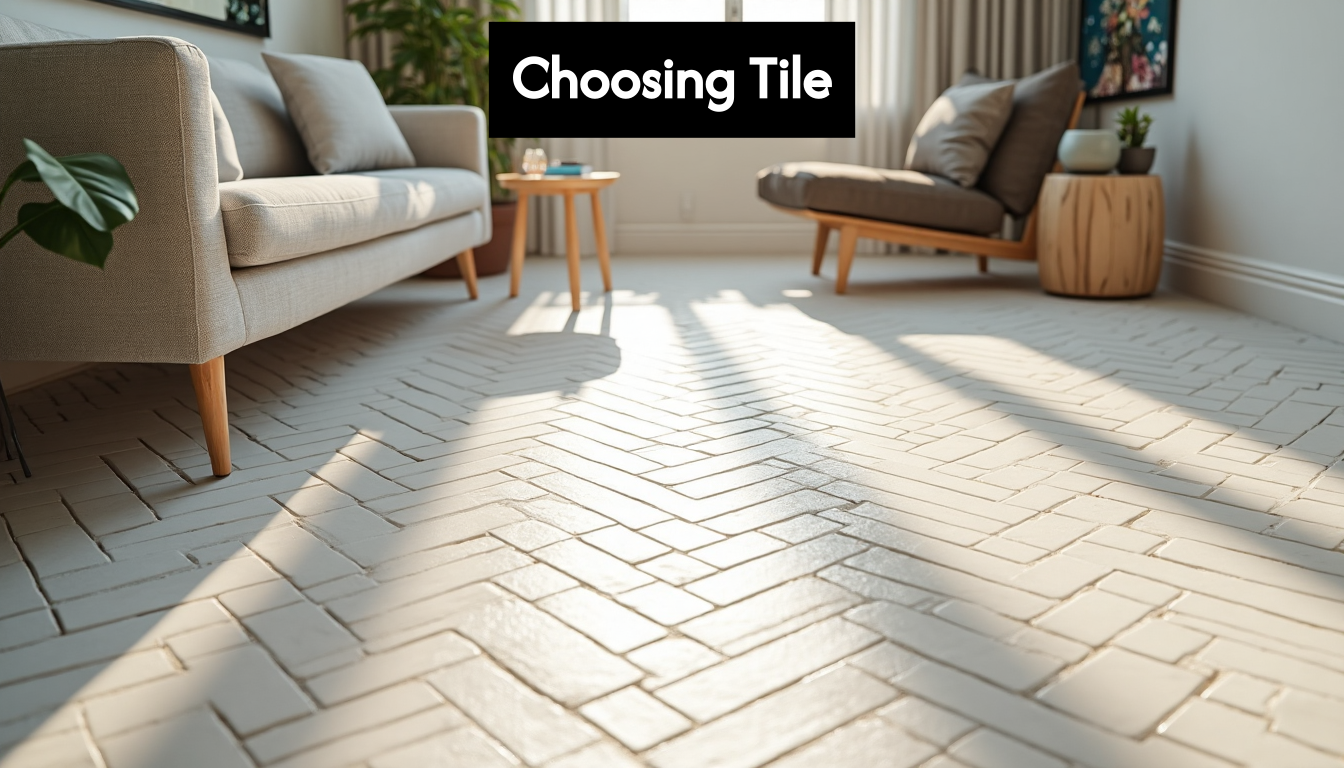 Remember that how to use tiles for impact is not just about selecting a material, but understanding how that material interacts with light, space, and surrounding design elements. Each tile choice tells a story, transforming ordinary surfaces into extraordinary design statements.
Strategically Placing Tiles for Impact
Tile placement is an art form that transforms spaces from mundane to magnificent. Understanding how to use tiles for impact requires more than selecting beautiful materials – it demands strategic positioning that maximizes visual appeal and functional efficiency.
Foundational Placement Techniques
Successful tile installation begins with precise planning. UK design experts recommend starting from the center point of a room, which allows for symmetrical distribution and balanced tile cuts around room perimeters. This approach ensures a professional, harmonious look that prevents awkward tile fragments along walls.
Vertical and horizontal alignment play critical roles in creating visual impact. Porcelanosa experts emphasize that perfectly aligned grouting joints deliver clean, modern aesthetics that remain stylish for years. Consider the room’s architectural lines and choose alignment strategies that complement existing structural elements.
Creating Visual Narratives with Tile Positioning
 Tile placement is more than technical execution – it is about crafting visual stories within spaces. In bathrooms and kitchens, consider using natural stone tiles like slate, travertine, and marble to create compelling focal points. These materials offer unique veining and rich textures that add depth and warmth, transforming ordinary surfaces into extraordinary design statements.
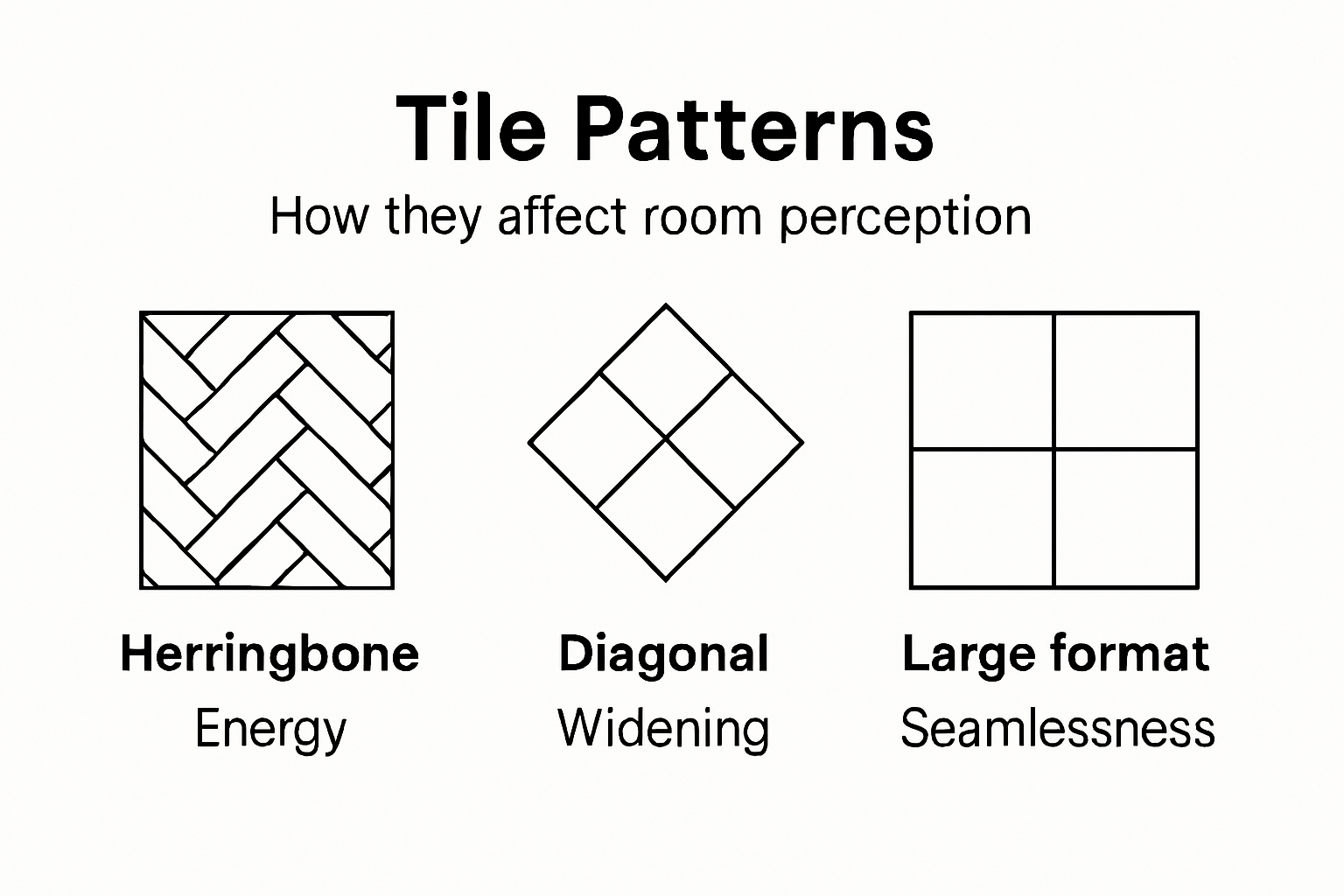
Consider diagonal or herringbone patterns for areas requiring dynamic energy. These arrangements break traditional grid layouts, introducing movement and visual intrigue. Diagonal tiles can make narrow spaces appear wider, while herringbone patterns inject sophisticated complexity into floors and walls.
Strategic Zoning and Functional Placement
Effective tile placement goes beyond aesthetic considerations. Different areas require tailored approaches based on functional needs. Wet areas like showers demand precise waterproofing and slope considerations, while high-traffic zones need durable, slip-resistant tile arrangements.
Consider creating visual zones within larger spaces using tile transitions. Changing tile direction, introducing contrasting colors, or using subtle border tiles can delineate functional areas without physical barriers. This technique works exceptionally well in open-plan kitchens, bathrooms, and living spaces.
Understanding how to use tiles for impact means recognizing that every tile placement decision contributes to the overall spatial narrative. Thoughtful positioning can elongate rooms, create visual focus, and transform mundane surfaces into compelling design elements. Whether working with large-format tiles, intricate mosaics, or natural stone, strategic placement remains the key to unlocking a room’s full aesthetic potential.
Avoiding Tile Installation Mistakes
Tile installation requires precision and careful planning. Understanding how to use tiles for impact means recognizing and preventing common mistakes that can compromise the quality and longevity of your project.
Surface Preparation Fundamentals
Poor surface preparation is a leading cause of tile installation failure. Before laying a single tile, ensure the substrate is completely clean, level, and suitable for tiling. Uneven surfaces create multiple problems including tile lippage, cracking, and premature wear.
Inspect the underlying surface thoroughly. Remove any debris, dust, or existing materials that might prevent proper adhesion. For concrete surfaces, check for cracks and level inconsistencies. Wooden subfloors require additional reinforcement to prevent flexing, which can cause tiles to break or become loose over time.
Adhesive And Application Techniques
Using the wrong type or amount of adhesive can result in weak tile installation. Different tile materials require specific adhesive types. Ceramic tiles need different adhesive compared to natural stone or porcelain tiles. Always follow manufacturer guidelines for mixing, application, and curing times.
Apply adhesive evenly using the correct notched trowel. Inconsistent adhesive application creates air pockets and weak bonding points. Work in small sections to ensure the adhesive remains workable and doesn’t dry before tile placement. Use a consistent technique when spreading adhesive to maintain uniform coverage.
Measurement and Layout Precision
Accurate measurement and layout planning are crucial for successful tile installation. Incorrect measurements lead to ordering insufficient tiles or creating visually unbalanced spaces. Always measure the area multiple times and create a detailed layout plan before beginning installation.
Consider tile cuts carefully. Avoid tiny tile fragments along walls or in corners, as these look unprofessional and can compromise the installation’s structural integrity. Use spacers consistently to maintain even grout lines and create a professional finish. Mock up the layout using dry tiles before applying adhesive to identify potential visual or technical challenges.
Remembering how to use tiles for impact means understanding that successful installation is about meticulous preparation and execution. Take time to plan, prepare surfaces properly, select appropriate materials, and work with precision. Small details make a significant difference between a amateur-looking project and a professional-quality installation that transforms your space.
Professional tilers recommend maintaining patience throughout the process. Rush the installation, and you risk expensive mistakes. Invest time in preparation, use quality materials, and follow best practices to ensure a stunning tile finish that will look beautiful for years to come.
Frequently Asked Questions
What are the best tile materials for high moisture areas?
Choosing porcelain tiles is ideal for high moisture areas such as bathrooms and kitchens due to their density and water resistance.
How can I enhance the visual appeal of a room using tiles?
Start your tile installation from the centre of the room to achieve symmetrical distribution and consider patterns like herringbone to add visual interest.
What are common mistakes to avoid during tile installation?
Key mistakes include poor surface preparation, using the wrong adhesive, and inaccurate measurements. Ensure surfaces are level and clean, and always follow manufacturer guidelines for adhesives.
How can I create visual zones in open-plan spaces with tiles?
You can delineate functional areas in open-plan layouts by changing tile directions, integrating contrasting colours, or introducing subtle border tiles without physical barriers.
Transform Your Space with Hyperion Tiles!
Imagine walking into a room that radiates style and sophistication, effortlessly showcasing the unique impact of thoughtfully placed tiles. With our extensive range at Hyperion Tiles, you have access to the latest trends and classic choices that turn ordinary spaces into extraordinary showpieces. Whether you’re exploring ceramic for affordability, porcelain for moisture-prone areas, or prestigious natural stone for a touch of luxury, we have the perfect solutions tailored for your needs.
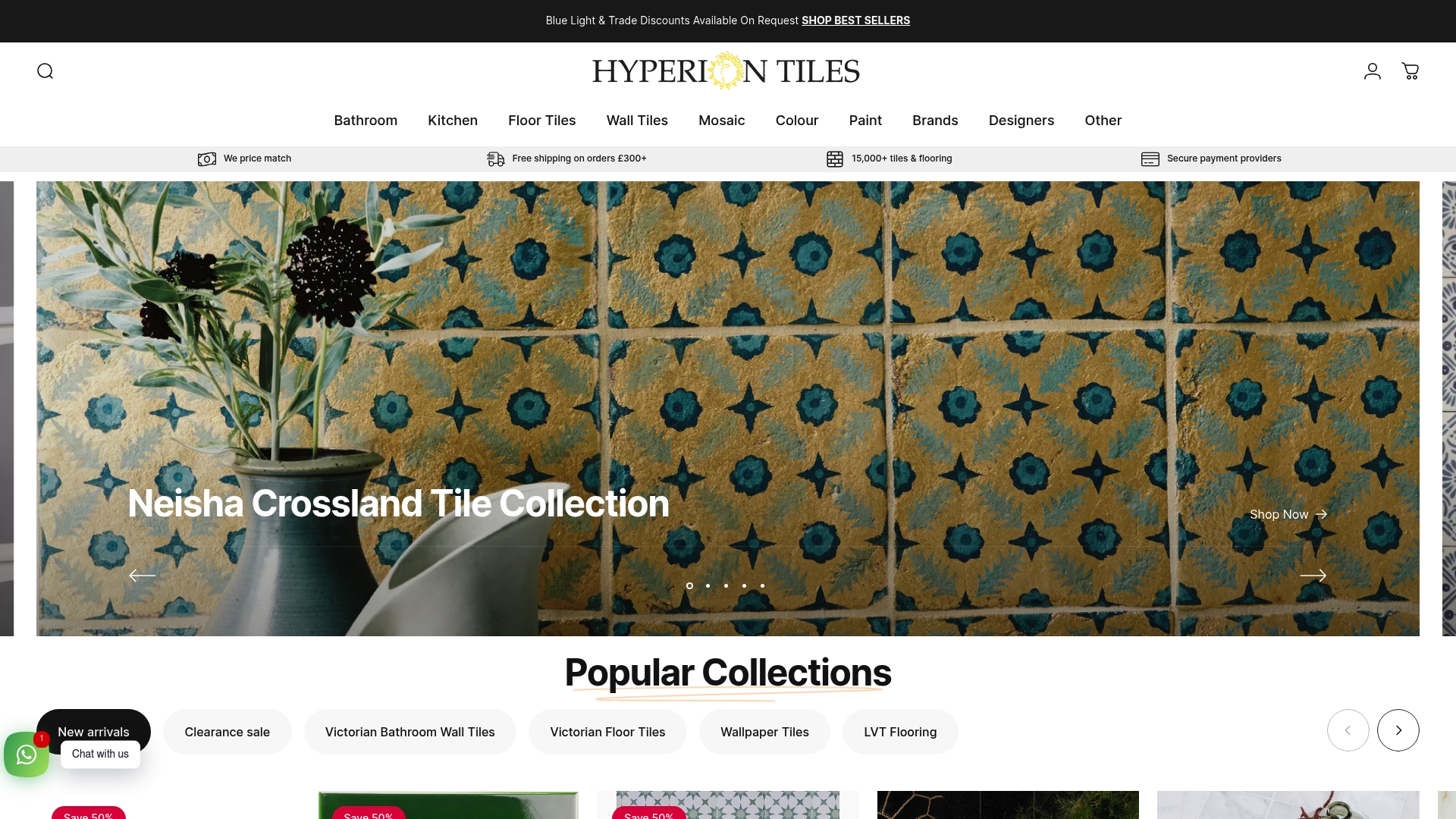
Don’t let installation mistakes or design dilemmas hold you back! Our user-friendly website is packed with expertly curated collections across all categories—including bathrooms, kitchens, and more—to ensure a seamless shopping experience. With price matching and free shipping on orders above a threshold, there’s never been a better time to elevate your spaces.
Ready to make your design dreams a reality? Dive into our extensive catalogue now at https://hyperiontiles.co.uk and discover how the right tile can transform your home today!
Share:
Popular Materials for Tiles in 2025: Your Guide