


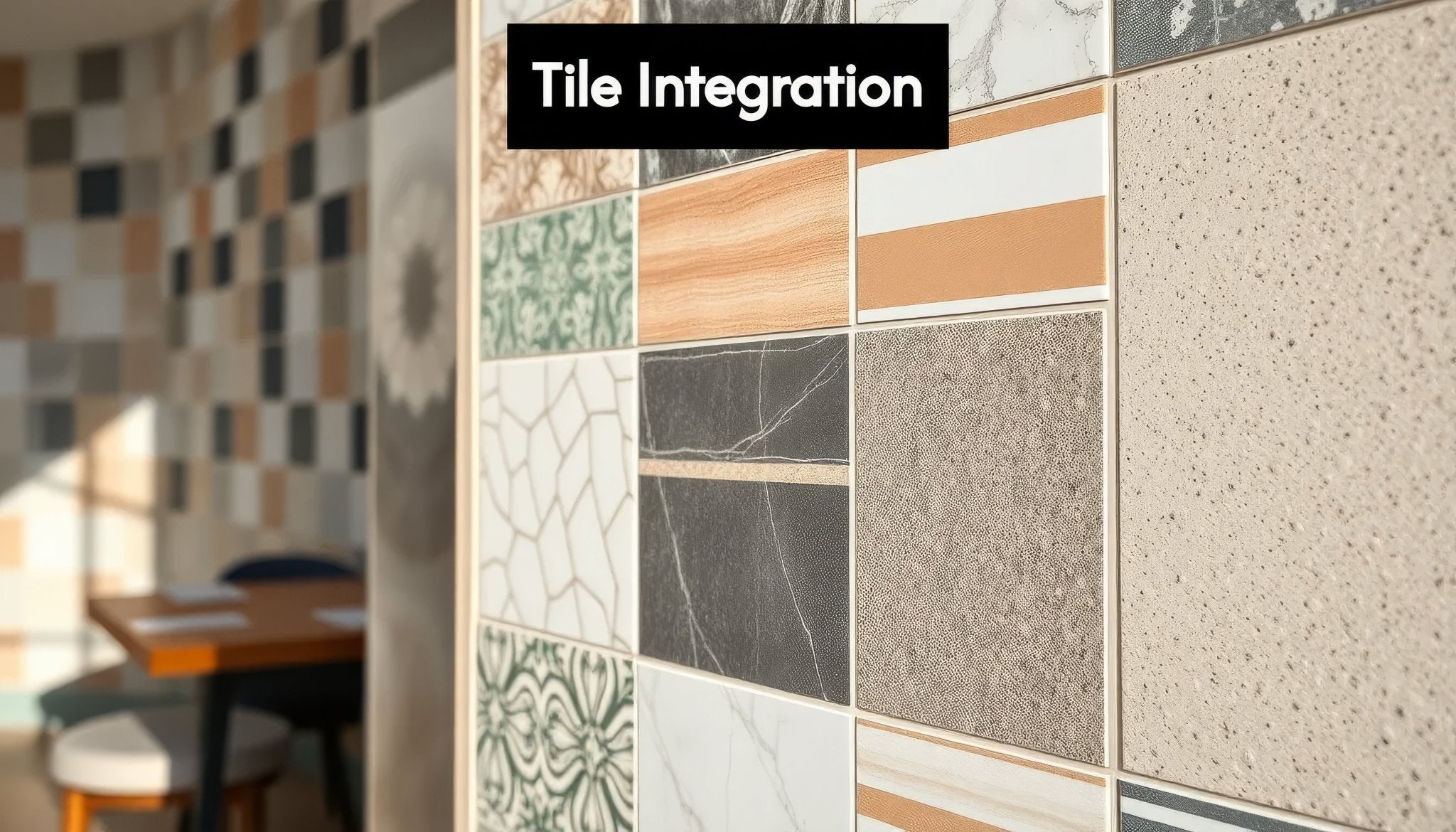

Tile integration in modern design is becoming increasingly essential. It involves not just placing tiles but creating a coherent system that enhances functionality and aesthetics. But here’s the kicker. Over 70 percent of design projects fail due to poor integration. This staggering figure highlights a critical gap in many designers’ strategies. The surprising truth is that effective integration can dramatically elevate user experience and design efficiency, turning potential failures into stunning successes.
Table of Contents
- Integrating Tiles With Other Platforms
- Mixing Tiles With Different Materials
- Seamless Integration With Other Frameworks
Quick Summary
| Takeaway | Explanation |
|---|---|
| Understanding Compatibility is Crucial | Successful tile integration hinges on evaluating technical ecosystems, data mapping, and rendering capabilities across platforms. |
| Responsive Design is Key for Synchronisation | Employing responsive design principles ensures tiles maintain consistent appearance and functionality across web, mobile, and desktop environments. |
| Material Mix Requires Careful Planning | Mixing different tile materials necessitates an understanding of structural compatibility, surface characteristics, and maintenance to achieve cohesive designs. |
| Flexible Integration Frameworks are Vital | Architectural compatibility and interoperability frameworks enable effective communication between tile-based systems, addressing performance and scalability challenges. |
| Advanced Techniques Enhance Capabilities | Leveraging modern technologies and adaptive methodologies can improve the integration process, ensuring seamless interactions across diverse platforms. |
Integrating Tiles with Other Platforms
Integrating tiles across different platforms requires a strategic approach that balances technical compatibility, design coherence, and seamless functionality. The process involves more than simply transferring tile designs; it demands a comprehensive understanding of platform-specific requirements and integration methodologies.
Compatibility and Technical Considerations
Successful tile integration begins with understanding the unique technical ecosystems of different platforms. Designers and developers must carefully evaluate the underlying infrastructure, API capabilities, and data transfer protocols. Modern integration strategies often rely on standardised connection methods that allow for smooth data exchange and visual representation.
Key technical elements to consider include:
- Data mapping between different platform architectures
- Rendering capabilities of target platforms
- Performance optimization for tile display and interaction
For instance, when integrating tiles into content management systems or design platforms, developers must ensure that tile metadata, dimensions, and styling remain consistent across different environments. This requires robust translation mechanisms that can adapt tile characteristics without losing essential design integrity.
Cross-Platform Design Synchronization
Design synchronization represents a critical challenge in tile integration. Each platform may have distinct design language, grid systems, and interaction models that can complicate uniform tile presentation. Advanced integration techniques involve creating flexible design systems that can adapt to various platform constraints while maintaining core visual and functional attributes.
Professional designers often employ responsive design principles to ensure tiles look and function consistently across web, mobile, and desktop environments. This might involve:
- Creating scalable vector graphics
- Implementing adaptive layout algorithms
- Developing platform-specific rendering rules
Advanced Integration Strategies
Cutting-edge integration approaches leverage modern technologies like Symplectic Elements, which demonstrate how research management systems can connect disparate data sources seamlessly. Similar principles apply to tile integration, where advanced middleware and API technologies enable sophisticated cross-platform communication.

The most successful integrations go beyond mere technical compatibility, focusing on creating unified user experiences that feel natural and intuitive. This requires deep understanding of each platform’s design philosophy, user interaction patterns, and technical limitations.
By adopting a holistic approach that balances technical precision with design flexibility, organisations can create tile integrations that are not just functional, but genuinely transformative across different digital ecosystems. The key lies in viewing integration not as a technical challenge, but as an opportunity to enhance user experience and platform interoperability.
Mixing Tiles with Different Materials
Mixing tiles with different materials represents an innovative design approach that transcends traditional decorative boundaries, offering designers and homeowners unprecedented creative possibilities. This technique involves strategically combining ceramic, porcelain, stone, glass, and metal tiles to create visually compelling and functionally dynamic spaces. 
Material Compatibility and Design Principles
Successful tile material mixing requires a nuanced understanding of structural and aesthetic compatibility. Designers must consider multiple factors when integrating diverse materials, including surface texture, weight, durability, and visual harmony. Complementary material selection becomes crucial in achieving a cohesive design narrative.
Key considerations include:
- Thermal expansion coefficients of different materials
- Surface hardness and wear resistance
- Color and texture interaction
- Installation complexity
For instance, combining delicate glass tiles with robust porcelain requires careful planning to ensure long-term performance and aesthetic integrity. Professional designers often employ material transition techniques that create smooth, visually appealing interfaces between different tile types.
Structural and Aesthetic Integration Techniques
Advanced material mixing goes beyond simple juxtaposition, involving sophisticated integration strategies that leverage each material’s unique properties. Techniques like gradient transitions, geometric segmentation, and layered compositions allow designers to create multidimensional surfaces that tell compelling visual stories.
Practical integration approaches include:
- Creating textural borders between different materials
- Using metallic tiles as decorative accents in ceramic environments
- Developing mosaic-like compositions with mixed material elements
- Implementing graduated color and texture transitions
Performance and Maintenance Considerations
While aesthetic innovation is critical, designers must also prioritize functional performance when mixing tile materials. Different materials require varied maintenance protocols and have distinct longevity characteristics. Tile experts recommend comprehensive material compatibility assessments before implementing complex mixed-material designs.
Professional designers typically evaluate:
- Water absorption rates
- Chemical resistance
- Cleaning and maintenance requirements
- Long-term durability under specific environmental conditions
The art of mixing tiles with different materials represents a sophisticated design approach that balances technical expertise with creative vision. By understanding material properties, respecting design principles, and implementing thoughtful integration strategies, designers can transform ordinary surfaces into extraordinary spatial experiences that engage and inspire.
Seamless Integration with Other Frameworks
Seamless integration with other frameworks represents a critical challenge in modern design and technological ecosystems, particularly when working with complex tile-based systems. This process involves creating flexible, adaptable architectures that can communicate effectively across diverse platforms and computational environments.
Architectural Compatibility Strategies
Successful framework integration demands sophisticated architectural approaches that transcend traditional boundaries. Interoperability frameworks play a crucial role in enabling smooth communication between different tile-based systems, allowing for dynamic data exchange and unified functionality.
Key architectural considerations include:
- Developing standardised communication protocols
- Creating flexible interface mappings
- Implementing robust data translation mechanisms
- Ensuring minimal performance overhead
Designers and engineers must carefully balance technical precision with adaptability. The TILE Teaching Innovation and Learning Enhancement Hub demonstrates how interdisciplinary approaches can create more versatile integration frameworks that support complex interactions across multiple domains.
Advanced Integration Techniques
Cutting-edge integration techniques leverage sophisticated methodologies that go beyond simple data transfer. Neural network tiling techniques, such as those explored in advanced computational research, enable complex systems to interact more dynamically. These approaches allow for nuanced data representation and transformation across different computational frameworks.
Professional integration strategies often involve:
- Developing adaptive middleware solutions
- Creating abstraction layers that normalize data structures
- Implementing intelligent routing mechanisms
- Designing flexible authentication and security protocols
The Digital Twins research demonstrates how advanced tiling frameworks can create shared environments that support complex, multi-dimensional interactions across different system architectures.
Performance and Scalability Considerations
Ultimately, seamless framework integration must address critical performance and scalability challenges. This requires a holistic approach that considers computational efficiency, resource utilization, and long-term system adaptability. Tile Tensors Framework research highlights innovative approaches to maintaining system performance while enabling complex inter-framework communications.
Critical performance metrics include:
- Minimal latency during data translation
- Efficient resource allocation
- Robust error handling
- Adaptive scaling capabilities
The most successful integration strategies view frameworks not as isolated systems, but as interconnected components of a larger, more dynamic technological ecosystem. By embracing flexibility, prioritizing standardization, and developing intelligent communication protocols, organizations can create truly seamless integration environments that transcend traditional technological limitations.
Frequently Asked Questions
What is tile integration in design?
Tile integration in design refers to the strategic process of combining tiles with other digital platforms or materials to enhance both functionality and aesthetics within a project.
What are the key considerations for successful tile integration?
Successful tile integration hinges on understanding compatibility, technical ecosystems, performance optimisation, and responsive design principles to ensure cohesive functionality across platforms.
How do I mix different tile materials effectively?
To effectively mix different tile materials, consider structural compatibility, surface characteristics, and aesthetic harmony, while employing techniques like textured borders and transitional designs to create cohesive visuals.
What advanced strategies can improve tile integration?
Advanced strategies for tile integration include using adaptive middleware, standardised communication protocols, and leveraging modern technologies to enhance cross-platform functionality and user experience.
Create Stunning Spaces with Seamless Tile Integration!
Are you ready to unlock the full potential of your design projects? With over 70% of design projects failing due to poor integration, it’s time to take action! Transform your spaces into cohesive masterpieces by mastering the art of tile integration. At Hyperion Tiles, we understand the challenges you face—from compatibility and technical considerations to mixing various materials and achieving aesthetic harmony.
Don’t let your creativity become stifled by integration issues. Explore our extensive collection of wall and floor tiles, mosaics, and more, all meticulously categorised for your convenience. Plus, enjoy benefits such as price matching and free shipping on orders above a certain threshold. Your dream space is just a click away! Visit Hyperion Tiles today and elevate your design game. Start browsing now to find the perfect tiles for your next project!
Recommended Articles
- Bedroom design ideas for a pre-teen by Finnteriordesign
- Seven reasons why you should upgrade your floors with porcelain tiles
- Outdoor Porcelain Tiles: Transform a Patio | Hyperion Tiles
- 8 benefits of choosing luxury vinyl for your floors
- Mix and match: mosaic tile combinations to elevate your living space
Share:
Classic vs Modern Tiles 2025: Style & Function Guide
How to Choose Flooring for Your Home: A Guide