




Tiles can elevate your home design in ways you never imagined. With large-format tiles growing in popularity by over 30% for 2025, there’s a trend shift that deserves your attention. But here’s the kicker. The eye-catching designs and materials are not just about looking good. They bring functionality and ease, making maintenance a breeze. If you want to unlock the full potential of your living space, it’s time to explore these innovative tile ideas.
Table of Contents
- Creative Tile Placement Ideas
- Mix And Match Tile Patterns
- Diy Projects Using Tiles
- Latest Tile Trends 2025
Quick Summary
| Takeaway | Explanation |
|---|---|
| Creative Tile Placement | Break away from traditional grid layouts by using herringbone, chevron, or random placements to add dynamic interest to spaces like kitchens and bathrooms. |
| Mixing and Matching Patterns | Combine different tile shapes, scales, and colours thoughtfully to create a unique aesthetic that reflects personal style while maintaining harmony across the design. |
| DIY Tile Projects | Engage in beginner-friendly projects like mosaic frames and coasters, or tackle more complex tasks like tiled fireplace surrounds, utilising correct tools and materials for best results. |
| Stay Current with Trends | Embrace oversized tiles for a seamless look, utilise sustainable materials, and explore personalized digital designs for a contemporary feel in your spaces. |
| Emphasise Texture and Nature | Incorporate textured tiles and biophilic design elements to create depth and connection to nature, enhancing the sensory experience within your interiors. |
Creative Tile Placement Ideas
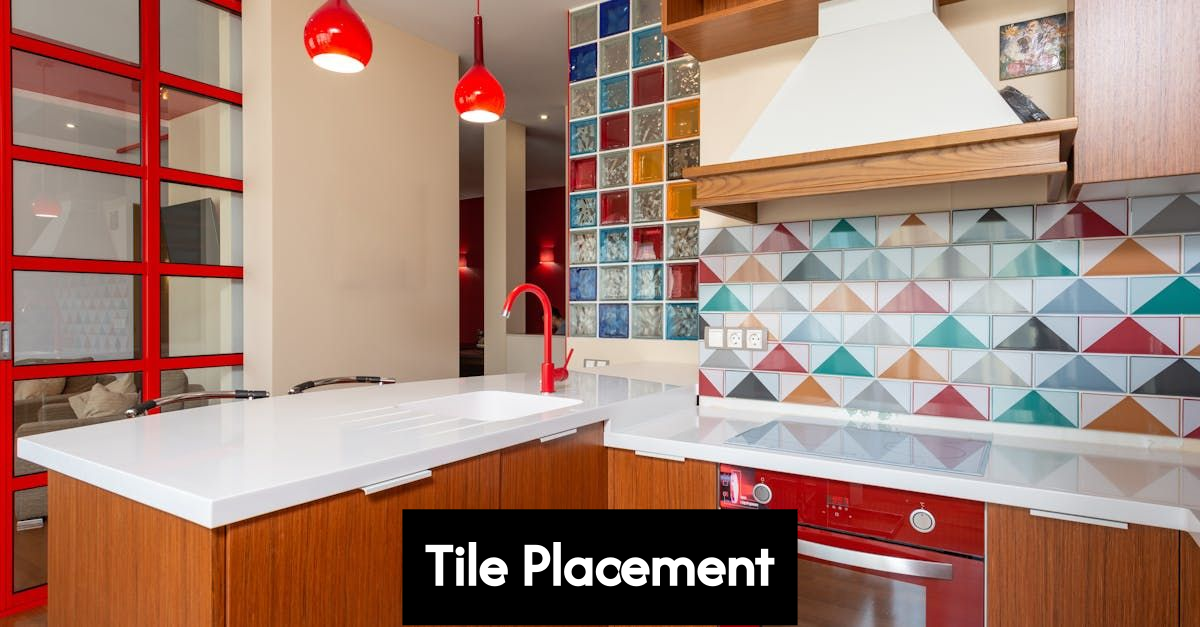 Looking beyond traditional grid layouts can transform your space from ordinary to extraordinary. Creative tile placement allows you to express your personality while adding visual interest to your home. Thanks to advancements in digital printing technology, we now have more options than ever for creating custom designs and intricate patterns that result in visually striking interiors, according to recent market research.
Breaking the Grid
The conventional approach to how to incorporate tiles typically involves straight lines and uniform patterns. However, breaking away from this expectation can yield stunning results. Consider these alternatives:
- Herringbone arrangement - Creates dynamic movement and draws the eye along the pattern
- Chevron pattern - Offers a sophisticated V-shaped design that adds elegance
- Basketweave layout - Mimics the appearance of woven material for a textured look
- Random placement - Uses tiles of various sizes arranged without a set pattern
These unconventional layouts work particularly well in bathrooms and kitchens, where they can transform an ordinary backsplash or shower wall into a focal point. Sarah Myers, interior designer at London Home Design, notes, “The way you arrange tiles can have as much impact as the tiles themselves—sometimes more.”
Playing with Direction
The orientation of your tiles can dramatically alter the perception of your space. Vertical tile placement creates the illusion of height, making ceilings appear higher—perfect for small rooms with low ceilings. Horizontal placement, on the other hand, visually expands width, making narrow spaces like corridors seem larger.
Diagonal placement is another powerful technique. By setting tiles at a 45-degree angle, you create a sense of movement and energy that draws the eye across the room. This approach works wonderfully in entrance halls and larger spaces where you want to make a bold statement.
Interestingly, collaborations between tile manufacturers and interior designers in the UK are fostering greater artistic expression and innovative tile layouts, resulting in more experimental and creative placements, as highlighted by industry analysis.
Creating Focal Points
Strategic tile placement can create striking focal points that anchor your design. Consider these approaches:
- Frame a section of your kitchen backsplash with contrasting tiles to highlight the cooking area
- Create a tiled “rug” in the centre of a bathroom floor using decorative tiles surrounded by simpler ones
- Design a feature wall in your shower using bold patterns or colours
- Use metallic or glass accent tiles interspersed among ceramic ones to catch the light
These focal points help guide the eye and create hierarchy within your space, making your design feel intentional and cohesive rather than random.
Blending Materials and Textures
One of the most exciting ways to incorporate tiles creatively is by combining different materials and textures. Mix glossy and matte finishes for subtle contrast, or combine ceramic tiles with natural stone for an organic yet sophisticated look. The interplay between different surfaces creates depth and visual interest that flat, uniform installations simply cannot match.
This approach has gained popularity as sustainability concerns influence design choices. The growing focus on eco-friendly materials is encouraging creative placement ideas that combine aesthetics with environmental responsibility, according to market trends.
Try transitioning between materials gradually—perhaps starting with ceramic in high-traffic areas and blending into natural stone as you move to less demanding spaces. This creates a subtle flow through your home while accommodating practical considerations.
When learning how to incorporate tiles creatively, remember that the most successful designs balance innovation with restraint. A thoughtfully placed accent or an unexpected pattern direction can make a powerful statement without overwhelming the space. Let your creativity flow, but always consider how the tile placement contributes to the overall atmosphere you wish to create.
Mix and Match Tile Patterns
When it comes to learning how to incorporate tiles into your home, mixing and matching different patterns can create spaces that are uniquely yours. This approach allows you to craft a distinctive aesthetic that reflects your personal style while adding depth and character to any room.
Combining Different Tile Shapes
One of the simplest ways to create visual interest is by combining tiles of different shapes. The interplay between geometric forms creates a dynamic visual rhythm that can transform an ordinary space into something extraordinary.
Square tiles paired with hexagons create an intriguing juxtaposition of straight lines against angular forms. Try using larger square tiles for your main floor area with a border or feature section of hexagonal tiles. The contrast in shapes immediately draws the eye while maintaining harmony through shared colour palettes.
Rectangular subway tiles combined with penny rounds offer another striking contrast. The linear quality of subway tiles provides structure and direction, while the circular penny rounds add a playful, organic element. This combination works brilliantly in bathrooms, with subway tiles on shower walls and penny rounds on the floor or as an accent strip.
According to Niro Granite, mixing contrasting tile textures, such as pairing terrazzo feature walls with smooth homogeneous floor tiles, creates visual interest and a modern, cohesive space. This textural contrast adds another dimension to your design, engaging not just the eye but the sense of touch as well.
Playing with Scale
Varying the scale of your tiles is another effective way to create visual interest. Large-format tiles paired with mosaics create a compelling contrast that can define different areas within the same space.
In open-plan kitchens, consider using large-format tiles for the main floor area and smaller mosaics or penny rounds for the splashback. This delineates the cooking zone while maintaining visual cohesion through complementary colours or materials.
For bathrooms, large tiles on the floor paired with smaller tiles in the shower enclosure not only looks striking but serves a practical purpose. Smaller tiles offer better grip in wet areas while creating a distinct zone within the bathroom.
Colour Coordination Strategies
When mixing patterns, thoughtful colour coordination becomes crucial. There are several approaches to consider:
- Monochromatic schemes using the same colour in different patterns and finishes
- Complementary colours from opposite sides of the colour wheel for bold contrast
- Analogous colour schemes using adjacent colours for a subtle, harmonious look
- Neutral base with a bold accent pattern for a controlled statement
Industry experts agree that combining tiles of similar colour tones with varied finishes—like matte porcelain on floors and glossy ceramic on walls—can deliver a minimalist look that still feels fresh and contemporary, as noted by design specialists.
Transitioning Between Patterns
The key to successful pattern mixing lies in creating thoughtful transitions. Abrupt changes between patterns can feel jarring, while well-planned transitions create a sense of intentional design.
Borders and feature strips provide elegant transitions between different tile patterns. A thin line of contrasting tiles or a decorative listello can bridge the gap between patterns, creating a visual pause that helps the eye adjust.
Gradual transitions work particularly well in open-plan spaces. Begin with one pattern, then gradually introduce elements of the second pattern until it becomes dominant. This creates a flowing, natural progression through your space.
The use of offset brick patterns—mixing multiple colours within the same tile layout—adds a dynamic and personalized element to interiors, allowing for unique visual movement and adaptability to both traditional and modern spaces, according to industry trends.
Balance and Restraint
When learning how to incorporate tiles through pattern mixing, remember that balance is crucial. A good rule of thumb is to select one dominant pattern and use others as accents or supporting elements. This prevents the space from becoming visually overwhelming and ensures the patterns enhance rather than compete with each other.
Consider the size of your space as well. Smaller rooms typically benefit from simpler pattern combinations, while larger spaces can handle more complex mixes. In compact bathrooms or powder rooms, try combining just two complementary patterns rather than three or four.
By thoughtfully mixing and matching tile patterns, you can create spaces that feel both personalised and cohesive. The right combination can highlight architectural features, define functional zones, and express your unique style—transforming your home from ordinary to extraordinary through the artful arrangement of tiles.
DIY Projects Using Tiles
Learning how to incorporate tiles into your home doesn’t always require professional help. With some creativity and basic tools, you can tackle several tile projects yourself, adding personal touches to your living spaces while potentially saving money. These DIY tile projects range from simple weekend tasks to more involved endeavours that can transform entire rooms.
Beginner-Friendly Tile Projects
If you’re new to working with tiles, start with smaller projects that build your confidence and skills. Mosaic picture frames make excellent first-time projects—simply apply tile adhesive to an ordinary wooden frame and arrange small mosaic tiles in your desired pattern. Once dry, add grout between the tiles for a finished look.
Table makeovers offer another approachable project. Transform an outdated coffee table or side table by applying tiles to the top surface. For best results, ensure the surface is clean, flat, and properly prepared with a suitable primer before applying adhesive and tiles.
Tile coasters are perhaps the simplest project to begin with—requiring just 4-inch ceramic tiles, some adhesive, felt backing, and decorative elements of your choice. These make practical gifts while helping you master basic tiling techniques in miniature.
According to UK tile specialists, DIY-friendly tile backsplash installation is achievable for homeowners, with proper techniques making “perfect” results possible even for non-professionals. This makes kitchen backsplashes an excellent entry point for those wanting to tackle a more substantial project.
Intermediate DIY Tile Applications
Once you’ve mastered the basics, consider projects that make a bigger impact in your home. A tiled fireplace surround transforms an ordinary fireplace into a stunning focal point. Choose heat-resistant tiles designed for fireplaces and follow proper installation techniques to ensure safety.
Dresser or cabinet upgrades offer another creative opportunity. Replace wooden drawer fronts with tile-covered panels, or add tile details to cabinet doors for a unique, personalised look.
Garden stepping stones create functional pathways while allowing creative expression. Use concrete moulds and embed tiles in patterns or mosaics for durable outdoor features that withstand the British weather while adding colour to your garden.
The Potteries Tile Trail showcases how DIY community approaches to heritage tile projects can successfully preserve architectural ceramics while engaging local communities. This demonstrates the potential for tiles to connect people and create shared cultural experiences.
Advanced Tile Projects for Enthusiasts
For those ready to tackle more challenging work, several advanced projects offer substantial home improvements. A tiled shower bench creates a luxurious bathroom feature while providing practical seating. This project requires careful waterproofing and structural considerations but results in a high-end custom element.
Outdoor kitchen counters made with weather-resistant tiles can transform your garden entertaining space. This project demands proper substrate preparation and selecting frost-resistant tiles suitable for outdoor use in Britain’s variable climate.
For 2025, experts predict that eco-friendly tiles made from recycled materials will be in high demand for DIY projects, offering both environmental benefits and modern aesthetics while contributing to sustainable living. Consider incorporating these materials into your more ambitious projects for both style and sustainability.
Essential Tools and Materials
Successful DIY tile projects require the right tools and materials. Here’s what you’ll need for most applications:
- Tile cutter or wet saw for precise cuts (rental options available for larger projects)
- Notched trowel for applying adhesive evenly
- Tile spacers to maintain consistent grout lines
- Rubber grout float for applying grout effectively
- Level and measuring tools to ensure proper alignment
- Quality tile adhesive appropriate for your specific application
- Grout suitable for your tile type and location
For bathroom and kitchen projects, waterproofing membranes are essential to prevent moisture damage. Outdoor projects require materials rated for exterior use and freeze-thaw cycles.
Tips for DIY Success
When learning how to incorporate tiles through DIY projects, proper planning prevents many common mistakes. Always order 10-15% more tiles than your calculated measurements to account for cuts, breaks, and future repairs. This is particularly important with handmade or batch-produced tiles where colour matching later may be impossible.
Practise difficult cuts on spare tiles before attempting them on your good tiles. For intricate patterns, lay out your design on the floor before applying any adhesive to ensure the pattern works as envisioned.
Take time to prepare surfaces properly—removing old finishes, repairing damage, and ensuring the substrate is clean, level, and appropriate for tiling. This preparation stage, while sometimes tedious, determines the longevity and appearance of your finished project.
By starting small and gradually taking on more complex tile projects, you can develop valuable skills while personalising your home. The satisfaction of completing these projects yourself adds an extra dimension of connection to your living spaces, making the effort well worth the investment of time and energy.
Latest Tile Trends 2025
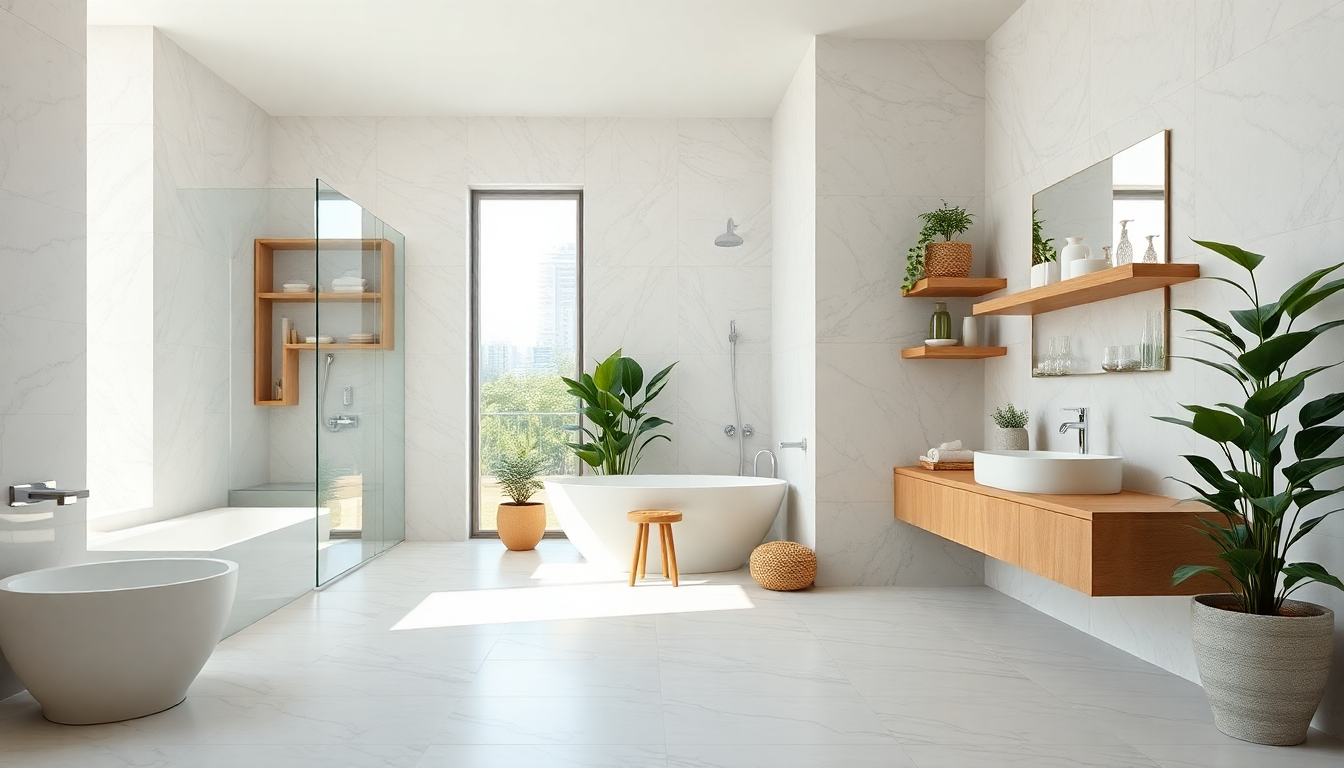 The world of interior design constantly evolves, and understanding how to incorporate tiles effectively means staying current with emerging trends. For 2025, several exciting developments are reshaping how we use tiles in our homes and commercial spaces, offering fresh inspiration for your next project.
Oversized Statement Tiles
One of the most significant shifts in tile design is the growing popularity of large-format tiles. According to Data Insights Market, these oversized tiles are increasingly popular in the UK for 2025, as they create a seamless, luxurious look while being easier to install and maintain than smaller tiles.
These expansive tiles, sometimes measuring up to 1.5 x 3 metres, dramatically reduce the number of grout lines, creating cleaner, more uninterrupted surfaces. This minimalist aesthetic works particularly well in contemporary settings, making spaces appear larger and more open. Large-format tiles also offer practical benefits—fewer grout lines mean less maintenance and cleaning, especially important in moisture-prone areas like bathrooms and kitchens.
Designers are using these statement tiles not just for floors but as dramatic wall features, shower surrounds, and even furniture surfaces. The visual impact of a single, beautifully veined porcelain slab can surpass that of more complex designs using smaller tiles.
Sustainable and Eco-Friendly Options
Environmental consciousness continues to shape consumer choices across all design categories, and tiles are no exception. H.E. Smith Ltd notes that eco-friendly and sustainable tiles, especially those made from recycled materials and produced using sustainable manufacturing processes, are becoming a dominant trend due to increased environmental awareness.
Look for tiles made from recycled glass, porcelain, and ceramic materials. These products divert waste from landfills while requiring less energy to produce than virgin materials. Manufacturers are increasingly transparent about their production processes, with many adopting water recycling systems and energy-efficient kilns.
Bio-based tiles derived from agricultural waste represent another exciting development. These innovative products incorporate byproducts from rice, corn, and sugarcane production, creating tiles with smaller carbon footprints without compromising on durability or style.
Personalized Digital Designs
The limitations of traditional tile production are disappearing thanks to technological innovations. Mordor Intelligence reports that advanced digital (inkjet) printing technology is enabling realistic, custom, and aesthetically diverse tile designs, supporting consumer demand for personalization in UK interiors.
This technology allows for unprecedented detail and variety, enabling tiles to realistically mimic natural materials with remarkable accuracy. Beyond imitation, however, digital printing opens up a world of creative possibilities—from custom artwork and photographs to one-of-a-kind patterns designed specifically for your space.
Homeowners can now work with manufacturers to create bespoke tile collections that perfectly complement their interiors, with options to match specific colour schemes or continue patterns across multiple tiles for truly unique installations.
Textured Surfaces
Moving beyond flat, smooth tiles, designers are embracing surfaces with pronounced texture and dimension. Three-dimensional tiles add depth and visual interest, creating striking light and shadow effects that change throughout the day as natural light shifts.
Relief patterns range from subtle, organic textures that evoke natural materials to bold geometric protrusions that make dramatic statements. These textured options work particularly well as feature walls or in areas where you want to add visual weight without introducing complex patterns or colours.
The tactile quality of these tiles adds another sensory dimension to interior design, inviting touch and creating spaces that engage multiple senses simultaneously.
Biophilic Design Elements
Our connection to nature remains a powerful influence in design, with biophilic elements increasingly incorporated into tile designs. Beyond simple plant motifs, the trend encompasses organic patterns, natural colour palettes, and textures that evoke the natural world.
Tiles that recreate the look of weathered wood, stone, or botanical elements bring warmth and organic character to spaces. These nature-inspired designs help create restorative environments that reduce stress and improve wellbeing—particularly valuable in urban settings where actual nature may be limited.
By understanding these emerging trends in tile design, you’ll be better equipped to make choices that keep your spaces feeling current and thoughtfully designed. Whether you embrace large-format luxury, commit to sustainable options, or experiment with custom designs, knowing how to incorporate tiles in line with contemporary trends ensures your interiors will remain fresh and relevant for years to come.
Frequently Asked Questions
How can I creatively place tiles in my home?
You can creatively place tiles by breaking away from traditional grid layouts, using herringbone, chevron patterns, or random placements. Additionally, consider playing with tile direction, creating focal points with contrasting tiles, and blending various materials and textures for added visual interest.
What are some tips for mixing and matching tile patterns?
To mix and match tile patterns effectively, combine different shapes, use varying scales, and adopt thoughtful colour coordination strategies. Ensure transitions between patterns are smooth, and maintain balance by selecting one dominant pattern with others as accents to prevent visual clutter.
What DIY tile projects can beginners tackle?
Beginners can start with simple DIY projects such as creating mosaic picture frames, tiling coffee tables, or making decorative coasters. These projects require basic tools and materials, allowing you to gradually build your skills and confidence in working with tiles.
What are the latest tile trends for 2025?
For 2025, key tile trends include oversized statement tiles that create a seamless look, sustainable and eco-friendly options made from recycled materials, personalised digital designs for bespoke aesthetics, textured surfaces that add depth, and biophilic design elements that connect spaces to nature.
Transform Your Space with Hyperion Tiles
Are you feeling inspired by the tile placement tips shared in our latest article on how to incorporate tiles? If you’re ready to break free from the mundane and elevate your home with creative layouts, distinctive patterns, and eco-friendly options, look no further! At Hyperion Tiles, we offer a diverse range of tiles and flooring solutions that cater to every taste and style.
With our user-friendly website, you can explore categories like bathrooms, kitchens, mosaics, and more while enjoying trade discounts and price-matching guarantees. Don’t wait to bring your vision to life—experience the convenience of free shipping on orders over a certain amount. Browse our collections now at hyperiontiles.co.uk and start your journey towards an extraordinary living space. Your dream can be just a click away!
Share:
Discover Luxury Trends in Flooring: Expert Design Tips
Benefits of Wall Tiles: 2025 Modern Home Upgrade Tips