


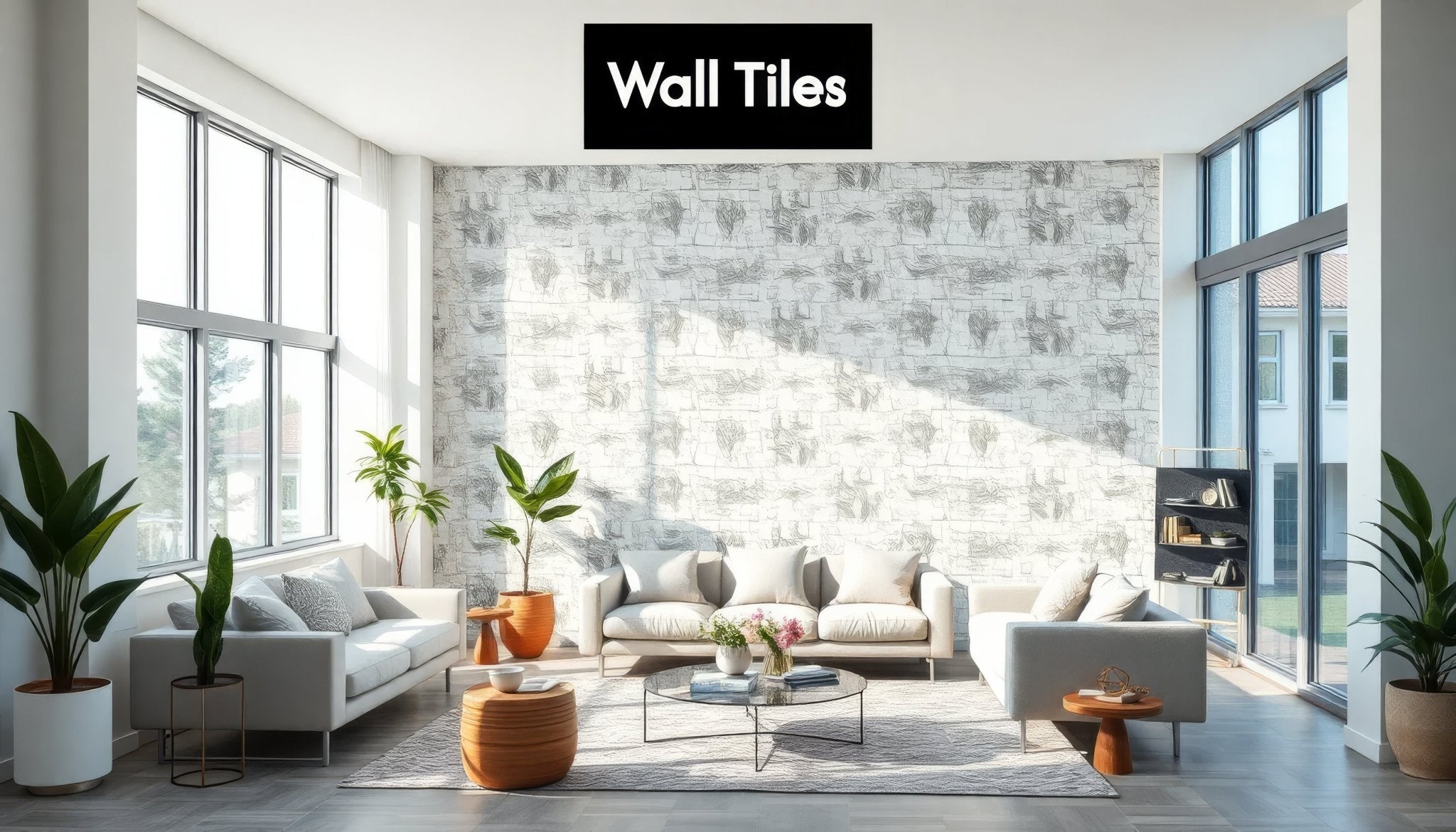
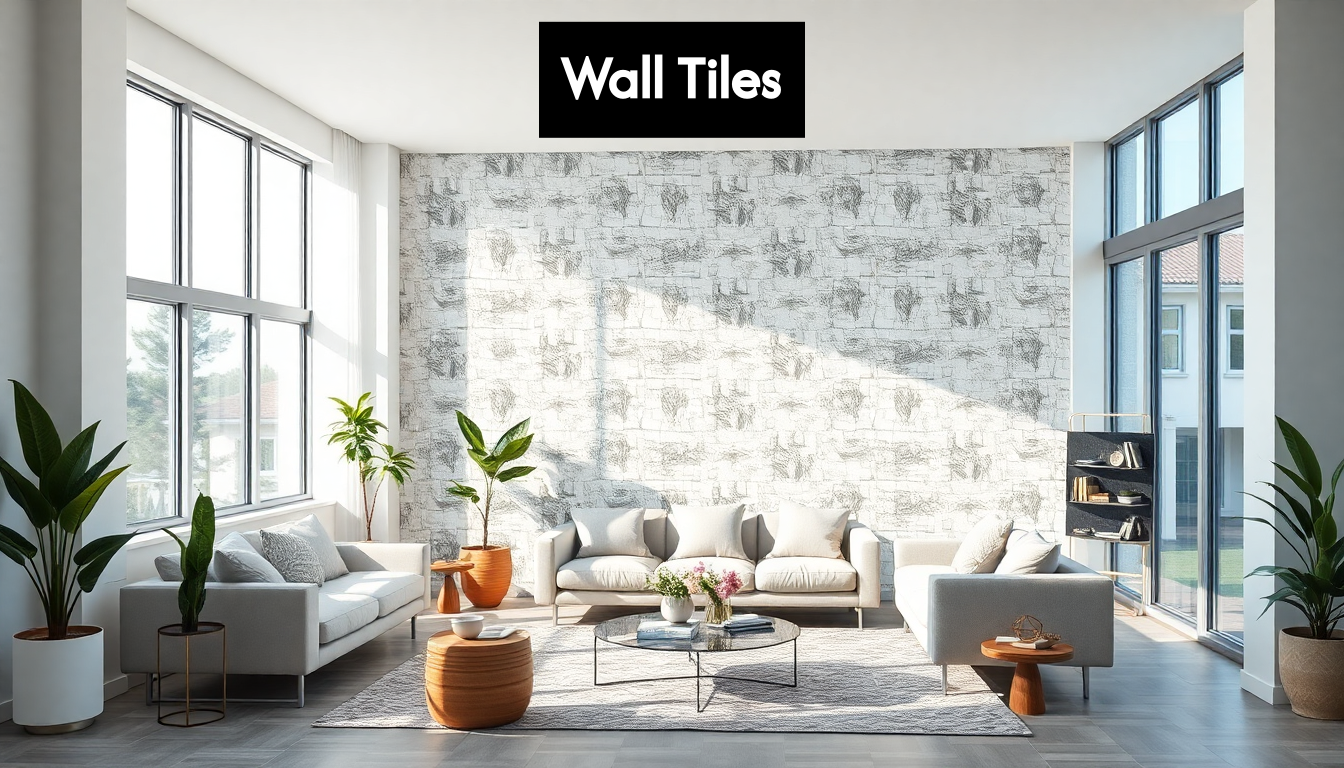
Wall tiles are more than just functional coverings; they are transformative design elements that can redefine your living space. In 2025, the trend is shifting towards tiles that not only look stunning but also enhance texture and depth, such as 3D and ridged designs. But here’s the kicker: these aesthetic choices are not merely superficial. The real magic lies in their durability and low maintenance. This means you can achieve a fresh look without the constant upkeep typically associated with home decor.
Table of Contents
- Aesthetic Enhancements With Wall Tiles
- Durability And Easy Maintenance Benefits
- Installation Process And Cost Insights
Quick Summary
| Takeaway | Explanation |
|---|---|
| Aesthetic Flexibility | Wall tiles can dramatically alter the look and feel of spaces, allowing homeowners to create visual impact through colours, textures, and layouts to express personal style. |
| Durability and Longevity | Quality wall tiles offer exceptional durability and require minimal maintenance, making them a wise long-term investment compared to alternatives like paint or wallpaper. |
| Moisture and Stain Resistance | Tiles are non-porous, providing excellent resistance to moisture, stains, and fading, particularly in humid areas such as bathrooms and kitchens, ensuring long-lasting beauty. |
| Professional vs. DIY Installation | Deciding between professional installation and DIY requires evaluating the complexity of the project; professional installers ensure quality and compliance with industry standards. |
| Cost Considerations | Installation costs vary based on tile material and regional factors, making it essential to obtain multiple quotes and consider all related expenses, including preparation materials. |
Aesthetic Enhancements with Wall Tiles
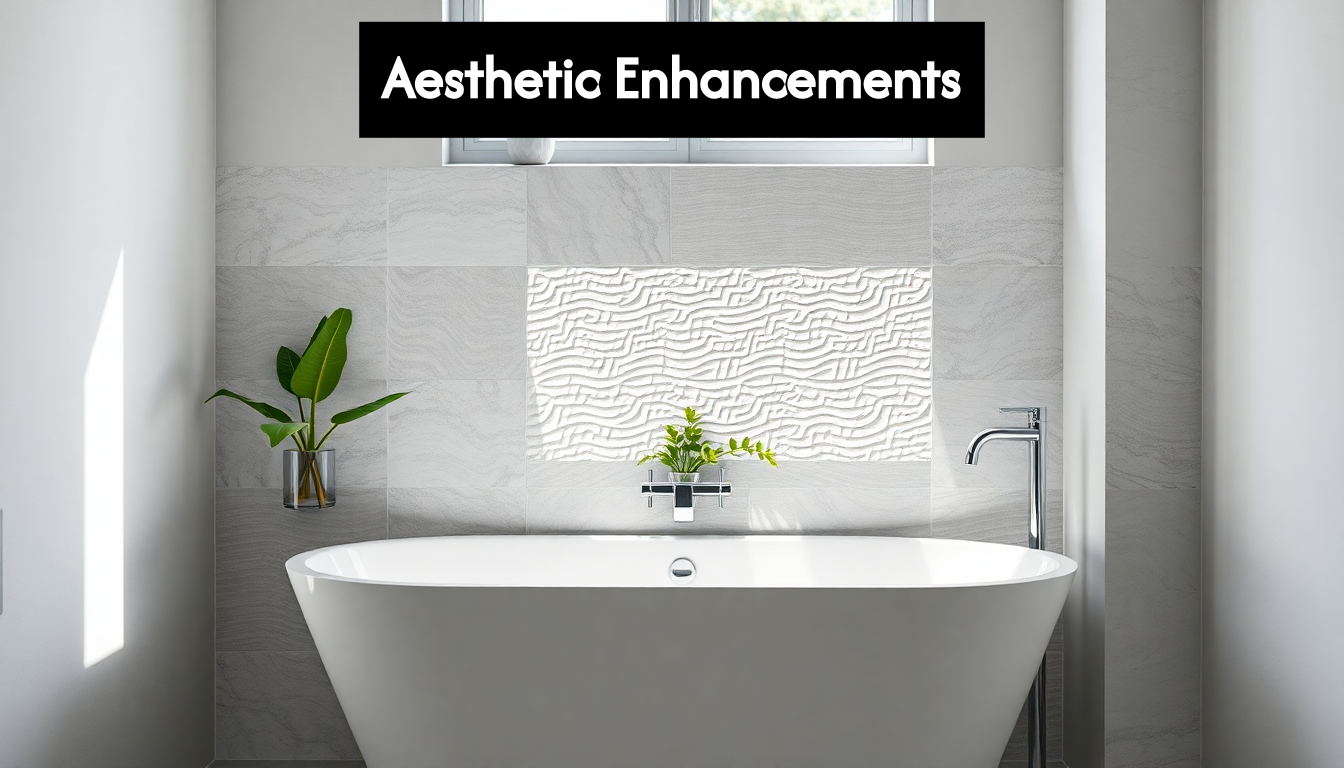
Wall tiles transform ordinary spaces into stunning visual displays, offering homeowners powerful tools for aesthetic expression. Beyond their practical benefits, tiles serve as key design elements that can dramatically alter the look and feel of any room. Let’s explore how these versatile surface coverings can elevate your interior design.
Creating Visual Impact
Wall tiles possess remarkable versatility in establishing mood and character within a space. Whether you prefer subtle elegance or bold statements, tiles provide the perfect medium for visual expression. In 2025, one of the most exciting developments is the rise of textured and tactile tiles, including 3D, ridged, and uneven surfaces. These designs are not merely trendy but functional too, offering improved slip-resistance in wet areas while creating fascinating shadow play when light hits them, according to Hyperion Tiles.
The strategic placement of wall tiles can dramatically transform spatial perception. Using large-format tiles in lighter shades can make small rooms appear more spacious, while darker tiles in larger rooms create a sense of intimacy. Vertical tile layouts draw the eye upward, creating an illusion of height, while horizontal patterns can visually widen narrow spaces.
Feature walls have become particularly popular as they provide a focal point without overwhelming the space. A single tiled wall behind a bath, fireplace, or kitchen workspace creates a stunning visual anchor that ties the room together. Bold and vibrant colours are replacing muted neutrals in 2025 tile design, with jewel-like hues and warm earthy shades being used to create striking feature walls that inject life and personality into interiors, as noted by H.E. Smith.
Material Authenticity and Innovation
One of the most significant benefits of wall tiles in today’s market is their ability to mimic natural materials with remarkable authenticity. Quality tiles in 2025 now convincingly replicate wood, stone, and even plant textures, allowing homeowners to enjoy the aesthetic appeal of these premium materials without the associated maintenance challenges. This versatility not only enhances your living experience but potentially offers returns on investment as high as 85% when selling your property, according to research from Hyperion Tiles.
Porcelain tiles with marble effects provide the luxurious appearance of natural stone without the porosity and maintenance requirements. Wood-effect tiles deliver the warmth and character of timber while being suitable for wet areas where natural wood would be impractical. These innovations allow homeowners to achieve their desired aesthetic regardless of practical constraints.
Personalising Your Space
Perhaps the greatest aesthetic benefit of wall tiles is their ability to reflect personal style. From minimalist designs to ornate patterns, the vast selection available means every homeowner can find tiles that speak to their individual taste. This personalisation creates spaces that feel authentic and meaningful.
Interior designer Sarah Thompson explains, “Wall tiles have evolved from purely functional elements to essential components of interior design. The right tiles don’t just protect walls; they tell a story about the people who live there.”
Pattern mixing has become increasingly popular, with homeowners combining different tile designs within the same space to create unique compositions. This might involve using patterned tiles alongside plain ones or combining different shapes and sizes for textural interest. The creative possibilities are virtually limitless.
Textured tiles add another dimension to walls, creating tactile surfaces that change appearance throughout the day as light conditions shift. From subtle ripples to pronounced 3D effects, textured tiles transform flat surfaces into dynamic design elements that engage both sight and touch.
The benefits of wall tiles extend far beyond protection and durability. They represent powerful design tools that can enhance aesthetics, alter spatial perception, and express personal style. As material innovations continue to expand creative possibilities, wall tiles remain at the forefront of interior design, offering endless ways to transform ordinary spaces into extraordinary ones.
Durability and Easy Maintenance Benefits
In the realm of home improvements, wall tiles stand out not only for their aesthetic appeal but for their remarkable durability and ease of maintenance. These practical benefits make them a superior choice for homeowners seeking long-term value and convenience in their living spaces.
Superior Longevity
Wall tiles are built to last, offering exceptional durability that far exceeds many alternative wall coverings. While paint may chip and wallpaper may peel, quality tiles maintain their integrity for decades with minimal intervention. This longevity translates to significant cost savings over time, as the need for frequent replacements or refurbishments is dramatically reduced.
Modern tiles are manufactured with longevity in mind, using advanced production techniques that enhance their structural integrity. According to Hyperion Tiles, tiles with PEI (Porcelain Enamel Institute) ratings of 4 or 5 are specifically designed to withstand heavy traffic and wear, making them ideal for areas that experience frequent use in modern homes. These ratings indicate exceptional resistance to abrasion and physical stress, ensuring tiles maintain their appearance even in demanding environments.
Particularly impressive is the durability of porcelain tiles, which can last for decades with minimal maintenance. Research from Impervia highlights that this longevity reduces the need for frequent replacements or repairs, making porcelain a cost-effective option compared to less durable materials. The initial investment in quality tiles pays dividends through their extended lifespan and sustained performance.
Resistance to Environmental Challenges
Wall tiles exhibit remarkable resistance to common environmental challenges that compromise other wall coverings. Their non-porous surface prevents moisture penetration, making them ideal for bathrooms, kitchens, and other areas exposed to humidity and water splashes. This moisture resistance not only preserves the tiles’ appearance but also protects the underlying wall structure from potential water damage.
Ceramic tiles in particular offer significant advantages in bathrooms due to their durability and moisture resistance. As noted by Kent Flooring UK, their non-porous nature means stains and mould are less of a concern in high-humidity environments. This characteristic is invaluable for maintaining hygienic conditions in spaces prone to moisture accumulation.
The resistance of tiles extends beyond moisture to include stain resistance, heat resistance, and color fastness. Unlike painted surfaces that may discolour when exposed to sunlight, quality tiles retain their original appearance without fading, even when installed in sun-drenched areas. This colour stability ensures your wall design remains vibrant and true to your initial vision year after year.
Effortless Maintenance
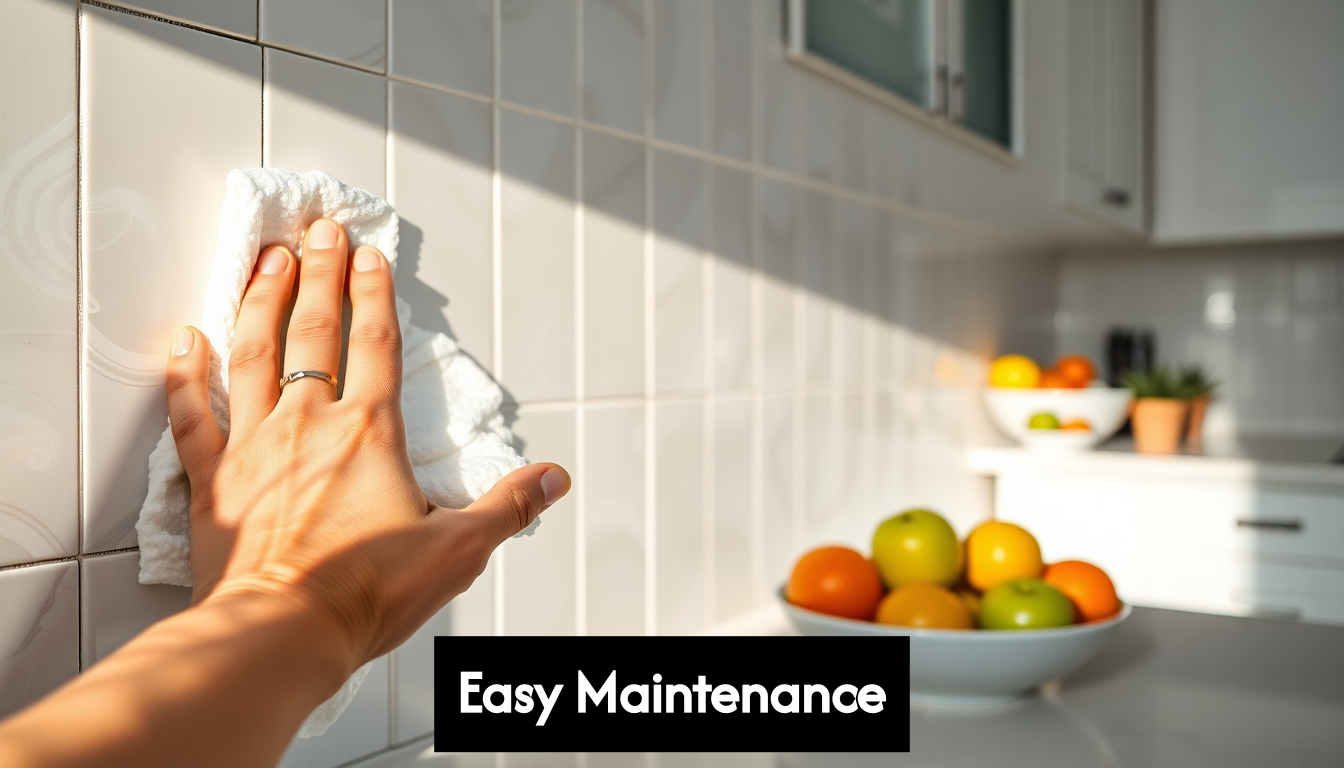
Perhaps one of the most appreciated benefits of wall tiles is their minimal maintenance requirements. The smooth, sealed surface of tiles resists dirt accumulation and makes cleaning remarkably straightforward. In most cases, a simple wipe with a damp cloth and mild detergent is sufficient to maintain their pristine appearance.
Unlike textured wallpapers or painted surfaces that can trap dust and require special cleaning products, tiles offer a hassle-free maintenance experience. This simplicity is particularly valuable in busy households where time for cleaning is limited, or in homes with children and pets where walls may be subjected to occasional spills and marks.
“The beauty of tiled surfaces lies in their practicality,” explains home maintenance expert Robert Davies. “You don’t need specialised cleaning routines or products to keep them looking their best. This simplicity means homeowners can maintain beautiful walls without dedicating excessive time or effort to upkeep.”
The grout between tiles, often considered a maintenance concern, has also seen significant advancements. Modern epoxy-based grouts offer enhanced stain resistance and durability compared to traditional cement grouts. Additionally, proper sealing of grout lines creates a protective barrier that prevents moisture penetration and staining, further reducing maintenance requirements.
Wall tiles represent an investment in long-term durability and convenience. Their ability to withstand daily challenges while maintaining their appearance with minimal maintenance makes them an exceptionally practical choice for modern homes. As materials and manufacturing techniques continue to advance, the durability and maintenance benefits of wall tiles only become more pronounced, cementing their position as a superior wall covering option for discerning homeowners.
Installation Process and Cost Insights
Understanding the installation process and associated costs is crucial when considering wall tiles for your home. While the benefits of wall tiles are compelling, having realistic expectations about installation requirements helps in making informed decisions and proper budgeting.
Professional Installation vs. DIY
Wall tile installation presents homeowners with a fundamental choice between professional fitting and DIY approaches. Professional installation ensures adherence to industry standards and typically delivers superior results, particularly for complex spaces or pattern work. According to the NHBC Standards for 2025 in the UK, ceramic wall tiling must form a plane and regular surface with straight, even courses, and there should be no cut or damaged tiles within the installation. These exacting standards highlight why professional installation often yields more consistent results.
Professional tilers bring specialised tools and expertise that most homeowners lack. They understand the nuances of different tile materials, can navigate challenging spaces, and address unexpected issues that arise during installation. Their experience allows them to work efficiently, often completing projects in a fraction of the time it would take an amateur.
DIY installation, while more economical upfront, requires significant time investment and careful preparation. Success depends on thorough research, proper tools, and patience. For straightforward projects in smaller spaces with standard rectangular tiles, DIY can be viable for those with basic home improvement skills. However, complex patterns, large-format tiles, or unconventional spaces generally benefit from professional expertise.
The Installation Process
The installation process for wall tiles follows a structured sequence that ensures durability and aesthetic quality. Proper preparation forms the foundation of successful tiling. This involves assessing and preparing the wall surface, ensuring it’s clean, dry, level, and structurally sound. Any existing damage or irregularities must be addressed before tiling begins.
The installation process for ceramic wall tiles involves precise marking using strings and pins for alignment, careful mixing of bonding agents (including latex adhesive, cement tile gum, and water), and use of tools like electric mixers and laser levels to ensure a uniform and durable tiling finish, as detailed in technical research.
Layout planning is crucial before any adhesive is applied. The British Standards BS 5385-1: 1995 code of practice mandates straight and even courses for ceramic wall tiling, with particular care required around fixtures to ensure tiles are fixed to a regular surface. This highlights the importance of careful measurement and planning. Most professional installers will create a dry layout first, arranging tiles without adhesive to determine optimal positioning and identify where cuts will be needed.
The actual tiling process involves applying appropriate adhesive, placing tiles with spacers to ensure consistent gaps, and allowing proper drying time before grouting. Different tile materials and sizes may require specific adhesives and techniques, further emphasising the value of experienced installation.
Cost Considerations
The cost of wall tile installation varies significantly based on multiple factors. Material choices represent the most obvious variable, with prices ranging from approximately £15 per square metre for basic ceramic tiles to over £100 per square metre for premium natural stone or designer porcelain options.
Labour costs typically range from £20 to £40 per square metre for standard installation, though this can increase for complex patterns, difficult spaces, or if extensive wall preparation is required. Most professional tilers charge either by the square metre or provide a project-based quote after assessing the specific requirements.
Additional materials often overlooked in initial budgeting include adhesives, grouts, trims, and sealants. These can add 15-20% to material costs but are essential for proper installation. If wall preparation is needed, such as removing existing coverings or repairing damaged surfaces, this will incur additional costs.
Regional variations across the UK affect pricing as well, with London and the Southeast typically commanding premium rates compared to other regions. Seasonal demand can also influence pricing, with many installers charging higher rates during peak renovation periods.
While DIY installation reduces labour costs, it’s important to factor in tool purchases or rentals if you don’t already own tile cutters, levels, spacers, and other specialised equipment. Mistakes during DIY installation can also lead to wasted materials and potentially higher costs in the long run.
For budget planning, it’s advisable to obtain multiple quotes from reputable installers. Most professionals will provide free estimates, allowing you to compare approaches and pricing. Requesting references or viewing previous work helps ensure quality matches cost.
Wall tile installation represents a significant investment that, when done properly, delivers lasting value. Understanding the process and associated costs allows homeowners to make informed decisions that balance immediate budget constraints with long-term satisfaction and durability.
Frequently Asked Questions
What are the benefits of using wall tiles in my home?
Wall tiles offer numerous benefits, including aesthetic flexibility, exceptional durability, low maintenance needs, and resistance to moisture and stains. They can transform the appearance of your space while providing long-lasting protection.
How do wall tiles compare to other wall coverings like paint or wallpaper?
Wall tiles are generally more durable and easier to maintain than paint or wallpaper. While paint may chip and wallpaper can peel, quality tiles can last for decades with minimal upkeep, making them a more cost-effective long-term investment.
Can I install wall tiles myself or should I hire a professional?
You can opt for DIY installation if you have basic skills and knowledge, especially for simpler projects. However, hiring a professional is recommended for complex patterns or spaces, as they ensure adherence to industry standards and deliver superior results.
How much does it cost to install wall tiles?
The cost of installing wall tiles varies widely based on materials and complexity. Basic ceramic tiles might start at around £15 per square metre, while premium options can exceed £100 per square metre. Labour costs typically range from £20 to £40 per square metre depending on the project specifics.
Transform Your Home with Stunning Wall Tiles from Hyperion Tiles
Ready to elevate your living spaces with the incredible benefits of wall tiles? Whether you’re aiming for aesthetic enhancements or effortless maintenance, our extensive collection at Hyperion Tiles offers everything you need to make your home a masterpiece without the hassle.
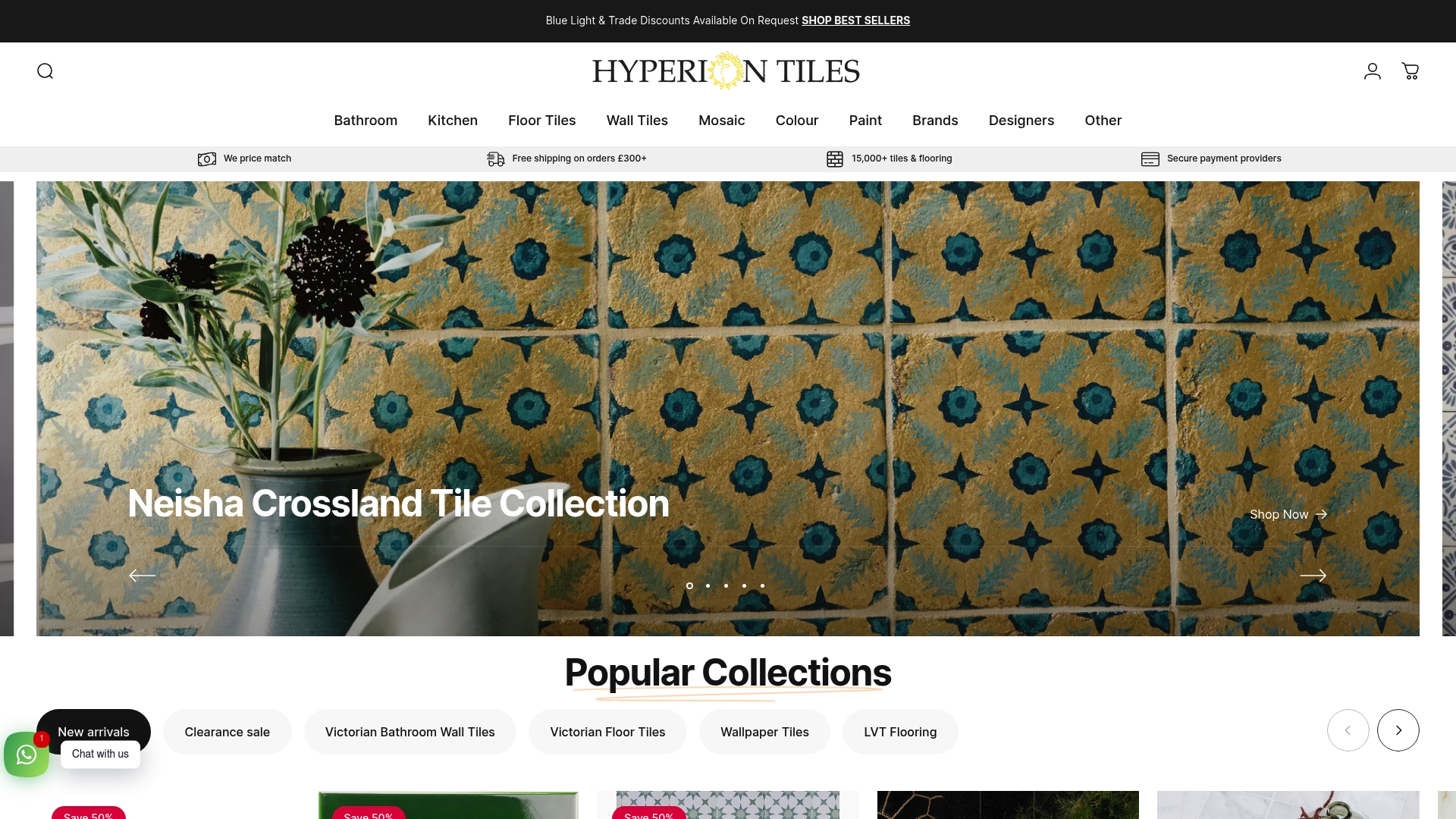
Imagine turning your bland walls into stunning showcases with tiles that resist moisture and stains, all while adding depth and personality to your interiors. Don’t settle for less when you can choose from textured and innovative designs that captivate the senses and stand the test of time. Now is the time to browse our dedicated categories, from sleek mosaics to elegant porcelain tiles! Enjoy exclusive promotions, trade discounts, and free shipping on orders over £100. Your dream home is just a click away—visit Hyperion Tiles today and start your transformation!
Share:
How to Incorporate Tiles: Top 2025 Home Design Tips
Discover Key Factors Affecting Tile Prices in 2025