


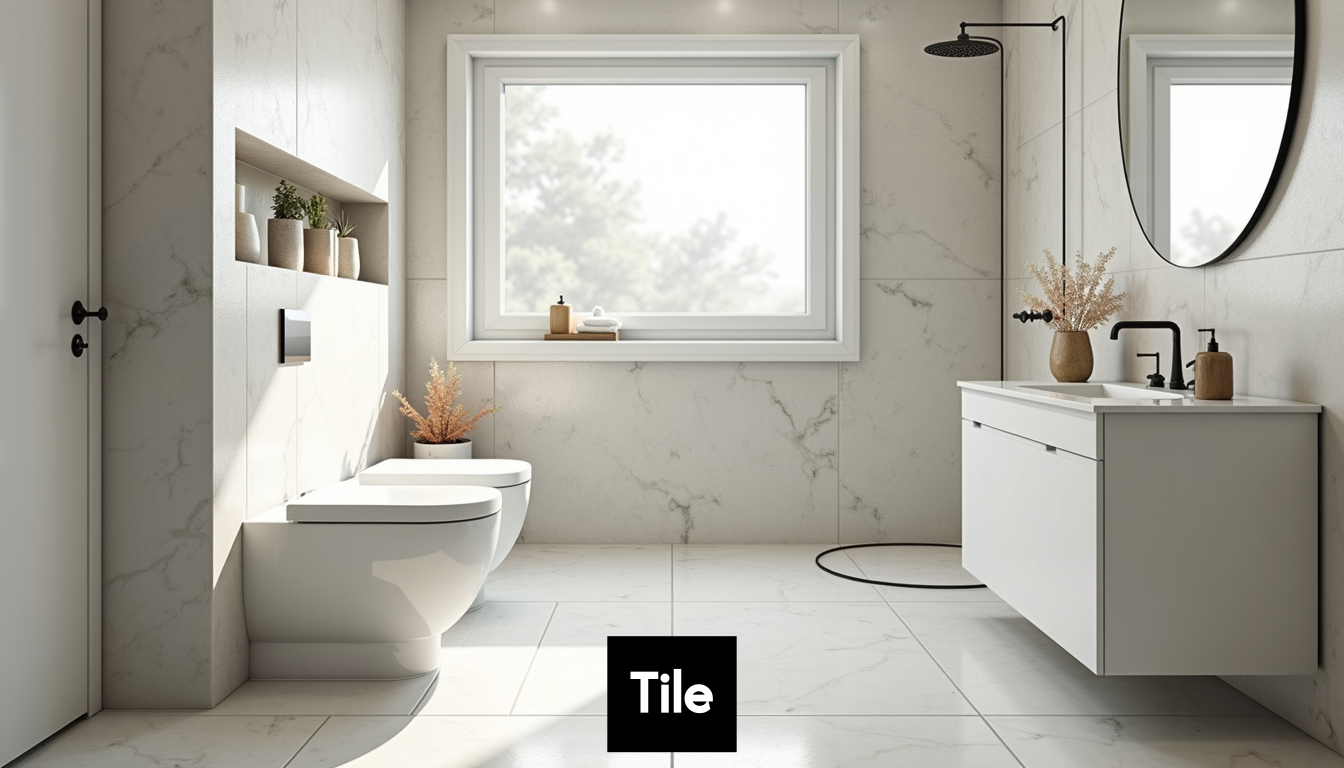
Using tiles creatively in small spaces can be a game changer. Larger tiles can actually make a room seem 25 percent bigger by minimising grout lines and creating a more seamless look. But here’s the twist: it’s not just about the size; it’s also about how you use colour and layout. Picking light reflective colours and strategic patterns can enhance your space even further, turning constraints into opportunities for stunning design.
Table of Contents
- Selecting The Right Tile Size
- Choosing Colours And Patterns Wisely
- Strategic Tile Laying Techniques
- Innovative Tile Applications
- Bringing It All Together In Small Spaces
Quick Summary
| Takeaway | Explanation |
|---|---|
| Choose Larger Tiles | Larger tiles reduce grout lines, creating a more seamless appearance in small spaces, making them appear more expansive. |
| Utilise Light Colours | Light and reflective colour strategies, such as using white or pale hues, help reflect light and create the illusion of a larger space. |
| Incorporate Strategic Tile Laying | Techniques like diagonal placement or vertical layouts can manipulate visual perception, making ceilings feel higher and narrow spaces appear wider. |
| Explore Innovative Applications | Consider using concepts like ‘tile drenching’ for cohesive aesthetics and large-format tiles to minimize visual fragmentation. |
| Balance Functionality and Aesthetics | Ensure that each tile selection enhances both design appeal and practicality, contributing to a cohesive spatial narrative. |
Selecting the Right Tile Size
Choosing the right tile size is a critical decision that can dramatically transform the perception and functionality of small spaces. The dimensions of your tiles play a pivotal role in creating visual harmony, maximising perceived space, and enhancing the overall aesthetic appeal of compact areas.
Understanding Spatial Dynamics Through Tile Dimensions
In small spaces, tile selection becomes an art of visual manipulation. Contrary to common misconception, larger tiles can actually make a room appear more spacious. Design experts recommend that square tiles are particularly well-suited for smaller rooms, offering a balanced and proportionate look.
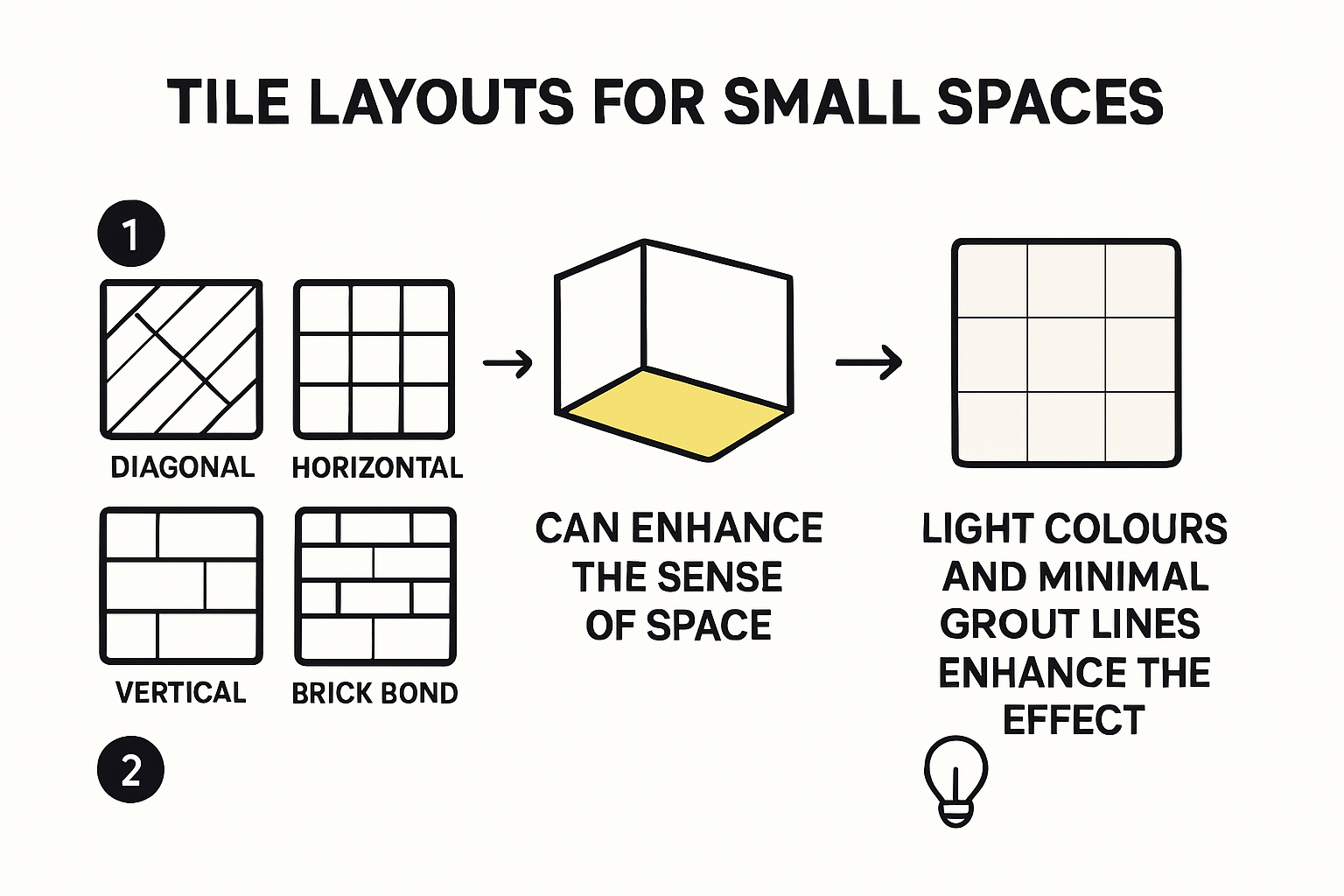
The strategic use of tile size can create compelling optical illusions. For instance, diagonal tile patterns can ingeniously expand the perceived dimensions of a space. Tile design specialists suggest that by positioning tiles at an angle, you can introduce depth and movement that visually enlarges the area.
Practical Considerations for Tile Selection
When using tiles in small spaces, grout lines become a critical design element. Larger porcelain tiles—ranging from 800x800mm to 1200x600mm—offer a significant advantage by minimising grout lines. Tile industry experts highlight that fewer grout lines create a more seamless, expansive appearance, which is particularly beneficial in compact environments.
Consider these strategic approaches when selecting tile sizes:
- Proportional Sizing: Choose tiles that are proportional to the room’s dimensions
- Minimal Grout: Opt for larger tiles to reduce visual fragmentation
- Directional Placement: Experiment with diagonal or horizontal layouts to enhance spatial perception
Material And Finish Considerations
Beyond size, the material and finish of tiles significantly impact how a small space is perceived. Glossy or reflective tiles can introduce light and create an illusion of additional space, while matte finishes offer a more subdued, sophisticated aesthetic. Porcelain and ceramic tiles provide versatility, allowing homeowners to balance practical requirements with design aspirations.
Remember that tile selection is not just about aesthetics but also functionality. In moisture-prone areas like bathrooms and kitchens, prioritise tiles with appropriate slip resistance and water-repellent properties. The right tile can transform a confined space from claustrophobic to inviting, proving that thoughtful design transcends square footage.
Choosing Colours And Patterns Wisely
Colour and pattern selection can transform how we perceive small spaces, turning potential limitations into design opportunities. When using tiles in small spaces, strategic colour choices and pattern implementations become crucial design elements that can visually expand or enhance the perceived dimensions of a room.
Light And Reflective Colour Strategies
Interior design experts consistently recommend light-coloured tiles, particularly white or pale hues, as an essential strategy for creating spatial illusion. White or glossy tiles reflect more light, making compact areas appear larger and more open. This principle extends beyond visual trickery; it’s a fundamental technique in spatial design.
Consider these colour manipulation techniques:
- Luminosity: Select tiles with high light-reflective properties
- Monochromatic Palettes: Use variations of a single colour to create depth
- Neutral Undertones: Choose colours that create a sense of continuity and openness
Pattern Dynamics In Compact Environments
Pattern selection requires nuanced understanding. Contemporary design trends indicate that smaller tiles can create intricate visual textures perfect for compact spaces. The emerging 2025 trend of “tile drenching” demonstrates how using a single colour throughout a space can create remarkable visual cohesion.
When incorporating patterns, consider these principles:
- Avoid overwhelming geometric designs
- Use subtle, understated patterns that don’t fragment visual space
- Select patterns that create subtle movement without cluttering the environment
Psychological Impact Of Colour Selection
Colour is more than aesthetic—it’s psychological. Lighter shades like soft blues, pale greys, and warm whites can make spaces feel larger and more serene. Darker colours, while beautiful, can make small areas feel more confined. The key is balance and strategic application.
In moisture-prone areas like bathrooms and kitchens, colour becomes even more critical. Reflective, light-toned tiles not only expand visual perception but also create a sense of cleanliness and sophistication. By understanding colour’s transformative power, homeowners can turn modest spaces into stunning design statements.
Strategic Tile Laying Techniques
Tile laying is far more than a simple installation process—it’s a sophisticated design strategy that can dramatically transform the perception and functionality of small spaces. When using tiles in small spaces, the orientation, alignment, and placement become critical elements that can visually manipulate room dimensions and create compelling spatial experiences.
Directional Placement and Visual Expansion
Design experts recommend strategic tile orientation as a powerful tool for spatial manipulation. Diagonal tile patterns, for instance, can create remarkable visual illusions that make rooms appear larger and more dynamic. By positioning tiles at a 45-degree angle, you introduce movement and depth that breaks traditional spatial constraints.
Tile layout professionals emphasise the transformative power of vertical and horizontal tile placement. Vertical tile arrangements can create the illusion of heightened ceilings, making low-ceiling rooms feel more expansive. Conversely, horizontal tile layouts can visually widen narrow spaces, providing a sense of breadth and openness.
Minimizing Visual Fragmentation
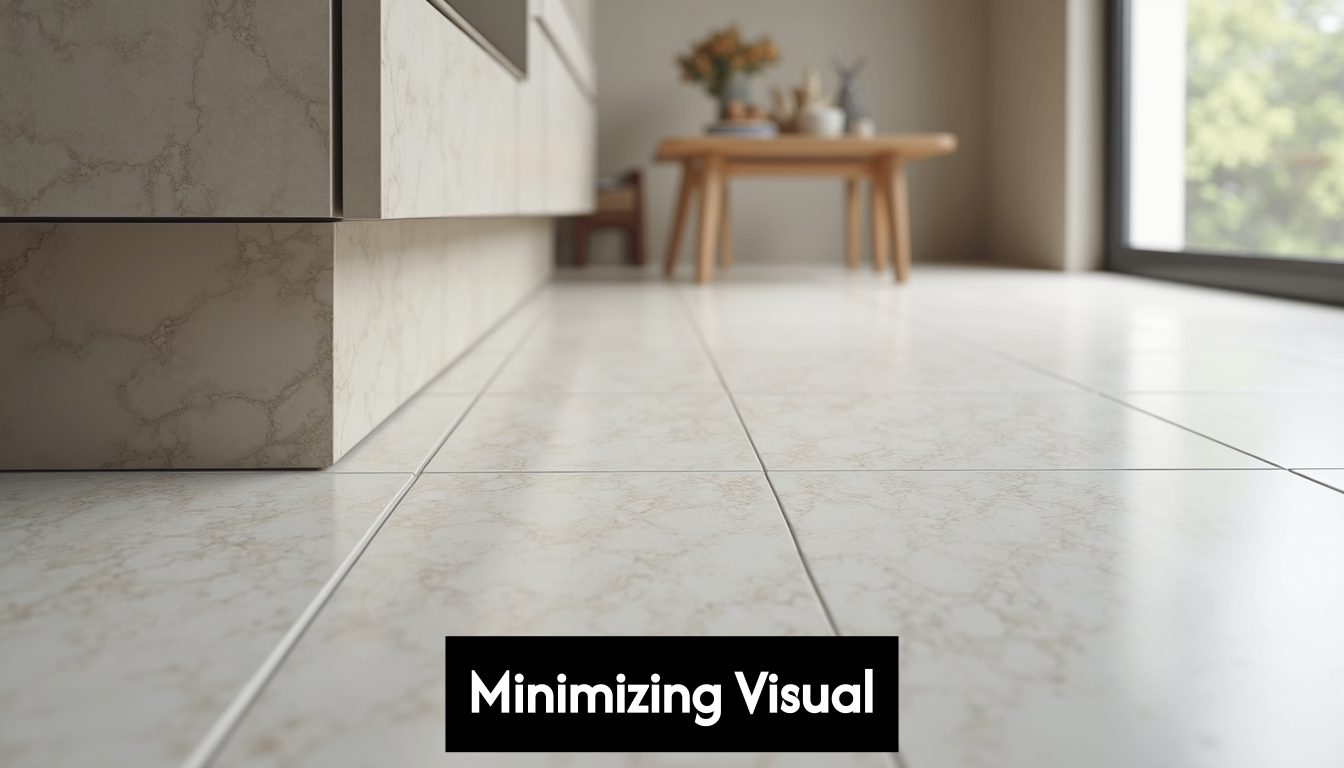 In compact environments, reducing visual interruptions is crucial. Fewer grout lines and seamless tile transitions help create a sense of continuity and spaciousness. Kitchen design specialists suggest using large format polished tiles that reflect light and create an illusion of increased space.
Consider these strategic laying techniques:
- Align tiles to the longest wall to create a sense of flow
- Use large-format tiles to minimise grout lines
- Create subtle patterns that guide the eye through the space
Texture and Light Interaction
Beyond placement, the interaction between tile texture and light plays a significant role in spatial perception. Glossy, light-reflective tiles can bounce light around the room, creating a sense of openness and airiness. Matte tiles, while offering a more subdued aesthetic, can provide depth and sophistication.
The key to successful tile laying in small spaces is understanding that every design decision is an opportunity for visual enhancement. By treating tiles not just as surface coverings but as strategic design elements, homeowners can transform constrained areas into visually stunning, seemingly more expansive environments. Thoughtful tile placement becomes an art form—a nuanced approach to architectural storytelling that goes far beyond mere decoration.
Innovative Tile Applications
Innovative tile applications represent a groundbreaking approach to transforming small spaces, moving beyond traditional design constraints and reimagining how tiles can serve both functional and aesthetic purposes. By pushing creative boundaries, homeowners and designers can unlock extraordinary potential in even the most compact environments.
Beyond Traditional Surface Coverage
2025 tile trend analysis reveals emerging strategies that challenge conventional tile usage. The concept of ‘tile drenching’—where surfaces are completely encased in tiles from floor to ceiling—has emerged as a particularly striking technique. Contemporary design experts suggest this approach creates an immersive, cohesive aesthetic that can make small spaces feel intentionally designed rather than constrained.
Innovative applications include:
- Creating feature walls with textured tiles
- Using tiles as artistic statement pieces
- Implementing multi-functional tile designs that serve decorative and practical purposes
Large-Format Tile Innovations
Tile industry specialists are championing large-format tiles measuring up to 1.5 x 3 metres as a revolutionary solution for small spaces. These expansive tiles offer multiple advantages: they dramatically reduce grout lines, create seamless visual experiences, and make compact areas appear substantially larger.
Strategic large-format tile applications can:
- Minimize visual fragmentation
- Reduce maintenance requirements
- Create luxurious, uninterrupted surface aesthetics
Technological and Functional Advancements
Modern tile technology has transformed these design elements from mere surface coverings to intelligent, multifunctional solutions. Innovative tiles now incorporate features like enhanced light reflection, temperature regulation, and even integrated smart home capabilities. In small spaces, these technological advancements mean tiles can actively contribute to creating more comfortable, efficient environments.
Consider emerging tile technologies that offer:
- Thermal insulation properties
- Self-cleaning surfaces
- Enhanced durability
- Acoustic absorption capabilities
The future of tile design is about creating immersive, intelligent spaces that transcend traditional boundaries. By embracing innovative applications, homeowners can transform small areas into dynamic, visually compelling environments that challenge preconceived notions of spatial design. Each tile becomes not just a surface covering, but a strategic design element capable of dramatically reshaping our perception of space.
Bringing It All Together in Small Spaces
Transforming small spaces into visually stunning and functionally efficient environments requires a holistic approach that integrates design principles, material selection, and strategic implementation. When using tiles in small spaces, success lies not just in individual choices, but in how these elements harmoniously interact to create a cohesive, expansive experience.
Harmonizing Design Elements
UK design trends for 2025 emphasise the importance of creating visual continuity in compact areas. This means selecting tiles that work in concert, rather than competing for attention. Tile design specialists suggest that smaller tiles can create intricate visual textures that add depth and character to limited spaces, while large-format tiles can provide seamless, uninterrupted surfaces.
Key considerations for harmonisation include:
- Maintaining a consistent colour palette
- Balancing pattern complexity
- Ensuring visual flow between different areas
- Creating subtle transitions between tile types
Practical Integration Strategies
Tile industry experts recommend a strategic approach to tile selection and placement in small spaces. Large-format tiles can be particularly effective, offering several advantages:
- Reducing visual fragmentation
- Minimising grout lines
- Creating an illusion of expanded space
- Simplifying maintenance
Consider implementing a unified design language that extends beyond tile selection. This might involve coordinating tile choices with other design elements like fixtures, lighting, and architectural features. The goal is to create a sense of intentionality and sophistication that transcends the physical limitations of the space.
Functional And Aesthetic Balance
Ultimately, successful tile design in small spaces is about striking a delicate balance between functionality and aesthetic appeal. Each tile selection should serve multiple purposes: enhancing visual perception, providing practical surface coverage, and contributing to the overall design narrative.
Think beyond traditional applications. Tiles can serve as more than just surface coverings—they can be artistic statements, spatial manipulators, and functional innovations. By approaching tile design as a comprehensive strategy rather than a series of isolated decisions, you can transform even the most compact spaces into extraordinary environments.
Remember that design is an iterative process. Don’t be afraid to experiment, mock up different layouts, and visualise how tiles will interact with light, furniture, and other design elements. The most successful small space designs emerge from a thoughtful, holistic approach that considers every detail as part of a greater whole.
Frequently Asked Questions
What tile size is best for small spaces?
Larger tiles are often recommended for small spaces, as they reduce grout lines and create a more seamless appearance, making the room feel more expansive.
How can I choose the right colours for tiles in compact areas?
Light and reflective colours, such as whites and pale hues, are ideal for small spaces as they reflect light, enhancing the perception of space and openness.
What are some strategic tile laying techniques for small rooms?
Consider using diagonal or vertical tile layouts to create visual expansions, or large-format tiles to minimise visual fragmentation and enhance the feeling of spaciousness.
What innovative tile applications can I use in small spaces?
Explore concepts like ‘tile drenching’ for a cohesive aesthetic, large-format tiles for seamless designs, and innovative technologies that offer functionality beyond just surface coverage.
Transform Your Small Space with Hyperion Tiles
Are you feeling limited by your small space? You’re not alone! Many homeowners struggle to create the illusion of openness, as discussed in our article, “Clever Ways to Use Tiles in Small Spaces 2025”. Strategies like selecting larger tiles and using light reflective colours can solve your spatial dilemmas, but they require the right products available to bring these concepts to life.
At Hyperion Tiles, we specialise in providing the perfect tiles to maximise your small space potential. Our extensive collection features larger format tiles and beautiful shades designed to enhance light and space, allowing you to implement those clever design strategies with ease. Plus, enjoy free shipping on orders over £1,000 and our price match guarantee to ensure you’re getting the best deal!
Why wait? Reimagine your space today! Visit Hyperion Tiles and browse our curated collections to find the ideal tiles for your renovation project. Your small space deserves to look big and beautiful!
Share:
'New fireplace hearth tiles have transformed my living room into a snug'