


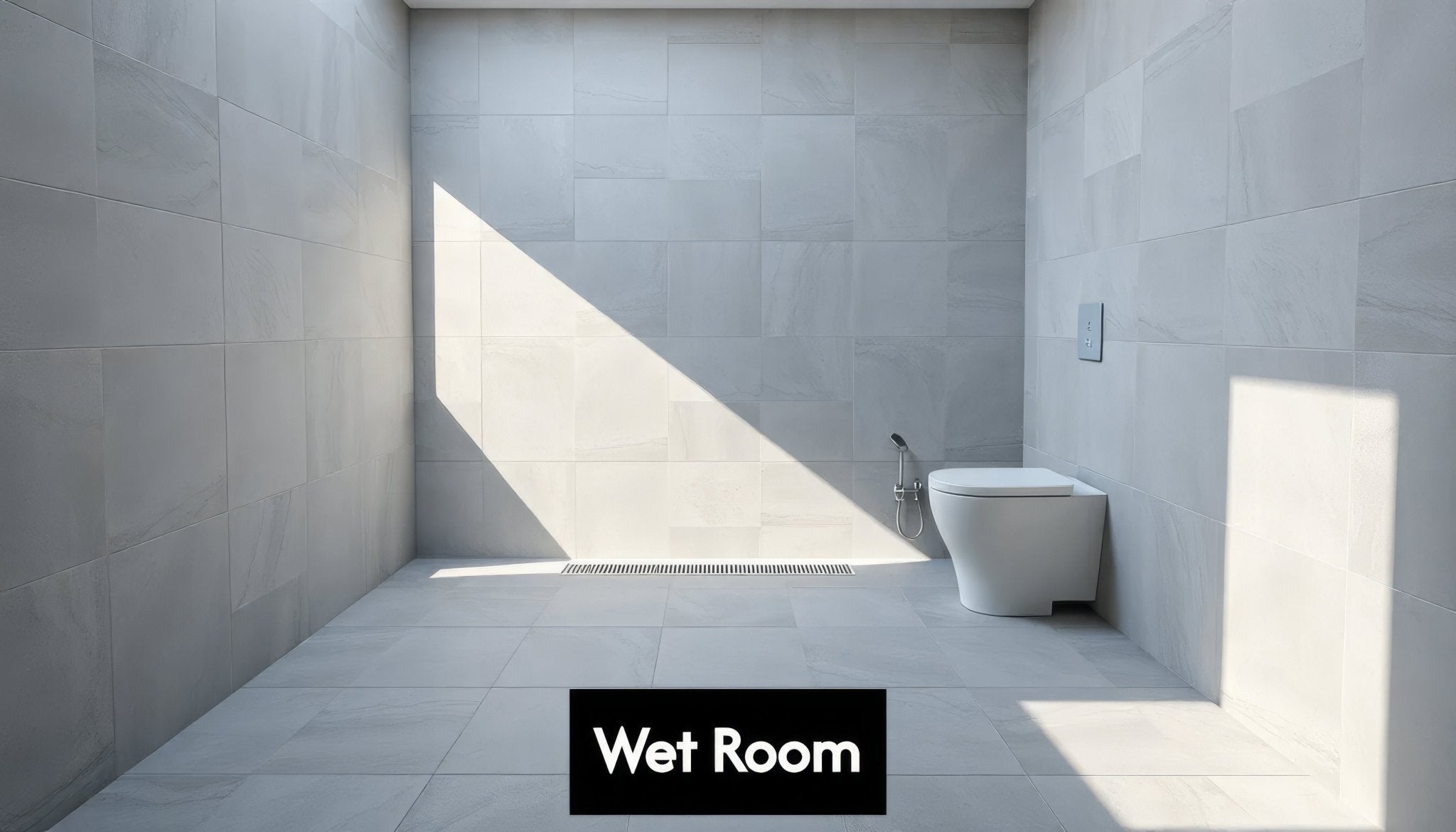
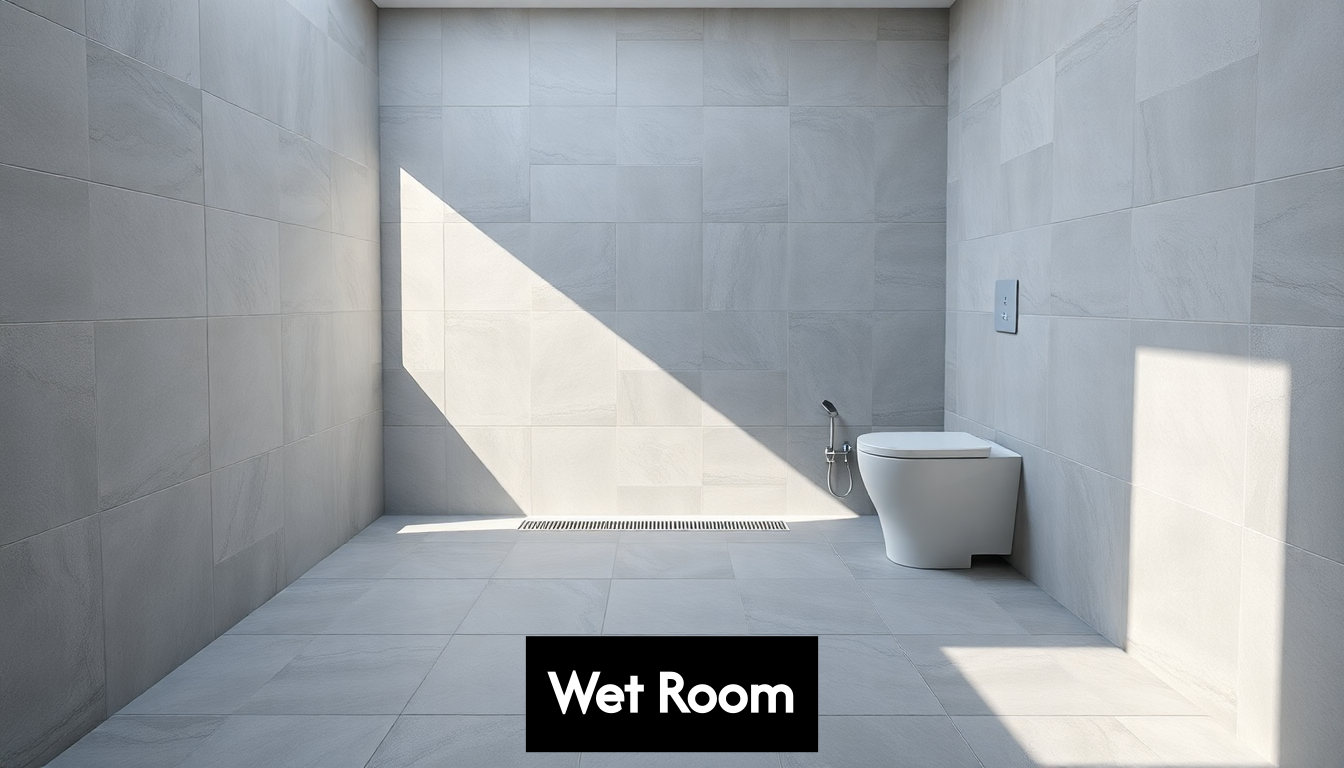
 Wet rooms are revolutionising bathroom design, transforming ordinary spaces into luxurious, fully waterproof environments. In the UK, around 8% of homes now feature wet room installations, signalling a shift towards modern living preferences. But here’s the twist: while many focus on their sleek appearance, the real game-changer is their accessibility. These spaces are not just about style; they create inclusive environments ideal for everyone.
Table of Contents
- Key Features Defined
- Brilliant Benefits Explained
- Essential Design Considerations
- Pros And Cons Detailed
Quick Summary
| Takeaway | Explanation |
|---|---|
| Comprehensive Waterproofing is Essential | A successful wet room requires a robust waterproofing system, including multiple layers of waterproof membranes and precise sealing to protect against moisture damage. |
| Exceptional Accessibility Benefits | Wet rooms provide barrier-free environments that are ideal for individuals with mobility challenges, featuring smooth surfaces and the option for integrated support features. |
| Potential Increase in Property Value | A well-designed wet room can boost a UK home’s market value by up to £5,000, making it a strategic investment for modern living preferences. |
| Simplified Maintenance and Hygiene | The open design of wet rooms reduces cleaning time and promotes better hygiene by minimizing moisture trap areas and facilitating easier surface cleaning. |
| Consider Cost and Installation Complexity | While wet rooms can enhance aesthetics and functionality, they typically involve higher initial costs and require professional installation for optimal results. |
Key Features Defined
A wet room transforms the traditional bathroom concept into a fully waterproofed, innovative living space that blends functionality with sleek design. Wet rooms represent a revolutionary approach to bathroom design, offering a seamless, open-plan environment where water management and aesthetic appeal converge.
Structural Integrity and Waterproofing
The fundamental characteristic of a wet room is its comprehensive waterproofing system, known technically as ‘tanking’. This critical process involves creating a completely sealed environment that prevents water penetration into walls, floors, and underlying structures. Building regulations specify that a wet room must include tanking and drainage laid to fall towards a connected gulley capable of efficiently draining the entire floor area.
Professional installation requires multiple layers of waterproof membranes, typically involving:
- Liquid-applied waterproofing compounds
- Specialized waterproof boarding
- Precise sealing around fixtures and potential moisture entry points
Drainage and Floor Configuration
Unlike traditional bathrooms, wet rooms feature a completely level floor design, eliminating the need for shower trays or raised platforms. The entire floor is subtly graded towards a discrete drainage point, typically a linear or point drain positioned strategically to ensure optimal water flow. This design not only creates a visually expansive space but also provides exceptional accessibility, making wet rooms particularly suitable for individuals with mobility challenges.
According to ventilation experts, these spaces are classified as ‘rooms used for domestic activities that produce significant amounts of airborne moisture’, which necessitates robust ventilation systems to maintain air quality and prevent potential moisture-related issues. 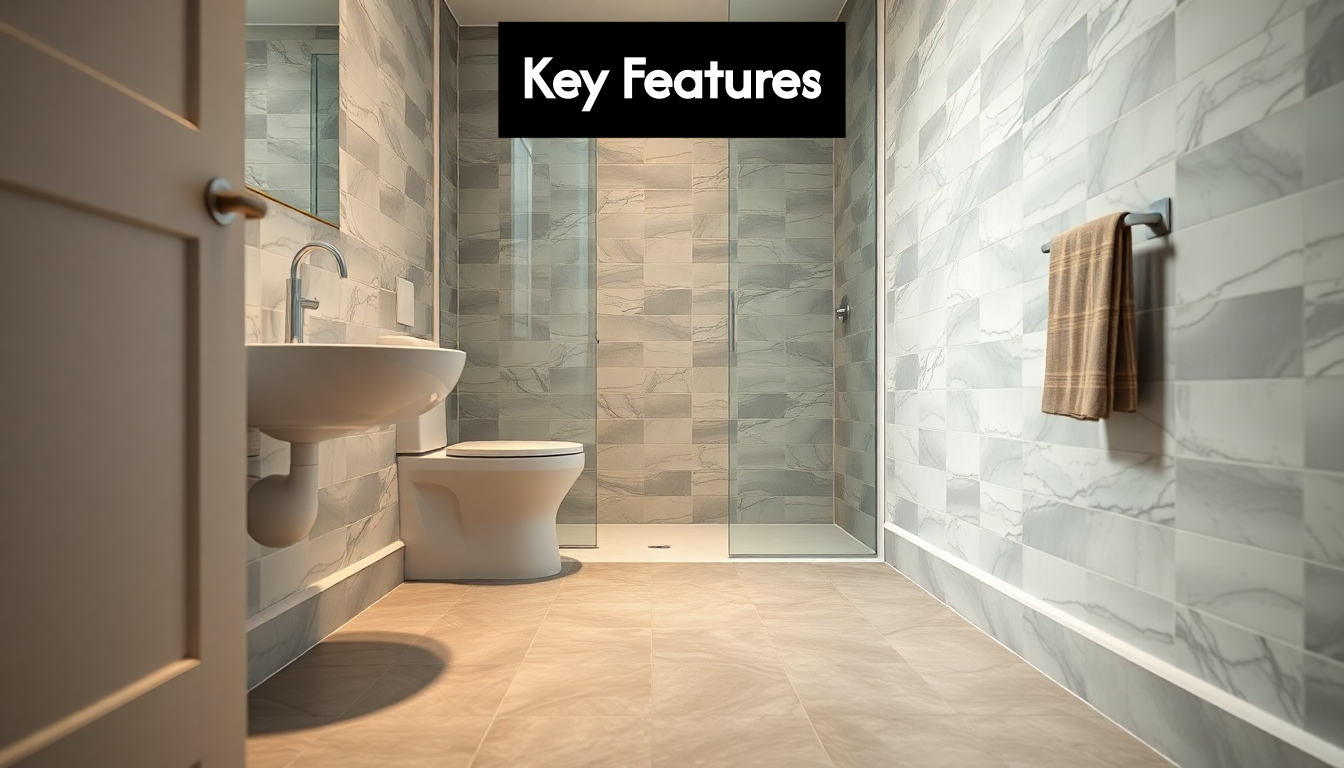
Design Flexibility and Aesthetic Potential
Wet rooms offer unprecedented design flexibility, allowing homeowners and interior designers to create truly customised spaces. The absence of traditional shower enclosures means architects can implement:
- Minimalist, open-plan layouts
- Large-format tiles
- Integrated shower areas
- Enhanced spatial perception
Whether implemented in compact urban apartments or expansive family homes, wet rooms represent a sophisticated solution that combines practical water management with contemporary architectural aesthetics. The key is professional design and meticulous installation to ensure long-term performance and visual appeal.
Brilliant Benefits Explained
Wet rooms represent more than just a contemporary bathroom design; they offer a transformative living solution that combines aesthetic elegance with remarkable practical advantages. By reimagining traditional bathroom spaces, wet rooms deliver a range of benefits that extend far beyond conventional shower environments.
Enhanced Accessibility and Inclusive Design
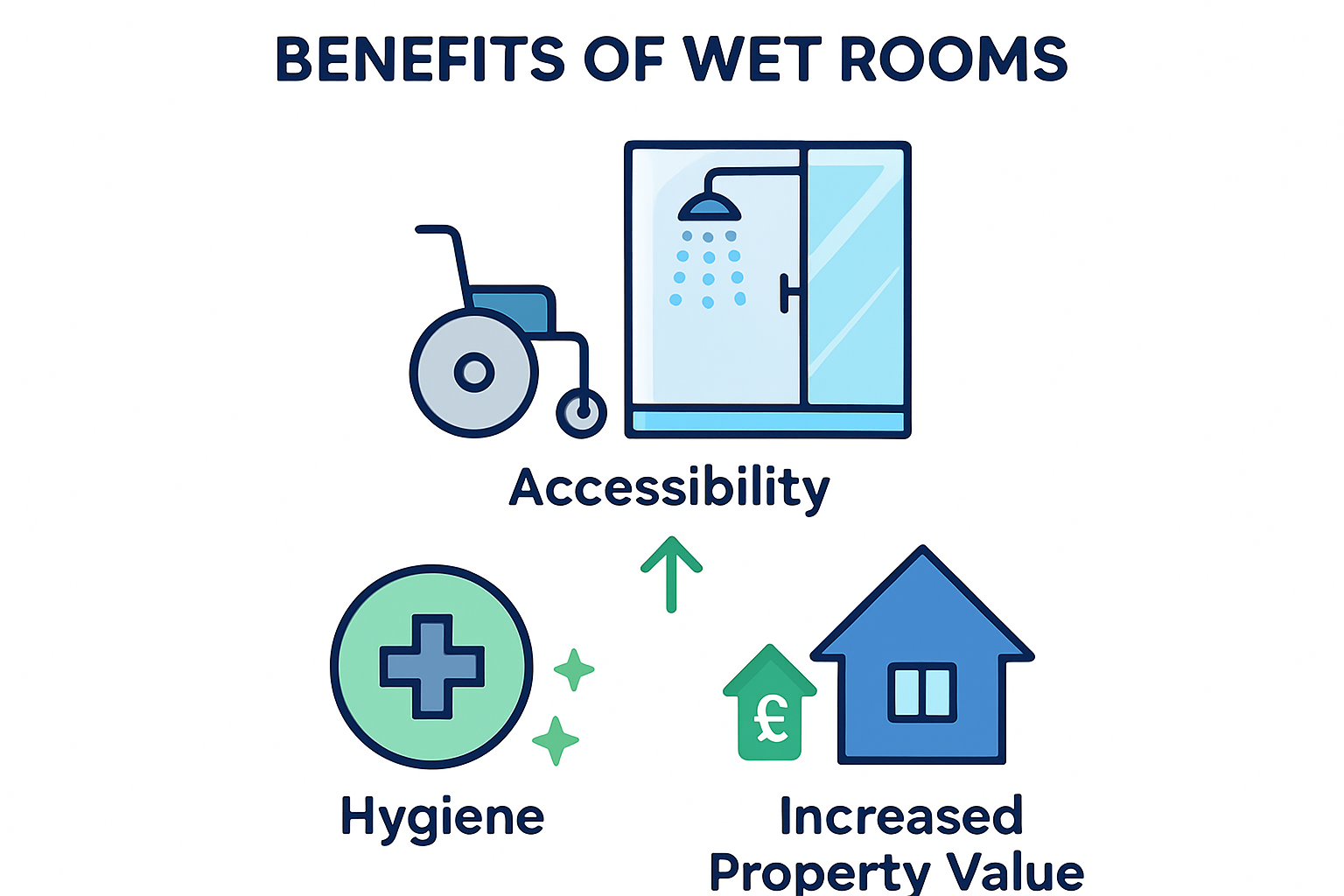
One of the most significant advantages of wet rooms is their exceptional accessibility. Mobility experts emphasize that these spaces provide barrier-free environments ideal for individuals with mobility challenges, including wheelchair users. The seamless, level floor eliminates traditional shower trays and raised thresholds, creating a safe and comfortable space for everyone.
Key accessibility features include:
- Smooth, uninterrupted floor surfaces
- Easy installation of support grab bars
- Potential for integrated foldable shower seats
- Wider turning spaces for mobility aids
Property Value and Modern Living
Beyond functionality, wet rooms represent a strategic investment in property value. Research indicates that a well-designed wet room can potentially increase a UK home’s market value by up to £5,000. This financial benefit stems from the growing demand for modern, adaptable, and accessible bathroom solutions.
The aesthetic appeal of wet rooms attracts multiple buyer demographics:
- Young professionals seeking contemporary design
- Families valuing practical, low-maintenance spaces
- Older homeowners prioritizing future-proof living environments
Maintenance and Hygiene Advantages
Traditional bathrooms often struggle with moisture management and cleaning challenges, but wet rooms offer a revolutionary approach. Interior design experts highlight that the waterproof, open design significantly simplifies maintenance and promotes superior hygiene standards.
The streamlined wet room design provides several cleaning and hygiene benefits:
- Fewer grout lines and potential mildew accumulation
- Easier surface cleaning
- Reduced moisture trap areas
- Enhanced water drainage
By eliminating complex shower enclosures and multiple surface levels, wet rooms create a more hygienic environment that is substantially easier to keep clean and maintain. The continuous, sealed surfaces prevent water retention and minimize the risk of mould and bacterial growth, making them an excellent choice for health-conscious homeowners.
Whether motivated by accessibility needs, design preferences, or practical considerations, wet rooms offer a compelling solution that transforms bathroom experiences. They represent a forward-thinking approach to domestic design, combining functionality, aesthetics, and long-term value in a single, sophisticated space.
Essential Design Considerations
Designing a wet room requires meticulous planning and thoughtful consideration of multiple technical and aesthetic factors. Unlike traditional bathrooms, wet rooms demand a comprehensive approach that balances functionality, safety, and visual appeal.
Waterproofing and Structural Preparation
The foundation of any successful wet room lies in its waterproofing strategy. Construction standards now mandate comprehensive waterproofing for all residential wet spaces, emphasizing the critical nature of proper installation. This process involves creating an impenetrable membrane that protects underlying structures from moisture damage.
Key waterproofing considerations include:
- Applying liquid-applied waterproof membranes
- Using specialized waterproof boarding
- Ensuring complete seal around fixtures and potential moisture entry points
- Creating a slight floor gradient towards drainage points
Floor Drainage and Water Management
Precise water management is paramount in wet room design. The floor must be expertly graded to facilitate efficient water drainage, typically with a subtle 1-2% slope directing water towards strategically positioned drainage points. Market research indicates that approximately 8% of UK homes now feature wet room installations, highlighting the growing importance of sophisticated drainage solutions.
Designers must carefully consider:
- Linear versus point drainage systems
- Drain placement and capacity
- Potential water flow patterns
- Aesthetic integration of drainage elements
Material Selection and Environmental Factors
Choosing appropriate materials is crucial for creating a durable, functional wet room. Surfaces must withstand constant moisture exposure while maintaining aesthetic integrity. Recommended materials include:
- Porcelain tiles with minimal water absorption
- Large-format tiles to reduce grout lines
- Non-slip flooring materials
- Moisture-resistant wall coverings
Ventilation represents another critical design element. Proper air circulation prevents moisture accumulation, reducing potential mould and mildew risks. Professional installations typically incorporate:
- Mechanical extraction fans
- Humidity-sensitive ventilation systems
- Strategic window placement
- Air circulation design
Beyond technical considerations, wet room design demands a holistic approach that integrates functional requirements with personal aesthetic preferences. Successful implementations balance practical water management strategies with individual style, creating spaces that are both beautiful and highly functional.
Whether renovating an existing bathroom or designing a new space, understanding these essential design considerations ensures a wet room that is not just visually stunning, but also structurally sound and practical for long-term use.
Pros and Cons Detailed
While wet rooms offer numerous advantages, they are not without their complexities. A comprehensive understanding of their strengths and potential challenges is crucial for homeowners considering this innovative bathroom design approach.
Accessibility and Safety Benefits
Interior design professionals highlight the significant safety advantages of wet rooms, particularly for individuals with mobility challenges. The seamless, step-free design eliminates traditional trip hazards associated with raised shower trays and complex bathroom configurations.
Key safety advantages include:
- Elimination of threshold barriers
- Easier wheelchair access
- Reduced risk of slipping
- Simplified movement within the bathroom space
However, this accessibility comes with potential drawbacks. The open design means water can more easily spread across the floor, requiring meticulous planning of storage areas and careful management of toiletries and towels to keep them dry.
Cost and Installation Considerations
Wet rooms represent a more complex and typically more expensive bathroom solution compared to traditional designs. Construction experts emphasize that the comprehensive waterproofing requirements significantly impact overall installation costs.
Financial considerations include:
- Higher initial installation expenses
- Specialized waterproofing materials
- Professional-grade tiling and membrane work
- Potential structural modifications
Despite the higher upfront costs, wet rooms can potentially increase property value when executed with high-quality design and professional installation. The contemporary aesthetic and functional benefits often appeal to potential buyers, making them an attractive long-term investment.
Maintenance and Practical Challenges
One of the most compelling advantages of wet rooms is their simplified cleaning process. The absence of multiple surfaces, shower enclosures, and complex fixtures means fewer areas where dirt and moisture can accumulate. Design professionals note that this design significantly reduces cleaning time and maintains a more hygienic environment.
Potential maintenance challenges include:
- Need for precise waterproofing
- Risk of water spreading beyond intended areas
- Potential for increased humidity
- Requirement for high-quality ventilation systems
While wet rooms offer an innovative and modern bathroom solution, they are not universally perfect. Homeowners must carefully weigh the aesthetic and functional benefits against potential installation complexities and maintenance requirements. A successful wet room demands professional design, expert installation, and ongoing attentive care.
Ultimately, the decision to install a wet room should be based on individual needs, budget, and long-term home improvement goals. When implemented thoughtfully, wet rooms can transform a mundane bathroom into a sophisticated, accessible, and highly functional living space.
Frequently Asked Questions
What is a wet room?
Wet rooms are fully waterproofed bathroom spaces that do not have shower trays or raised floors, allowing for an open-plan design. They are designed for efficient water drainage and are particularly suitable for individuals with mobility challenges.
What are the benefits of having a wet room?
Wet rooms enhance accessibility, increase property value, and simplify maintenance. They create a barrier-free environment, making them ideal for people with mobility issues while also being trendy and modern.
How much does it cost to install a wet room?
The cost of installing a wet room varies but typically ranges from £4,000 to £10,000. This includes professional installation, waterproofing materials, and the necessary structural modifications to accommodate a wet room design.
How do you ensure proper drainage in a wet room?
To ensure proper drainage, a wet room should have a level floor that is subtly graded towards a drainage point. It is essential to use either linear or point drains and ensure the design facilitates efficient water flow while maintaining aesthetic appeal.
Elevate Your Wet Room Experience with Hyperion Tiles
Transform your vision of a luxurious, accessible wet room into reality! As highlighted in our article, these innovative spaces not only redefine bathroom design but also serve as a beacon of inclusivity and modern living. However, achieving that sleek and functional space requires careful selection of high-quality materials and expert installation.
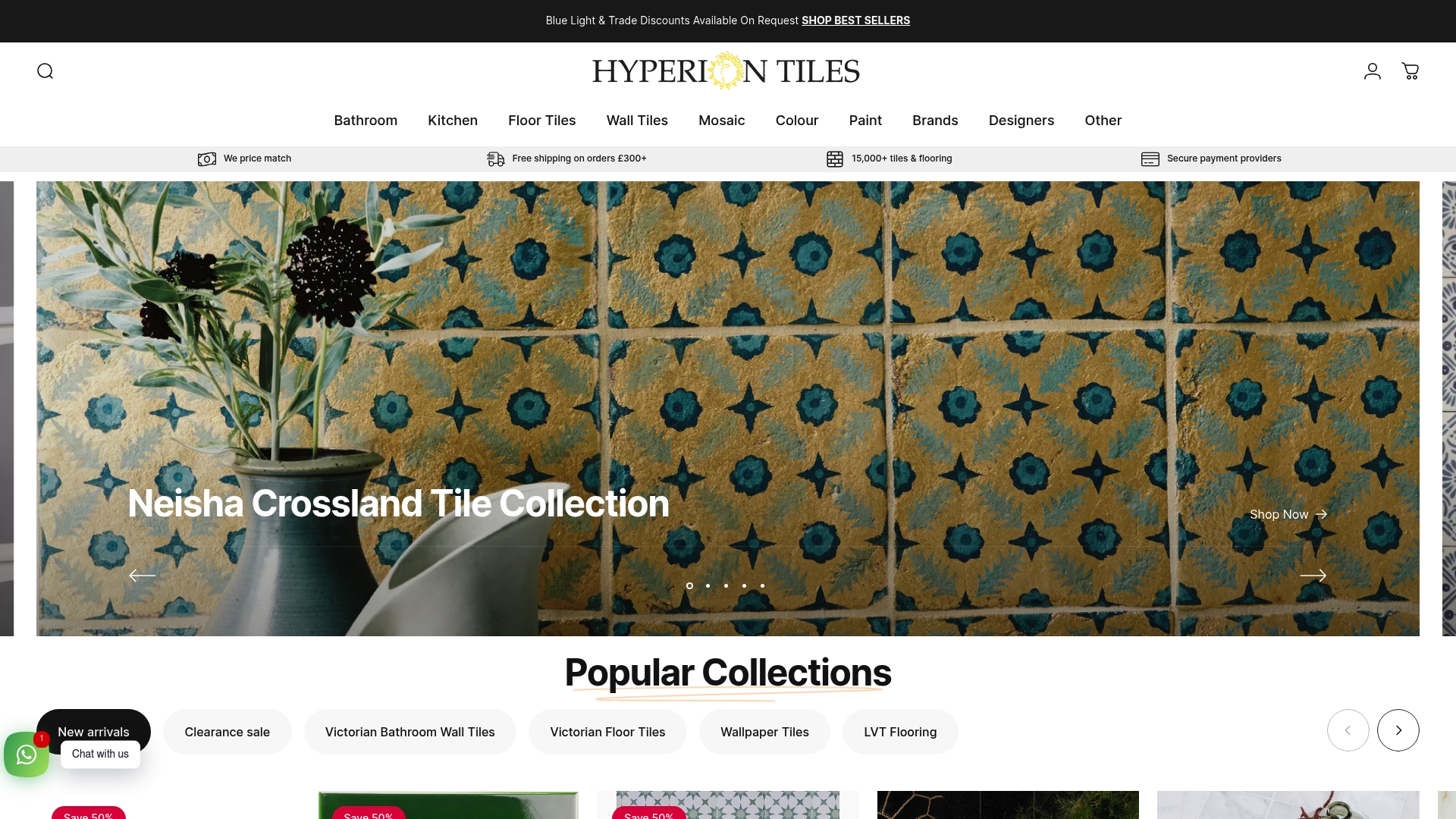
At Hyperion Tiles, we offer an extensive range of premium tiles specifically designed for wet room applications. With our robust waterproof solutions, you can ensure structural integrity and stunning aesthetics, all while addressing essential factors like drainage and maintenance. Explore our collections of ceramic, porcelain, and mosaic tiles that not only elevate your wet room’s style but also simplify cleaning, keeping your space hygienic and beautiful.
Don’t miss out on our latest promotions, including price matching and free shipping on orders over a certain amount! Start your renovation journey today by visiting hyperiontiles.co.uk and discover how easy it is to create the perfect wet room experience that fits your needs. Act now and turn your dream bathroom into a reality!
Share:
2025 Tips On How To Choose Bathroom Tiles Perfectly
29+ Trendy Shower Tile Ideas for 2025 Bathroom Design