


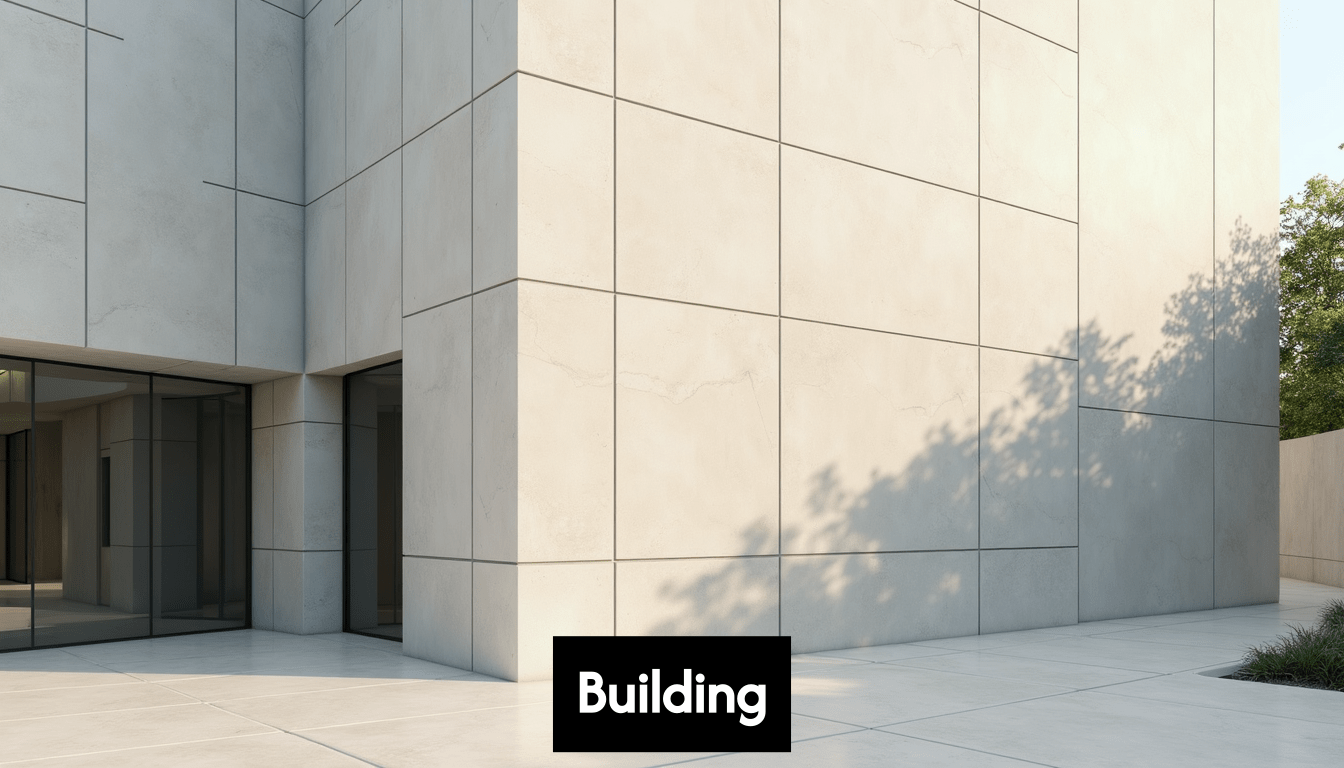
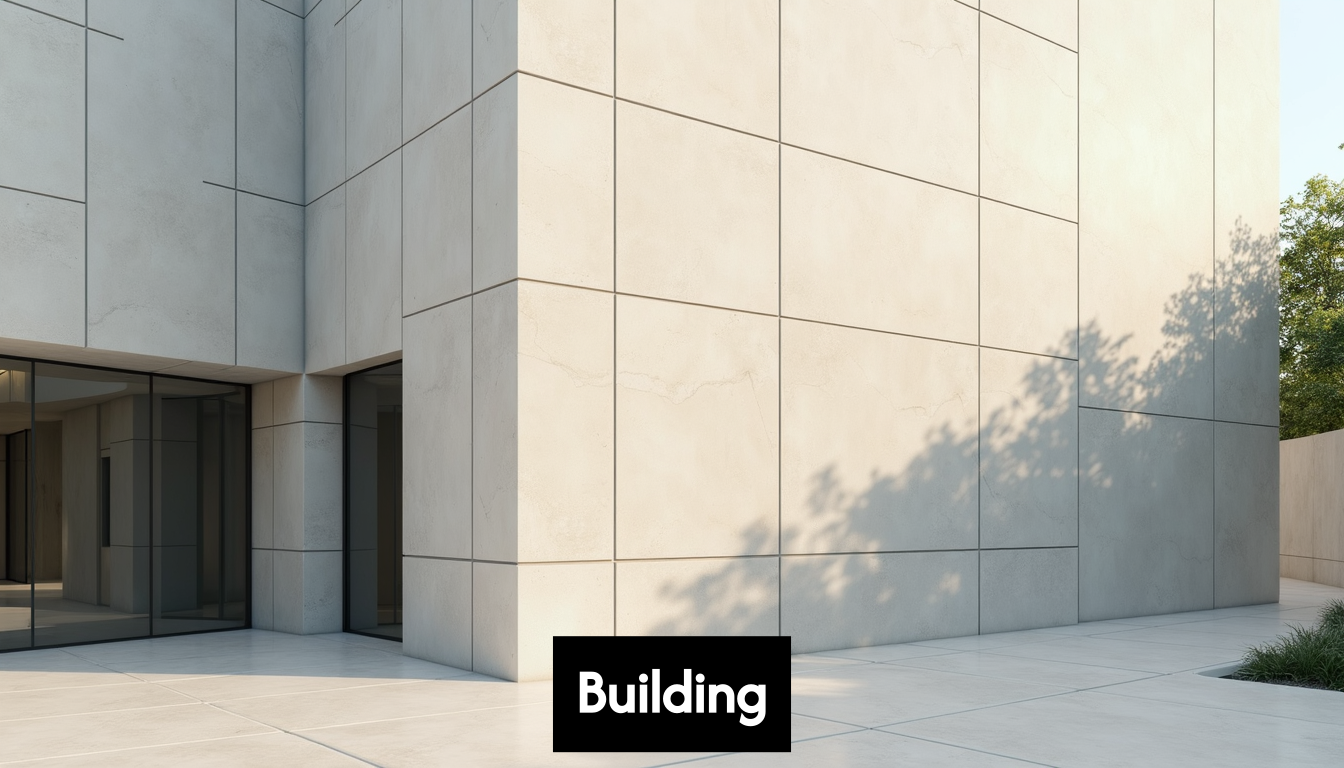
 Building with tiles is a game changer for modern architecture. With ceramic and porcelain tiles dominating over 60% of the UK market, they have become essential due to their aesthetic and functional benefits. But here’s the kicker: not only are tiles beautiful, but they’re also surprisingly sustainable. The most astounding fact is that their durability can lead to significant cost savings over time, making them a smart investment for any project.
Table Of Contents
- Why Choose Tiles For Building
- Popular Tile Types For Construction
- Essential Tips For Tile Installation
- Maintaining Your Tiled Structures
Quick Summary
| Takeaway | Explanation |
|---|---|
| Exceptional Durability | Tiles, particularly ceramic and porcelain, offer superior resilience and longevity, making them suitable for high-traffic areas and moisture-prone environments. |
| Sustainable Construction Choice | Manufactured from natural materials, tiles help reduce construction waste and their durability decreases maintenance costs, providing long-term economic value. |
| Proper Installation Techniques | Surface preparation, precise measurement, and appropriate adhesive selection are crucial for successful tile installation, ensuring structural integrity and aesthetic appeal. |
| Routine and Advanced Maintenance | Regular cleaning, along with tailored maintenance techniques for specific environments, is essential to preserve tiles’ appearance and prevent structural issues. |
| Variety of Tile Options | Acknowledging the different characteristics of tile types—ceramic, porcelain, natural stone—enables informed choices that optimise aesthetic and functional performance in construction. |
Why choose tiles for building?
Building with tiles represents a strategic choice that combines aesthetic appeal with exceptional functional performance across multiple construction and design applications. The decision to incorporate tiles goes far beyond mere surface decoration, offering a comprehensive solution that addresses durability, sustainability, and long-term value for residential and commercial projects.
Exceptional Durability and Performance
Tiles stand out as a building material with remarkable resilience and longevity. Expert Market Research highlights that ceramic and porcelain tiles deliver superior performance in high-traffic areas, presenting remarkable scratch and impact resistance. For homeowners and contractors, this translates into surfaces that maintain their integrity and appearance even under intense use.
The residential construction sector, which accounts for 57% of the UK tile market, demonstrates a clear preference for tiles due to their outstanding structural characteristics. Unlike alternative materials, tiles offer consistent performance across diverse environments - from moisture-prone bathroom spaces to heavily trafficked kitchen areas. Their inherent resistance to wear ensures that building surfaces remain pristine and functional for extended periods.
Environmental and Economic Advantages
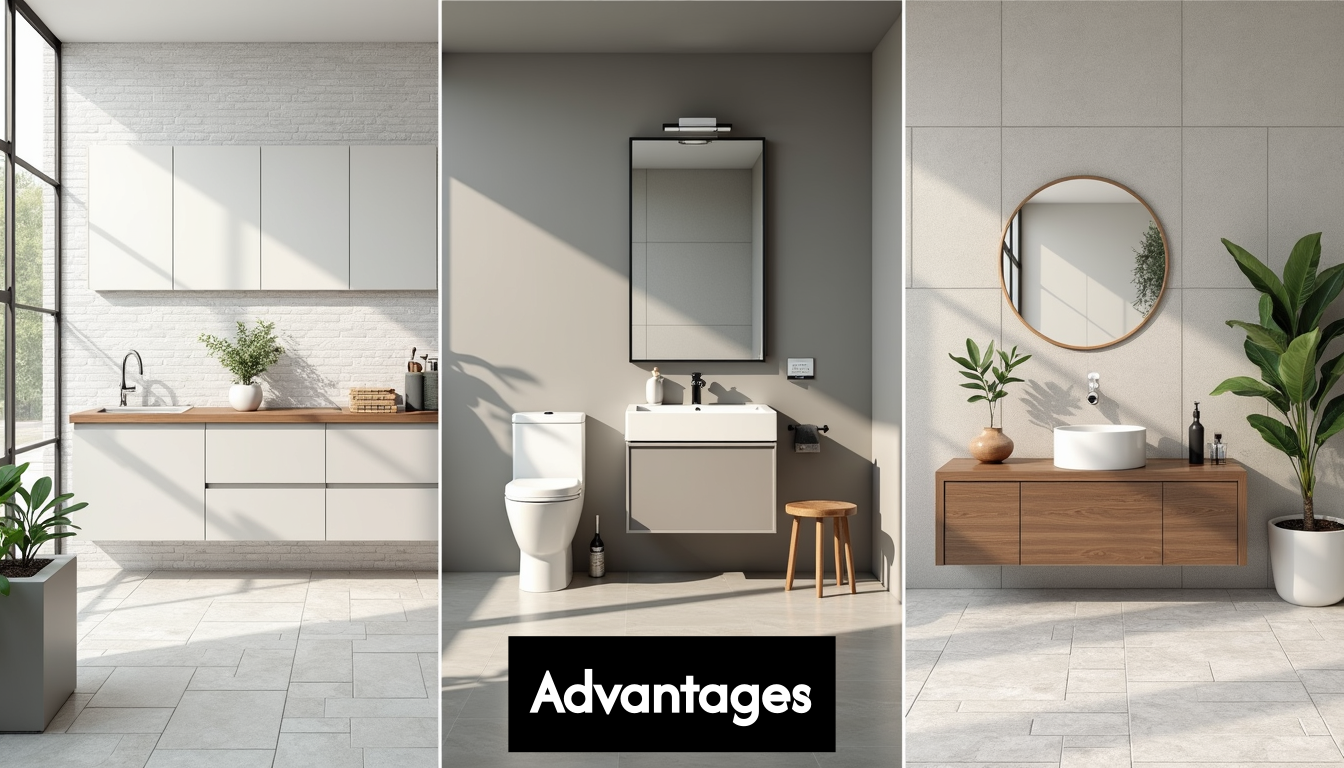 Choosing tiles for building represents a forward-thinking approach to sustainable construction. Construction Research indicates that modern tiles are manufactured from natural materials, contributing to energy-efficient building practices. The production process minimizes overall construction wastage, making tiles an environmentally responsible choice for conscientious builders and designers.
Economically, tiles provide exceptional long-term value. Their durability means reduced maintenance costs and less frequent replacements compared to alternative materials. For commercial and residential projects, this translates into significant financial savings over the building’s lifecycle. Additionally, tiles offer flexible design options that can dramatically enhance property aesthetics and market value.
Versatility Across Construction Applications
The versatility of building with tiles extends across multiple sectors. From residential interiors to complex commercial environments, tiles demonstrate remarkable adaptability. Construction Industry Insights reveal that tiles are increasingly specified for diverse applications including:
- Residential Spaces: Kitchens, bathrooms, living areas
- Commercial Environments: Offices, retail spaces, educational institutions
- Industrial Settings: High-traffic zones requiring robust surface solutions
By selecting tiles, builders and designers gain a material that combines technical performance with aesthetic flexibility. Whether creating a minimalist modern interior or a classic traditional space, tiles provide the perfect foundation for architectural expression.
Ultimately, choosing tiles for building represents a sophisticated decision that balances immediate aesthetic requirements with long-term functional performance. Their unique combination of durability, sustainability, and design potential makes them an unparalleled choice in contemporary construction.
Popular tile types for construction
Building with tiles offers an extensive range of material options, each with unique characteristics tailored to specific construction requirements. Understanding the diverse tile types enables architects, designers, and contractors to make informed decisions that optimize both aesthetic and functional performance.
Ceramic and Porcelain Tiles: Industry Standards
Market Research reveals that porcelain tiles dominate the UK construction market, representing over 60% of ceramic tile installations. These tiles are engineered for exceptional durability, offering superior strength and resistance to wear in both residential and commercial environments.
Porcelain tiles are manufactured through a sophisticated process involving high-temperature firing of refined clay, resulting in an extremely dense and less porous material. This manufacturing technique provides remarkable performance characteristics, including:
- High Impact Resistance: Withstanding heavy foot traffic
- Low Water Absorption: Ideal for moisture-prone areas
- Enhanced Structural Integrity: Maintains shape and appearance

Specialized Tile Categories for Specific Applications
Beyond traditional ceramic options, the construction industry leverages specialized tile types designed for targeted performance. Construction Market Insights highlight several critical tile categories that address specific building requirements:
Natural Stone Tiles:
- Marble tiles offering luxurious aesthetic
- Granite tiles providing extreme durability
- Slate tiles delivering rustic, textured appearance
Technical Ceramic Tiles:
- Enhanced chemical resistance
- Superior thermal stability
- Optimized for industrial and commercial environments
Floor and Wall Tile Differentiation
Industry Data indicates floor tiles constitute over 70% of ceramic tile applications in construction. These tiles are specifically engineered to withstand significant mechanical stress, featuring increased thickness and reinforced structural composition compared to wall tiles.
Wall tiles, conversely, prioritize aesthetic flexibility and lightweight performance. They offer designers extensive design possibilities through diverse colors, patterns, and finishes. Modern wall tiles incorporate advanced printing technologies, enabling intricate designs that simulate natural materials like wood, stone, and fabric.
Specialized tile categories such as glass tiles, metallic tiles, and textured ceramic tiles further expand design possibilities. These innovative options allow construction professionals to create unique visual experiences while maintaining high-performance standards.
Selecting the appropriate tile type requires careful consideration of environmental conditions, anticipated usage, aesthetic preferences, and long-term performance expectations. By understanding the nuanced characteristics of different tile categories, builders can create spaces that are not just visually stunning but also functionally superior.
Essential tips for tile installation
Successful tile installation requires meticulous planning, precise techniques, and a comprehensive understanding of material-specific requirements. Professionals and DIY enthusiasts must navigate multiple critical considerations to ensure a durable, aesthetically pleasing result that meets industry standards and performance expectations.
Surface Preparation and Substrate Considerations
British Standard Guidelines emphasize the critical importance of substrate preparation before tile installation. Different surface materials have specific load-bearing capacities that directly impact tile adhesion and long-term performance. For instance, various substrates support different weight loads:
- Gypsum plaster: 20 kg/m²
- Gypsum plasterboard: 32 kg/m²
- Gypsum fibreboards: 40 kg/m²
- Glass reinforced cement-based boards: 50 kg/m²
- Lightweight foam-cored tile backer boards: 60 kg/m²
Ensuring a completely level and stable surface is paramount. Uneven substrates can lead to tile misalignment, increased stress points, and potential future failures. Professionals recommend using self-leveling compounds and conducting thorough surface assessments before commencing installation.
Movement Joints and Technical Considerations
NHBC Standards mandate specific technical requirements for ceramic tile installations. The installation of movement joints becomes crucial in preventing potential cracking and structural stress. According to Porcelain Tile Installation Guidelines, timber is no longer considered a suitable substrate for large format porcelain tiles, highlighting the evolving technical standards in tile installation.
Key technical considerations include:
- Maintaining appropriate expansion gaps
- Using flexible adhesives
- Implementing strategic movement joints
- Selecting appropriate grout types
Best Practices for Professional Installation
Professional tile installation transcends basic placement techniques. Successful outcomes demand a holistic approach that considers environmental conditions, tile characteristics, and long-term performance. Critical best practices include:
- Acclimatisation: Allow tiles to adjust to ambient temperature and humidity before installation
- Precise Measurement: Use laser levels and professional measuring tools
- Adhesive Selection: Match adhesive specifically to tile type and substrate
- Grout Application: Ensure consistent, clean grout lines
- Sealing: Protect tiles and grout lines against moisture and staining
Professionals recommend a systematic approach: thorough surface preparation, precise layout planning, careful tile cutting, meticulous adhesive application, and professional grouting techniques. Each step requires precision and attention to detail.
The complexity of tile installation underscores the value of professional expertise. While DIY enthusiasts can successfully complete tile projects, understanding these essential principles can significantly improve installation quality and longevity. Investing time in proper preparation and technique ensures a visually stunning and structurally sound tiled surface that meets industry standards and aesthetic expectations.
Maintaining your tiled structures
Maintaining tiled structures requires a strategic approach that preserves their aesthetic appeal and structural integrity. Proper care extends beyond routine cleaning, encompassing comprehensive maintenance techniques that protect your investment and ensure long-lasting performance across residential and commercial environments.
Routine Cleaning and Daily Care
Johnson Tiles Technical Support recommends a systematic approach to tile maintenance, emphasizing gentle, consistent cleaning methods. Routine care involves daily sweeping and periodic mopping using warm water and pH-neutral cleaning solutions. These practices prevent dirt accumulation and maintain the tile’s original appearance without risking surface damage.
Key daily maintenance principles include:
- Regular sweeping to remove loose debris
- Immediate spill cleanup
- Using soft, non-abrasive cleaning tools
- Avoiding excessive water application
Advanced Maintenance Techniques
Historic England Technical Guidance highlights critical considerations for advanced tile maintenance. Excessive moisture can compromise tile bedding and activate potentially damaging salt formations. Professional maintenance strategies require careful product selection and precise application techniques.
Specialized maintenance recommendations include:
- Avoid High-Pressure Cleaning: Concentrated water jets can erode grout
- Use Neutral Detergents: Prevent surface degradation
- Minimize Chemical Exposure: Protect tile glazes and finishes
Addressing Specific Environmental Challenges
Professional Tile Maintenance Guidelines emphasize the importance of tailored maintenance approaches for different environmental conditions. Wet areas like bathrooms and kitchens require more frequent and targeted maintenance to prevent organic growth and potential structural deterioration.
Environmental maintenance strategies include:
- Monitoring humidity levels
- Using mildly acidic cleaners in wet areas
- Performing periodic deep cleaning
- Inspecting grout lines for potential moisture infiltration
In high-moisture environments, implement a proactive maintenance schedule that includes:
- Weekly thorough cleaning
- Monthly grout line inspection
- Quarterly comprehensive surface assessment
- Annual professional deep cleaning
Professional tile maintenance extends beyond aesthetic considerations. It represents a critical investment in preserving the structural performance and visual appeal of your tiled surfaces. By understanding and implementing these comprehensive maintenance techniques, property owners can ensure their tiled structures remain pristine, functional, and visually stunning for years to come.
Remember that each tile type - ceramic, porcelain, natural stone - may require slightly different maintenance approaches. Consulting manufacturer guidelines and considering the specific environmental conditions of your space will help develop the most effective maintenance strategy for your unique tiled structures.
Frequently Asked Questions
What are the advantages of using tiles in construction?
Tiles offer exceptional durability, sustainability, and aesthetic appeal. They are resilient in high-traffic areas, environmentally friendly due to low waste and long lifespan, and can enhance the market value of properties.
How do I choose the right type of tile for my project?
Choosing the right tile depends on various factors including the intended use, environment (wet or dry), and desired aesthetics. Common options include ceramic, porcelain, and natural stone, each tailored for specific applications.
What is the best way to maintain tiled surfaces?
Routine cleaning with pH-neutral solutions, immediate spill cleanup, and periodic inspections are key. Advanced techniques involve using appropriate cleaners for specific tile types and monitoring environmental conditions to prevent damage.
What are the key considerations for successful tile installation?
Successful installation requires thorough surface preparation, precise measurements, appropriate adhesive selection, and proper grouting techniques. It’s essential to consider substrate load-bearing capacities and incorporate movement joints to ensure long-term performance.
Transform Your Space with Quality Tiles from Hyperion
Are you ready to elevate your building project with tiles that are not only beautiful but also remarkably durable? As discussed in our Ultimate Guide to Building with Tiles, the right choice of tiles can enhance the longevity and sustainability of your spaces. Say goodbye to the worries of wear and tear in high-traffic areas—tiles, especially ceramic and porcelain, are designed to withstand the challenges of everyday life, ensuring that your surfaces remain intact and stunning for years.

At Hyperion Tiles, we understand the importance of selecting the right tile solutions for your projects. With our extensive catalog featuring everything from bathroom mosaics to kitchen floor tiles, you can easily find the perfect match for your design aspirations. Plus, enjoy trade discounts, price matching, and free shipping on orders over a certain threshold! Don’t wait—explore our curated collections now at https://hyperiontiles.co.uk and unlock the potential of your interior renovation today. Your dream space is just a click away!
Share:
Investing in Quality Tiles: A Smart Choice in 2025
Top Benefits of Floor Tiles in Your Home