


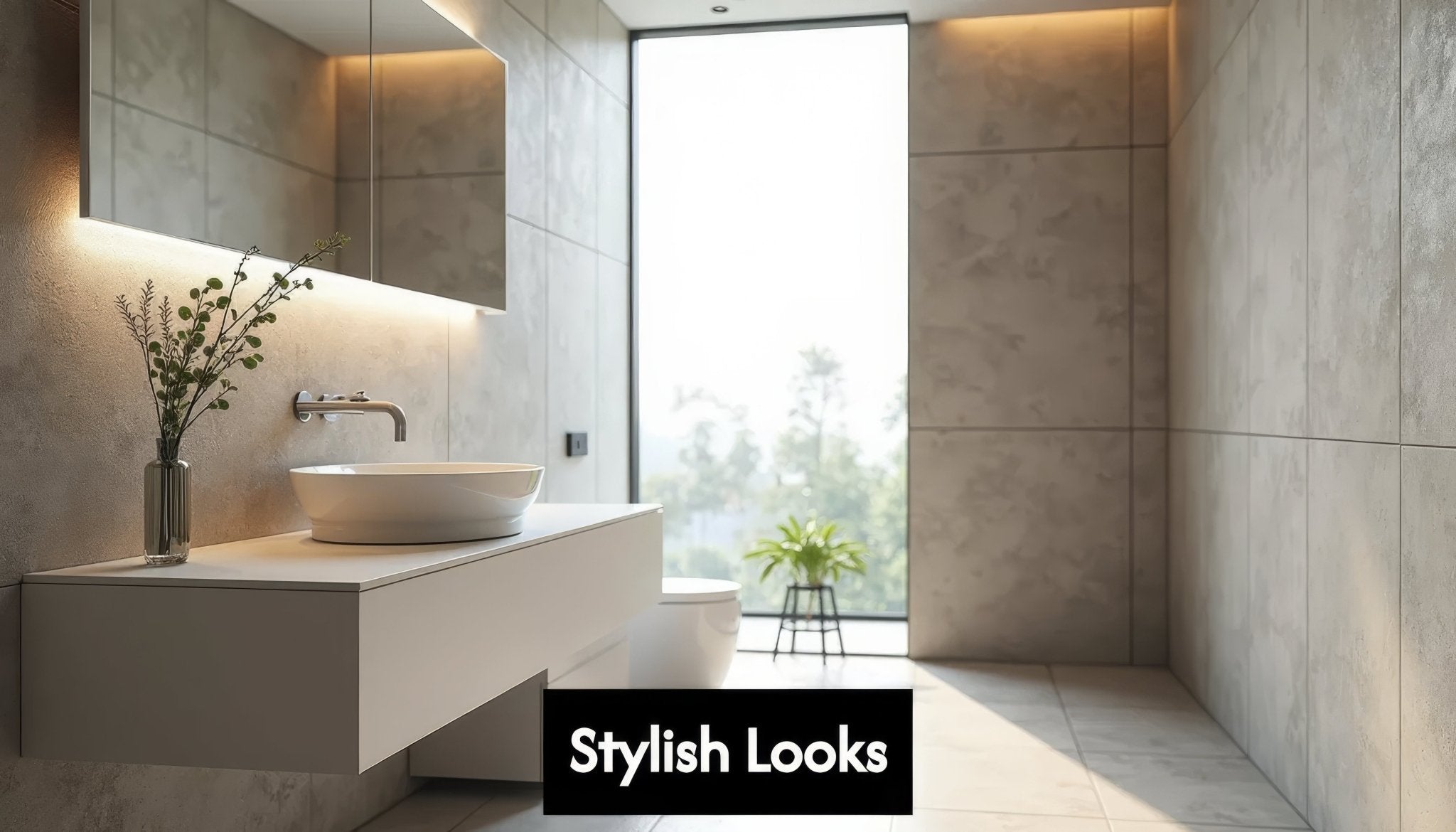
 Neutral tiles are rapidly becoming the cornerstone of contemporary interior design. They are expected to dominate with over 60 per cent of homeowners opting for a neutral palette by 2025. But here’s the surprise: contrary to the belief that they are mundane, neutral tiles can actually ignite a space’s personality. The unexpected twist is that when combined with diverse textures and strategic accents, they can transform any room into a stunning visual masterpiece.
Table of Contents
- Why Choose Neutral Tiles?
- Popular Neutral Tile Ideas
- Mixing Neutral Tile Colours & Textures
- Decorating With Neutral Tiles
Quick Summary
| Takeaway | Explanation |
|---|---|
| Versatile Design | Neutral tiles provide a sophisticated canvas that adapts to various design narratives, making them a long-term investment that complements changing furnishings and decor. |
| Long-Term Value | Neutral tiles are durable and aesthetically enduring, reducing maintenance costs and maintaining visual appeal, particularly in high-traffic areas. |
| Psychological Impact | Neutral colours promote a sense of calm and sophistication, enhancing the psychological atmosphere of a space and creating an inviting environment. |
| Textural Complexity | Incorporating different textures and finishes in neutral palettes adds visual interest and depth, transforming ordinary spaces into extraordinary ones. |
| Strategic Colour Placement | Using varying shades of neutral tiles strategically can enhance space perception and allow for personal expression through accents and decor. |
Why Choose Neutral Tiles?
Neutral tiles represent more than just a design choice - they’re a strategic approach to creating timeless, adaptable interior spaces. Homeowners, interior designers, and renovation professionals increasingly recognise the transformative power of designing with neutral tiles, appreciating their ability to provide both aesthetic elegance and practical functionality.
Versatility in Design
The true strength of neutral tiles lies in their remarkable versatility. Unlike bold or trendy colour selections that quickly become dated, neutral tones create a sophisticated canvas that effortlessly accommodates changing design preferences. Whether you’re pursuing a minimalist Scandinavian aesthetic or a warm, traditional British interior, neutral tiles serve as a foundational element that can adapt to various design narratives.
Research from Design Trends Institute highlights that neutral tile shades such as beige, grey, and off-white are preferred because they provide a calming, balanced backdrop. This flexibility allows homeowners to modify furnishings and decor without requiring extensive renovations, making neutral tiles a financially prudent design choice.
Long-Term Value and Durability
Beyond aesthetic considerations, neutral tiles offer substantial long-term value. Market Research UK confirms that neutral tiles dominate the UK market due to their enduring appeal and practical benefits. Natural stone tiles like travertine, with their subtle neutral tones, are particularly prized for their durability and aesthetic longevity.
Consider the practical advantages: neutral tiles can withstand high-traffic areas, resist aesthetic fatigue, and maintain their visual appeal years after installation. This durability translates into reduced maintenance costs and a consistently attractive interior environment. For property owners, this means an investment that continues to deliver value well beyond the initial installation.
Psychological and Spatial Impact
Neutral tiles do more than just cover surfaces - they fundamentally influence a space’s psychological atmosphere. Soft, muted tones create a sense of calm and expansiveness, making rooms feel larger and more serene. By choosing neutral tiles, you’re not merely selecting a colour scheme; you’re crafting an environment that promotes relaxation and sophisticated simplicity.
The Colour Psychology Association notes that neutral colours trigger feelings of stability and tranquillity. In home design, this translates to spaces that feel simultaneously elegant and comfortable - a delicate balance that neutral tiles achieve with remarkable consistency.
When designing with neutral tiles, consider them as more than just a surface covering. They are a strategic design element that offers unparalleled flexibility, durability, and aesthetic sophistication. By understanding their potential, you can transform any interior into a timeless, adaptable space that reflects both contemporary design principles and personal style.
Popular Neutral Tile Ideas
Designing with neutral tiles offers an expansive palette of creative possibilities that extend far beyond traditional design conventions. Contemporary interior design celebrates neutral tiles as a sophisticated design language, enabling homeowners and designers to craft spaces that are both elegant and deeply personalised.
Texture and Dimension in Neutral Palettes
Neutral tiles are no longer about simple monochromatic surfaces. Modern design embraces complex textures and subtle variations that transform neutral spaces from mundane to extraordinary. UK Interior Design Association reports that textured neutral tiles - such as stone-look porcelain, brushed limestone, and honed marble - are becoming increasingly popular for creating depth and visual interest.
Consider architectural techniques like layering different neutral tones and textures. A bathroom might combine soft travertine floor tiles with slightly darker limestone wall cladding, creating a sophisticated interplay of neutral shades. This approach allows designers to introduce complexity without compromising the calming essence of neutral colour schemes.
Strategic Tile Placement and Scale
According to Contemporary Design Trends, selecting tile sizes and proportions is crucial when working with neutral palettes. Large-format neutral tiles can make spaces feel more expansive, while smaller mosaic tiles can add intricate visual detail. The trend of “tile drenching” - covering entire rooms in coordinated neutral tiles - is gaining significant traction in UK interior design.
For instance, a kitchen might feature large 60x120cm porcelain tiles in a soft greige tone, creating a seamless, contemporary look. Alternatively, a bathroom could incorporate herringbone-laid neutral ceramic tiles, adding geometric interest while maintaining a cohesive neutral aesthetic. These strategic placement techniques transform neutral tiles from mere surface coverings into sophisticated design statements.
Innovative Neutral Tile Combinations
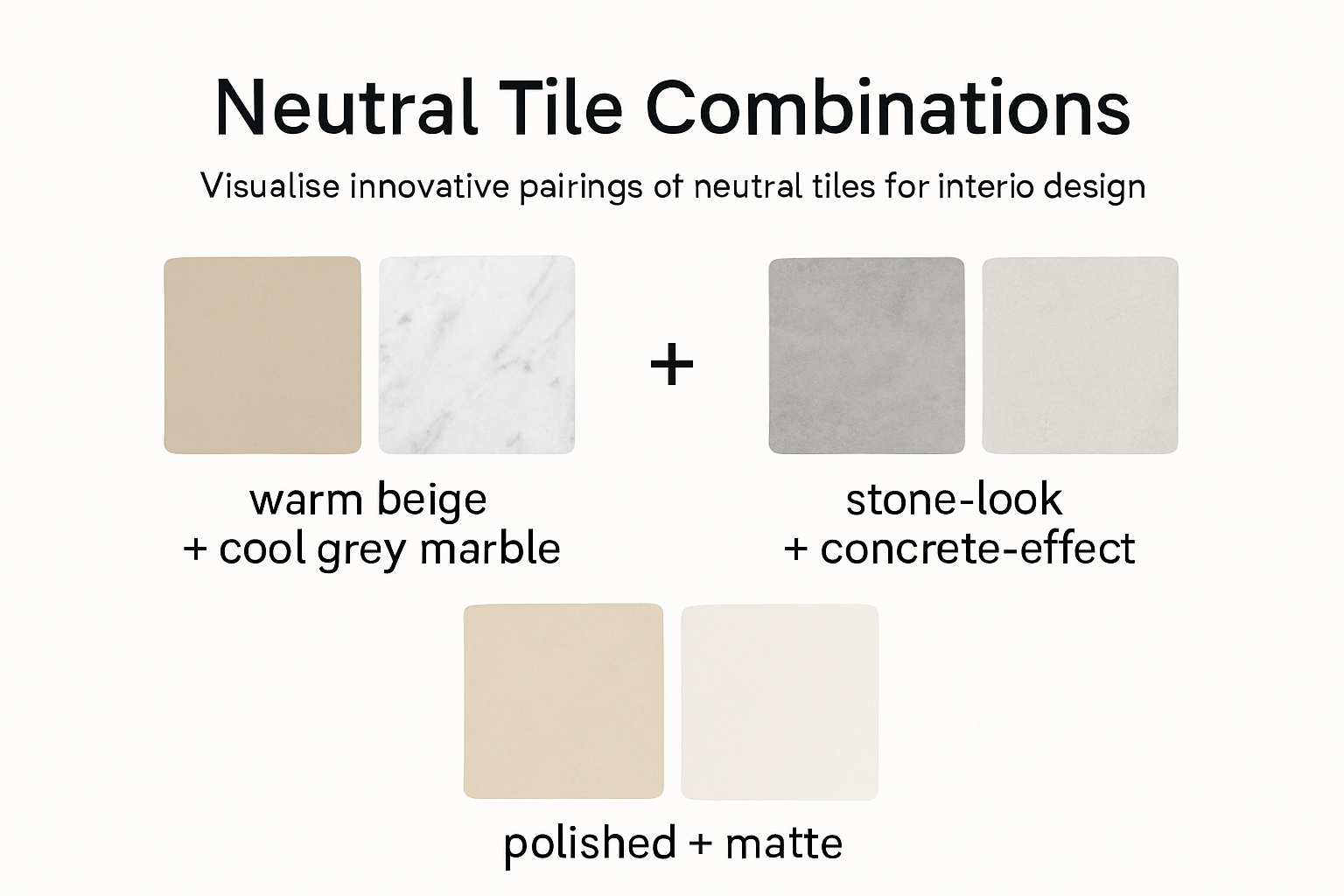
The most compelling neutral tile designs emerge from thoughtful combinations and unexpected pairings. Design Innovation Institute suggests exploring complementary neutral tones and materials to create rich, nuanced interiors. Mixing different neutral tiles - such as combining cool grey marble with warm beige limestone - can produce remarkably dynamic spaces.
Consider combining different tile finishes within the same neutral colour family. A feature wall might blend polished and matte neutral tiles, creating subtle visual contrast. Or explore mixing natural stone-look tiles with concrete-effect porcelain, achieving a sophisticated, contemporary aesthetic that feels both timeless and modern.  When designing with neutral tiles, remember that neutrality doesn’t mean monotony. By embracing texture, scale, and thoughtful combinations, you can create spaces that are simultaneously calm and captivating. Neutral tiles offer a design canvas limited only by imagination, enabling endless possibilities for personal expression and sophisticated interior design.
Mixing Neutral Tile Colours & Textures
Mastering the art of mixing neutral tile colours and textures transforms interior spaces from ordinary to extraordinary. Far from being monotonous, neutral palettes offer a sophisticated playground for creative expression, allowing designers and homeowners to craft nuanced, visually compelling environments.
Understanding Colour Harmony
Successful neutral tile design begins with a sophisticated understanding of colour relationships. University College London’s Design Research Centre emphasises that neutral tones are not uniform but exist in a complex spectrum of undertones and subtle variations. Warm neutrals like soft beige and mushroom tones interact differently with cool neutral shades such as dove grey and soft taupe, creating intricate visual dialogues.
Consider creating a deliberate colour progression within your neutral palette. A kitchen might transition from warmer sand-toned floor tiles to cooler grey wall tiles, establishing a sophisticated chromatic journey that feels intentional and harmonious. This approach allows for visual depth without introducing jarring colour contrasts.
Texture as a Design Language
Texture becomes the critical element that elevates neutral tile design from flat to phenomenal. Architectural Surfaces Institute reveals that incorporating varied surface treatments can dramatically transform a neutral palette. Imagine combining smooth limestone-effect porcelain tiles with rugged travertine-textured tiles, creating a tactile landscape that invites both visual and physical exploration.
Strategic texture mixing allows designers to introduce complexity without overwhelming a space. A bathroom might feature polished marble-look tiles on walls, complemented by a matte, stone-textured floor tile. This subtle variation creates visual interest while maintaining a cohesive neutral aesthetic. The interplay of light across different surface treatments becomes a design feature in itself.
Layering and Composition Techniques
Advanced neutral tile design embraces layering as a sophisticated compositional strategy. Contemporary Design Quarterly suggests approaching tile selection like an artist approaches a canvas - considering how different elements will interact and complement each other.
Consider geometric variations as another layering technique. Herringbone-laid neutral tiles in one area can contrast with traditionally laid tiles in another, creating subtle visual rhythm. Large-format tiles in a soft greige can serve as a backdrop for smaller, intricately textured neutral mosaic features. These compositional strategies transform neutral tiles from simple surface coverings into dynamic design elements.
Designing with neutral tiles is an exercise in nuance and restraint. By understanding colour undertones, embracing textural complexity, and employing sophisticated layering techniques, you can create spaces that feel simultaneously calm and captivating. Neutral tiles offer an elegant design language that speaks volumes through subtlety, inviting continuous visual exploration and appreciation.
Decorating with Neutral Tiles
Decorating with neutral tiles transcends basic design principles, offering a sophisticated approach to creating versatile, timeless interiors. These understated design elements provide a refined canvas that adapts seamlessly to evolving aesthetic preferences while maintaining a sense of elegance and cohesion.
Strategic Colour Placement and Accents
Low Carbon Buildings Design Analysis reveals that contemporary neutral tile palettes extend far beyond traditional whites and greys. Designers now embrace a nuanced spectrum of warm beiges, soft mushroom tones, and sophisticated taupe, creating depth and complexity in interior spaces.
The art of decorating with neutral tiles involves strategic colour placement. Consider using lighter neutral tiles in smaller spaces to create an illusion of expansiveness, while deeper neutral tones can anchor larger rooms. A kitchen might feature soft greige tiles as a backdrop, allowing colourful kitchenware or artwork to become focal points. This approach enables flexibility in design, allowing personal style to evolve without requiring complete renovation.
Textural Narratives and Material Inspiration
Modern neutral tile design draws significant inspiration from natural landscapes. Druston UK Tile Trends Report highlights a growing preference for tiles that capture the essence of organic materials - think earthy terracottas, muted greens, and subtle grey-blues that connect interior spaces with natural environments.
Technological advancements have revolutionised tile manufacturing, enabling unprecedented levels of detail and authenticity. Digital printing techniques now allow neutral tiles to mimic materials like weathered wood, raw concrete, and intricate stone with remarkable precision. A bathroom featuring tiles that replicate soft limestone can create a spa-like atmosphere, blending sophisticated design with natural tranquillity.
Layering and Contextual Design
Successful neutral tile decoration is about creating a holistic design narrative. Interior Design Institute recommends layering different neutral tones and textures to add visual complexity. This might involve combining matte and glossy finishes, or mixing tiles with varying scale and geometric patterns.
Consider how lighting interacts with neutral tiles. Soft, diffused lighting can enhance the subtle variations in neutral tile colours, creating a dynamic visual experience. A hallway with large-format neutral tiles and strategic lighting can transform a mundane passage into an elegant transitional space.
Decorating with neutral tiles is an exercise in sophisticated restraint. By understanding colour nuances, embracing textural diversity, and creating intentional design layers, you can craft interiors that feel simultaneously calm and deeply engaging. Neutral tiles offer more than surface coverage - they provide a canvas for personal expression, adaptable to changing tastes while maintaining timeless elegance.
Frequently Asked Questions
What are the benefits of using neutral tiles in interior design?
Neutral tiles offer versatility, long-term value, and durability, making them ideal for various design styles. They also create a calming atmosphere and can seamlessly adapt to evolving decor trends.
How can I mix different neutral tile colours and textures effectively?
Start by understanding colour harmony and explore the spectrum of neutral tones. Layer different textures and finishes to introduce depth and interest while maintaining a cohesive aesthetic.
What are some popular design ideas for using neutral tiles?
Consider incorporating textured neutral tiles for added dimension or experimenting with strategic tile placement and scale. Pairing different neutral tones, like warm beige with cool grey, can create dynamic and inviting spaces.
How do neutral tiles impact the psychological atmosphere of a room?
Neutral tiles promote a sense of calm and sophistication, making spaces feel more expansive and inviting. The right neutral tones can enhance comfort while maintaining an elegant appearance.
Transform Your Space with Neutral Tiles from Hyperion
When it comes to designing with neutral tiles, we understand that homeowners seek versatility and long-lasting elegance for their interiors. As highlighted in the article, these tiles not only provide a sophisticated canvas but also promote a calming atmosphere that enhances any environment. Unfortunately, finding the right neutral tile that matches your vision can be overwhelming amidst the myriad of options available.
At Hyperion Tiles, we simplify this process for you! Our extensive range of floor and wall tiles, curated especially for kitchens and bathrooms, offers an array of textures and tones that align perfectly with your design aspirations. From textured travertine to elegant modern ceramic, each tile is crafted to elevate your space. Plus, enjoy the benefits of competitive pricing, price matching, and free shipping on orders over a certain value. Don’t wait to create your dream interior! Visit Hyperion Tiles today and discover the neutral tiles that will define your home with sophistication and style.
Share:
40 Dream Bathroom Renovation Ideas for 2025