


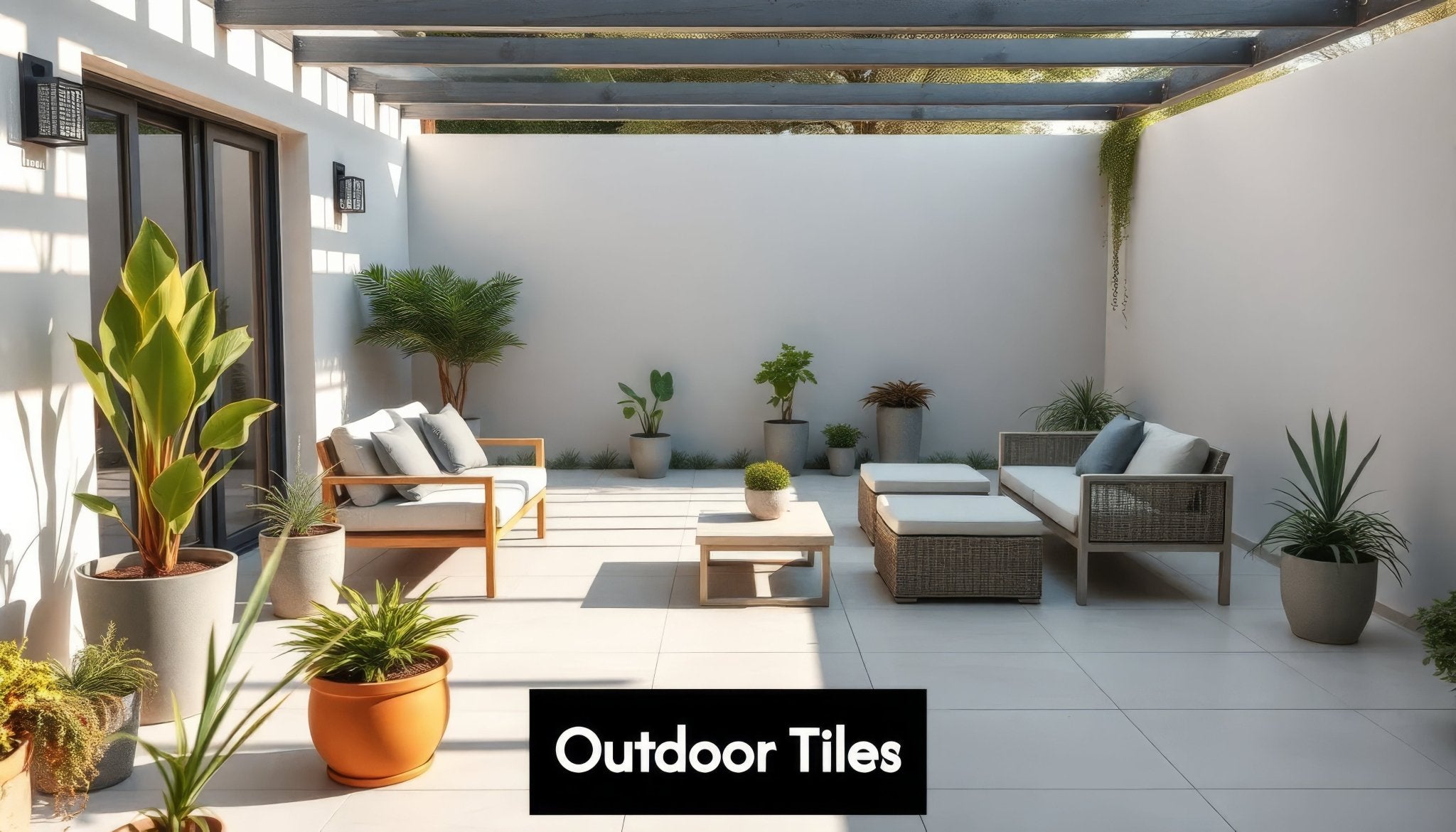
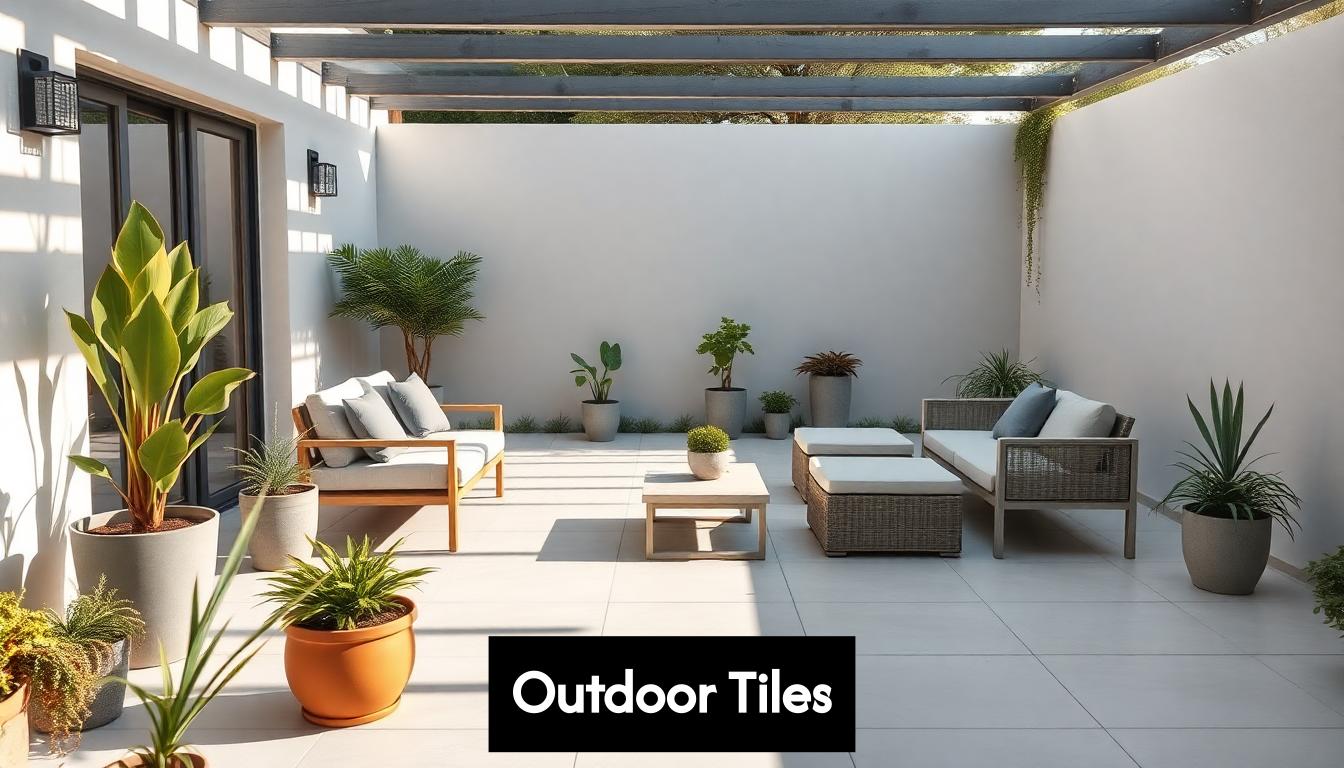
Using tiles for outdoor spaces can transform your garden or patio into a stunning retreat. Over 60% of the UK ceramic tile market is dominated by porcelain tiles due to their exceptional durability and performance. But here’s the catch: not all outdoor tiles are created equal. Many homeowners unknowingly select materials that succumb to wear and tear far too quickly. The surprising truth is that with the right choices, you can enjoy a beautiful and functional outdoor area that stands the test of time.
Table of Contents
- Choosing Ideal Tile Materials
- Outdoor Space Design Ideas
- Installation And Maintenance Tips
- Tile Durability And Performance
Quick Summary
| Takeaway | Explanation |
|---|---|
| Choose Porcelain for Durability | Porcelain tiles are ideal for UK outdoor spaces due to their frost resistance, low water absorption, and long lifespan, typically lasting 20+ years with minimal maintenance. |
| Consider Specific Tile Ratings | Use PEI Class 4 or Class 5 tiles for outdoor areas to ensure they can withstand heavy traffic and environmental exposure, while also focusing on low water absorption ratings for frost resistance. |
| Embrace Sustainable Practices | Incorporate tiles made from recycled materials or designed using sustainable production methods, and consider local sourcing to reduce your carbon footprint in outdoor tile projects. |
| Professional Installation is Critical | Opt for professional installation to ensure proper substrate preparation and drainage, which are essential for avoiding costly future issues with your outdoor tiling. |
| Daily and Seasonal Maintenance is Essential | Maintain your outdoor tiles with daily sweeping and regular seasonal inspections to prevent damage and preserve aesthetics, focusing on specific tasks for each season. |
Choosing Ideal Tile Materials
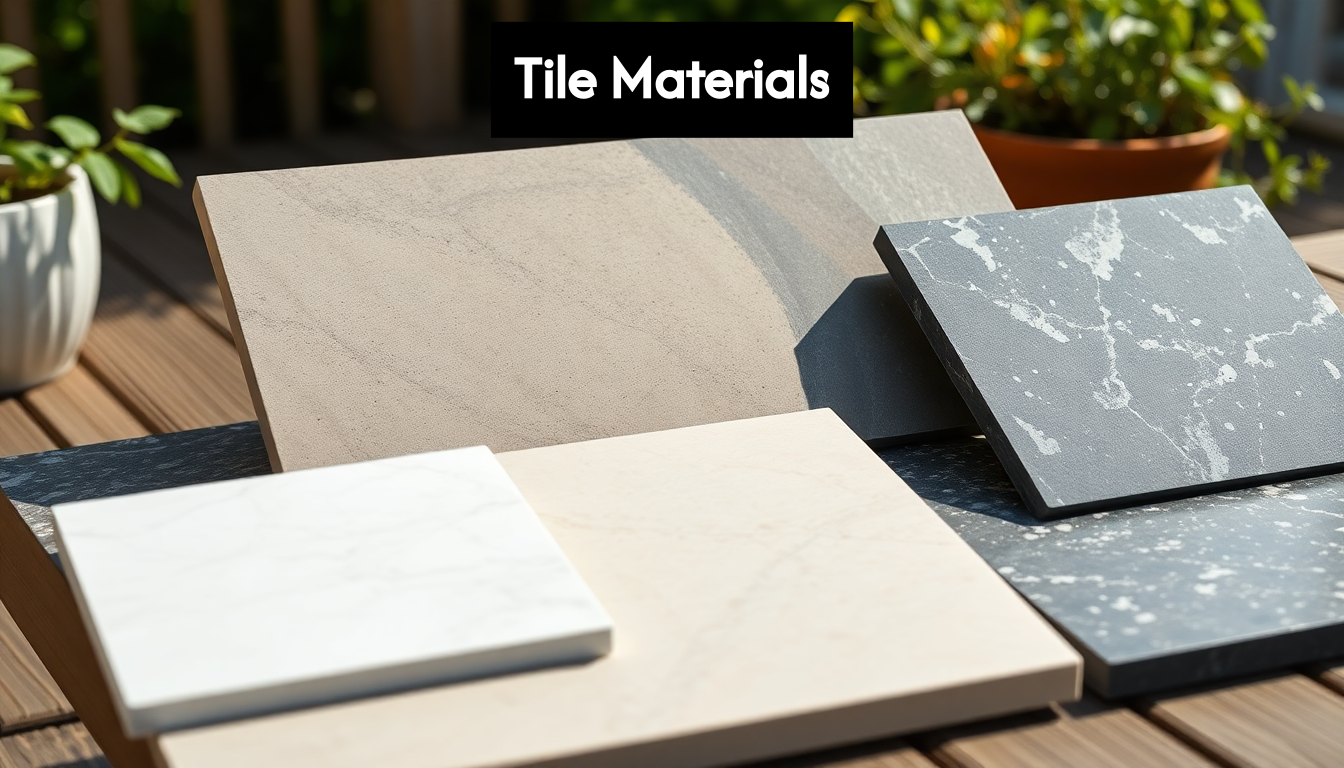
Selecting the right materials when using tiles for outdoor spaces significantly impacts durability, aesthetics, and maintenance requirements. With numerous options available, understanding the properties of different tile materials helps ensure your outdoor area withstands the UK’s varying weather conditions while maintaining its visual appeal.
Porcelain: The All-Weather Champion
Porcelain tiles stand out as the premier choice for British outdoor spaces. Their exceptional durability comes from being fired at extremely high temperatures, creating a dense, non-porous material that resists moisture absorption. This quality makes porcelain particularly valuable in the UK climate, where freeze-thaw cycles can crack lesser materials.
Porcelain offers remarkable advantages for exterior applications:
- Frost resistance (crucial for UK winters)
- Low water absorption rate (less than 0.5%)
- Exceptional stain resistance
- Colour-fast properties that won’t fade under UV exposure
According to Hyperion Tiles, porcelain tiles are highly favoured in the UK for outdoor applications due to their exceptional durability and low maintenance requirements. Their research shows porcelain consistently outperforms other materials in longevity tests, often lasting 20+ years with minimal maintenance.
Ceramic: Budget-Friendly Option
Ceramic tiles present a more economical alternative to porcelain. While similar in appearance, ceramic tiles are fired at lower temperatures, resulting in a more porous material. This means standard ceramic tiles aren’t suitable for all outdoor applications in the UK climate.
If considering ceramic for outdoor use:
- Select only tiles specifically rated for exterior applications
- Verify the slip resistance rating is appropriate for wet conditions
- Consider using ceramic in covered outdoor areas like verandas
- Apply regular sealant to improve weather resistance
Remember that while ceramic offers cost savings upfront, the maintenance requirements and shorter lifespan may offset these savings over time in fully exposed areas.
Natural Stone: Timeless Appeal
Natural stone tiles bring distinctive character to outdoor spaces. Each variety offers unique properties:
Slate provides excellent slip resistance and durability, making it ideal for pool surrounds and rainy areas. Its natural texture and varied colouration create visual interest that manufactured tiles can’t replicate.
Limestone delivers a warm, elegant appearance that weathers beautifully over time. However, it requires regular sealing to prevent staining and erosion in the UK climate.
Granite represents perhaps the most durable natural stone option, standing up to harsh weather conditions with minimal maintenance. Its natural flecking and colour variations add sophisticated visual interest.
Stone Superstore notes that traditional materials like cobblestones and tumbled stone paving are ideal for creating authentic, sustainable outdoor spaces that complement the growing trend of natural garden aesthetics.
Concrete and Terrazzo: Modern Alternatives
Concrete tiles offer contemporary aesthetics with industrial appeal. Modern manufacturing techniques have transformed concrete into a versatile outdoor material available in numerous colours, textures, and patterns. Terrazzo, with its distinctive flecked appearance, brings artistic flair to outdoor spaces while maintaining durability.
Size Considerations
Beyond material selection, tile size significantly impacts both installation and the final appearance of your outdoor space. According to Data Insights Market, large-format tiles are growing in popularity for outdoor spaces as they create a seamless look, are easier to install, and require less maintenance than smaller tiles. With fewer grout lines, large-format tiles reduce potential weak points where water can penetrate and weeds can grow.
When choosing your ideal outdoor tile material, always consider:
- The specific UK climate conditions in your region
- Expected foot traffic and usage patterns
- Desired maintenance level
- Integration with your overall landscape design
- Long-term cost implications including installation and maintenance
The right material choice balances practical requirements with aesthetic preferences, ensuring your outdoor tiled space remains beautiful and functional for years to come.
Outdoor Space Design Ideas
Transforming your outdoor area with tiles opens up a world of creative possibilities. Whether you’re working with a compact urban balcony or an expansive garden, using tiles for outdoor spaces can dramatically elevate both functionality and visual appeal. Let’s explore some inspiring design concepts that blend aesthetics with practicality.
Creating Zones with Tile Variations
One of the most effective ways to define different areas within your outdoor space is through thoughtful tile selection and arrangement. Consider how you use your space and plan accordingly.
For dining areas, create a designated “outdoor room” using a distinct tile pattern or colour that visually separates it from surrounding spaces. A rectangular arrangement of tiles can frame your dining set beautifully, establishing a dedicated entertaining zone.
Relaxation areas benefit from warmer-toned tiles that create a cosy, inviting atmosphere. Consider larger format tiles in these spaces to minimize grout lines and create a more seamless, restful visual effect.
Transitional pathways can guide movement through your garden using narrower tile arrangements. These paths can connect different zones while adding structure and flow to the overall design.
Playing with Patterns and Layouts
The arrangement of your outdoor tiles significantly impacts the perception of your space:
Herringbone patterns add visual interest and can make areas appear larger and more dynamic. This classic layout works beautifully with rectangular tiles and creates a sense of movement that draws the eye through the space.
Basket weave configurations offer a traditional, structured appearance that complements period properties particularly well. This pattern creates a sense of order and symmetry ideal for formal garden designs.
Random layouts using varying tile sizes can create a more relaxed, organic feel perfect for naturalistic garden settings. This approach works especially well with natural stone tiles.
According to Hyperion Tiles, for optimal aesthetic results in outdoor tiling, especially with natural stone tiles featuring unique veining, experts recommend a “dry laying” process. This involves carefully planning and adjusting arrangements, ensuring harmonious flow and balanced perimeter cuts before permanent installation. This extra step can dramatically improve the final appearance of your tiled outdoor space.
Embracing Colour and Texture
While neutral tones offer timeless appeal, don’t shy away from using colour strategically in your outdoor tile design. A bold tile accent wall can create a stunning focal point against which plants and furniture can be showcased.
Minoli notes that bolder, radiant colours and patterns inspired by rare marbles and gemstones are trending in outdoor tile designs for 2025. These vibrant options offer homeowners and designers a way to create unique, expressive outdoor spaces through coordinated tile combinations. Consider how these statement tiles might feature in your design – perhaps as decorative inserts within a more neutral field or as dramatic borders.
Texture also plays a crucial role in outdoor tile design, adding dimension and visual interest. Textured tiles not only provide practical slip resistance but also create captivating shadow play as sunlight moves across your space throughout the day.
Sustainable Design Approaches
Environmentally conscious design is increasingly important in outdoor spaces. According to H.E. Smith, sustainability is becoming central to outdoor space design in the UK for 2025, with a strong trend toward using tiles made from recycled and sustainable materials to reduce environmental impact.
Consider incorporating these sustainable approaches:
- Select tiles manufactured using recycled materials or sustainable production methods
- Choose locally sourced materials to reduce transportation carbon footprint
- Design rainwater runoff systems that direct water to planted areas
- Select light-coloured tiles in urban settings to reduce heat island effect
Blending Indoor and Outdoor Spaces
Create a seamless transition between interior and exterior areas by extending the same tile from inside to outside your home. This design approach visually expands your living space and creates a harmonious flow.
For maximum impact, maintain consistent level thresholds between indoor and outdoor spaces. Modern thin porcelain tiles make this increasingly achievable, allowing for minimal height differences between interior and exterior flooring.
Large sliding or bi-fold doors paired with continuous tiling create the ultimate indoor-outdoor living experience, particularly effective for entertaining spaces that need to function flexibly throughout changing seasons.
When implementing these design ideas, remember to consider your specific climate conditions, maintenance preferences, and how the space will be used throughout the year. The most successful outdoor tile designs balance bold aesthetic choices with practical considerations, creating spaces that are both beautiful and functional for years to come.
Installation and Maintenance Tips
Proper installation and consistent maintenance are crucial when using tiles for outdoor spaces. Even the highest quality materials can fail prematurely if incorrectly installed or neglected. Let’s examine the essential practices that ensure your outdoor tiled areas remain beautiful and functional for years to come.
Professional Installation Fundamentals
While DIY installation might seem tempting, outdoor tile projects often require professional expertise due to the critical importance of proper substrate preparation and drainage considerations. Professionals understand the specific requirements for different outdoor environments and can prevent costly future problems.
The foundation of any successful outdoor tile installation begins with proper substrate preparation. This typically involves:
- Removing all existing vegetation and debris from the area
- Creating a stable base layer using compacted crushed stone or aggregate
- Installing a reinforced concrete slab with appropriate slope for drainage
- Applying a waterproofing membrane to prevent moisture problems
According to CTD Tiles, for 20mm outdoor porcelain tiles, proper installation methods include using a compacted stone sub-base, bedding mortar, slurry primer, and external grout to ensure durability and longevity in outdoor settings. This multi-layer approach creates a stable foundation that can withstand environmental stresses and prevents tiles from cracking or becoming loose over time.
Drainage Considerations
Effective drainage represents one of the most critical aspects of outdoor tile installation in the UK climate. Without proper water management, freeze-thaw cycles can cause significant damage through tile cracking, grout deterioration, and substrate failure.
To ensure proper drainage:
- Create a minimum 1-2% slope away from buildings and structures
- Install appropriate drainage channels at the edges of tiled areas
- Select a drainage-compatible substrate system
- Consider permeable grout options in areas with heavy rainfall
For larger areas, a professional installer will likely incorporate expansion joints every 4-5 metres. These joints allow for natural material expansion and contraction during temperature fluctuations, preventing cracks and maintaining the integrity of your tiled surface.
Grout Selection and Application
The grout used in outdoor applications requires special consideration. Standard interior grouts typically lack the water resistance and flexibility needed for external use. Instead, opt for:
- Epoxy-based grouts for maximum durability and stain resistance
- Polymer-modified cementitious grouts with enhanced flexibility
- Specialist external grouts designed to withstand freeze-thaw cycles
Proper grout application includes maintaining consistent joint width and depth, complete filling of joints, and thorough cleaning of excess material before it hardens. Remember that wider grout lines (8-10mm) are generally recommended for outdoor tiles to accommodate natural movement.
Seasonal Maintenance Schedule
Outdoor tiled spaces require regular maintenance to preserve their appearance and functionality. Ceramics Smart recommends a seasonal inspection approach with specific focus in Spring and Autumn to check for cracking or damage in tiles and grout lines, with re-grouting or replacement as needed to prevent further issues.
A comprehensive maintenance schedule should include:
Spring Tasks:
- Thorough cleaning to remove winter debris and residue
- Inspection for frost damage or loose tiles
- Repair of any damaged grout or sealant
- Application of fresh sealant if required (for natural stone)
Summer Tasks:
- Regular sweeping to remove garden debris
- Spot cleaning of stains from outdoor activities
- Checking for weed growth between tiles
Autumn Tasks:
- Removal of fallen leaves to prevent staining
- Deep cleaning before winter months
- Checking for and clearing drainage channels
Winter Tasks:
- Careful snow removal using plastic shovels (avoid metal tools)
- Limited use of de-icing products (especially on natural stone)
- Covering furniture to prevent rust stains
Daily Maintenance Practices
Beyond seasonal care, Tiles Direct recommends daily maintenance of outdoor tiles that includes regular sweeping to remove dirt and debris, followed by cleaning with warm water to maintain their appearance and prevent damage over time.
For routine cleaning:
- Use a soft-bristled brush or broom to avoid scratching tile surfaces
- Clean spills promptly to prevent staining, especially on natural stone
- Wash with plain water or a pH-neutral cleaner specifically formulated for your tile type
- Avoid harsh chemicals, particularly acid-based cleaners, which can damage grout and natural stone
Addressing Common Problems
Even with proper installation and maintenance, issues may occasionally arise. Being prepared to address them quickly can prevent more serious damage:
- For efflorescence (white mineral deposits): Clean with a specialist efflorescence remover and ensure better drainage
- For mould or algae growth: Use an appropriate outdoor tile cleaner containing a biocide and improve ventilation
- For loose tiles: Remove and reinstall with fresh adhesive and grout before the problem spreads
- For cracked tiles: Replace damaged tiles promptly to prevent moisture penetration to the substrate
By following these installation and maintenance guidelines, you’ll maximize the lifespan of your outdoor tiled spaces while keeping them looking their best throughout the changing seasons. Remember that prevention through proper installation and consistent maintenance is always less costly and time-consuming than major repairs or replacement.
Tile Durability and Performance
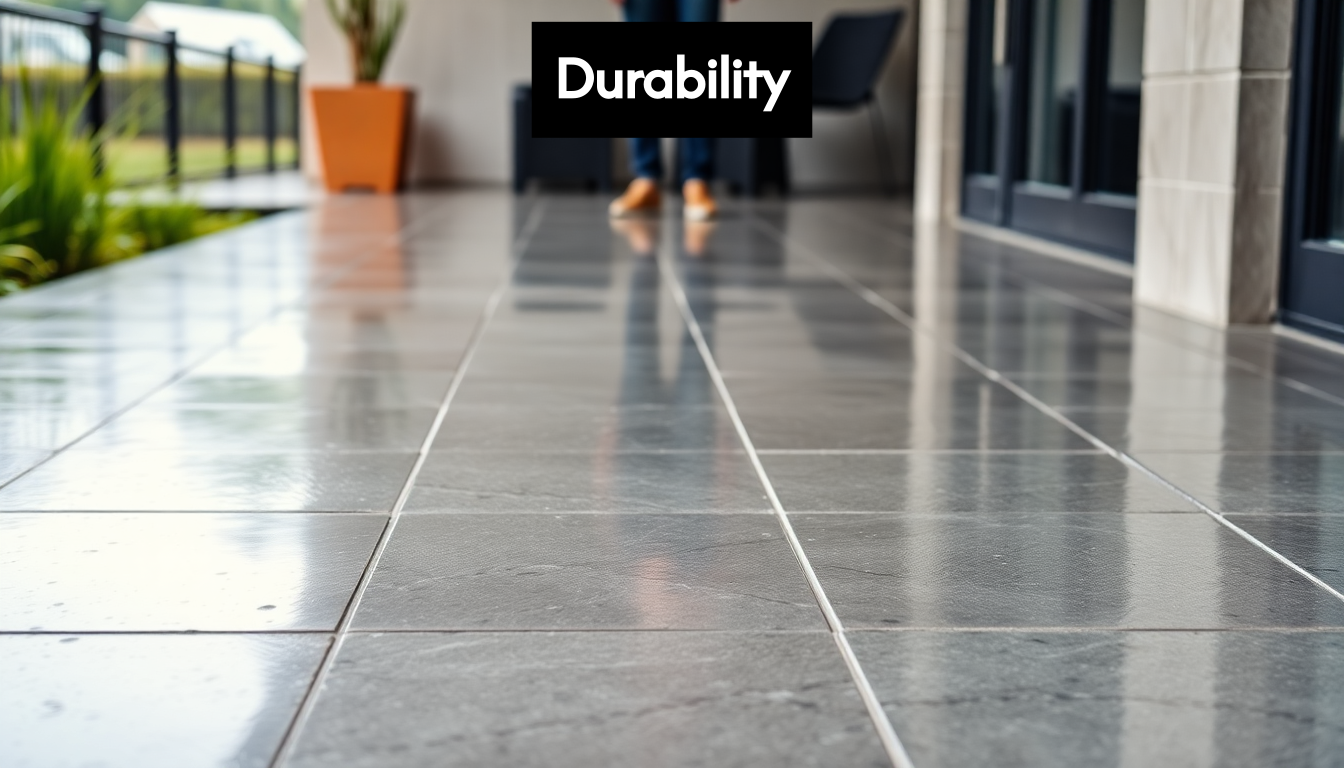
When using tiles for outdoor spaces, understanding durability factors and performance characteristics is essential for making informed decisions. Outdoor tiles face significantly harsher conditions than their indoor counterparts, including extreme temperature variations, constant UV exposure, frost cycles, and heavy moisture. Let’s examine the key factors that determine how well different tiles withstand these challenges.
Understanding Durability Ratings
Tile durability isn’t simply a matter of personal judgment or price point. Standardized rating systems help quantify how tiles perform under different conditions.
The PEI (Porcelain Enamel Institute) rating system stands as one of the most important metrics when selecting outdoor tiles. According to Hyperion Tiles, Class 4 and Class 5 tiles are specifically recommended for exterior spaces due to their ability to withstand heavy traffic, environmental exposure, and temperature fluctuations. Class 4 suits most residential outdoor applications, while Class 5 provides maximum durability for commercial or high-traffic residential areas.
Water absorption ratings also directly impact outdoor performance:
- Impervious tiles (absorption <0.5%): Ideal for all outdoor applications
- Vitreous tiles (0.5-3% absorption): Suitable for covered outdoor areas in milder climates
- Semi-vitreous tiles (3-7% absorption): Generally unsuitable for outdoor use in the UK
- Non-vitreous tiles (>7% absorption): Not recommended for outdoor applications
These absorption rates directly correlate with frost resistance, making them crucial considerations for the British climate.
Market Trends in Durability
According to a 2025 analysis from Data Insights Market, porcelain tiles account for over 60% of the UK ceramic tile market due to their superior durability, making them an excellent choice for outdoor applications. This market dominance reflects both professional and consumer recognition of porcelain’s exceptional performance characteristics for challenging environments.
The shift toward porcelain in the UK market also reflects growing awareness of total lifecycle costs rather than just initial purchase price. While porcelain typically costs more upfront than ceramic alternatives, its longer lifespan and reduced maintenance requirements often result in better long-term value.
Weather Resistance Factors
The UK’s variable climate presents particular challenges for outdoor tiling, with frequent rain, occasional freezing temperatures, and seasonal temperature fluctuations all affecting tile performance.
Frost resistance becomes particularly important in this context. Tiles with higher water absorption rates can absorb moisture that expands when frozen, leading to cracking, spalling, and premature failure. This makes dense, non-porous tiles like porcelain the standard for most UK outdoor applications.
UV resistance represents another critical factor. Constant sun exposure can cause fading in many materials, but high-quality porcelain and certain natural stones maintain their colour integrity for decades even under direct sunlight.
Slip Resistance Considerations
Safety remains paramount for outdoor tiled surfaces, which are frequently exposed to rain, morning dew, or cleaning moisture. Slip resistance ratings help identify tiles suitable for these conditions:
- R9: Minimal slip resistance, unsuitable for outdoor use
- R10: Moderate slip resistance, suitable for covered outdoor areas
- R11-R13: High to very high slip resistance, ideal for exposed outdoor surfaces
Many manufacturers also provide wet dynamic coefficient of friction (DCOF) values, with ratings above 0.42 generally considered suitable for outdoor applications.
Textured finishes, including bush-hammered, flamed, or structured surfaces, provide additional traction in wet conditions without compromising aesthetic appeal.
Regulatory Considerations
As of January 2025, new NHBC regulations require all tiled wet areas (including outdoor spaces exposed to moisture) in new UK homes to be properly waterproofed, significantly impacting outdoor tile installation requirements, according to Hyperion Tiles. These regulations aim to prevent water damage to supporting structures and extend the lifespan of outdoor tiled installations.
These regulatory changes emphasize the importance of viewing your outdoor tile project holistically—considering not just the visible tile surface but the entire system including substrate preparation, waterproofing, appropriate adhesives, and suitable grout.
Impact Resistance
Outdoor tiles may need to withstand impacts from garden furniture, dropped tools, or heavy planters. Porcelain’s exceptional density makes it highly resistant to such impacts, while some natural stones like limestone may chip more easily. For areas where heavy objects might be dropped, consider thicker tiles (20mm) which provide enhanced impact resistance.
Stain Resistance
Outdoor tiles are exposed to a variety of potential staining agents including soil, plant matter, food spills during outdoor dining, and rust from metal furniture. Non-porous materials like porcelain offer superior stain resistance without requiring sealing, while natural stones typically need regular application of sealants to maintain their appearance.
By carefully considering these durability and performance factors when selecting tiles for your outdoor spaces, you’ll ensure your investment delivers both aesthetic appeal and practical functionality for many years to come.
Frequently Asked Questions
What are the best tiles for outdoor spaces in the UK?
Porcelain tiles are highly recommended for outdoor spaces in the UK due to their frost resistance, low water absorption, and exceptional durability, often lasting 20+ years with minimal maintenance.
How do I choose the right tile size for outdoor areas?
Large-format tiles are becoming increasingly popular for outdoor spaces as they create a seamless look, require less maintenance, and have fewer grout lines, reducing areas where water can penetrate.
What maintenance do outdoor tiles require?
Outdoor tiles need regular maintenance that includes daily sweeping, seasonal inspections for damage, and cleaning with mild, pH-neutral detergents to preserve their appearance and functionality.
Are natural stone tiles suitable for outdoor use?
Yes, natural stone tiles can be suitable for outdoor use, but they require specific care, including regular sealing to prevent staining and erosion, making materials like granite and slate great options for their durability.
Elevate Your Outdoor Spaces with Hyperion Tiles
Transform your outdoor areas into stunning retreats that withstand the UK’s unpredictable weather! As highlighted in our recent article, choosing the right tiles is crucial for ensuring durability, aesthetic appeal, and functional performance in your garden or patio. Don’t let the common misstep of selecting inferior materials mar your outdoor experience.

At Hyperion Tiles, we understand the importance of making informed decisions for your outdoor projects. Our extensive range of high-quality porcelain tiles boasts exceptional frost resistance, low water absorption, and stunning designs perfect for every style. Enjoy the peace of mind that comes with our price matching policy and free shipping on orders over a certain threshold, guaranteeing you get the best deal on your outdoor renovation.
Are you ready to elevate your outdoor living? Explore our curated collections now at Hyperion Tiles and create stunning spaces that not only look good but perform beautifully. The best time to act is now – don’t settle for less when you can achieve excellence in your outdoor areas!
Share:
How to choose swimming pool tiles for your garden