


 Tile maintenance is not just for aesthetics; it’s essential for protecting your investment. Regular daily cleaning can extend the lifespan of your tiles by up to 50%. But here’s the twist – many homeowners overlook the importance of grout, believing it to be merely decorative. The reality is that unprotected grout can lead to expensive repairs and structural issues, but with the right strategies and simple dedication, you can keep your tiles and grout in pristine condition. Discover how to transform your tile maintenance routine today.
Table of Contents
- Daily Cleaning Keeps Floors Sparkling
- Deep Cleaning Techniques Explained
- Protecting Your Grout Lines
- Dealing With Common Tile Problems
Quick Summary
| Takeaway | Explanation |
|---|---|
| Daily Cleaning is Essential | Implement a daily cleaning routine with sweeping, vacuuming, and spot cleaning to prevent dirt accumulation and extend tile lifespan by up to 50%. |
| Use the Right Cleaning Solutions | Choose pH-neutral cleaners and avoid harsh chemicals; test on inconspicuous areas first to prevent damage to tiles. |
| Protect Your Grout Lines | Apply professional-grade sealants annually and conduct regular inspections to prevent moisture penetration and structural issues. |
| Recognise Early Signs of Damage | Identify hairline cracks, discoloration, and loose tiles early to address potential structural problems before they escalate. |
| Schedule Professional Maintenance | Plan for deep cleaning every 6-12 months and promptly manage minor repairs to maintain tile and grout integrity. |
Daily Cleaning Keeps Floors Sparkling
Tile maintenance is more than an occasional chore - it’s a critical strategy for preserving your floor’s beauty and longevity. Daily cleaning prevents dirt accumulation, protects surface integrity, and ensures your tiles remain vibrant and pristine.
The Foundation of Effective Tile Maintenance
Consistent daily cleaning forms the cornerstone of tile preservation. Dust, grit, and microscopic particles act like sandpaper, gradually wearing down tile surfaces if left unchecked. According to Tile Council of North America, regular maintenance can extend tile life by up to 50% compared to neglected surfaces.
The primary goal of daily tile maintenance is simple: remove abrasive particles before they can scratch or damage your flooring. This means implementing a strategic cleaning routine that addresses different tile types and traffic patterns. For porcelain and ceramic tiles - which are particularly popular in UK homes - this approach is especially crucial.
Strategic Daily Cleaning Techniques
Effective tile maintenance requires a systematic approach. Begin with dry cleaning methods that capture loose debris without risking surface damage. Microfibre dust mops and soft-bristled brooms are ideal for daily sweeping, capturing dust and small particles efficiently.
Vacuuming with a soft floor attachment provides another excellent daily maintenance strategy. Ensure your vacuum has soft wheels and a setting designed for hard surfaces to prevent accidental scratching. Pay extra attention to high-traffic areas like entryways, kitchen floors, and hallways where dirt accumulates most rapidly.
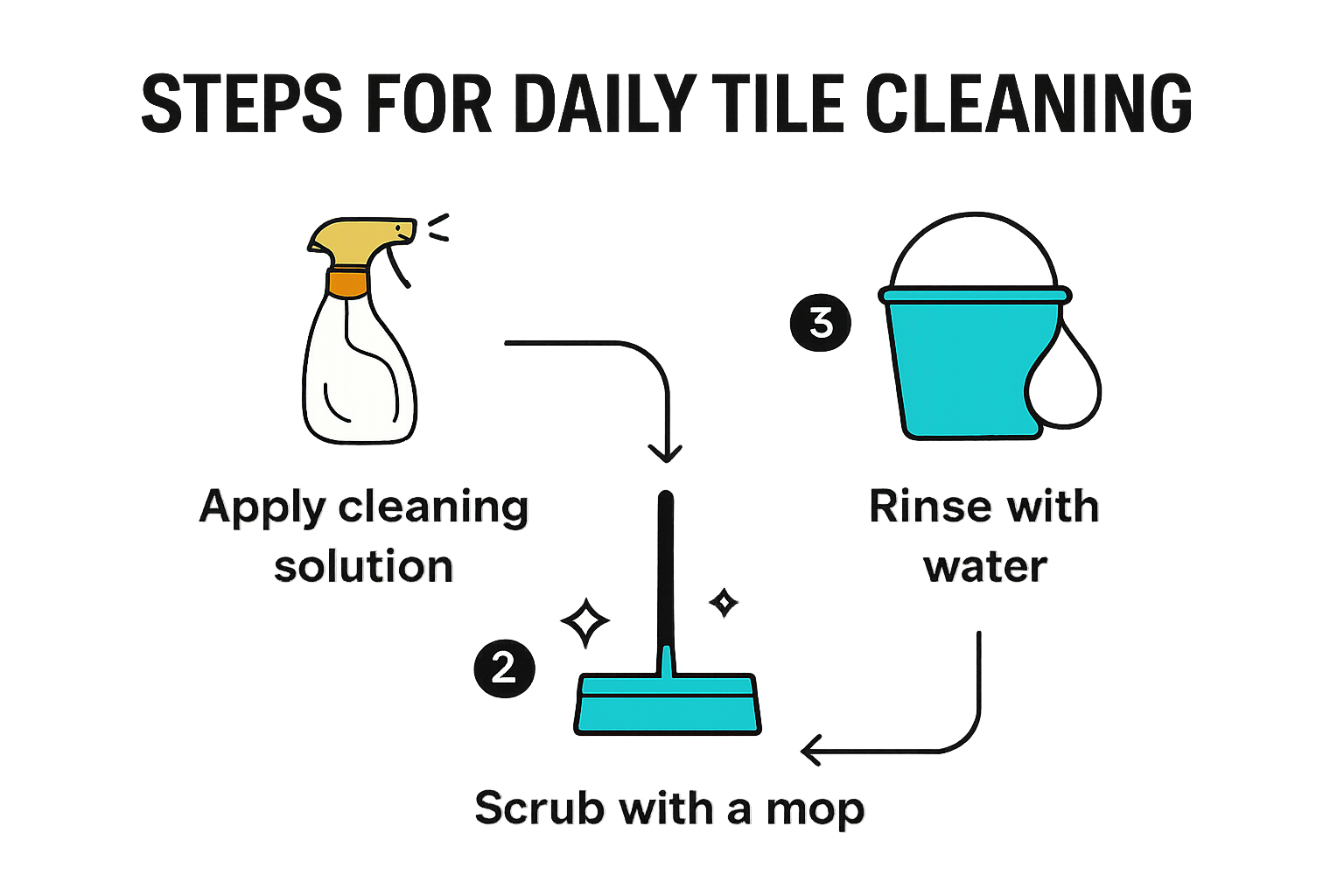
For optimal results, experts recommend a consistent cleaning sequence:
- Sweep or vacuum daily to remove loose dirt and debris
- Spot clean spills immediately to prevent staining
- Damp mop weekly using appropriate cleaning solutions
The British Ceramic Confederation emphasizes that proper daily maintenance goes beyond simple cleaning - it’s about protecting your investment. Regular attention prevents dirt embedment, reduces long-term wear, and maintains the aesthetic appeal of your tiles.
Moisture management is another critical aspect of daily tile care. While cleaning, avoid saturating tiles or grout lines. Use slightly damp microfibre mops or cloths that remove dirt without leaving excessive water behind. This approach prevents potential water damage and inhibits mould growth in grout lines.
Temperature and humidity also play significant roles in tile maintenance. In UK homes, where humidity can fluctuate, maintaining a consistent cleaning routine helps protect tiles from environmental stress. A quick daily wipe-down not only removes dirt but also allows you to inspect for any emerging maintenance needs.
Remember, tile maintenance isn’t about perfection - it’s about consistent, intelligent care. By dedicating just 10-15 minutes daily to proper cleaning techniques, you’ll significantly extend your tiles’ lifespan and maintain their original beauty.
The secret to sparkling tiles isn’t complicated expensive products - it’s commitment to regular, thoughtful maintenance.
Deep Cleaning Techniques Explained
Deep cleaning tiles goes beyond routine daily maintenance, requiring specialized techniques and careful consideration of tile materials. Understanding the nuanced approach to thorough tile cleaning can prevent damage while restoring your flooring’s original brilliance.
Selecting the Right Cleaning Solutions
Choosing appropriate cleaning products is crucial for effective deep cleaning. Not all tiles respond similarly to cleaning agents, and using incorrect solutions can cause permanent damage. Historic England recommends testing any cleaning method on a small, inconspicuous area first to ensure compatibility with your specific tile surface.
For ceramic and porcelain tiles, pH-neutral cleaners work best. Avoid acidic or highly alkaline solutions that can erode tile surfaces or grout. Professional tile restoration experts suggest creating a gentle cleaning solution using warm water and a small amount of mild dish soap, which effectively removes grime without risking surface integrity.
Professional-Grade Cleaning Techniques
Deep cleaning requires methodical approaches tailored to different tile types. The U.S. National Park Service recommends periodic gentle hand cleaning techniques that protect tile surfaces while thoroughly removing embedded dirt.
Key deep cleaning strategies include:
- Steam cleaning for sanitizing without harsh chemicals
- Gentle scrubbing using non-abrasive pads
- Targeted grout cleaning with specialized brushes
For stubborn stains, create a paste using baking soda and water. Apply gently with a soft-bristled brush, working in circular motions to lift dirt without scratching the surface. Rinse thoroughly with clean water to remove any residual cleaning solution.
Handling Special Tile Surfaces
Different tile materials demand unique deep cleaning approaches. Natural stone tiles like marble or travertine require extra caution. Avoid acidic cleaners that can etch delicate surfaces. Instead, use stone-specific cleaning products that maintain the material’s natural protective qualities.
Grout lines often require specialized attention during deep cleaning. Use a soft-bristled toothbrush or grout-specific cleaning tool to remove accumulated dirt without damaging the grout’s structural integrity. For particularly challenging stains, consider professional-grade grout cleaning solutions that penetrate deeply without causing discoloration.
Moisture management is critical during deep cleaning. Historic England warns against over-wetting tiles, which can lead to salt problems or tile loosening. Always use minimal water and dry surfaces completely after cleaning.
Professional tile restoration experts recommend deep cleaning every 6-12 months, depending on foot traffic and environmental conditions. This periodic intensive maintenance prevents long-term dirt accumulation and maintains your tiles’ original appearance.
Remember, successful deep cleaning is about precision, patience, and understanding your specific tile’s unique characteristics. The right technique can transform your tiles, restoring their original lustre and protecting your investment for years to come.
Protecting Your Grout Lines
Grout lines are the unsung heroes of tile installations, providing structural integrity and aesthetic cohesion. Often overlooked, these narrow spaces between tiles require dedicated maintenance to prevent deterioration, water damage, and aesthetic decline.
Understanding Grout Vulnerability
Grout represents the most vulnerable component in tile systems. Unlike ceramic or porcelain surfaces, grout is porous, susceptible to moisture penetration, staining, and bacterial growth. Tile Council of North America reports that improperly maintained grout can compromise entire tile installations, leading to potential structural issues and costly repairs.
Moisture represents the primary threat to grout integrity. Water can penetrate microscopic channels, causing expansion, contraction, and eventual breakdown. In high-humidity environments like bathrooms and kitchens, this risk increases exponentially. Professional tile experts recommend understanding your specific grout type - cement-based, epoxy, or acrylic - to develop targeted protection strategies. 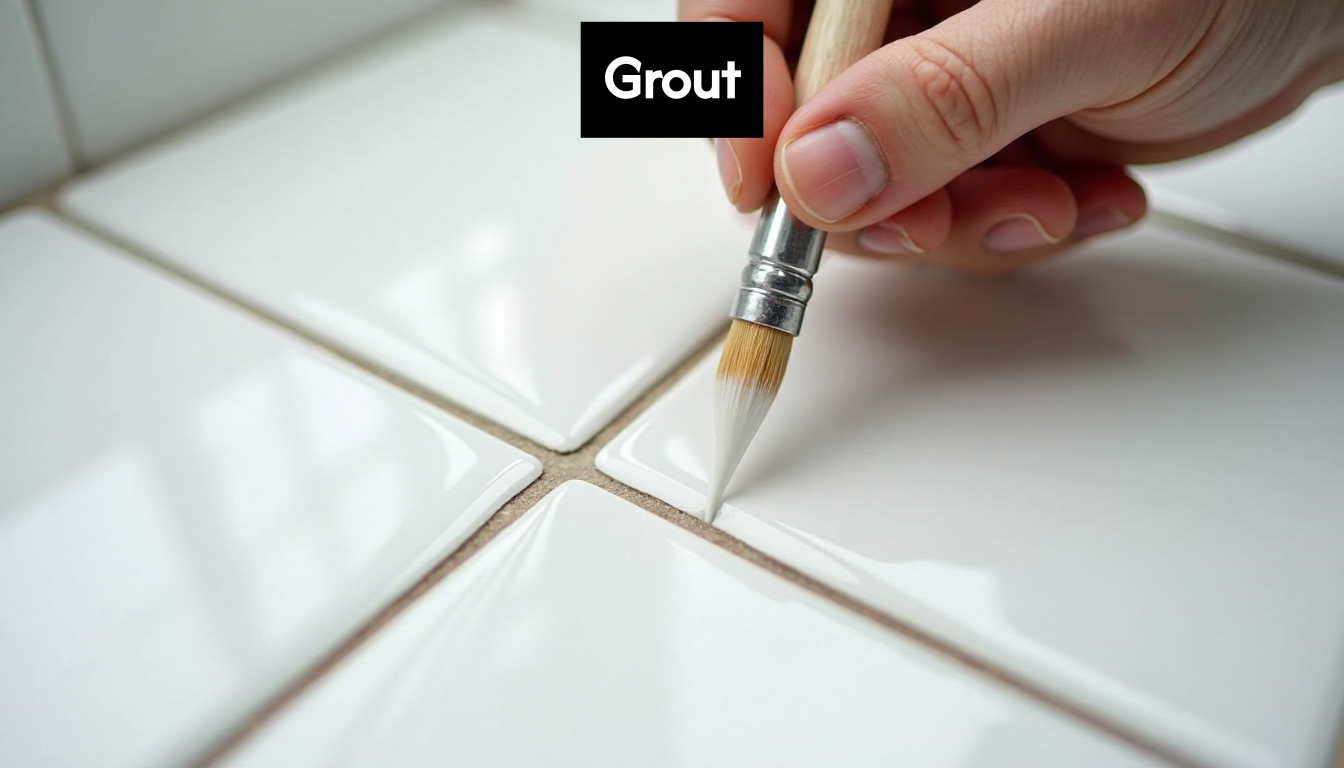
Preventative Maintenance Strategies
Effective grout protection requires a multi-layered approach. Sealing serves as the first critical defence mechanism. Apply professional-grade penetrative sealants annually to create a robust moisture barrier. These specialized products fill microscopic pores, preventing water and dirt infiltration.
Key protective techniques include:
- Regular cleaning with pH-neutral solutions
- Annual professional sealing
- Prompt repair of minor cracks or erosion
According to Hyper Tiles UK, professional deep cleaning every 1-2 years can restore grout to near-original condition through high-pressure steam cleaning and specialized extraction techniques.
Advanced Grout Protection Techniques
Beyond basic maintenance, advanced protection involves strategic interventions. Colored grout sealants not only protect but also refresh tile aesthetics. Choose sealants matching your original grout color to maintain visual consistency.
For high-moisture areas like showers and kitchen backsplashes, consider epoxy-based grouts. These modern formulations offer superior water resistance and durability compared to traditional cement-based options. The Building Research Establishment recommends epoxy grouts for areas experiencing frequent water exposure.
Professional tile maintenance experts emphasize the importance of early intervention. Small grout cracks or discolorations can quickly escalate into significant structural problems if left unaddressed. Develop a routine inspection schedule, examining grout lines quarterly for signs of wear, discoloration, or minor damage.
Moisture management extends beyond surface-level protection. Ensure proper ventilation in tiled areas, using exhaust fans in bathrooms and maintaining consistent indoor humidity levels. These environmental controls significantly reduce grout degradation risks.
The global ready-to-use grout market’s projected growth from $1.66 billion in 2024 to $1.82 billion in 2025 underscores the increasing recognition of professional grout maintenance. Homeowners are investing more in specialized products that offer long-term tile protection.
Remember, protecting grout lines isn’t just about aesthetics - it’s about preserving your tile investment. Consistent, intelligent maintenance can extend the life of your tiled surfaces by decades, preventing costly replacements and maintaining your home’s beauty.
Dealing With Common Tile Problems
Tile surfaces, despite their durability, are not immune to wear, damage, and environmental challenges. Understanding how to identify, address, and prevent common tile problems can save homeowners significant time and expense in repairs and replacements.
Identifying Critical Tile Damage
Recognising early signs of tile deterioration is crucial for preventing extensive damage. Expert Market Research highlights that porcelain and ceramic tiles, while highly resistant, still require vigilant maintenance to preserve their integrity.
Common tile damage indicators include:
- Hairline cracks suggesting structural stress
- Discoloration revealing moisture infiltration
- Loose or shifting tiles indicating potential substrate issues
- Grout degradation signaling potential water damage
Each damage type requires a specific diagnostic approach. Surface-level cracks might seem cosmetic but can signal underlying structural problems that demand immediate professional assessment.
Strategic Repair and Prevention Techniques
Effective tile problem management combines targeted repair with proactive prevention strategies. The NHBC regulations now mandate comprehensive waterproofing in wet areas, underscoring the critical nature of moisture management.
For minor surface issues, professional-grade repair kits can effectively restore tile appearance. Epoxy-based repair compounds work exceptionally well for filling small cracks and chips, providing a seamless restoration that matches original tile coloration.
Prevention strategies include:
- Regular professional inspections
- Immediate spill and moisture management
- Consistent temperature and humidity control
- Professional sealing of vulnerable areas
Advanced Troubleshooting for Complex Issues
Some tile problems require nuanced, professional intervention. Persistent moisture issues, for instance, might indicate more significant structural challenges beyond surface-level repairs. The UK ceramic tiles industry’s ongoing innovation focuses on developing materials and techniques that address these complex maintenance challenges.
In high-moisture environments like bathrooms and kitchens, consider implementing additional protective measures. Waterproof membranes beneath tile installations can prevent substrate damage, while specialized sealants offer an extra layer of protection against water penetration.
For natural stone tiles like marble or travertine, damage can be more pronounced and repair more intricate. These materials often require specialized restoration techniques, including professional polishing, re-sealing, and targeted repair methods that preserve the stone’s natural characteristics.
Temperature fluctuations and structural movement can also contribute to tile damage. Homes experiencing significant seasonal temperature changes may require more frequent inspections and potentially more flexible tile installation techniques that accommodate natural expansion and contraction.
Professional tile restoration experts recommend a comprehensive approach: regular maintenance, immediate addressing of minor issues, and periodic professional assessments. This strategy not only preserves tile aesthetics but also protects the underlying structural integrity of your flooring.
Remember, tile problems rarely resolve themselves. Proactive, informed intervention is the key to maintaining beautiful, functional tile surfaces that stand the test of time.
Frequently Asked Questions
How often should I clean my tiles?
Regular daily cleaning is essential. A consistent routine of sweeping, vacuuming, and damp mopping should be maintained. It’s also recommended to conduct deeper cleaning every 6-12 months depending on traffic and environmental conditions.
What cleaning solutions are best for tiles?
Use pH-neutral cleaners that are compatible with your tile type. Avoid harsh chemicals and always test on a small, inconspicuous area first to prevent damage.
How can I protect my grout lines?
Apply a professional-grade sealant annually to create a moisture barrier. Regularly inspect grout lines for signs of wear or damage and clean them with pH-neutral solutions.
What are the signs of tile damage I should look for?
Look for hairline cracks, discolouration, loose or shifting tiles, and degradation of grout. Early identification of these issues can help prevent more extensive repairs.
Elevate Your Tile Game with Hyperion Tiles
Transforming your tile maintenance routine is crucial for preserving the beauty and longevity of your flooring. As highlighted in our Essential Tile Maintenance Tips for 2025 article, neglecting grout protection or opting for the wrong cleaning solutions can lead to costly repairs and structural issues.
At Hyperion Tiles, we understand these challenges – that’s why we offer a vast range of high-quality tiles and flooring solutions perfectly suited for every space, including bathrooms and kitchens! 🏠

With exclusive promotions, trade discounts, and free shipping on orders above a certain threshold, there’s never been a better time to invest in your home’s aesthetic.
Don’t wait – browse our extensive collections today at hyperiontiles.co.uk and discover the perfect tiles to keep your floors not just beautiful, but also protected and well-maintained for years to come!
Share:
Installation Costs for Tiles 2025: Complete Budget Guide